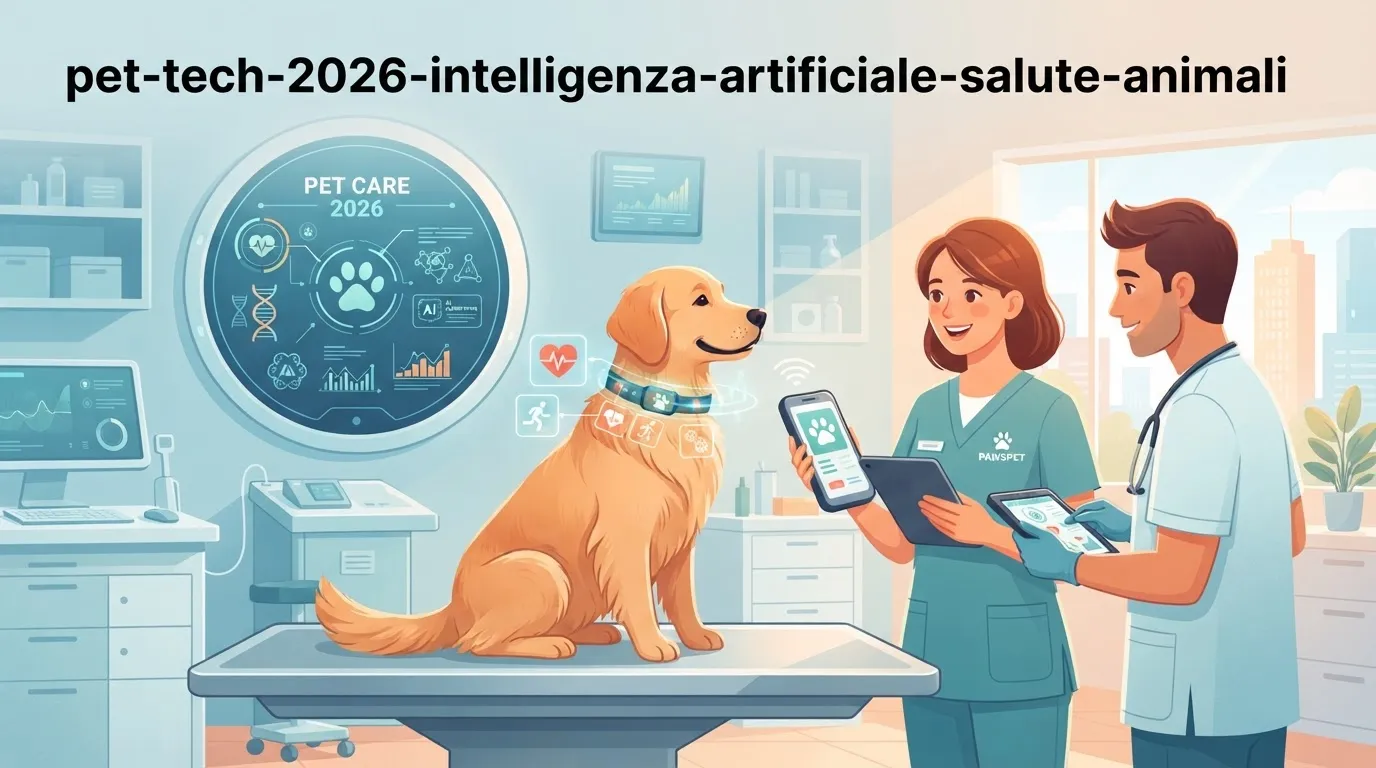
Artificial intelligence applied to animals is entering the daily lives of many families through smart collars, cameras, apps and data analysis tools. In pet tech 2026, the goal is not to replace the veterinarian, but to help people observe habits, changes and possible signs that may need further evaluation more consistently.
Used sensibly, AI for animal health can make it easier to organize care, activity and check-ups. However, it is important to understand its limitations, the data it collects and the situations in which professional advice remains essential.
What artificial intelligence can do for animals
Artificial intelligence for animals analyzes large amounts of information and looks for recurring patterns. For example, it may compare a dog’s activity levels over time, detect changes in a cat’s routines or flag a behavioral change observed by a camera.
The most common applications include:
- Activity monitoring: steps, movement, walk duration, periods of rest and play.
- Habit analysis: how often an animal drinks, eats, uses the litter box or approaches the bowl, when supported by the device.
- Behavior recognition: some systems try to distinguish sleep, barking, restlessness, repetitive licking or inactivity.
- Reminder management: apps and platforms can remind you about appointments, parasite treatments, check-ups and treatments prescribed by the veterinarian.
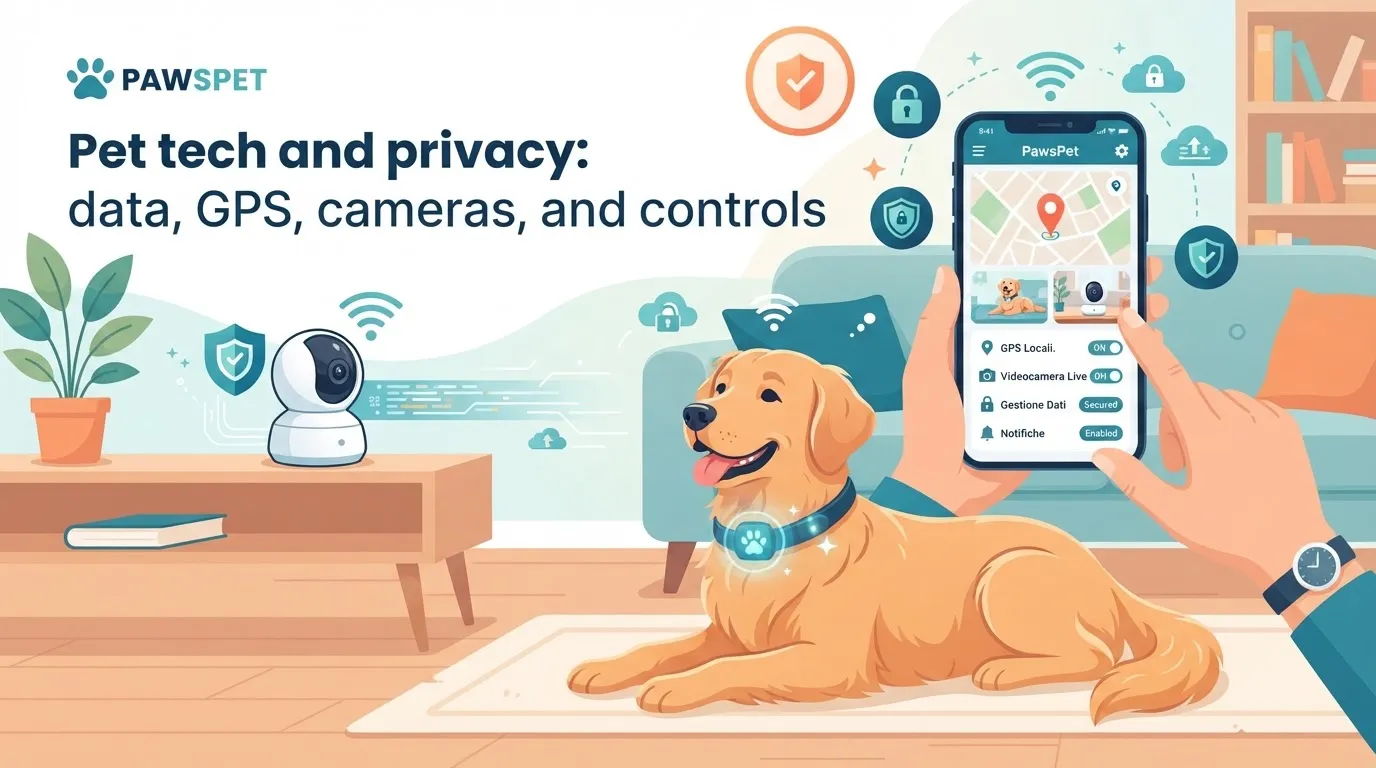
- Safety support: GPS and location features can help locate an animal that has wandered away, within the limits of network coverage and device battery life.
The value lies not in a single data point, but in how it changes over time. One less-active day may be due to hot weather or an unusual day; a consistent change over time deserves attention.
Wearables for animals: which data should you really observe?
Wearables for animals include collars, tags and other devices worn by pets that collect data through sensors. Before buying one, ask yourself which specific problem you want to solve: tracking activity, improving safety during outings, monitoring an older animal or sharing more organized information with your veterinarian.
The most useful data is information you can interpret in the context of your animal’s routine:
- activity trends compared with previous weeks;
- quality and duration of rest, if measured by the device;
- regularity of walks;
- location during outings and frequently visited areas;
- changes associated with real-life events, such as moving house, staying at a boarding facility, changing schedules or starting treatment.
Avoid turning every notification into a reason for concern. Sensors can misread information, lose connection or classify behavior inaccurately. Recording the context, time and duration of an unusual event can help you understand whether the data is truly significant.
The limitations of AI in digital animal health
Technology can flag a change, but it cannot provide a reliable diagnosis or determine treatment on its own. A smart collar does not know an animal’s complete medical history, cannot perform a physical examination and does not replace veterinary tests or assessments.
Contact your veterinarian without waiting for confirmation from an app if you notice important signs such as:
- breathing difficulties, marked weakness or loss of consciousness;
- obvious pain, trauma or suspected poisoning;
- persistent vomiting or diarrhea, especially together with lethargy;
- sudden refusal to drink or eat;
- difficulty urinating or defecating;
- intense and sudden behavioral changes.
For less urgent concerns too, bring organized information to the veterinarian instead of relying on a single notification. Showing trends in activity, sleep and observed symptoms may make the conversation easier, without turning data into self-diagnosis.
How to choose pet tech tools responsibly
Before using a device, check that it is comfortable, suitable for your animal’s size and compatible with their lifestyle. A wearable that is too heavy, noisy or poorly adjusted may cause discomfort and make the data less reliable.
Consider these practical aspects:
- Primary function: GPS, activity tracking, reminders or home monitoring.
- Battery life and reliability: check how often it needs charging and what happens when there is no connection.
- Data protection: understand how location, images and animal-related information are managed.
- Ease of use: choose clear, exportable and understandable data rather than dashboards filled with numbers that are difficult to use.
- Fit with your routine: the tool should simplify care, not add anxiety or extra tasks.
For walks, a GPS feature can also be useful for keeping a history of routes and habits. With PawsPet, you can organize GPS walks and centralize health-related reminders, making important information easier to consult.
From data collection to everyday decisions
Technology becomes useful when it leads to a concrete action. Set up a short weekly routine: review the overall trend, compare it with previous weeks and note any changes you have observed, including those not detected by the device.
You can use the data to:
- adjust the timing and duration of outings to suit your animal’s needs;
- remember check-ups and treatments already agreed upon with the veterinarian;
- prepare more specific questions for a veterinary visit;
- share essential information with a pet sitter or selected professional;
- identify situations that make your animal less comfortable, such as noise, being alone or changes in routine.
In pet tech 2026, the best use of artificial intelligence is not to delegate care, but to observe more effectively and act with greater awareness. PawsPet can help you keep your animal’s health, reminders and daily activities together in one place.
FAQ
Can artificial intelligence tell whether my animal is sick?
It can detect changes in monitored data or behavior, but it cannot diagnose an illness. If you notice symptoms or persistent changes, ask a veterinarian for advice.
Are wearables for animals suitable for every pet?
It depends on the species, size, age, temperament and device. Wearables should be lightweight, properly adjusted and tolerated by the animal. If you are unsure, consult your veterinarian or another qualified professional.
Does GPS replace identification and measures to prevent animals from going missing?
No. GPS is a support tool and may depend on battery life, network access and coverage. Keep the required identification systems up to date and follow everyday safety measures.