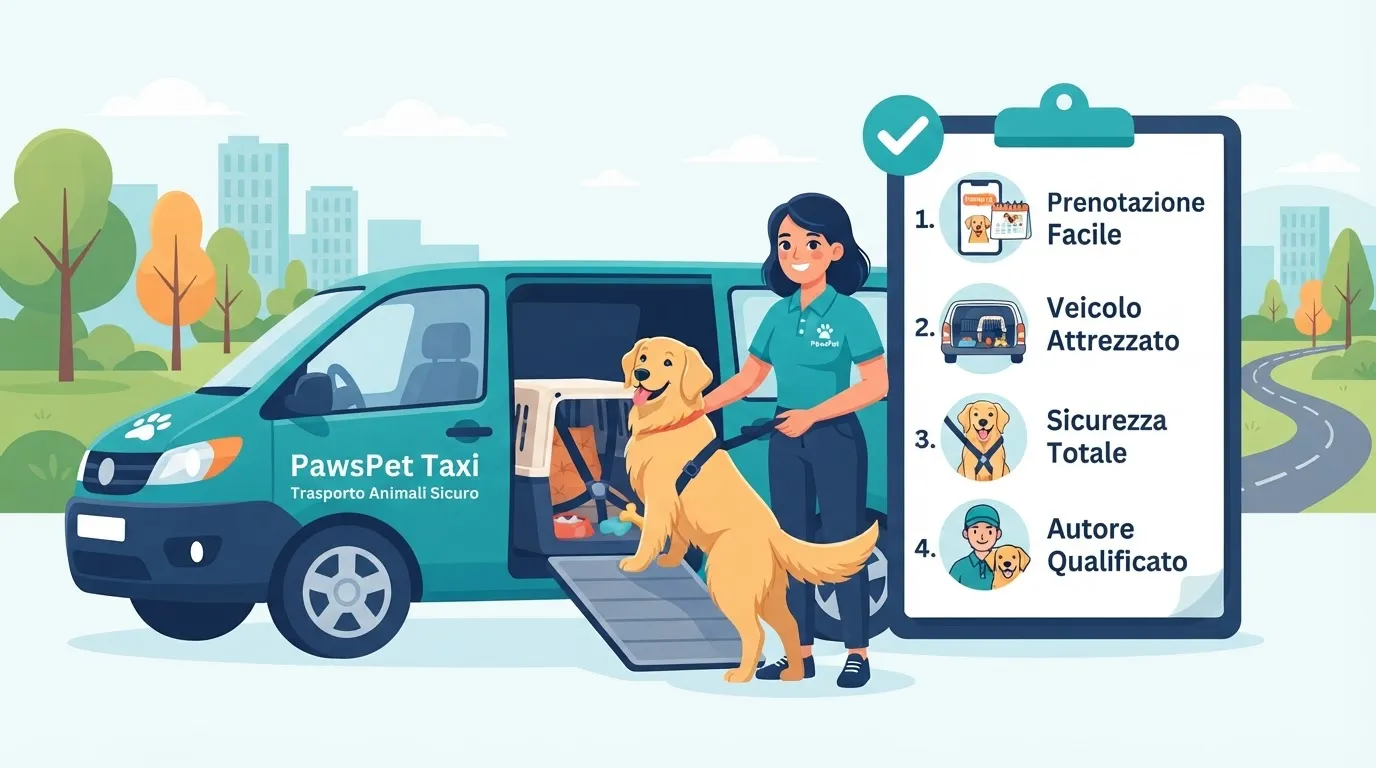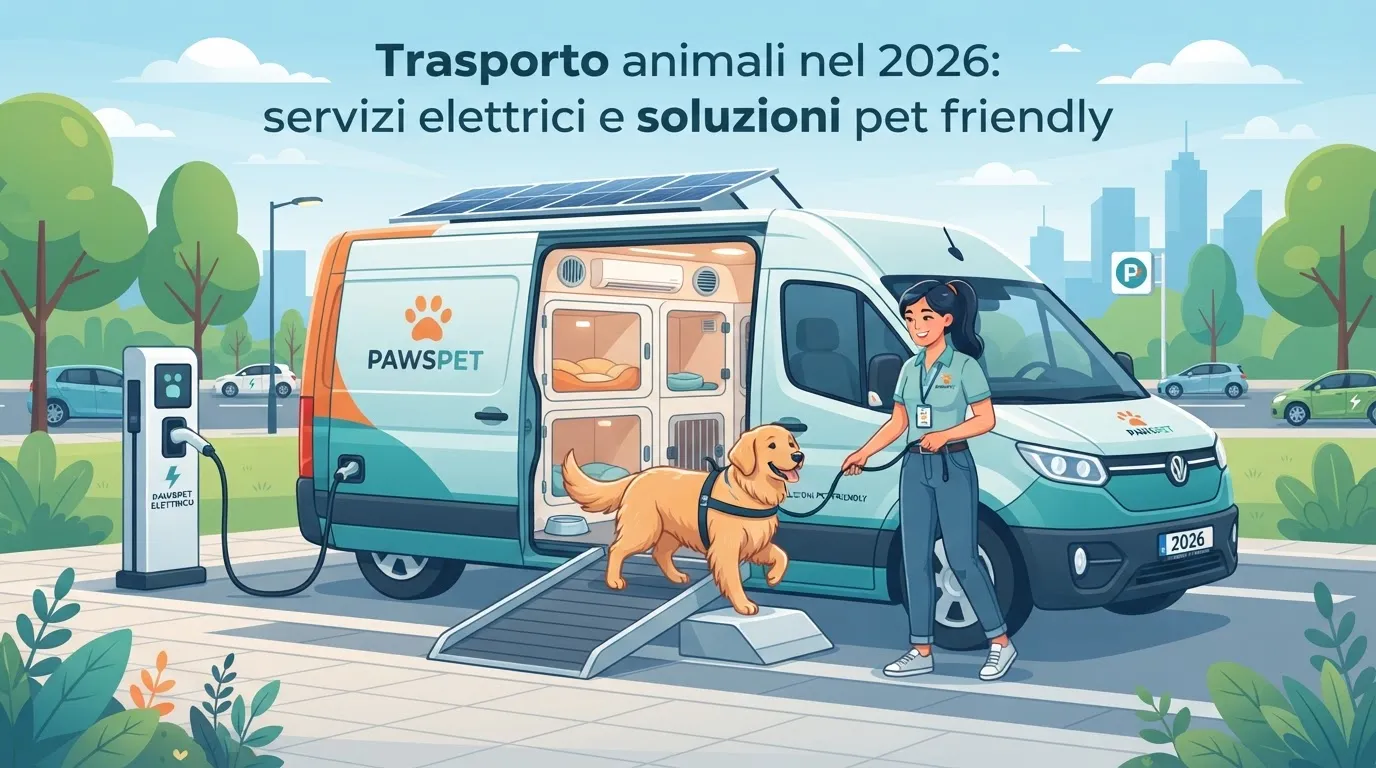
Pet transportation in 2026 is becoming easier thanks to digital services, low-emission vehicles, and solutions designed around the real needs of dogs, cats, and other companion animals. For people who do not drive, have mobility difficulties, or need to arrange a veterinary visit, safe transportation is no longer just a logistical matter.
Between electric pet taxis, quick bookings, and specially equipped vehicles, pet-friendly mobility now offers more alternatives. The priority, however, remains the same: choosing a reliable service that protects the animal’s well-being throughout the journey.
Pet transportation in 2026: what is changing
Innovation in pet transportation is not limited to the type of engine. An electric pet taxi can help reduce noise and local emissions, but a truly pet-friendly service is recognized above all by its organization and preparation.
The most advanced solutions focus on:
- Digital bookings, with clear information about the route, time, species, size, and the animal’s needs.
- Dedicated or adapted vehicles, with easy-to-clean spaces, adequate ventilation, and secure restraint systems.
- Updates during the journey, especially useful when the owner cannot accompany the pet.
- Trained operators, able to handle the animal calmly, without forcing contact or movement.
- Pre-booked services, useful for veterinary visits, boarding facilities, grooming appointments, train stations, airports, or scheduled transfers.
Sustainable mobility can therefore go hand in hand with convenience: an electric vehicle is an interesting option, but it does not replace the expertise of the person transporting the animal.
Electric pet taxi: benefits and points to check
An electric pet taxi can be a suitable choice for anyone looking for a pet-friendly mobility service with a lower environmental impact. Smooth driving and reduced noise may be more comfortable for some sensitive animals, but every dog or cat responds differently to travel.
Before booking, ask specific questions about the following:
- Is the vehicle suitable for your animal’s species and size?
- Is the carrier or restraint system included, or do you need to bring one from home?
- How is cleaning handled between trips?
- Can you travel together with your pet?
- Can the operator wait during a veterinary visit or appointment?
- How are delays, changes of destination, or unexpected situations handled?
- Does the service require health documents or other information before transportation?
Avoid choosing a service solely because it offers fast booking or has an app. A good service should clearly explain its limitations, transportation conditions, and assistance procedures.
How to prepare a dog or cat for the journey
Even the best-equipped vehicle cannot eliminate stress if the animal is not prepared. A simple routine can make the journey easier to manage, especially for older, fearful, or car-inexperienced pets.
Before departure:
- Gradually get your pet used to the carrier, leaving it open at home with a blanket or a familiar scent.
- Prepare a brief information sheet with contact details, any allergies, relevant habits, and the contact information of the usual veterinarian.
- Use a secure harness and leash for dogs, even if they travel in a carrier or in a designated area.
- Avoid large meals immediately before the journey, especially if your pet experiences motion sickness.
- Bring water, wipes, and absorbent material, without turning the trip into an unnecessarily large load.
- Remain calm, because rushing and tension can increase the animal’s agitation.
If your pet shows intense anxiety, frequent vomiting, breathing difficulties, or unusual behavior during travel, speak with your veterinarian before planning longer journeys. Do not give medication or sedatives without professional guidance.
Safety and comfort: the criteria that really matter
When transporting animals, comfort and safety go hand in hand. An animal loose inside the vehicle may become distracted, get injured, or interfere with the driver. At the same time, an unsuitable restraint can increase fear and discomfort.
Check that the following are available:
- a stable, well-ventilated carrier that is appropriately sized for the animal;
- restraints that prevent sudden movement;
- suitable temperature and air circulation;
- realistic travel times, with breaks when compatible with the animal and the route;
- clear procedures for handing over and collecting the pet;
- direct contact with the operator or customer service team.
For cats in particular, a secure, closed carrier is often the safest option. For dogs, the appropriate system depends on their size, temperament, and the vehicle’s configuration: asking in advance helps prevent surprises at departure.
Organizing transfers with digital tools
Digital bookings make it easier to coordinate pet taxis, veterinary visits, and other pet services. The benefit is not just convenience: keeping information up to date reduces the risk of forgetting important details.
With PawsPet, you can keep your pet’s identification and health information organized, set reminders for appointments, and plan recurring needs. The services marketplace can also help you find professionals and available solutions in your area, while allowing you to carefully assess what each provider offers.
Pet-friendly mobility works best when it is planned: choose the service in advance, explain your pet’s needs, and prepare an alternative solution in case of unexpected problems.
FAQ
Is an electric pet taxi suitable for every animal?
It depends on the species, size, health status, and previous experience with transportation. Always check that the vehicle and restraint system are appropriate for your pet.
Can I leave my pet alone with the pet taxi service?
Some services allow this, while others require or recommend the owner’s presence. Clarify this condition before booking and communicate any specific needs.
What should I do if my dog or cat gets travel sick?
Speak with your veterinarian, especially if the symptoms are frequent or severe. In the meantime, choose shorter journeys, secure carriers, and a calm environment.