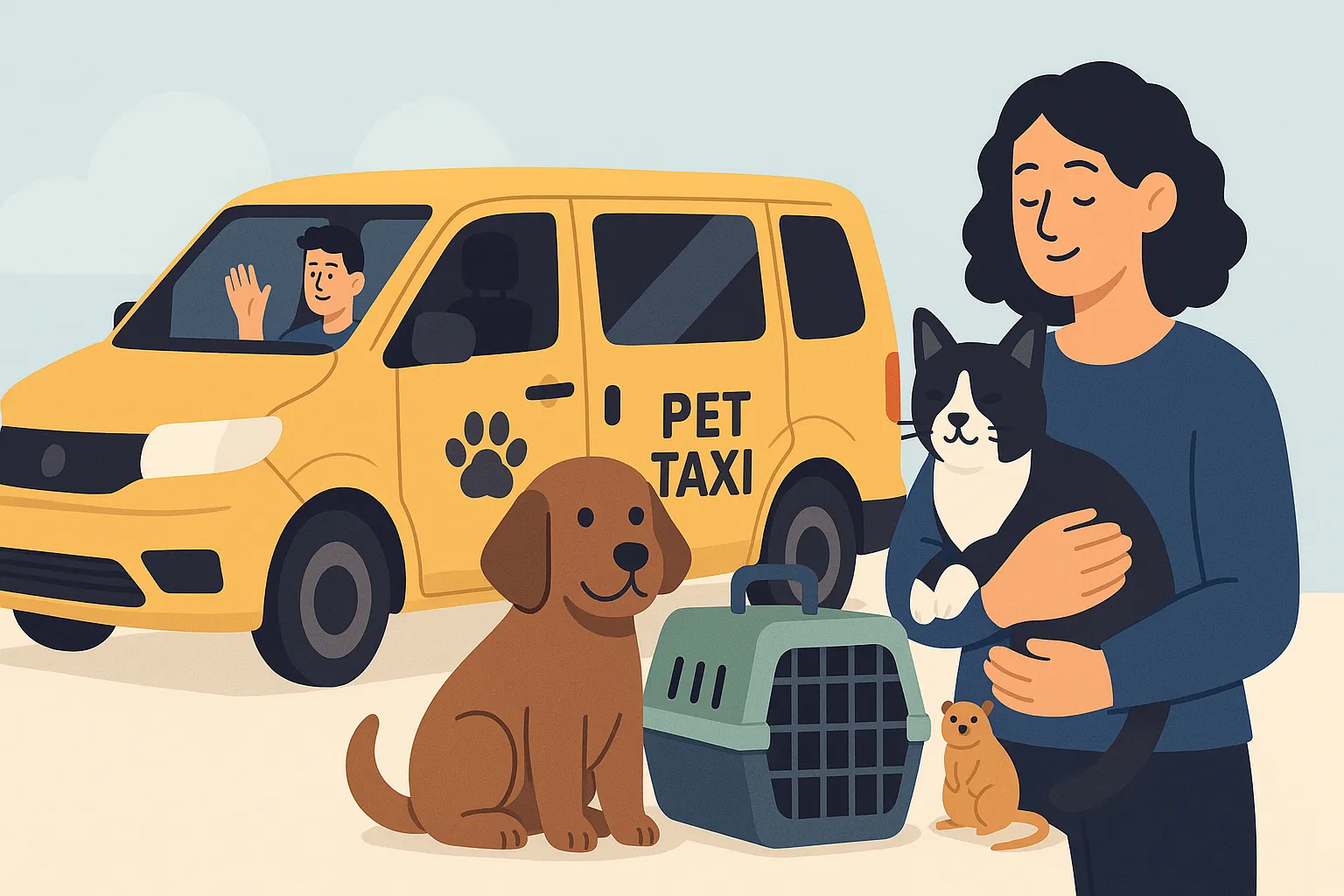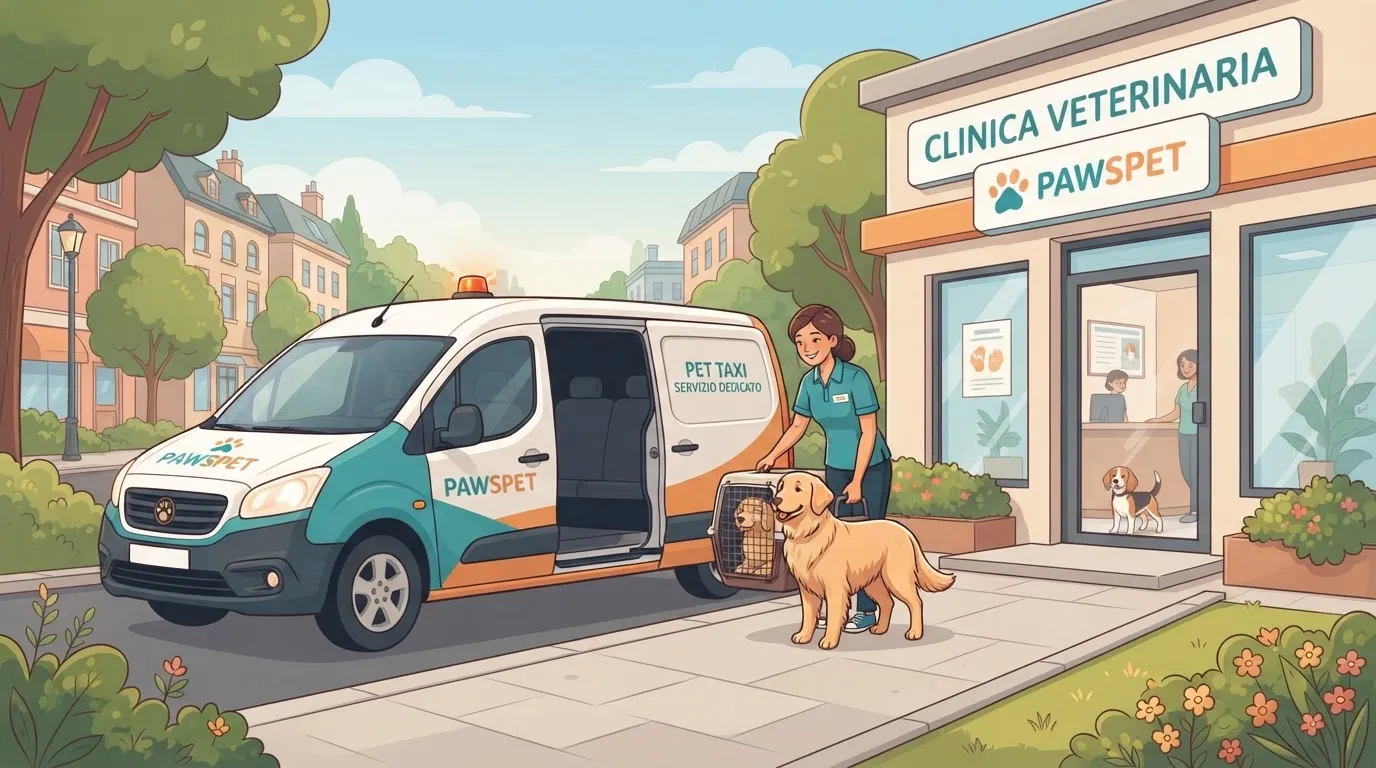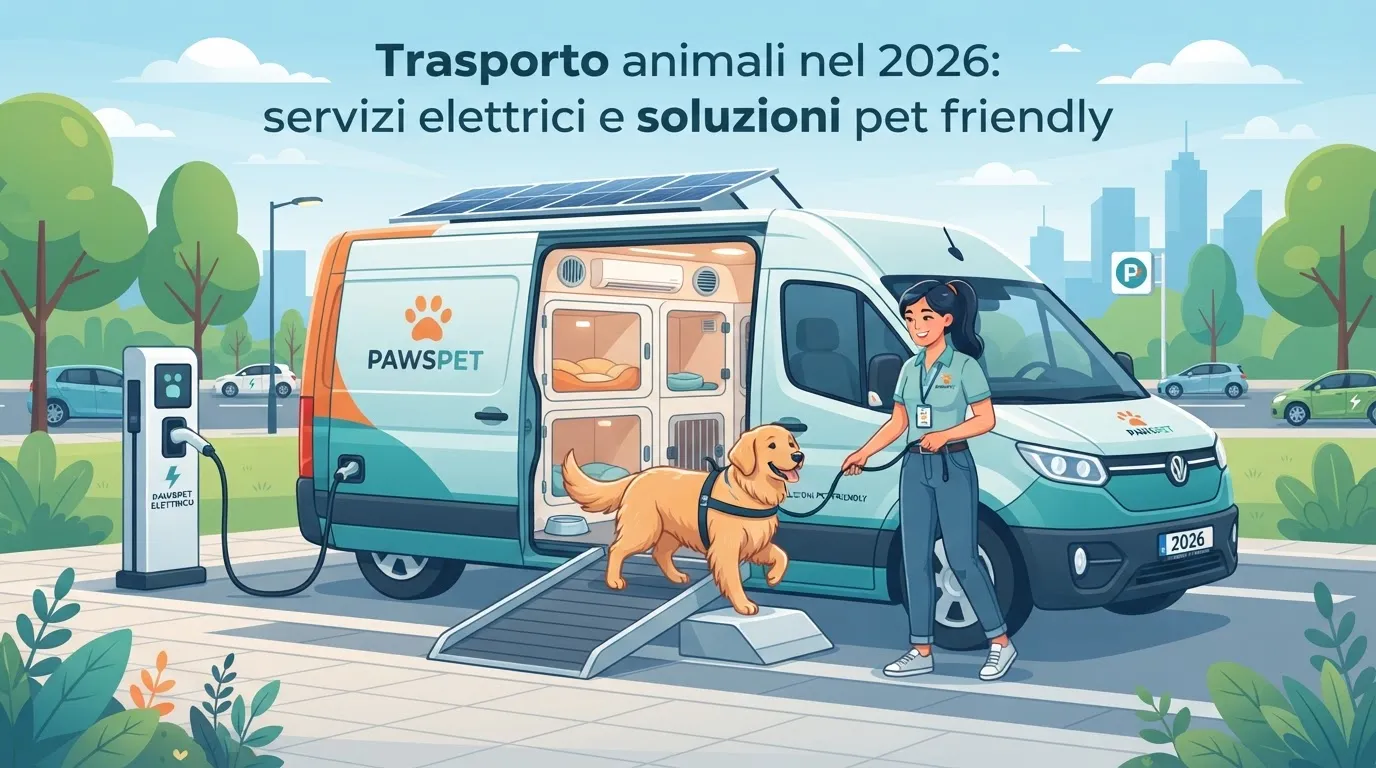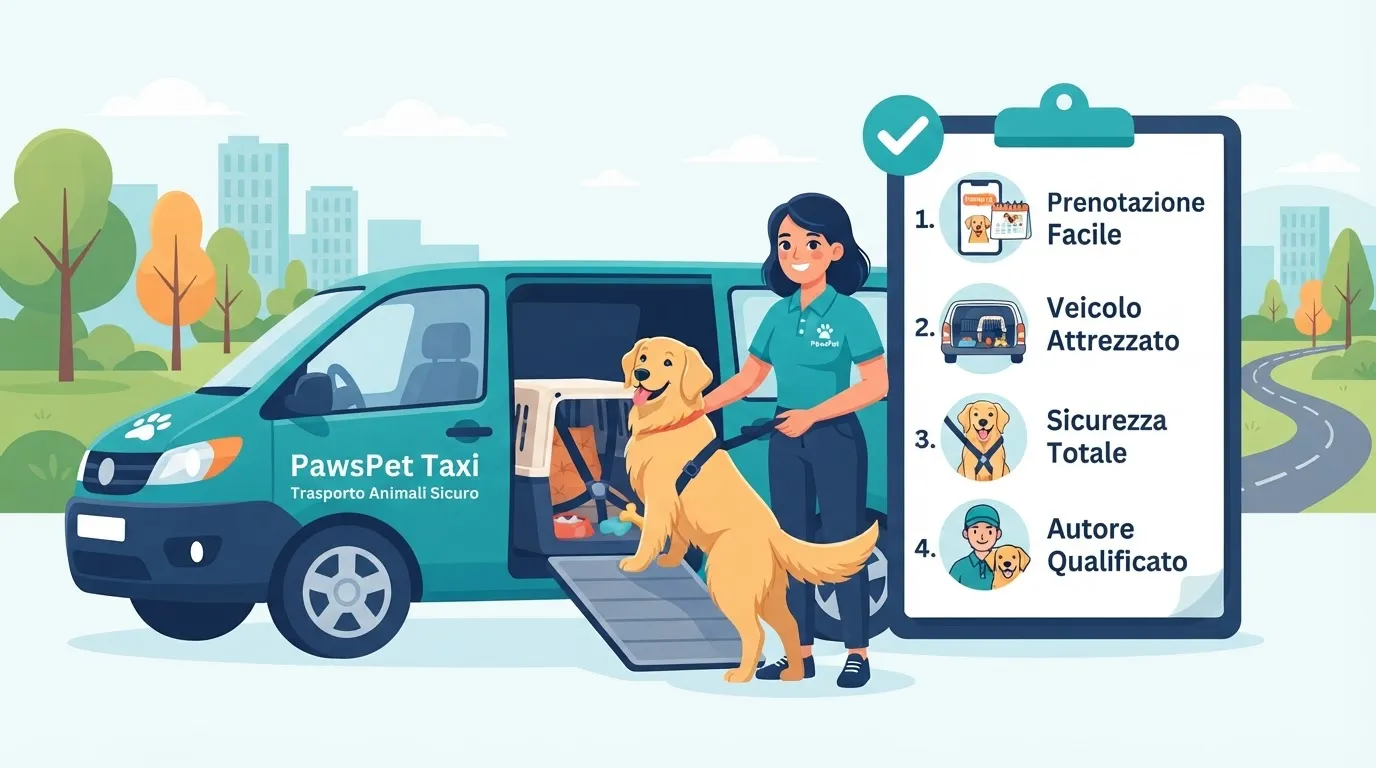
A pet taxi can be useful for veterinary appointments, transfers, grooming, boarding, or everyday trips when you cannot accompany your pet. To choose a reliable pet taxi service, however, it is not enough to check that it accepts dogs and cats: you also need a suitable vehicle, clear communication, and careful preparation.
This checklist helps you assess domestic pet transport services and reduce unexpected problems while respecting your dog’s or cat’s needs.
Check the pet taxi requirements and conditions
Before booking, gather precise information about the service. A pet-friendly taxi is not automatically equipped for every animal, size, or specific need: clarifying everything in advance helps prevent cancellations, delays, and uncomfortable situations.
In particular, ask:
- which species and sizes are transported;
- whether the vehicle has separate, easy-to-clean, and well-ventilated spaces;
- whether safe arrangements are available for carriers, kennels, or harnesses;
- whether your pet can travel in its own carrier;
- whether the service handles trips to veterinary clinics, stations, or airports;
- whether an accompanying person can travel with the pet;
- what happens in the event of a delay, cancellation, or route change.
For a smooth dog or cat journey, always describe your pet’s temperament. A very fearful cat, a dog that reacts to other animals, or an older pet may need specific arrangements, such as avoiding shared rides or allowing more time.
Questions to ask the driver before booking
The quality of a pet taxi can also be assessed by how willing the driver is to provide clear, practical answers. You do not need to turn the call into an interrogation: a few focused questions are enough to understand whether the professional is well organized.
You can ask:
-
How is safety ensured during the journey?
Check that your pet will not be left loose in the vehicle and that any restraint devices are suitable for its size. -
Is the vehicle cleaned and sanitized between trips?
This is important for comfort, odors, and the management of possible parasites or residue. -
Are shared rides with other animals offered?
If so, ask how the animals are separated and whether you can request a private ride. -
What happens if something unexpected occurs?
The driver should know how to contact you quickly and what to do if your pet shows signs of distress or the journey is delayed. -
Which documents or details are required?
Some journeys may require identification details, your veterinarian’s contact information, or health documentation. Always check the requirements that apply in your area and at your destination.
A responsible professional will not dismiss your questions or promise that every pet will travel without stress. Instead, look for someone who suggests realistic solutions suited to your situation.
How to prepare your dog or cat for transport
Preparation begins before the vehicle arrives. The goal is not to eliminate every emotion, but to make the experience more predictable and manageable.
For a dog, take a calm walk before departure and give them time to relieve themselves. Avoid overly intense activity that could increase agitation or fatigue. For a cat, prepare the carrier in advance and leave it accessible at home, adding a blanket with a familiar scent.
Prepare a small bag containing:
- a leash, harness, or properly adjusted collar;
- a secure carrier for cats and, when necessary, for small dogs;
- water and a collapsible bowl for longer journeys;
- waste bags, wipes, and a blanket;
- any essential written instructions for the driver;
- emergency contacts and the details of your regular veterinarian.
If your pet takes medication, has known health conditions, or shows unusual signs, speak with your veterinarian beforehand. Do not give sedatives or other travel products without professional guidance.
During and after domestic pet transport
At pickup, hand over your pet calmly and avoid overly excited goodbyes. Make sure the driver has your phone number, the exact destination address, and the agreed instructions. If your pet is traveling without you, ask for an update upon arrival.
Once at the destination, let your dog or cat settle in gradually. Offer water, a quiet place, and the opportunity to move around or hide according to their usual habits. Observe their behavior in the following hours: mild tiredness or a need for quiet may be normal, while breathing difficulties, marked weakness, repeated vomiting, or severe agitation require contacting a veterinarian.
For future bookings, note what worked: journey length, your pet’s reaction, the type of restraint used, and the service preferences. With PawsPet, you can organize your pet’s information, set reminders, and find useful pet services when you need to plan a journey.
Pet taxi FAQ
Can I transport my cat without a carrier?
In general, this is not a safe choice. A carrier reduces the risk of escape, protects your cat during the journey, and provides a more predictable shelter. Still, check the specific conditions of the service.
Can a pet taxi take my dog to the vet without me?
This depends on the service and your pet’s needs. Let the provider know in advance if your dog has behavioral difficulties, health conditions, or specific requirements. For appointments and clinical decisions, agree with the veterinary practice beforehand on how the visit will be handled.
How far in advance should I book a pet taxi service?
It depends on the area, time, distance, and the driver’s availability. For important appointments, such as a veterinary visit or a planned transfer, it is wise to book as soon as you know the date and time.