Organizing transport for your dog or cat is not always easy: not all transport options accept animals, schedules can be strict, and you may not always have a car available. In these cases, a pet taxi and animal transport service can become the most practical and safest solution.
In this article, we’ll look at:
- how a pet taxi for dogs and cats works
- when it makes sense to use one
- the differences compared with a traditional taxi
- how much a pet taxi costs in Italy (indicative ranges)
- what to check before booking so you can choose a truly reliable service
If you’re looking for an animal transport service “near me” or want to understand when it’s worth using one, here you’ll find a complete guide, with checklists and practical examples.
What a pet taxi is and what it’s for
A pet taxi is a transport service dedicated to companion animals (especially dogs and cats), run by professionals who handle:
- safe transportation
- escorting the pet to a specific destination
- monitoring the animal during the trip
Unlike a traditional taxi, the focus is not the human passenger, but the pet: comfort, safety, reduced stress, and compliance with animal transport regulations.
When to use a pet taxi for dogs and cats
Here are the most common situations where an animal transport service is really useful:
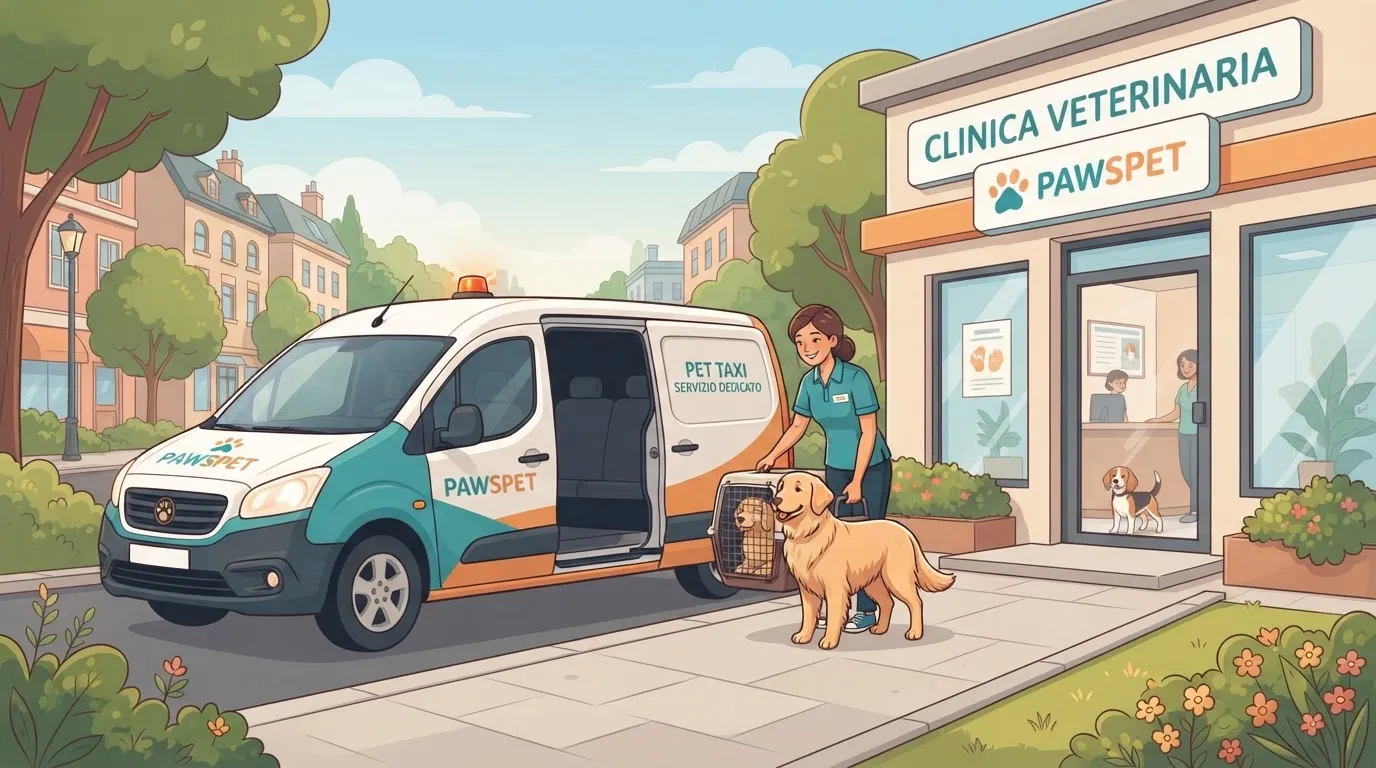
- Scheduled veterinary visits: you don’t have a car, or you can’t take time off work. The pet taxi takes your animal to the clinic and, in some cases, waits until the appointment is over.
- Veterinary emergencies (non-critical): if you can’t drive or there’s no one available to take you. For serious emergencies, it’s always better to call the vet directly or dedicated emergency services.
- Grooming and boarding: home-to-groomer transport, home-to-boarding or dog daycare.
- Local transfers: you’re moving house, relocating to another part of town, and prefer dedicated transport for your dog/cat.
- Connections with stations or airports: when you’re travelling with your pet and don’t want to stress them with public transport changes.
- Owners without a driving licence or temporarily unable to drive: seniors, people with disabilities, or injured owners.
- Families without a car or with a vehicle that isn’t suitable for safe transport (e.g., no seatbelt for a carrier, limited space).
Differences between a pet taxi and a traditional taxi
Many people wonder whether a regular taxi isn’t enough. In some cities it may be, but there are significant differences compared with a dedicated pet taxi animal transport service.
1. Acceptance of animals
- Traditional taxi: not all drivers accept animals; it’s often necessary to mention it when booking. Some only accept small animals in a carrier.
- Pet taxi: transporting animals is the rule, not the exception. Drivers are prepared to handle dogs of all sizes and cats, in carriers or with dedicated safety systems.
2. Vehicle setup
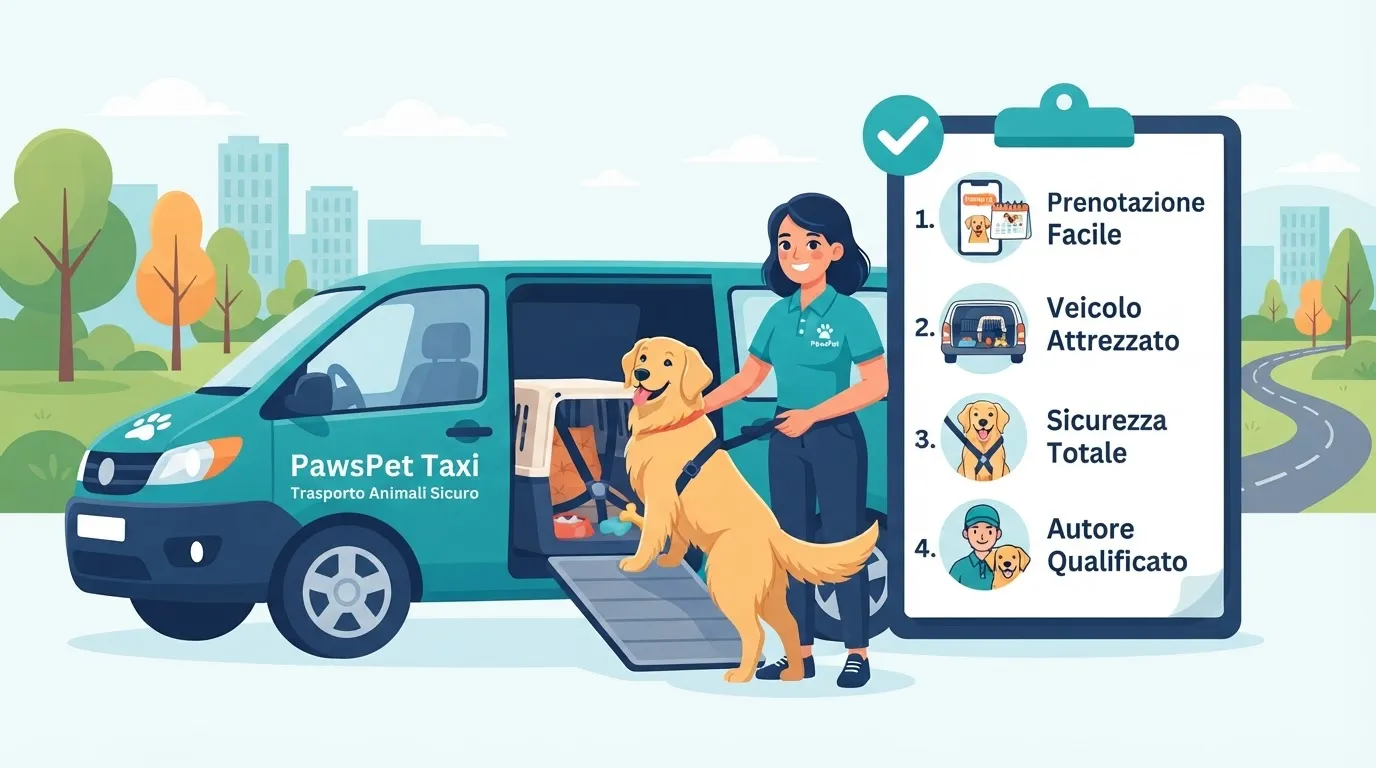
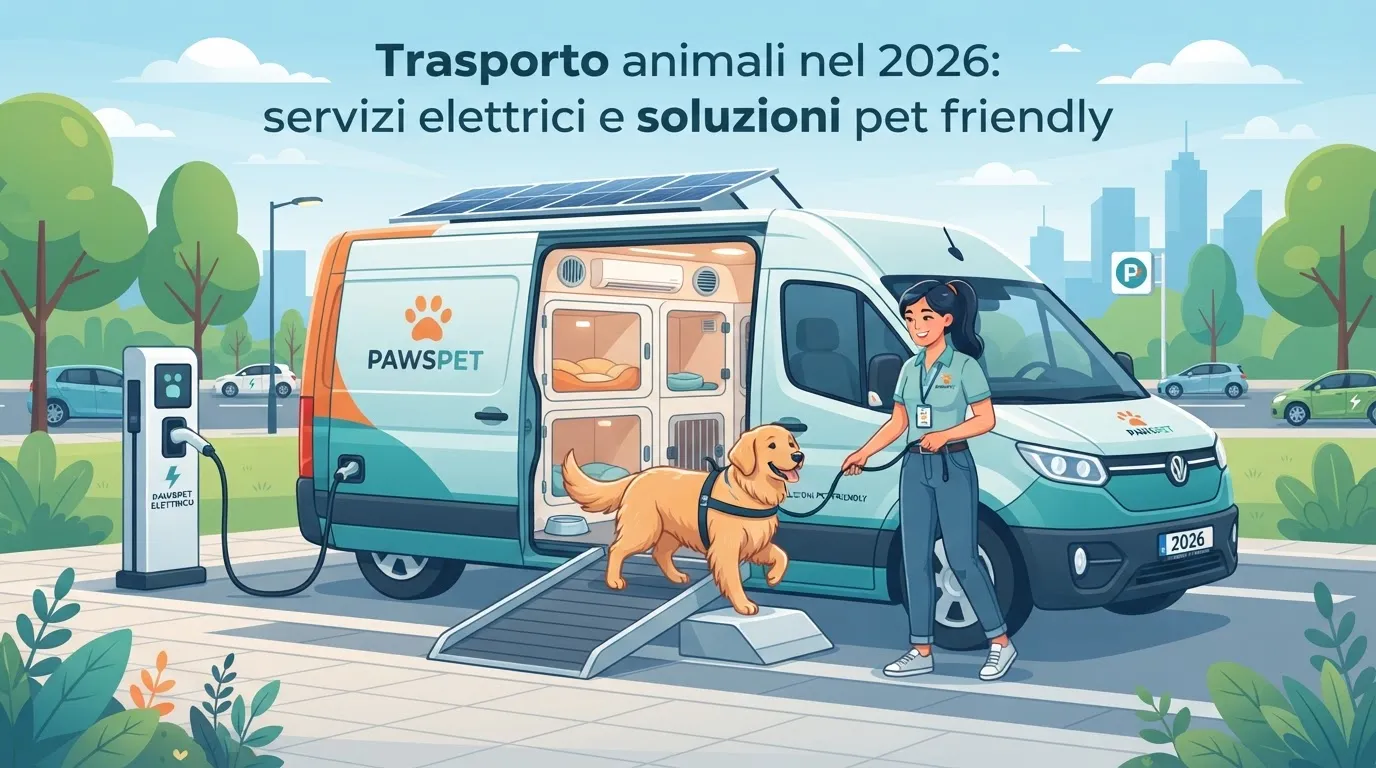
A reliable pet taxi usually has:
- a suitable area for carriers and kennels
- harnesses or seatbelts for dogs
- washable covers, absorbent mats, and possibly dividers
- proper ventilation and temperature control
A traditional taxi, except in some cases, is not specifically equipped to ensure comfort and safety for an animal, especially if it is large or nervous.
3. Driver experience
- Traditional taxi driver: may not have experience with fearful, aggressive, or anxious animals.
- Pet taxi driver: usually more familiar with dogs and cats, and knows how to manage getting in and out of the vehicle, stopping times, and signs of stress.
4. Extra services
Many pet taxi services offer extras that a traditional taxi typically does not:
- waiting during the veterinary visit
- escorting the animal all the way to the facility entrance
- updates for the owner (photos, messages)
- recurring services (e.g., weekly transport to dog daycare)
How a pet transport service works, step by step
The process of a dog and cat animal transport service is usually straightforward. Here’s the typical flow.
1. Requesting a quote or making a booking
You can contact the service:
- by phone
- via website or request form
- through an app or marketplace dedicated to pet services (like PawsPet)
You’ll need to provide some basic information:
- species and size (dog/cat, approximate weight)
- any known health issues
- pick-up and destination addresses
- preferred date and time
- whether waiting time is needed too (e.g., at the clinic)
- whether you’ll travel with your pet or if the transport is pet only
Based on this, you’ll receive a quote with the price, payment method, and terms.
2. Confirmation and pre-trip instructions
Once the service is confirmed, you’ll receive:
- the pet taxi pick-up time
- the driver’s name or vehicle reference
- any instructions about the carrier, harness, leash, or muzzle
- documents to prepare (e.g., health booklet, certificates for long trips)
3. Pet pick-up
On the agreed day and time:
- the driver arrives at the agreed location
- checks the animal (general condition, equipment: collar, carrier, etc.)
- loads the pet safely, using carriers provided by you or, in some cases, by the service itself
If you are not present at pick-up time (e.g., a pet taxi collecting the dog from boarding), make sure:
- the person handing over the animal is informed
- the driver has your contact details and the contact details of the pick-up/drop-off location
4. Transport and pet management
During the trip, the driver:
- drives in a way that avoids sudden braking or movements that could scare the animal
- periodically checks the dog/cat’s condition (breathing, agitation, possible nausea)
- makes stops if planned or necessary, especially on longer trips with large dogs
5. Arrival at destination
Upon arrival:
- the animal is handed over according to instructions (to you, the clinic reception, grooming salon, etc.)
- the driver may wait and then take the pet back to the starting point
- in some cases, you’ll receive a report, a message, or a photo confirming successful delivery
How much a pet taxi for dogs and cats costs: price ranges
Determining how much a pet taxi costs depends on several factors:
- city/geographic area
- distance to travel
- time of day (day/night, holidays)
- size and number of animals
- extra services (waiting, dedicated escort, help handling the pet)
Below you’ll find indicative price ranges to help you get oriented. Values may vary depending on the individual provider and do not replace a real quote.
Average pet taxi costs in the city (short trips)
For urban trips within 10–15 km:
- fixed call-out fee: around €10–20
- price per km: €0.80–1.50 per km
- possible surcharges:
- large animal: +€5–10
- additional animals: +€5–15 total
- night/holiday service: +20–30%
Practical example:
8 km trip in the city, medium-sized dog, weekday daytime:
- call-out fee: €15
- 8 km x €1 = €8
- indicative total: €23
Costs for extra-urban or longer trips
For longer routes (over 20–30 km), some services apply:
- reduced per-km rate (e.g., €0.70–1.20 per km)
- or a flat rate for the trip (e.g., €70–100 for 80–100 km)
Example:
dog transport from city A to city B (70 km), medium size, one-way only:
- fixed fee: €15
- 70 km x €0.90 = €63
- indicative total: €78
Waiting costs (e.g., veterinary appointment)
If you need the pet taxi to:
- take the dog/cat to the appointment
- wait until the visit is over
- then bring the animal home
There may be:
- hourly waiting rates: €15–30/hour
- or “outbound + waiting + return” packages with a fixed price
Example:
home–clinic (7 km), 45-minute appointment, return:
- outbound + return as above: ~€25–30
- 1 hour waiting: €20
- indicative total: €45–50
Costs for special services (airports, long-distance trips)
For trips to stations or airports, and especially for longer journeys:
- per-trip rates: €40–80 for nearby airports, depending on distance
- for regional or national transfers:
- distance, tolls, and any driver overnight stays are considered
- costs can easily rise above €150–200 for major trips
For this reason, it’s always a good idea to request a detailed quote before confirming.
What to check before booking a pet taxi service
Choosing a reliable pet taxi is essential for your animal’s safety and well-being. Here’s a checklist of things to verify.
1. Licences and insurance coverage
Ask the provider:
- what type of licence they use (NCC, third-party transport, or another form compliant with local regulations)
- whether they have specific insurance coverage, including for animal transport
- any certifications or association memberships
A transparent professional will usually provide this information without issue.
2. Vehicle setup
Check (also through photos):
- presence of suitable carriers or kennels
- securing systems for carriers (seatbelts, hooks)
- harnesses for large dogs
- enough space for your animal’s size
- cleanliness and hygiene of the vehicle
If your dog is very large or anxious, mention it in advance so the service can tell you whether they can handle it.
3. Experience with animals and stress management
Ask direct questions:
- “Have you already transported anxious dogs/cats?”
- “How do you handle an animal that vomits or gets agitated during the trip?”
- “Do you recommend anything to prepare them for transport?”
The answers will give you an idea of their real expertise in animal transport, not just driving.
4. Reviews and word of mouth
Check:
- online reviews (Google, social media, pet service marketplaces)
- testimonials on websites
- recommendations from your vet, groomer, or trusted pet sitter
A pet transport service “near me” with many positive reviews is often more reassuring.
How to prepare your dog and cat for pet taxi transport
Even the best driver cannot completely eliminate travel stress. Preparation is essential, especially for cats and sensitive dogs.
Preparing your dog
For dogs:
- car habituation: if possible, do a few short car rides before the service.
- light meal: avoid giving a large meal right before travel to reduce the risk of nausea.
- safe leash and harness: check that they’re in good condition and properly adjusted.
- familiar items: a blanket or toy with their scent can help calm them.
Preparing your cat
Cats are often more sensitive to travel. Good practices include:
- closed and secure carrier: never transport a cat loose in the car.
- gradual carrier habituation: leave it open at home for a few days beforehand, with a blanket and treats.
- familiar smells: a regularly used blanket, maybe a cloth from the owner.
- talk to your vet if your cat is very anxious: in some cases, specific strategies or calming products may be recommended.
Documents and information to have ready
For a smooth trip, prepare:
- health booklet (especially for veterinary visits)
- contact details of your regular vet
- any ongoing medication (drugs, times, doses)
- written notes on:
- known fears (e.g., fear of other dogs)
- tendency to vomit in the car
- orthopedic problems or chronic conditions
How to find an animal transport service near you
If you’re wondering “how do I find a pet taxi animal transport service near me?”, here are some useful channels.
1. Vets, groomers, and boarding facilities
Often:
- veterinary clinics
- grooming salons
- boarding facilities and dog daycare centres
have a network of trusted animal transport contacts and can suggest reliable providers.
2. Targeted online search
You can use terms like:
- “pet taxi + city name”
- “animal transport + province name”
- “dog and cat transport service near me”
Always check the website, contacts, terms, and reviews.
3. Marketplaces and pet service apps
Platforms dedicated to the pet world, like PawsPet, allow you to:
- find animal transport professionals in your area
- compare profiles, descriptions, and vehicle photos
- read verified reviews from other owners
- manage bookings and payments in one place, together with other services (pet sitters, groomers, boarding facilities)
This reduces search time and helps you make a more informed choice.
Quick checklist before booking a pet taxi
Here’s an operational checklist to use every time you need to choose a pet taxi animal transport service.
Service verification
- Do they have a declared licence/compliance status?
- Are they insured, including for animals?
- Is the vehicle equipped for pet transport (carriers, seatbelts, cleanliness)?
- Do they have positive, verifiable reviews?
Information to communicate
- Size, weight, breed, and species (dog/cat)
- Temperament (anxious, sociable, aggressive with other dogs, etc.)
- Known health problems, ongoing treatments
- Type of trip: one-way, round trip, with or without waiting
- Exact pick-up and drop-off times and addresses
For the day of travel
- Collar/harness in good condition and leash
- Suitable carrier (especially for cats and small dogs)
- Health booklet and useful phone numbers
- Blanket or familiar item to reduce stress
- No overly large meal in the hours immediately before
How PawsPet can help you organize your pet’s transport
Managing daily life with a dog or cat often means coordinating:
- veterinary visits
- grooming appointments
- trips to boarding facilities or daycare
- personal and work commitments
An app like PawsPet can become your digital “control centre”:
- pet profile and health: keep all your pet’s information (weight, treatments, visits) in one place, so you always have what’s needed for the pet taxi service.
- reminders: set reminders for check-ups, vaccinations, grooming appointments, so you can organize transport in advance.
- pet services marketplace: search for and compare pet professionals (including animal transport services, where available), with reviews and up-to-date profiles.
This way you can:
- reduce the risk of forgetting things
- combine multiple services on the same day (e.g., visit + grooming)
- choose providers more consciously and according to your pet’s needs
Conclusion: when a pet taxi is the right choice
A pet taxi and animal transport service is especially useful when:
- you don’t have your own vehicle or can’t drive
- your dog/cat needs to get to an important appointment or trip
- you want to minimize stress and unexpected issues during travel
- you want a driver who is used to handling animals, not just traffic
To make the right choice, remember to:
- check licences, insurance, and vehicle setup
- inform the service about your pet’s characteristics
- prepare your animal and the necessary documents in advance
If you want to simplify the organization of visits, transport, and services for your dog or cat, try managing everything from a single app: PawsPet helps you keep health, appointments, and trusted providers under control, so you can focus on what really matters: your animal’s well-being.
FAQ about pet taxi and animal transport
How much does a pet taxi for dogs and cats cost on average?
It depends on the city, distance, time of day, and extra services. In many cases, for short urban trips, the total cost is roughly between €20 and €40, considering the call-out fee and kilometres. For longer trips, waiting time, or night service, the price can increase significantly. Always ask for a detailed quote before confirming.
Do pet taxis transport only the animal, or can I ride along too?
Many services also allow the owner to travel with the dog or cat, but this is not always the case. Some operate only as a dedicated animal transport service (without human passengers). It’s essential to clarify this when requesting the service and specify your needs.
My dog is anxious in the car: can I still use a pet taxi?
Yes, but it’s important to:
- inform the service about the dog’s temperament
- consult your vet about possible ways to reduce anxiety
- prepare the dog for the trip (gradual habituation, familiar objects)
A pet taxi experienced in animal transport will know how to take precautions to reduce stress, but for major behavioural issues, support from a trainer or veterinary behaviourist may also be useful.
How can I find a reliable animal transport service near me?
You can:
- ask your vet, groomer, or boarding facility for advice
- search online for “pet taxi animal transport + your city”
- use dedicated pet service marketplaces and apps, like PawsPet, to quickly compare profiles, reviews, and availability of professionals in your area