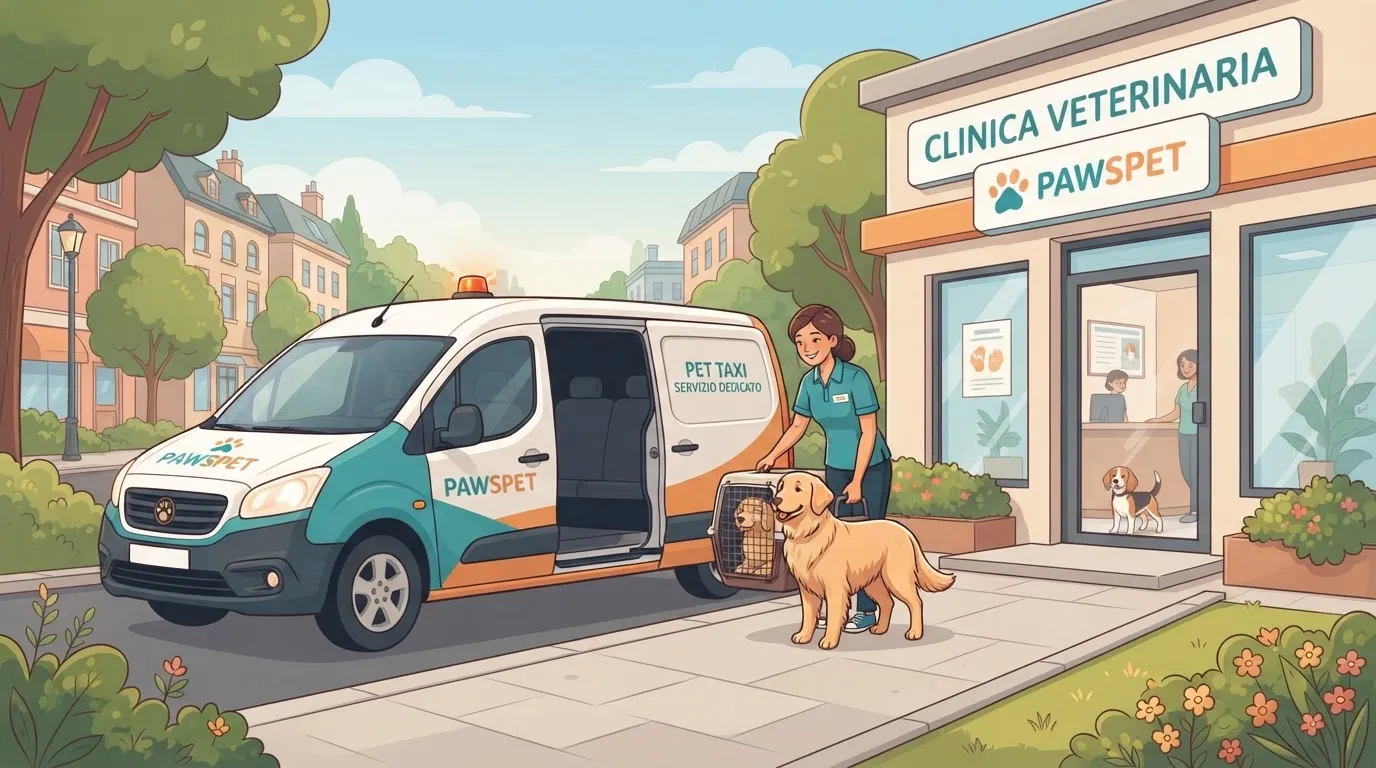
A pet taxi can make a veterinary appointment easier when you do not have a car, have difficulty getting around or need to manage complicated schedules. To arrange pet transportation to the vet properly, however, it is important to clarify in advance who will accompany the animal, how the return journey will take place and which information needs to be shared with the veterinary professional.
A well-planned service reduces stress for your dog or cat and ensures that the vet receives all the useful information about the animal’s situation.
When to choose a pet taxi for the vet
A pet taxi is an animal transportation service designed for safe journeys, including check-ups, vaccinations, tests and scheduled appointments. It can be particularly useful if:
- you cannot take time off work during the clinic’s opening hours;
- you do not drive or do not have a suitable vehicle for transporting your pet;
- your animal has mobility difficulties and needs more comfortable transportation;
- you need to take more than one animal or bring documents and medical materials;
- you need a pet taxi there and back, without having to arrange two separate journeys.
Before booking, check that the service is suitable for your pet’s species, size and needs. A cat that is not used to a carrier, for example, requires different care from an older dog that struggles to get into a car.
If the appointment concerns an emergency or your pet is showing significant symptoms, ask the vet or veterinary facility for advice first. They may recommend specific transportation arrangements or a faster way to manage the situation.
Pet taxi: how to prepare for the journey there and back
Preparation starts with the booking. Clearly provide the collection address, the clinic’s address, the appointment time and the estimated length of the visit. To avoid problems with transportation to the vet, also clarify whether the driver will wait during the appointment or return to collect you at the end.
Prepare a small bag with everything you may need:
- the pet’s health record and any available veterinary documentation;
- any reports, prescriptions or previous test results;
- the vet’s and facility’s contact details;
- a leash, correctly fitted harness or secure carrier;
- a blanket or towel with a familiar scent, if this helps your pet stay calm;
- water and waste bags, especially for longer journeys;
- written information about current treatments, known allergies or handling difficulties.
Do not change your pet’s diet, medication or routine before the appointment without veterinary advice. If your pet gets carsick or finds travel stressful, ask the clinic how to proceed. Do not give calming products on your own initiative.
The owner's presence and delegation to the accompanying person
Whenever possible, having the owner present is often the simplest option. You can speak directly with the vet, describe behaviours or symptoms observed at home and immediately understand the advice you receive.
In some cases, however, a pet taxi can take your animal to the vet without you. Before choosing this option, check with the veterinary facility whether it accepts animals accompanied by a designated person and which documents are required. For some procedures, consent, written authorization or a phone call with the owner may be necessary.
Leave clear, essential instructions:
- the animal’s name, age and relevant characteristics;
- the reason for the appointment and observations to report;
- your phone number, plus an alternative contact;
- authorizations or limits to be respected during the appointment;
- instructions for the return journey and access to your home, if applicable.
Do not ask the driver to make veterinary decisions that belong to you and the veterinarian. If tests or treatments that were not planned become necessary during the appointment, ask the facility to contact you directly.
After the appointment: returning home and care
The return journey is an integral part of a pet taxi service there and back. After an appointment, your pet may be tired, disoriented or more sensitive than usual, especially after tests, handling or procedures that require observation.
Once home, settle your dog or cat in a quiet environment and follow the vet’s instructions. Make sure fresh water is available and limit strenuous activity if precautions have been recommended. Keep reports, receipts and reminders for any follow-up appointments.
To avoid missing appointments, follow-ups or treatment deadlines, you can record visits and documents in PawsPet’s health management feature and set useful reminders. If you are looking for a transportation professional, the marketplace can help you assess pet services that match your needs.
FAQ about pet transportation to the vet
Can a pet taxi take my animal to the vet without me?
It depends on the clinic’s rules and the type of appointment. Contact the facility in advance, arrange written authorization if required and leave complete contact details, health records and instructions.
Is a carrier necessary even for a short journey?
For cats, it is generally the safest option. For dogs, the appropriate method depends on their size, habits and the vehicle’s features. Ask the service which safety equipment it uses.
What should I do if the vet prescribes treatment during the appointment?
Ask the clinic to communicate the diagnosis, instructions and administration details directly to you. If you have questions about medication or symptoms, always consult the veterinarian.
Arranging transportation in advance makes the appointment more manageable for everyone. With PawsPet, you can keep health records, appointments and useful contacts organized for your pet’s everyday care.