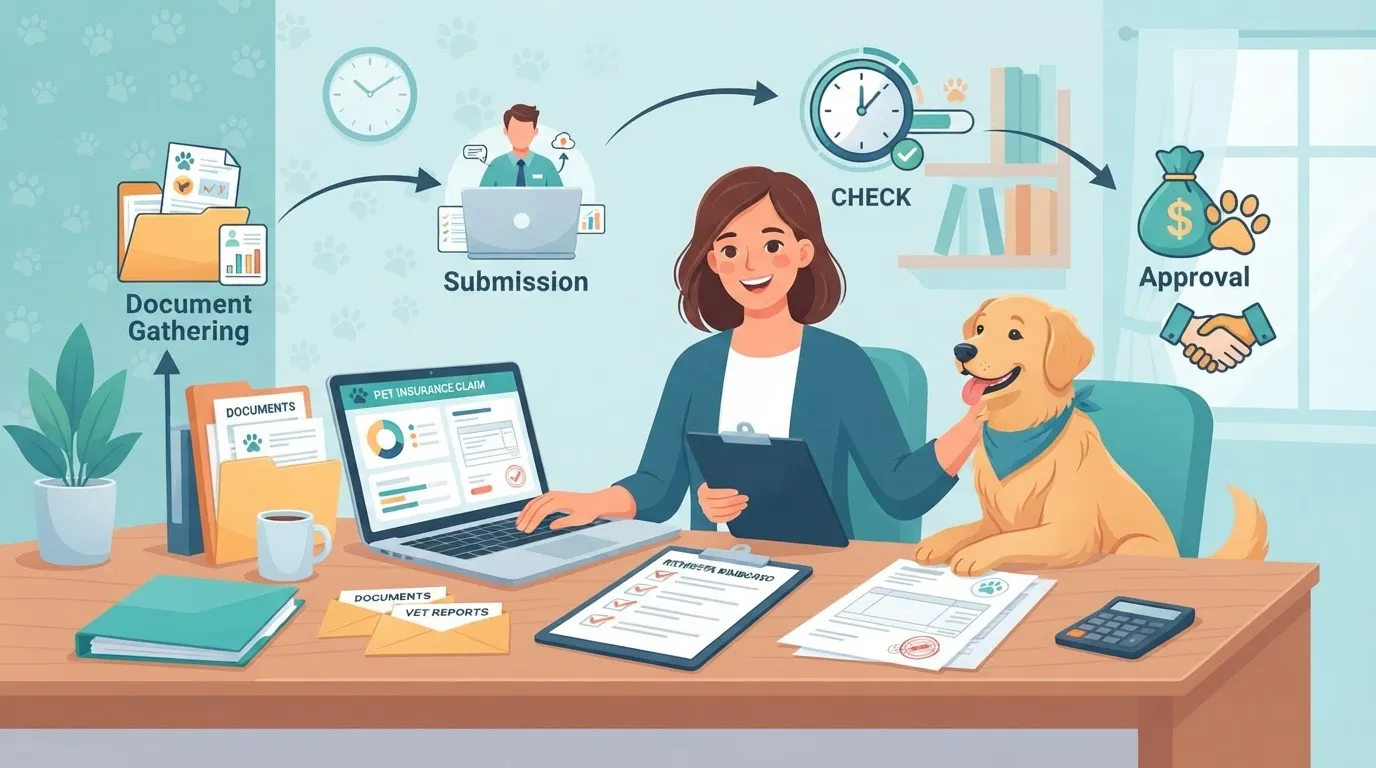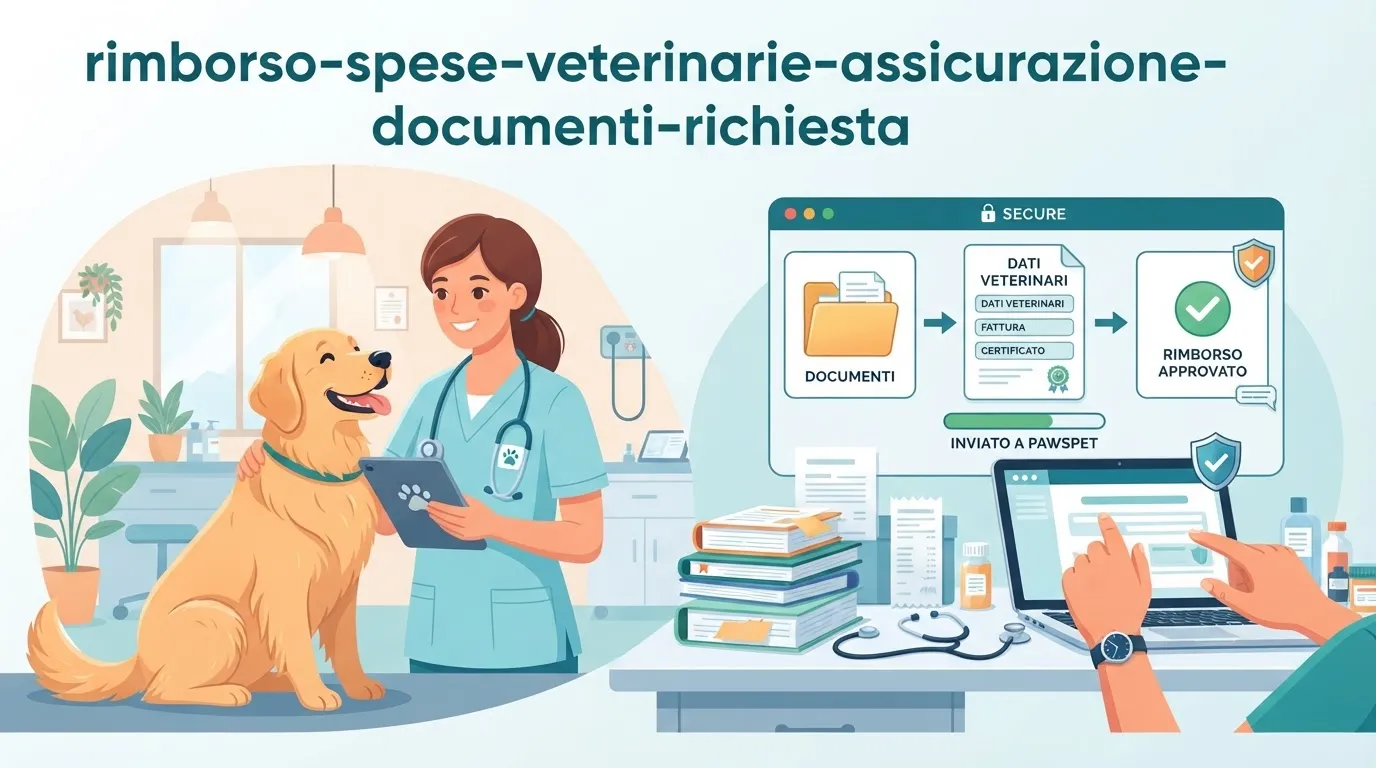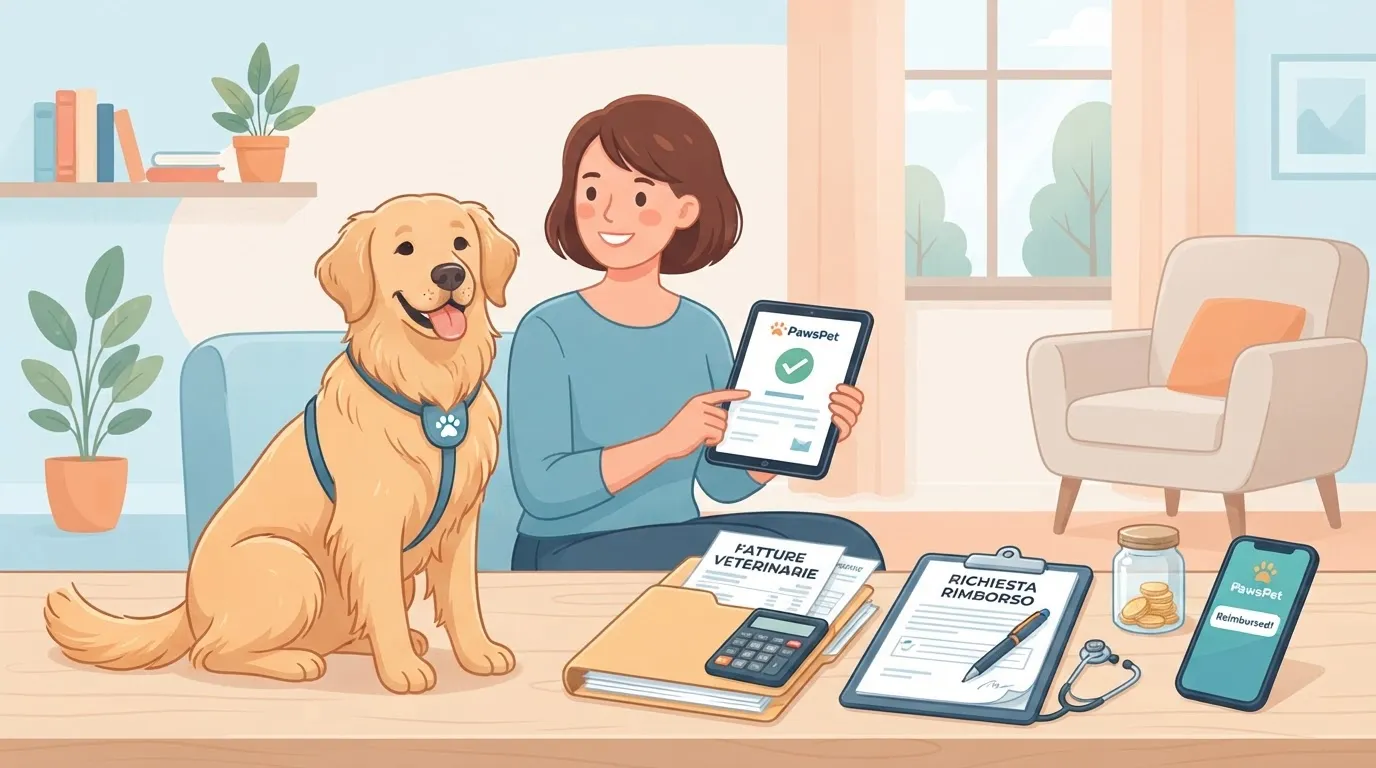
When you face an unexpected veterinary expense, knowing how to submit your claim correctly can help prevent delays, requests for additional documents or partial reimbursement. Pet insurance reimbursement depends on the terms of your policy, but keeping your documents organised and meeting deadlines can make the process much simpler.
First: check what your pet insurance covers
Not all pet insurance policies reimburse the same services. Before submitting a veterinary expense reimbursement request, read your policy information documents and contractual terms.
In particular, check:
- Active coverages: these may include accidents, illnesses, surgery, diagnostic tests, hospital stays or third-party liability.
- Exclusions: some pre-existing conditions, preventive care, non-urgent treatments or specific illnesses may not be covered.
- Waiting period: this is the initial period during which some coverages may not yet be active.
- Excess and co-payment: the excess is the amount you must pay yourself; a co-payment is a percentage of the expense that the insurer may not reimburse.
- Coverage limit: this indicates the maximum amount reimbursable during the period specified in the contract.
- Pet insurance claim deadline: each insurer may set a different timeframe for reporting an event.
If a clause is unclear, ask the insurer, insurance intermediary or a qualified professional for a written explanation. Do not assume that a visit or treatment is covered simply because it is connected to a health problem.
Documents needed for veterinary expense reimbursement
Complete documentation is the foundation of an effective claim. Keep the original documents at least until the claim is closed and, whenever possible, create clear digital copies.
The main pet insurance documents often requested include:
- completed claim or reimbursement request form;
- policy number and policyholder details;
- veterinary certificate, report or medical record relating to the event;
- diagnosis or description of the problem, if available;
- detailed, paid veterinary invoices;
- payment receipts, especially when the invoice and payment records are separate;
- prescriptions, laboratory reports, X-rays or other tests performed;
- identity document and bank details for the payment;
- any documentation relating to the animal’s microchip or identification.
For dog insurance claim documents, as well as documents for cats or other insured animals, check that the animal’s name and the date of the service match the information in the policy. An invoice that lacks sufficient detail may slow down the assessment process: ask the veterinary practice to clearly specify the services provided.
How to submit a pet insurance claim without mistakes
After the visit or treatment, do not wait unnecessarily. Use the channel specified by the insurer: customer area, app, certified email, online form or another method provided for in the contract.
Before submitting your claim, use this checklist:
- Check the claim deadline stated in the policy.
- Complete every field on the form, avoiding unclear abbreviations.
- Attach clear, complete files with descriptive names.
- Add a brief timeline: date of the event, visit, tests and treatments provided.
- Keep the submission receipt, claim number and every communication you receive.
- Reply promptly if the insurer requests additional documents.
Do not alter clinical documents or invoices. If you are unsure about an expense item, it is better to declare it and ask for clarification than to leave it out. The insurer will assess whether the expense is eligible for reimbursement according to the terms you accepted.
Pet policy reimbursement times: what to expect
Pet policy reimbursement times can vary depending on whether the claim is complete, the complexity of the case and the insurer’s internal procedures. There is no timeframe that applies to every policy: the correct reference is the contract and any communication you receive after the claim is opened.
To monitor your claim effectively:
- note the submission date and claim number;
- check the customer area or the insurer’s messages regularly;
- send any additional documents by the requested deadline;
- ask for an update if the timeframe provided by the insurer has passed;
- keep all documentation until the payment has been received and the claim has been finalised.
Organising invoices, reports and reminders from the first day can also support your pet’s everyday health management. With PawsPet, you can keep health information and deadlines organised, making it easier to find the details you need when preparing an insurance claim.
FAQ about pet insurance reimbursement
Can I request reimbursement if I paid the vet in cash?
Generally, yes, if the policy covers the service and you can provide a paid invoice or receipt. However, check what proof of payment your insurer requires.
Is a veterinary certificate always required?
It is often required, especially for illnesses, accidents, diagnostic tests and hospital stays. The document should be complete and consistent with the veterinary invoices submitted.
Will my claim be rejected if a document is missing?
Not necessarily. The insurer may request additional documentation, but the procedure and outcome depend on the policy. Send the requested document as soon as possible and keep proof that it was submitted.