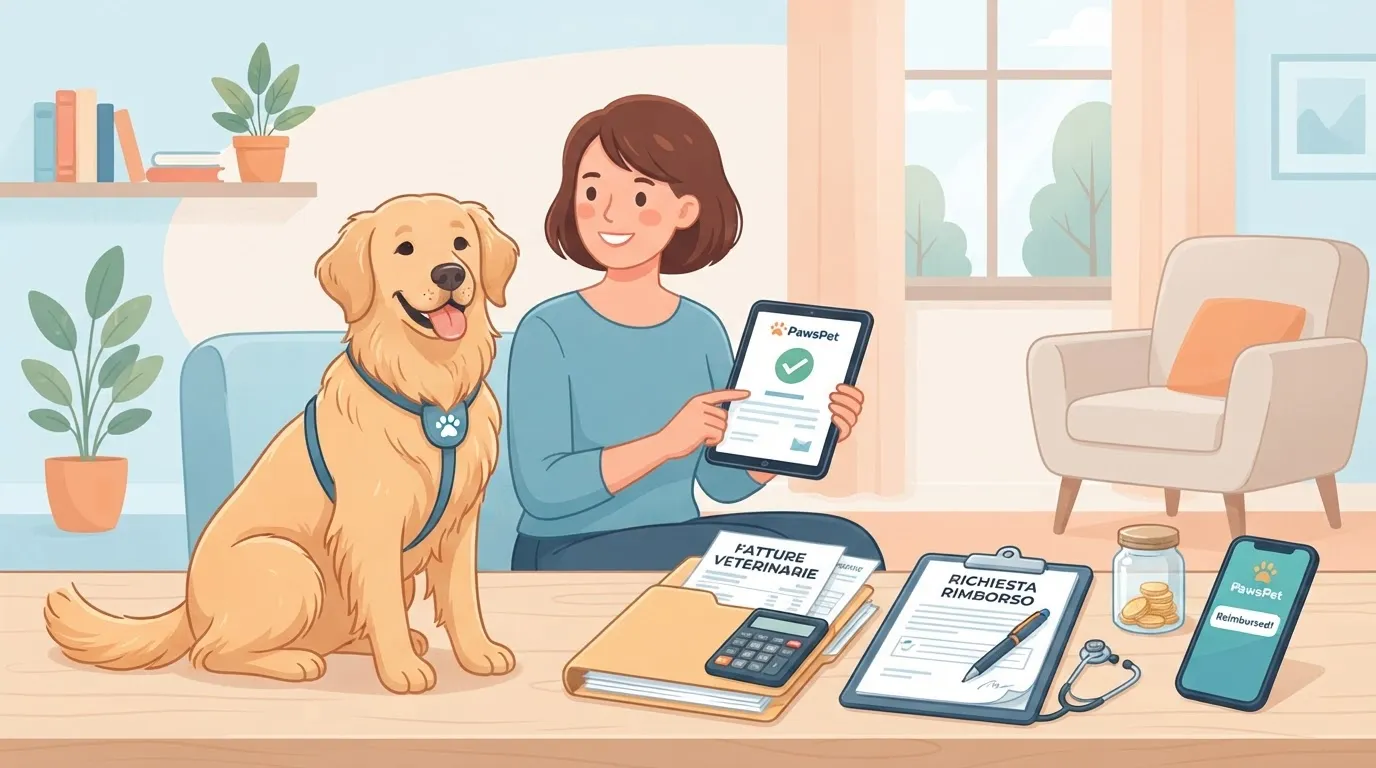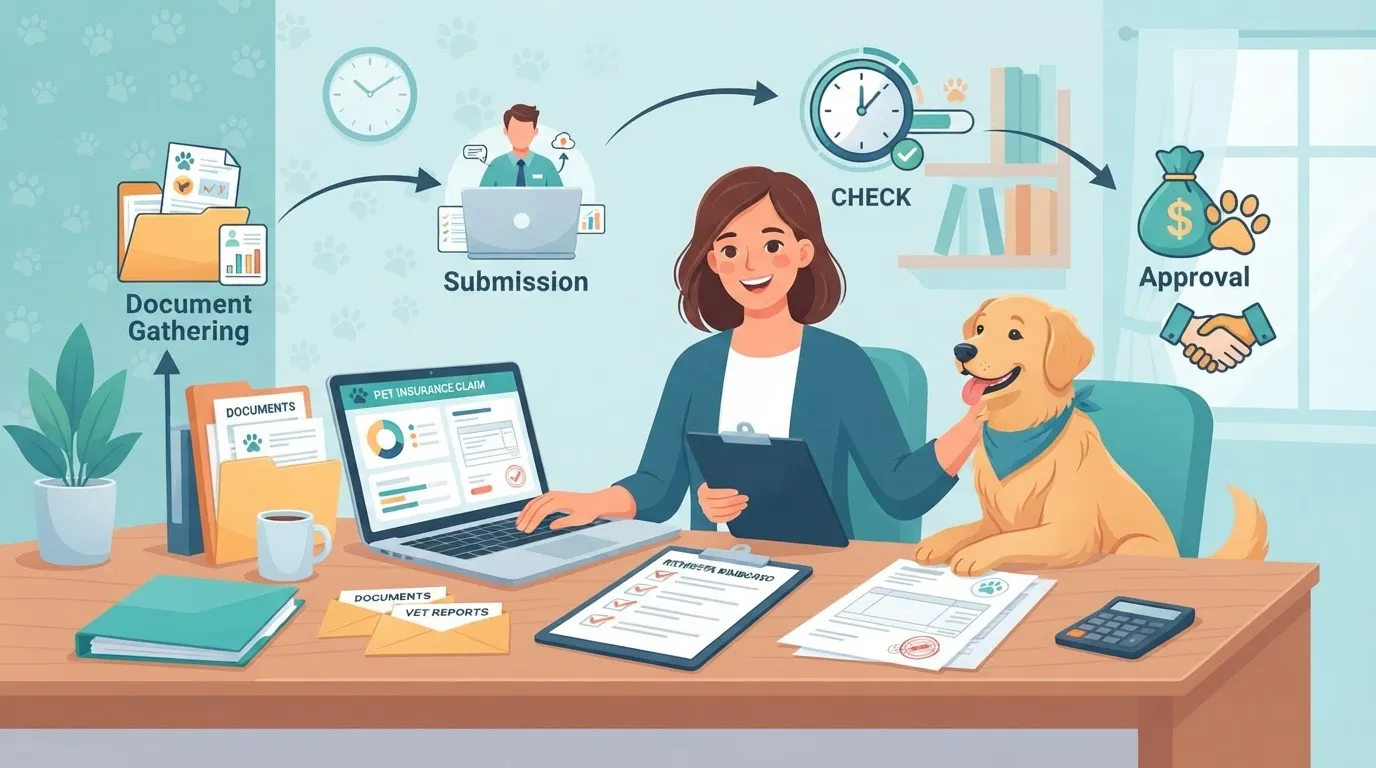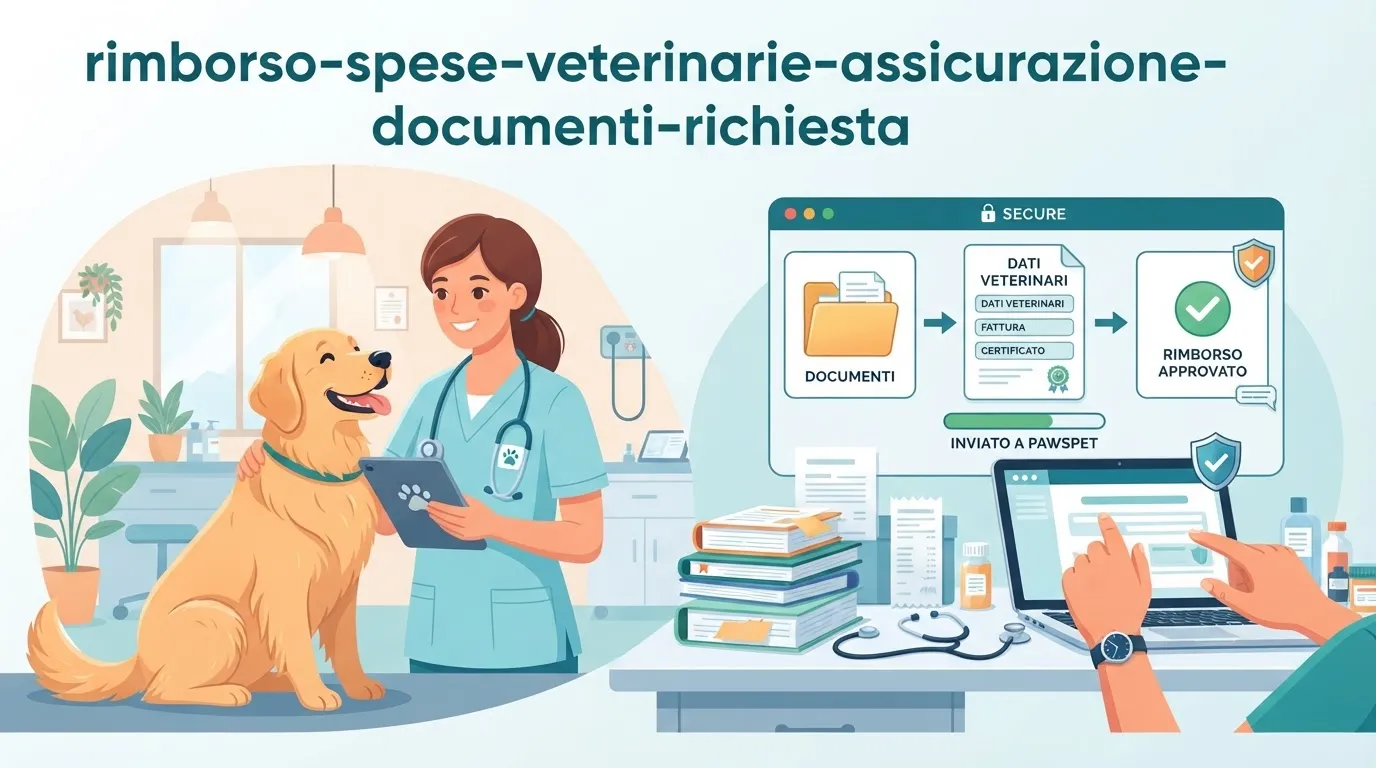
Veterinary expense reimbursement can be easier when you collect the right documents from the time of the visit and follow the procedures required by your policy. Incomplete invoices, forms submitted after the deadline, or unclear information are among the most common causes of delays when filing an insurance claim.
Every policy has specific conditions. Before submitting a claim, always check the included coverage, deductibles, co-insurance, limits, and any exclusions.
Check what the policy covers before filing a claim
A pet insurance reimbursement claim should concern an expense that is actually covered by the policy. Coverage may distinguish, for example, between accidents, illness, surgery, diagnostic tests, hospital stays, or third-party liability. Preventive visits, vaccinations, ongoing treatments, and pre-existing conditions may also be subject to different rules or may not be covered.
Before filing a pet insurance claim, check in particular:
- the date coverage begins and any waiting period;
- the maximum amount reimbursed per year or for each event;
- whether there is a fixed deductible or percentage co-insurance;
- the deadlines for reporting the claim and submitting documentation;
- exclusions related to known conditions, unauthorized treatment, or specific services;
- the procedure specified by the insurer: customer portal, app, email, paper form, or insurance intermediary.
If any step is unclear, ask the customer service team or your insurance intermediary for written confirmation. Avoid relying only on general information found online: the policy terms always take precedence.
Veterinary reimbursement documents: what to prepare
A complete claim allows the insurer to assess it more quickly. Keep the originals and send clear copies, preferably organized by date and service.
Veterinary reimbursement documents may generally include:
- a completed and signed claim or reimbursement form;
- policy number and policyholder details;
- an invoice or receipt from the veterinarian, listing services and amounts in detail;
- proof of payment, if requested by the insurer;
- medical records, the examination report, or a veterinary certificate;
- test results, X-rays, ultrasounds, or laboratory analyses, when relevant;
- prescriptions and documents relating to medication or treatment;
- bank details for receiving the reimbursement;
- any additional documentation requested during the assessment.
For an invoice to be useful for the claim, it should clearly link the service to the insured animal. If the description is too general, ask the veterinary practice whether it can provide an additional statement or report clarifying the nature of the visit.
How to submit the claim without errors
Complete the pet insurance reimbursement claim accurately and without leaving out relevant information. State the dates, circumstances of the event, observed symptoms, and services provided in a concise way that is consistent with the clinical documentation. Do not try to interpret a diagnosis or alter the facts: the treating veterinarian is the reference for medical details.
Before submitting, follow this checklist:
- Compare invoices, reports, and the form to ensure that the dates and the animal’s details match.
- Name files clearly, for example by including the date and document type.
- Send only sharp, complete scans, including the reverse side of pages if it contains useful information.
- Keep the submission receipt, claim number, and every communication you receive.
- Respond promptly to any requests from the insurer for additional documents.
If the situation is urgent, focus first on the animal’s health and follow the veterinarian’s instructions. Administrative matters can be completed as soon as possible, within the time limits set by the policy.
Pet insurance reimbursement times: how to monitor them
Pet insurance reimbursement times depend on the insurer, the completeness of the claim, and whether further assessment is needed. A well-organized claim reduces the risk of interruptions, but it cannot predict the same processing date for every case.
Check the claim status regularly through the customer portal or the channel specified by the insurer. If you receive a request for clarification, reply with exactly what has been requested. In the event of partial reimbursement or a denial, read the explanation and compare it with the policy terms: the decision may be related to a deductible, coverage limit, exclusion, or insufficient documentation.
Keeping veterinary invoices, medical reports, and deadline reminders organized helps avoid last-minute rushing. With PawsPet, you can organize your pet’s health information and set useful reminders for appointments, documents, and insurance renewals.
FAQ about veterinary expense reimbursement
Can I request reimbursement without a veterinary invoice?
Usually not: the invoice or official receipt is the main document used to prove the expense. However, check your policy to see which alternative or supplementary documents are accepted.
Do I have to send the original documents?
Readable digital copies are often sufficient, but procedures may vary. Always keep the originals until the claim is closed and the reimbursement has been credited.
What should I do if the insurer asks for additional medical reports?
Send the requested documents by the stated deadline and keep a record of the communication. If you have questions about the clinical content, ask the veterinarian who treated your pet for support.