Pet insurance reimbursement can make veterinary expenses easier to manage, but only if you submit the claim according to the procedure and deadlines set out in your policy. Incomplete invoices, missing documents, or a late claim are among the most common causes of delays.
Preparing an organized claim helps you check what is eligible for reimbursement and makes communication with the insurance company simpler.
Before filing: check what your policy covers
Every pet insurance policy has specific terms: paying a veterinary bill does not automatically mean that the expense is covered. Before submitting your claim, review the policy information and contractual terms, paying particular attention to:
- included benefits, such as accidents, illnesses, surgical procedures, or third-party liability;
- exclusions, such as pre-existing conditions, preventive care, or waiting periods;
- deductibles, co-insurance, and annual or per-incident limits;
- limits relating to consultations, diagnostic tests, medication, or hospitalization;
- deadlines for filing a pet insurance claim;
- approved channels for submitting documentation.
If anything is unclear, contact the insurance company or a licensed intermediary before proceeding. Checking in advance helps you avoid expecting veterinary expense reimbursement for services that are not covered.
Pet insurance claim documents: what to prepare
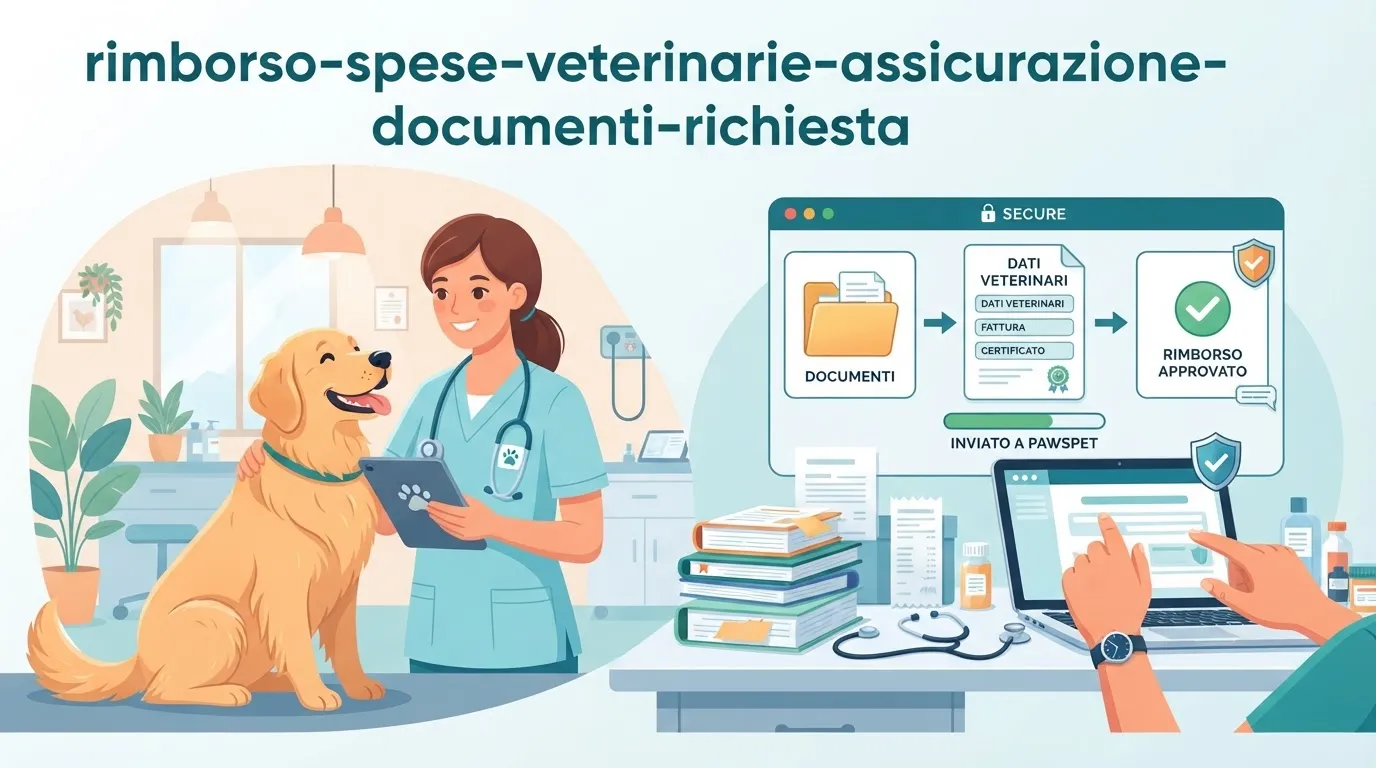
Accurate pet insurance claim documents are essential. The insurance company may request different forms depending on the event, but some attachments are generally useful for assessing the claim.
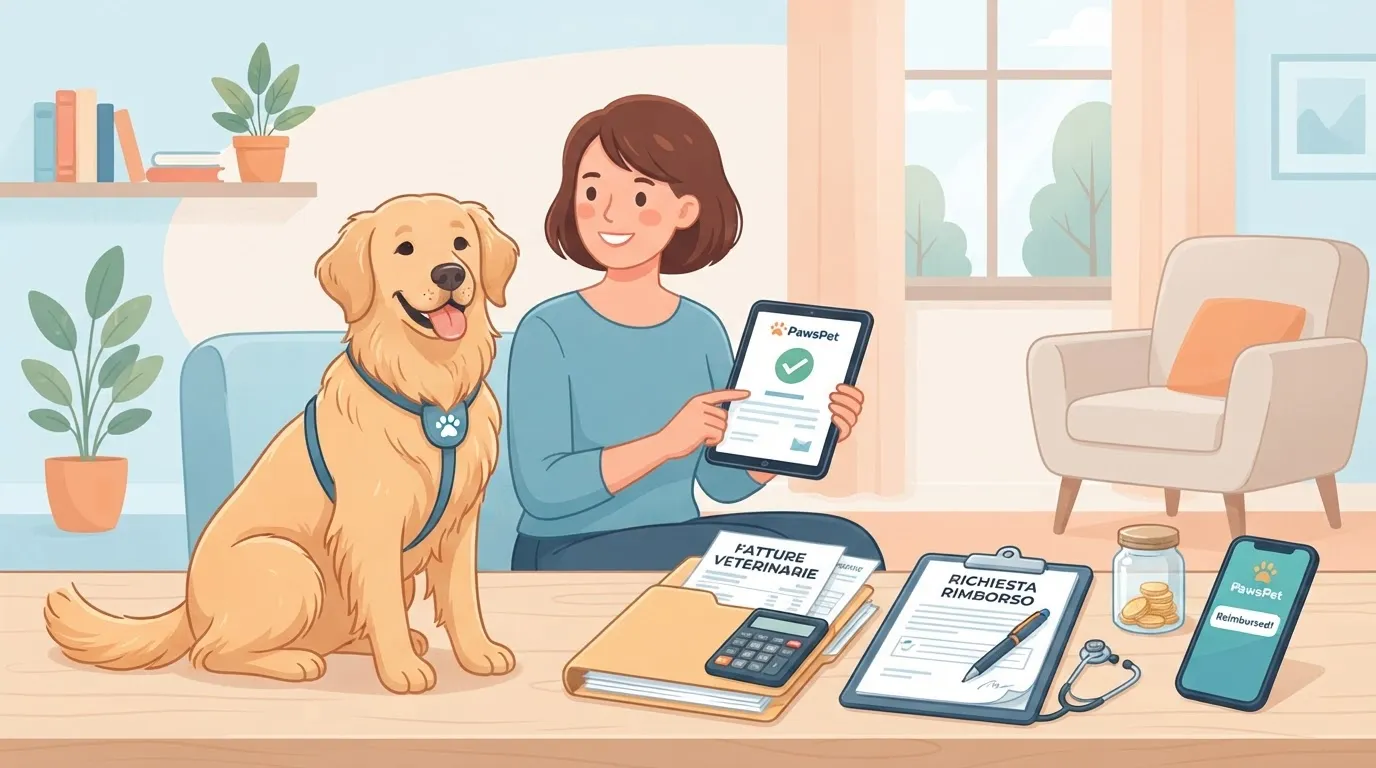
Prepare a digital or paper folder containing:
- a fully completed claim or reimbursement form;
- the policy number and policyholder’s details;
- clear, complete veterinary invoices showing the date, service, and amount;
- payment receipts, when requested;
- a clinical report, veterinary record, or certificate from the veterinarian;
- prescriptions, test results, and documentation relating to hospitalization or surgery;
- any evidence of what happened, especially in cases involving accidents or damage to third parties;
- bank details for payment, if required by the procedure.
Always keep the original veterinary invoices and send copies only when the insurance company instructs you to do so. Avoid blurry photos, cropped documents, and files without clear names: rename attachments using the date, document type, and pet’s name.
How to file a veterinary reimbursement claim without mistakes
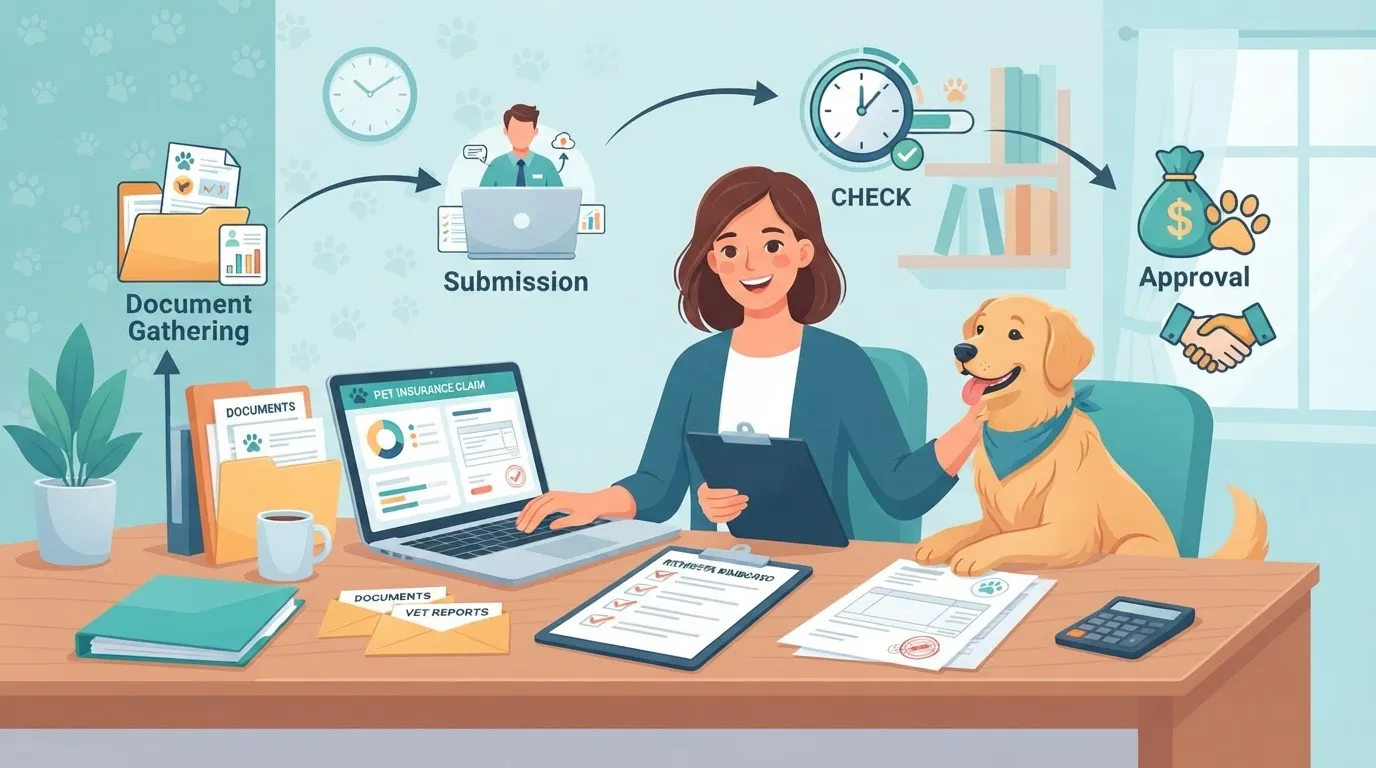
A veterinary reimbursement claim may be submitted through a customer portal, app, email, post, or an agency, depending on the contract. Use only the channel specified by the insurance company and keep proof that the claim was submitted.
Before sending the claim, follow this checklist:
- Check that the pet’s details match those listed on the policy.
- Make sure the visit dates, the veterinarian’s reported diagnosis, and the invoices are consistent.
- Complete the form without unclear abbreviations and do not leave mandatory fields blank.
- Attach all required documents in a single submission, whenever possible.
- Save receipts, reference numbers, and communications you receive.
- Note the date the claim was opened and any claim reference number.
Do not alter medical reports or invoices, and do not reconstruct missing information yourself. If the veterinary documentation is incomplete, ask the practice that provided the service whether it can issue a correct supplement.
Veterinary expense reimbursement timelines: what can affect them
Veterinary expense reimbursement timelines depend on the policy terms and on whether the claim is complete. Some claims are reviewed quickly, while others require additional checks, especially when they involve hospitalization, high amounts, or complex clinical documentation.
Processing may take longer if:
- an attachment is missing or an invoice is unreadable;
- the insurance company requests clarification from the policyholder or veterinarian;
- waiting periods, exclusions, or declared conditions need to be assessed;
- covered and non-covered expenses must be separated;
- the claim was submitted close to the deadline or through the wrong channel.
If you do not receive updates, check the claim status through the designated channel and send any additional documents within the stated deadline. Keep a record of expenses and due dates: with PawsPet, you can store your pet’s health information and set useful reminders for renewals, appointments, and documents you need to obtain.
Pet insurance reimbursement FAQ
Can I request reimbursement without the veterinary invoice?
The invoice is usually an essential document. If you have lost it, ask the veterinary practice whether it can provide a copy or equivalent document, then check with the insurance company whether it will be accepted.
How long do I have to file a claim?
The deadline depends on the insurance contract and may vary according to the coverage involved. Check the policy terms as soon as possible and file the claim once you have the essential documents available.
Can the insurance company request more documents after I submit the claim?
Yes. It may request clarification, additional medical reports, or proof of payment to complete its assessment. Responding accurately and promptly can help prevent further delays.
A well-documented claim starts with good organization: keep invoices, medical reports, and communications from the first visit onward. With PawsPet, you can keep your pet’s health history organized and receive useful reminders so you do not miss important deadlines.