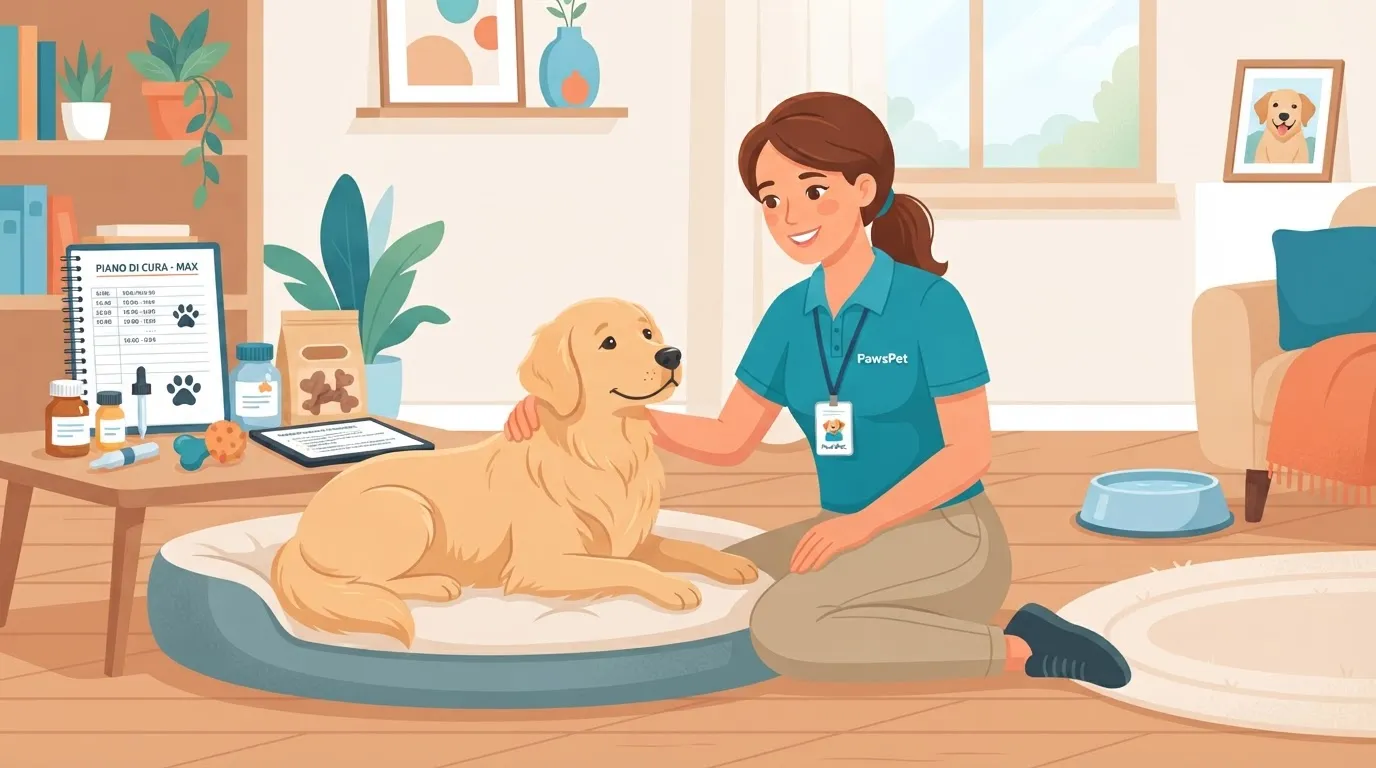
Finding a pet sitter for an animal undergoing treatment requires more care than ordinary daily management. Whether the animal is a dog or a cat, the priority is to maintain the routines prescribed by the veterinarian, without improvisation or unclear responsibilities.
Well-organized care starts with choosing the right person and providing written, up-to-date instructions that are easy to follow. This allows the pet sitter to care for the animal confidently, while the owner always knows what has been done.
What skills to look for in a pet sitter for an animal undergoing treatment
A pet sitter does not replace a veterinarian and must not change a treatment plan. However, they can provide reliable support with routine care when they have relevant experience, follow instructions carefully, and recognize when it is necessary to contact the owner or veterinary clinic.
During the interview, ask specific questions about whether they have previously cared for animals with similar needs. For example, check whether they:
- have experience as a dog sitter for a dog undergoing treatment or as a cat sitter for a cat undergoing treatment;
- can follow schedules, feeding routines, and written instructions;
- are available to visit at the required times;
- can record activities, meals, any difficulties, and completed medication administrations;
- can follow the agreed contact plan if there are questions or changes;
- remain calm when handling fearful, elderly, or mobility-impaired animals.
Experience is important, but simply claiming to have it is not enough. Also assess the person’s precision, communication skills, and willingness to attend a preliminary meeting. A responsible professional will not promise to manage every situation and will ask for clarification before accepting the assignment.
Prepare a clear, up-to-date veterinary treatment plan
Medication instructions for a pet sitter should be prepared with the attending veterinarian, especially if the animal is following ongoing treatment or has a delicate condition. The document should be easy to consult and leave no room for personal interpretation.
Include:
- the animal’s name, relevant habits, and the owner’s contact details;
- the name and contact details of the veterinarian or veterinary facility;
- a list of medications, products, or treatments already prescribed;
- the times and methods specified by the veterinarian;
- any instructions concerning food, water, rest, walks, and activity;
- specific signs that require immediate notification of the owner or contact with the veterinarian;
- authorizations and decision-making limits agreed in advance.
Do not provide instructions only verbally or rely on memory. If the treatment changes, update the document immediately and inform the pet sitter before the next visit. Medications, packaging, and supplies should remain in their original containers, organized in a safe and easy-to-find location.
Organize handover, routines, and a medication administration log
Before your absence, schedule a practical trial visit with the pet sitter. This is useful for showing them where the bowls, carrier, leash, litter tray, necessary products, and medical documentation are located. It also allows you to observe how the animal reacts to their presence.
Prepare a daily checklist covering the essential activities:
- visit times and expected duration;
- meals, water, and toileting;
- brief notes on behavior and rest;
- treatment due according to the prescription;
- checking supplies;
- updating the owner with a message, photo, or brief note.
A medication administration log is particularly useful when caring for sick or chronically ill animals. It can include the date, time, activity completed, any notes, and the pet sitter’s initials. It is not a clinical document, but it helps maintain an organized record and avoid confusion between visits, people involved, or different days.
Decide what to do in case of unexpected situations
Even with careful planning, the animal may refuse food, struggle with its routine, behave unusually, or be unable to complete a planned activity. Agree on a proportionate procedure in advance so that the pet sitter does not have to make decisions without guidance.
Establish:
- when they must contact you immediately;
- which veterinarian to call and what information to provide;
- who can act as an emergency backup contact;
- where the carrier, documents, and equipment needed for transport are located;
- how any urgent expenses should be authorized, if necessary.
If the animal shows concerning signs, deterioration, or unexpected reactions, the pet sitter must not attempt independent solutions or change the instructions provided. They should contact a veterinarian promptly.
To coordinate profiles, requests, and communication with professionals in your area, the PawsPet marketplace can help you make a more informed choice.
FAQ
Can a pet sitter give medication to my animal?
They can handle the agreed activities only if they feel competent, accept the assignment, and receive clear instructions from the owner and veterinarian. They must not change dosages, times, or administration methods.
How do I choose a cat sitter for a cat undergoing treatment?
Look for someone precise, patient, and accustomed to following a cat’s routine. Arrange at least one meeting before your absence and check that they clearly understand the instructions, contact details, and procedure for unexpected situations.
How often should I update the plan given to the pet sitter?
Update it whenever the veterinarian changes the treatment, the animal’s habits change, or emergency contact details are modified. Even for short assignments, check that the plan is up to date before leaving.