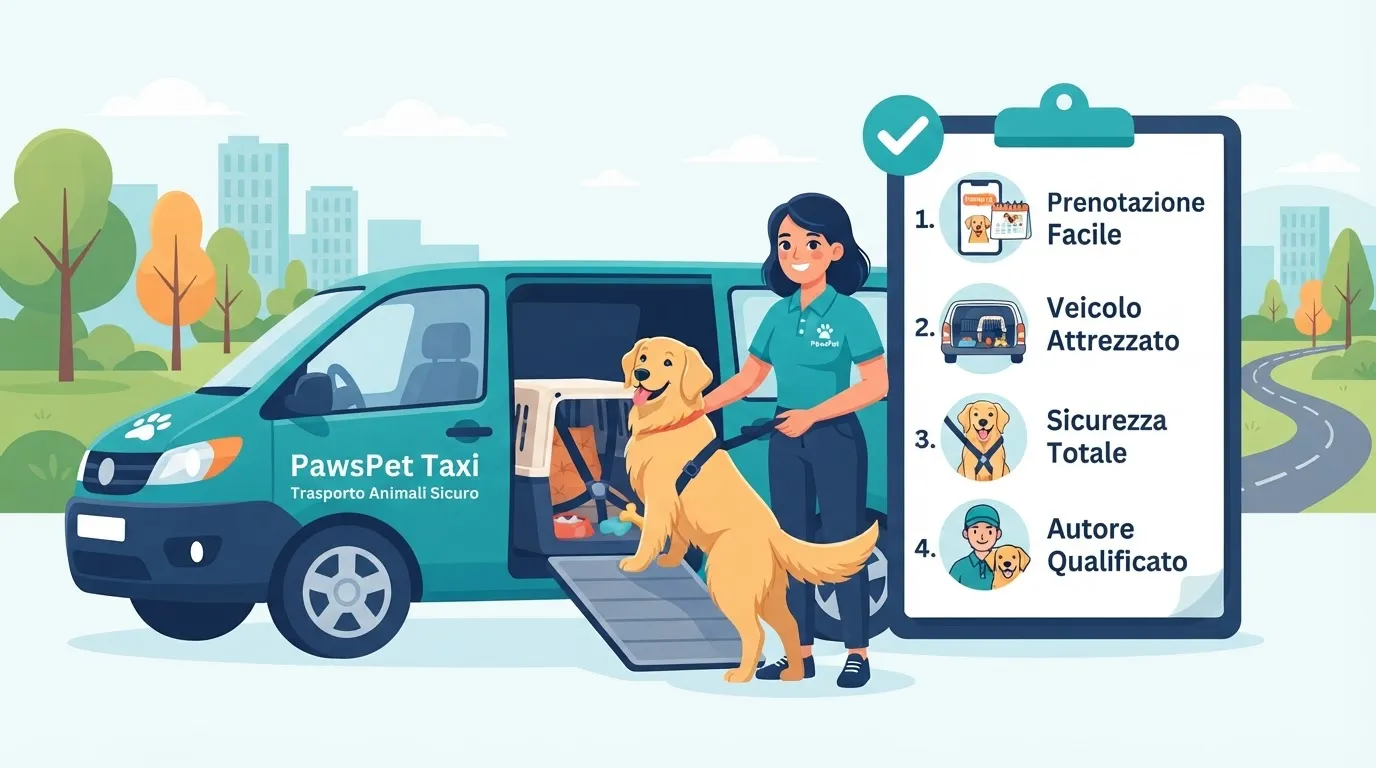
When you search for information about hundetaxi kosten, the point is not simply to find the lowest rate. You need to understand which service suits your dog, the route and your safety requirements. Dog taxi costs can vary depending on the option selected, the transport conditions and the services included.
Comparing private and shared transport before booking helps you avoid unexpected costs and organize veterinary visits, transfers, boarding stays or grooming appointments with greater peace of mind.
What affects dog taxi costs
Pet transport rates do not depend only on the number of miles travelled. Each professional or service may set different conditions, so it is important to request a detailed quote and check what it includes.
The factors most likely to affect dog taxi costs include:
- distance, estimated travel time and any waiting periods;
- service area, hard-to-reach locations or routes outside the usual area;
- private transport or shared pet transport;
- number of dogs, size, and the need for a carrier or restraint systems;
- assistance through handover, home pickup or support during the appointment;
- evening hours, public holidays or requests made at short notice;
- a return journey or multiple stops during the same trip.
Do not assume that a particular item is included. For example, waiting during an appointment or returning the dog to your home may be charged as separate services. Asking in advance prevents misunderstandings and allows you to compare genuinely equivalent offers.
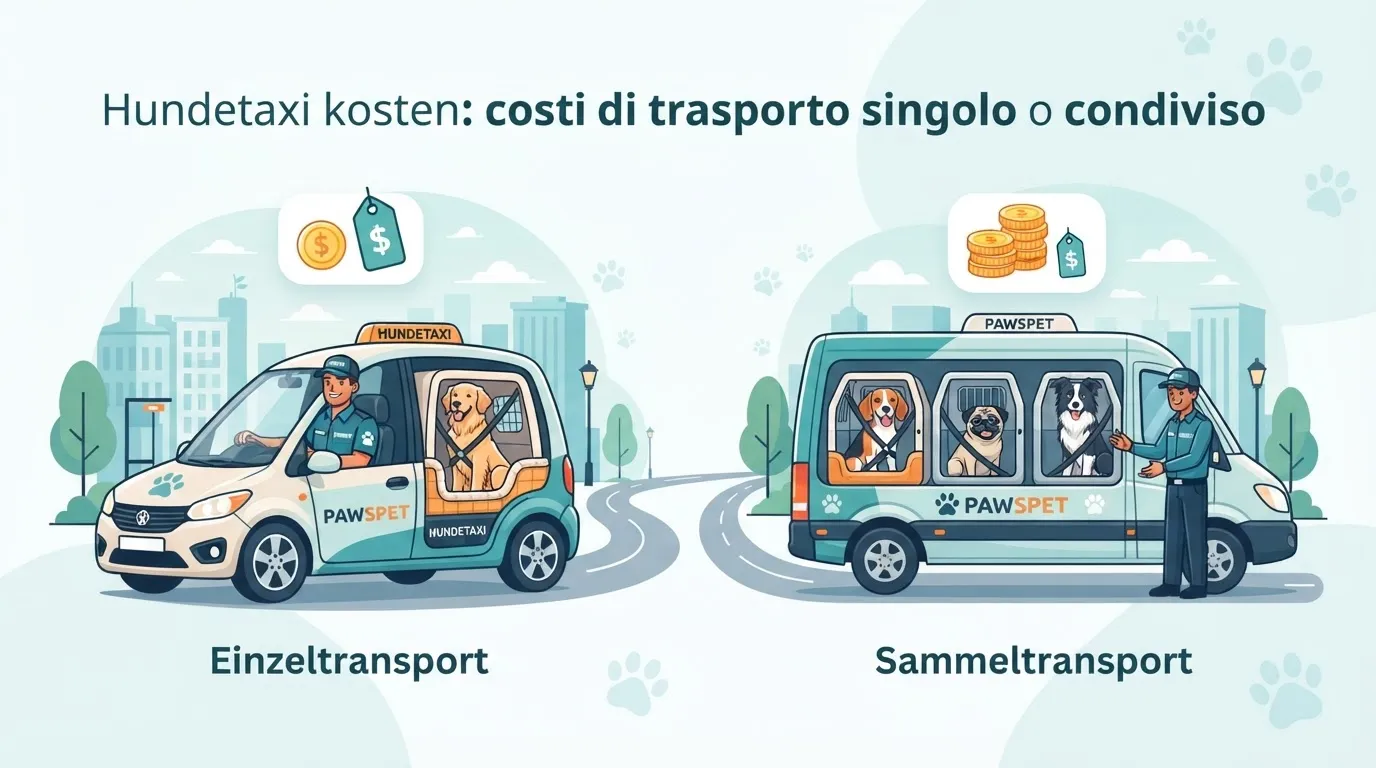
Private or shared dog transport: practical differences
Private or shared dog transport meets different needs. There is no option that is always better: the choice mainly depends on your dog’s temperament, schedule flexibility and the urgency of the journey.
Private transport
With dedicated transport, the vehicle is reserved for your dog or for dogs from the same household. It generally offers:
- more flexible scheduling;
- fewer stimuli and less contact with unfamiliar animals;
- a more direct route, with fewer stops;
- greater convenience for older, very fearful or difficult-to-manage dogs.
It may also be useful for veterinary appointments, provided the professional knows the dog’s circumstances in advance and confirms that the service can be provided safely. Dedicated transport tends to cost more because the vehicle and the operator’s time are not shared.
Shared transport
With shared pet transport, several bookings may be organized along the same route. This option can make rates for transporting multiple dogs more accessible, but it requires greater flexibility.
Before choosing this option, check:
- how many stops are planned;
- how long the dog might remain on board;
- how the animals are separated and restrained;
- whether dogs from different households are accepted;
- what health or behavioural information is requested;
- what happens in the event of a delay, cancellation or route change.
A sociable dog may adapt well to a properly organized shared journey. If your dog struggles in the car, reacts to other animals or needs frequent breaks, discuss this openly with the transporter and consider a dedicated service.
How to request a quote without surprises
To make a useful comparison between services, always send the same information to each operator. A precise request reduces the risk of later additions and allows the professional to assess the transport correctly.
Include at least:
- pickup address and destination, including any floors, lift access or difficulties reaching the property;
- date, time window and flexibility around the schedule;
- number of dogs, size and carrier requirements;
- travel-related habits, such as car anxiety, nausea or reactivity;
- one-way trip, return trip, waiting time or handover to a third party;
- contact details for the veterinarian, boarding facility or person receiving the dog, if necessary.
Then ask whether the quote includes fuel, waiting time, tolls, possible surcharges and cancellation terms. It is also useful to know which safety equipment is used and whether the vehicle is suitable for transporting the animal.
Safety and preparation before departure
Preparing your dog makes the journey easier, whether the taxi is private or shared. Avoid introducing sudden changes shortly before departure and honestly communicate any relevant behaviour.
Give the transporter or bring with you:
- lead, properly adjusted harness and any necessary documents;
- a blanket or familiar item, if it helps your dog stay calm;
- essential instructions about routine, sensitivities and emergency contacts;
- any veterinary guidance already received.
Do not give medication or sedatives on your own initiative to manage the journey. If your dog shows severe distress in the car, ask your veterinarian for advice before booking the service.
FAQ about dog taxi costs
Does shared transport always cost less?
Not necessarily. It may be more affordable because the route is shared, but this depends on the journey, timing, stops and service conditions. Compare the final cost, not just the initial rate.
Can I transport several dogs from the same household?
Often, yes, but you need to mention this when requesting the service. The cost may change depending on the space required, restraint systems and the individual needs of the animals.
What should I do if my dog becomes anxious during the journey?
Tell the transporter before booking and describe your dog’s reactions. For serious or persistent difficulties, consult your veterinarian or a qualified behaviour professional.
On PawsPet, you can use the marketplace to search for pet services in your area, compare the available options and organize your dog’s needs more clearly.