When searching for assurance chien rc, the goal is usually to protect yourself from the financial consequences of damage caused by your dog to another person, animal or property. Dog third-party liability insurance can be useful in everyday life, but the actual protection always depends on the policy terms and on how the claim is handled.
Before taking out cover, or if an incident has already occurred, it is worth knowing which checks to carry out and which documents to prepare.
What dog third-party liability insurance may cover
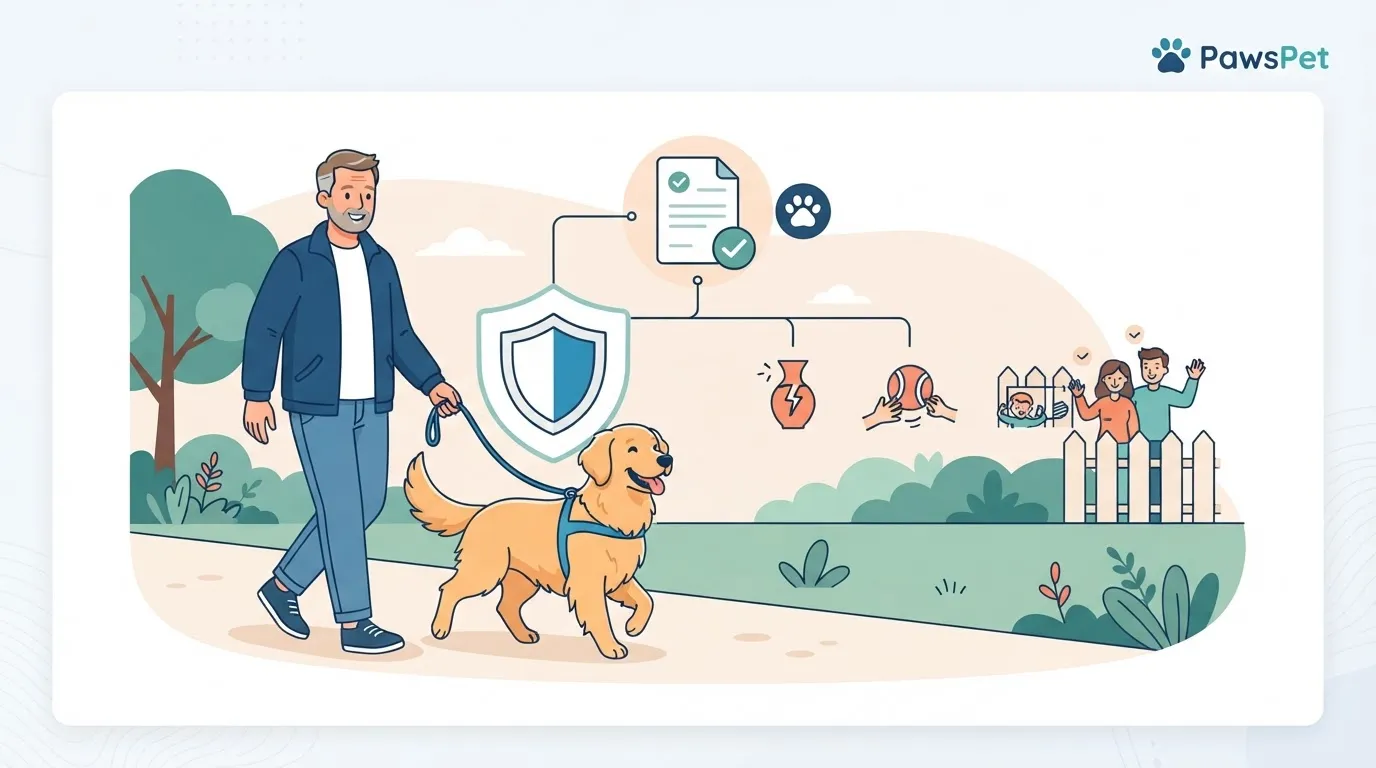
Dog third-party liability insurance is designed to cover damage unintentionally caused by the animal to third parties. In general, a policy may respond to compensation claims related to:
- injuries to a person, for example following a fall or a bite;
- damage to objects, vehicles, furniture or other property;
- damage caused to other animals;
- legal expenses covered by the contract, within the stated limits;
- damage occurring during walks, visits or stays in permitted places.
However, simply seeing the words “dog liability insurance” is not enough: policy limits, deductibles, excesses and geographical scope can vary considerably between plans. The policy limit is the maximum amount the insurer may pay; the deductible or excess is the portion that may remain payable by the policyholder.
Also check whether cover is included in household third-party liability insurance or whether it requires a specific extension for the animal.
Dog liability exclusions: what to check before taking out a policy
Dog liability exclusions are among the most important aspects to compare. There is no identical list for every insurer, so read the policy information carefully and ask for written clarification when a clause is unclear.
Situations that may be excluded or subject to limits often include:
- damage intentionally caused by the owner or by the person looking after the dog;
- events occurring during professional, sporting or training activities not included in the policy;
- damage suffered by people living in the same household or by individuals listed as insured persons;
- failure to comply with custody, leash, muzzle or other rules applicable at the place of the event;
- specific conditions relating to the animal’s age, use or characteristics;
- claims arising outside the geographical area covered.
Also ask whether damage is covered when the dog is temporarily entrusted to a pet sitter, family member or trainer. If other people often look after your animal, checking this point can prevent misunderstandings when clear information is most needed.
What to do immediately after damage to a third party
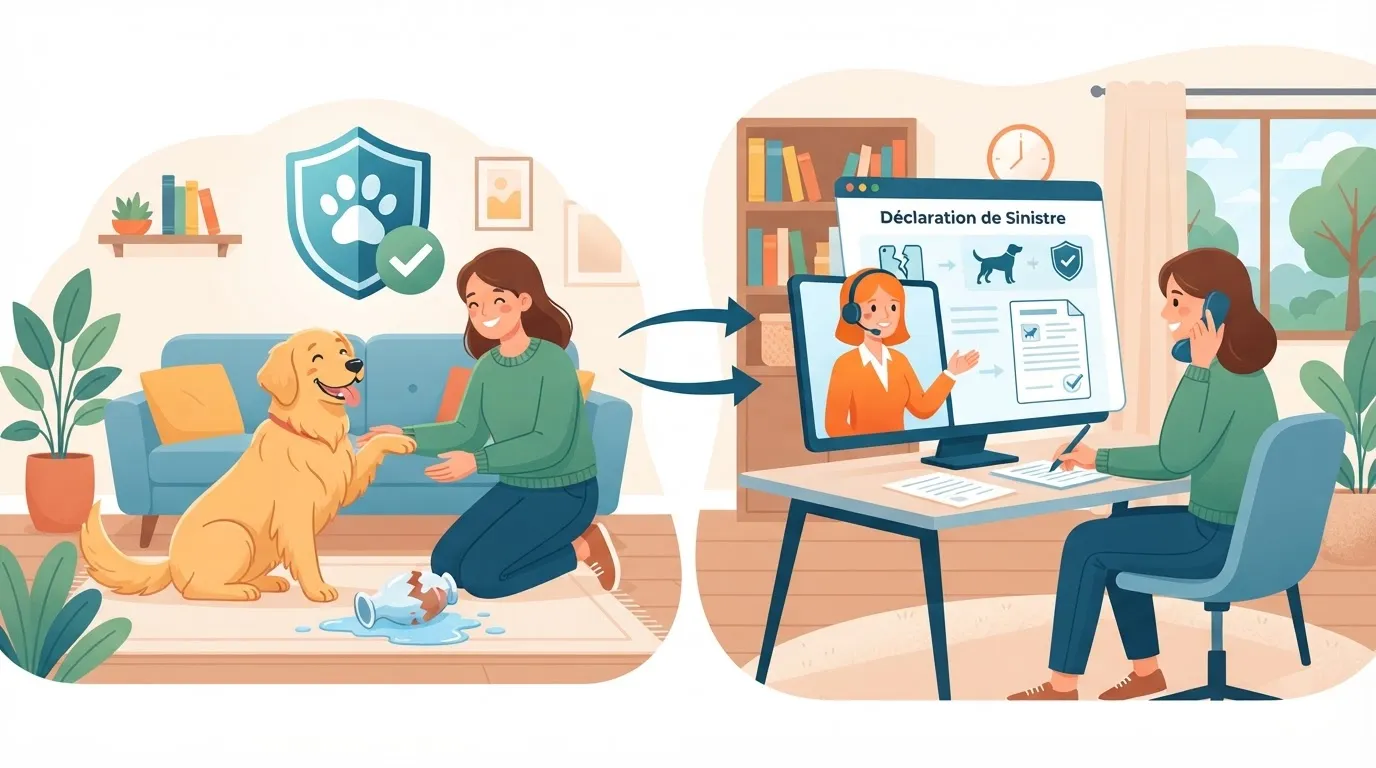
In the event of an incident, the priority is to keep all people and animals involved safe. If anyone is injured, promptly contact emergency services or an appropriate healthcare or veterinary professional, depending on the circumstances.
Then calmly collect information without assigning blame at the scene. You can follow this checklist:
- Note the date, time and location of the incident.
- Record the names and contact details of the people involved and any witnesses.
- Take photographs of the surroundings and visible damage, if it is safe to do so.
- Keep messages, receipts, estimates and any medical or veterinary documentation provided.
- Do not repair or replace damaged property before checking the insurer’s instructions, unless there is a documented emergency.
- Notify the insurer within the time limits and using the methods specified in the contract.
An accurate account of events is more useful than assumptions. Report what you observed, including the dog’s position, the conditions at the location and the actions taken immediately afterwards.
Dog insurance claim report: documents and steps
A dog insurance claim report should be submitted through the channels specified by the insurer: an online customer area, a form, certified email or another required method. Do not wait until the compensation request becomes complicated: report the event even if the extent of the damage has not yet been established.
The following are usually useful:
- policy number and policyholder details;
- a concise chronological description of the event;
- details of the injured or affected party and witnesses;
- photographs and official reports, if available;
- compensation requests received;
- estimates, invoices or certificates relating to the damage;
- any communications from authorities, healthcare providers or veterinarians.
Keep a copy of everything you send and note the date on which the claim was reported. Avoid final financial settlements or formal admissions of liability before consulting the insurer or, if necessary, a qualified professional.
FAQ
Does dog liability insurance cover damage caused during a walk?
It may, if walking is included among the situations covered by the contract. Check exclusions, supervision requirements and whether the cover applies away from home.
Can I report a claim if I do not yet know the amount of the damage?
Yes. It is generally advisable to report the event promptly and provide additional estimates, invoices or other requested documents later.
Is dog third-party liability insurance compulsory?
Requirements may vary depending on the circumstances and the applicable rules. To understand which regulations apply to your situation, check with official sources or qualified professionals.
Keeping your dog’s details, insurance documents and renewal reminders organised makes it easier to respond calmly if something unexpected happens. With PawsPet, you can centralise essential information about your pet and organise useful reminders for everyday care.