When people search for “dog liability insurance,” they usually want to know whether third-party liability cover really protects the owner when their dog causes harm to another person, animal or property. The answer depends on the policy, its terms and the circumstances of the event, so reading the cover details before taking out insurance is essential.
What is third-party liability for dogs?
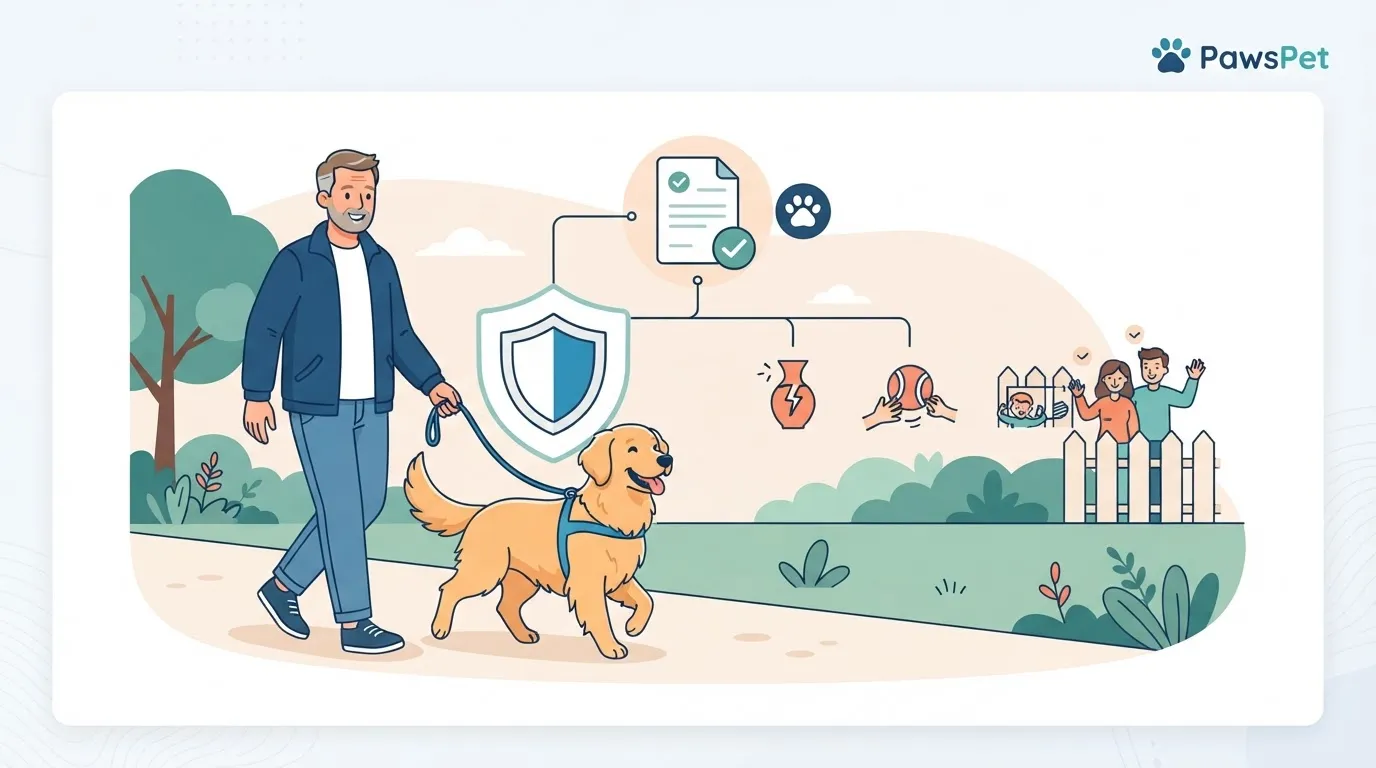
Dog owner liability insurance is designed to cover accidental damage caused by a dog to third parties. In general, it may apply when the owner, keeper or person responsible for the animal is legally liable for what happened.
“Third parties” usually means people outside the insured household and, depending on the insurer’s terms, may also include other animals or their owners. A common example is a dog knocking over a passer-by during a walk, damaging an object in a friend’s home or injuring another animal.
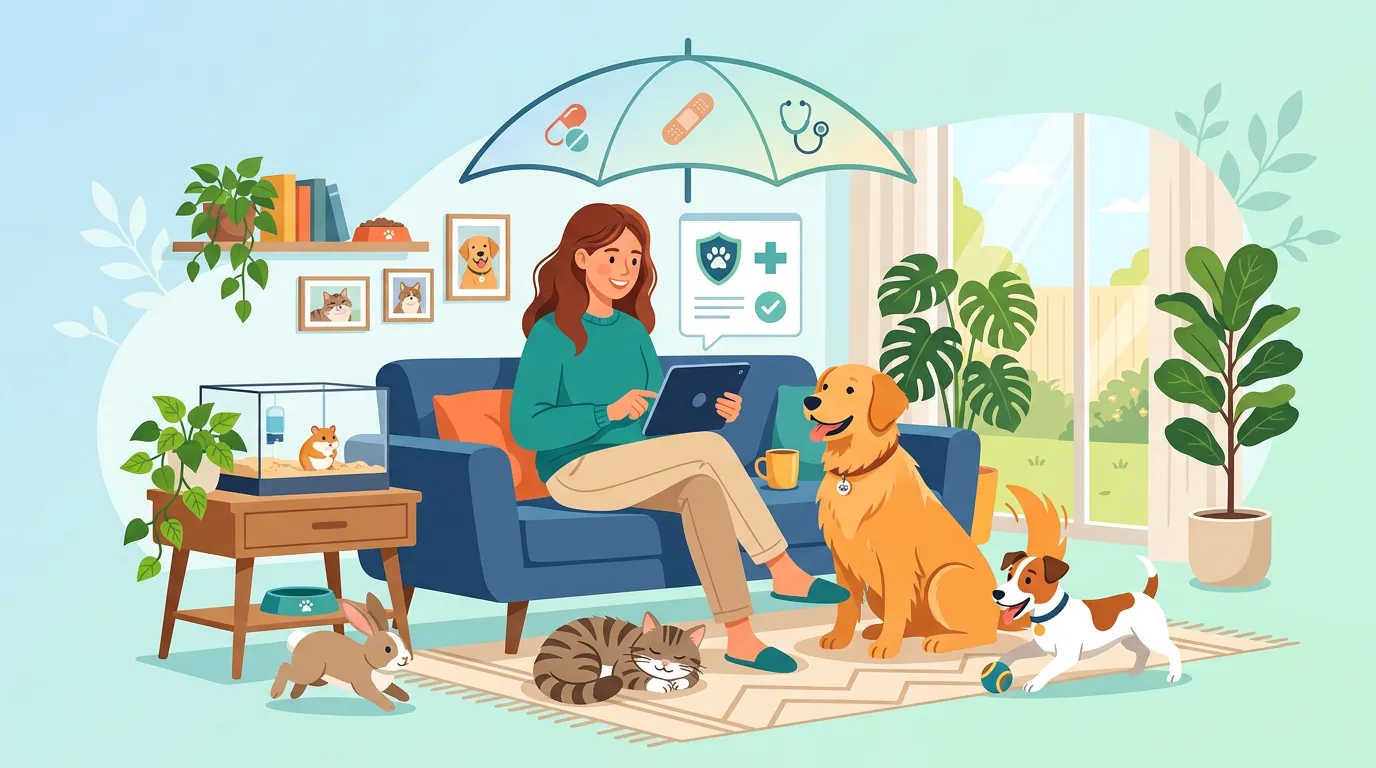
Third-party liability insurance is not health insurance for your dog. It normally does not reimburse veterinary visits, medication or treatment required by your own animal. These needs may require specific veterinary cover, separate from liability insurance.
What can dog liability insurance cover?
Dog damage cover can vary considerably, but third-party liability policies often include one or more of the following categories:
- Injury to people, such as injuries caused by a bite, a fall or an accidental collision.
- Property damage, for example a broken object, damaged clothing or a damaged possession.
- Damage to other animals, such as costs claimed by the owner of an injured animal, within the limits and conditions of the policy.
- Legal expenses, when included in the chosen plan and necessary to handle a compensation claim.
It is not enough to check that the policy is labelled “dog liability insurance.” You should also review the coverage limit, meaning the maximum amount payable for a claim, and any excess, the portion that remains your responsibility.
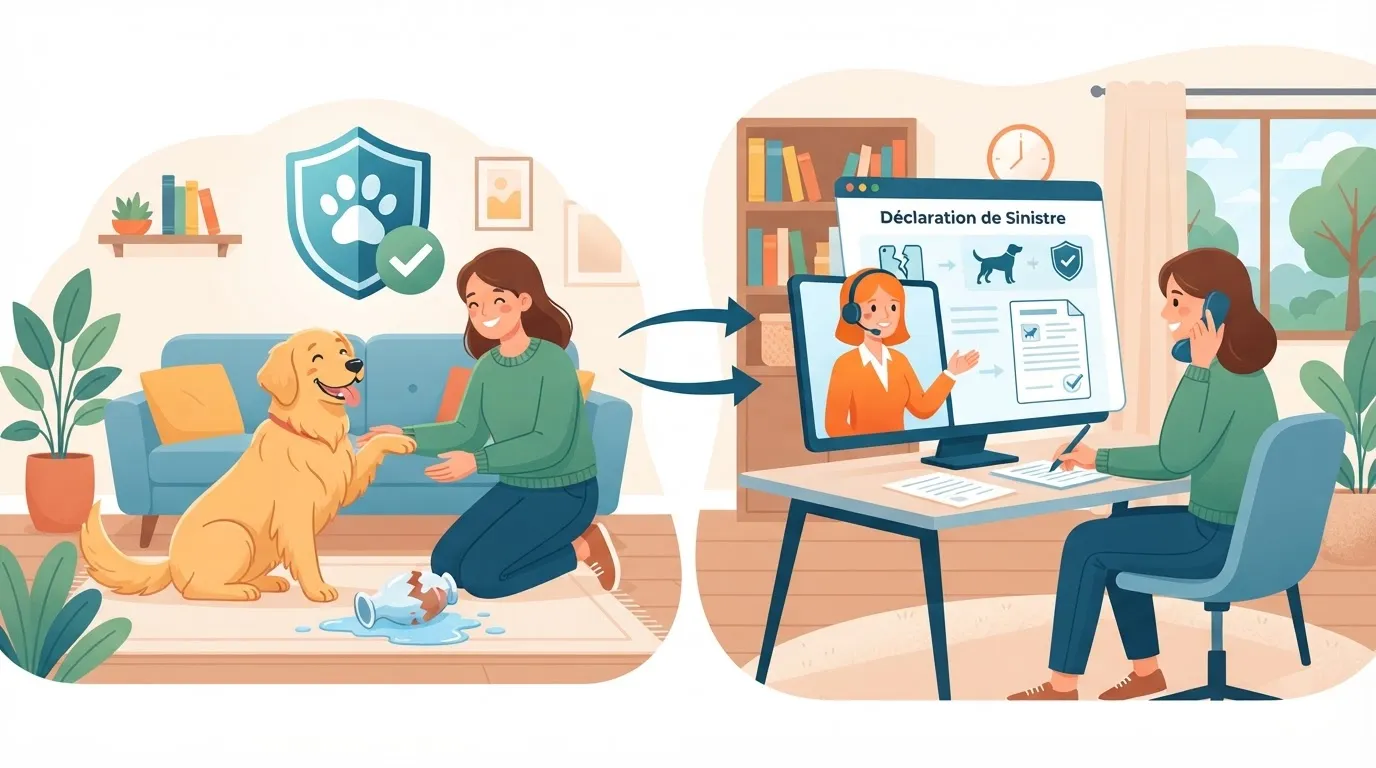
Before reporting an incident, collect useful information: the date, location, circumstances, contact details of everyone involved, photographs of the damage and, where available, witness statements. Avoid making rushed agreements or admitting liability before the situation is clear. Contact the insurer and follow the stated claims procedure.
Common exclusions to check before signing
Every dog insurance policy has specific limits. Common exclusions concern situations where the damage was foreseeable, intentional or connected to handling that did not comply with the policy rules.
Check carefully whether the policy excludes:
- damage intentionally caused by the owner or the person caring for the dog;
- events occurring during professional activities, training, competitions or guarding duties, unless expressly included;
- damage suffered by live-in family members or people named as insured;
- incidents occurring while the dog was with a pet sitter, in boarding or with a dog trainer;
- certain characteristics of the animal, such as age, previous behavioural issues or classifications specified in the contract;
- failure to comply with local requirements concerning leashes, muzzles, identification or supervision.
Applicable rules may vary depending on the location and type of situation. If you are unsure about the requirements in your area, check official sources or ask a qualified professional for guidance.
How to compare liability cover for your dog
Comparing policies only by price can lead to choosing protection that does not fit your everyday circumstances. Start by considering where your dog spends most of its time: busy parks, travelling, living with children, being around other animals or occasionally staying with third parties.
Use this checklist:
- Check the coverage limit for injury to people, property damage and damage to animals.
- Review the excess, any co-payment and limits per event.
- Read exclusions relating to pet sitters, boarding facilities, dog walkers and travel.
- Ask whether the cover applies outside the home and while travelling.
- Find out which documents are required for a claim and the reporting deadlines.
- Check whether liability cover is already included in a home or family policy, avoiding unnecessary duplicate cover.
Keep your dog’s microchip details, health records, vet’s contact information and a copy of the policy organised. With PawsPet, you can keep your dog’s information together and set useful reminders, making important details easier to find when needed.
Prevention: the first protection against damage to third parties
Insurance does not replace responsible handling. Careful management reduces the risk of incidents and protects both your dog and the people around them.
During walks, choose suitable equipment, keep a safe distance from unfamiliar people and animals, and watch for signs of discomfort such as a stiff body, attempts to move away or persistent vocalisation. If your dog shows fear, reactivity or difficulty being managed on a leash, contact a qualified dog behaviour professional. In the event of bites or injuries, contact a veterinarian to assess the animal’s health situation.
FAQ
Is dog third-party liability insurance mandatory?
Whether it is mandatory depends on the rules that apply where you live and on the specific circumstances. Even when it is not required, it may help with compensation claims relating to accidental damage caused to third parties.
Does dog liability insurance cover damage caused by a pet sitter?
Not always. Some policies extend cover to people temporarily caring for the animal, while others limit it to the owner. Check this clause before leaving your dog with a professional.
Does liability insurance reimburse my dog’s veterinary expenses?
Usually not: third-party liability covers damage caused to other people, animals or property. For your own dog’s treatment, you should consider dedicated veterinary cover.
A carefully selected liability policy can help manage unexpected events, but it does not replace prevention and responsible care. Organise your dog’s records on PawsPet and keep track of reminders and useful information for their everyday safety.