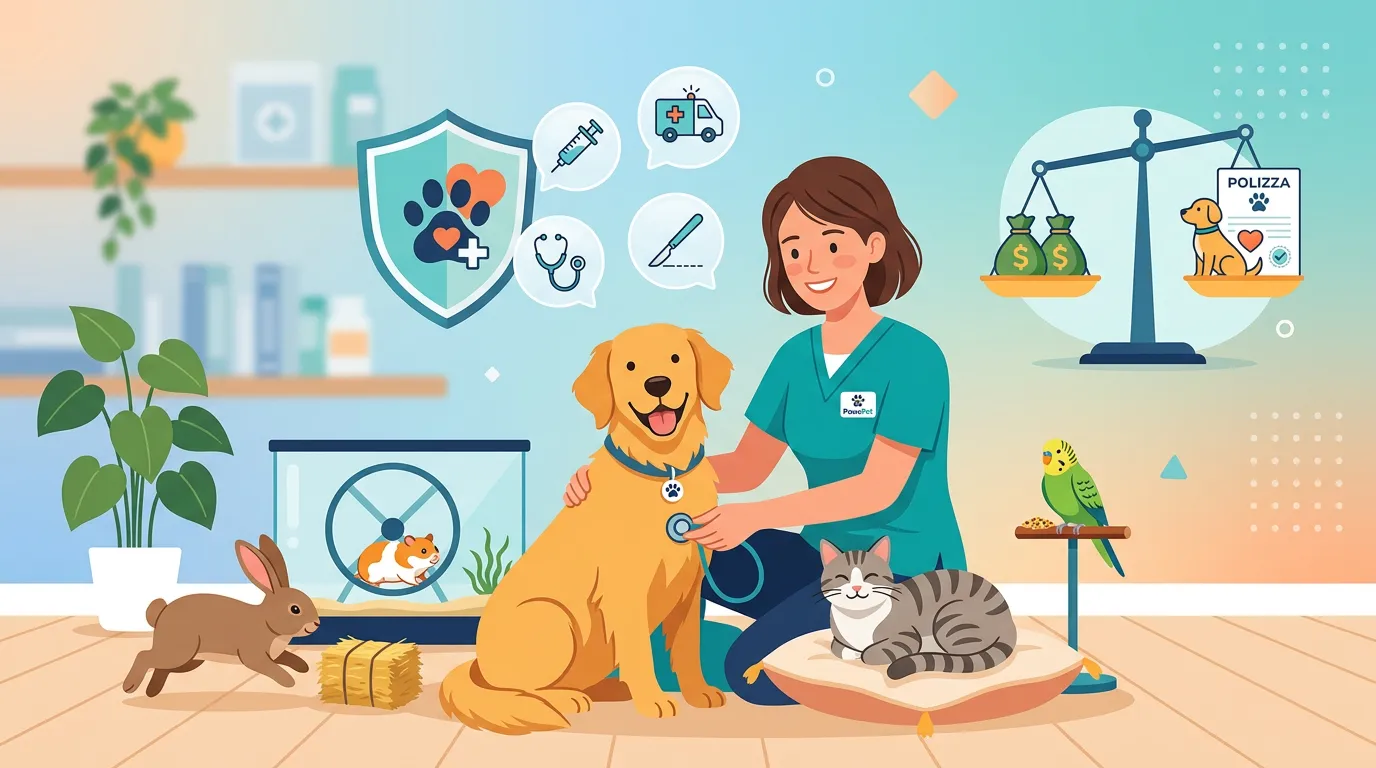
Do you have a dog and want to protect yourself from unexpected costs? Dog insurance can help you handle veterinary expenses, civil liability, and small or major accidents with greater peace of mind. In this guide, we’ll look at what dog insurance covers, how much it can cost, and how to choose the most suitable policy.
What dog insurance is and why you should consider it
Dog insurance is a policy designed to support the owner in the event of unforeseen incidents related to the animal’s health or behavior. In practice, it helps reduce the financial impact of vet visits, tests, procedures, or damage caused to third parties.
It can be especially useful if:
- your dog is young and energetic, so more exposed to minor accidents;
- the breed is prone to certain health conditions;
- you often go on walks, trips, or outdoor activities;
- you want support with higher veterinary costs.
Not all policies are the same: some only cover dog liability insurance, while others also include medical expenses. That’s why it’s worth reading limits, deductibles, and exclusions carefully.
What dog insurance covers: the main items
When comparing offers, the key question is always the same: what does dog insurance cover? The most common coverages are the following.
1. Civil liability
Dog liability insurance covers damage your dog may cause to people, other animals, or property. It’s an important safeguard, because an incident on a walk can lead to compensation claims that are also expensive.
2. Veterinary expenses
Many insurance plans reimburse part of the costs for:
- veterinary visits;
- diagnostic tests;
- surgery;
- hospitalization;
- prescribed medications.
There are usually annual limits and reimbursement percentages. Some policies include a deductible or coinsurance.
3. Protection in case of loss or theft
Some plans include useful services such as:
- costs for ads and search efforts;
- support in case the dog is found;
- specific compensation if the dog is stolen or goes missing.
4. Assistance and extra services
In some policies, you may also find:
- telephone veterinary advice;
- emergency transport;
- boarding reimbursement if you can’t take care of your dog;
- document support.
If you use an app like PawsPet, you can pair your policy management with reminders for vaccines, checkups, and renewals, so you don’t miss the most important deadlines.
How much dog insurance costs
The cost of dog insurance depends on several factors. On average, the price varies based on:
- the dog’s age;
- breed and size;
- the coverage level you choose;
- whether dog liability insurance and veterinary expenses are included;
- deductible, maximum coverage, and coinsurance;
- any additional services.
As a rough guide, a basic policy may cost less than a full plan with medical reimbursement. More affordable options tend to cover mainly civil liability, while more comprehensive ones raise the annual premium but offer more protection against veterinary costs.
To understand whether the price is fair, don’t look only at the monthly or annual premium. Always compare:
- annual maximum coverage;
- deductible;
- exclusions;
- waiting periods;
- reimbursement percentage;
- number of claims covered.
How to choose the right policy
The best pet insurance is not necessarily the cheapest one. It’s the one that truly matches your dog’s needs and your budget.
Consider these criteria
- Your dog’s age and health: some policies have entry limits or exclude pre-existing conditions.
- Coverage that is actually useful: if you live in a city, dog liability insurance may be the priority; if your dog has a delicate medical history, the health coverage matters more.
- Adequate limits: a cap that is too low can make the policy less useful.
- Sustainable deductible: a high deductible lowers the premium, but increases what you pay when you make a claim.
- Veterinary network and reimbursement method: check whether you pay first and claim later, or whether there are partner clinics.
Watch out for exclusions
Read carefully what is not included, such as:
- pre-existing conditions;
- preventive care not included;
- sterilization or non-urgent treatments;
- damage caused in specific situations;
- breeds or ages that cannot be insured.
Careful reading helps avoid surprises right when you need protection the most.
Practical benefits for the owner
Pet insurance is not just about “covering an expense”: it also helps you manage everyday organization more effectively.
The main benefits are:
- greater financial peace of mind;
- protection against civil liability claims;
- better planning of checkups;
- easier handling of unexpected events;
- less stress when facing expensive visits or procedures.
With PawsPet, you can also keep track of documents, health, and appointments in one place, making it easier to monitor everything related to your dog’s safety.
In short: how to decide without making a mistake
If you want to choose the right dog insurance, start with three questions: how much risk do you want to cover, what budget do you have, and which unexpected events do you want to avoid? Only then can you truly compare the most suitable policy, without stopping at the lowest price.
The best rule is simple: clear coverage, understandable exclusions, and limits that match your dog’s needs. If you want to organize your dog’s daily care better, PawsPet can help you keep everything under control in a practical way.
FAQ
Is dog insurance mandatory?
Not always. In some cases, dog liability insurance may be required or strongly recommended, but it depends on the situation, local regulations, and the policy terms.
What does dog insurance cover in a basic policy?
Usually, basic coverage includes mainly civil liability. Veterinary expenses often require a more comprehensive plan.
Is it worth insuring a young dog?
Yes, it is often easier to find favorable terms when the dog is young and healthy, but it’s worth comparing limits, exclusions, and waiting periods carefully before signing.