Choosing dog and cat insurance can feel complicated—especially when you’re dealing with coverage limits, deductibles, and exclusions. In reality, with a few practical criteria you can quickly tell whether a pet policy is truly useful for your pet and for your budget. In this guide, you’ll learn what it covers, what to check before signing, and when it can really pay off.
What dog and cat insurance is and what it’s for
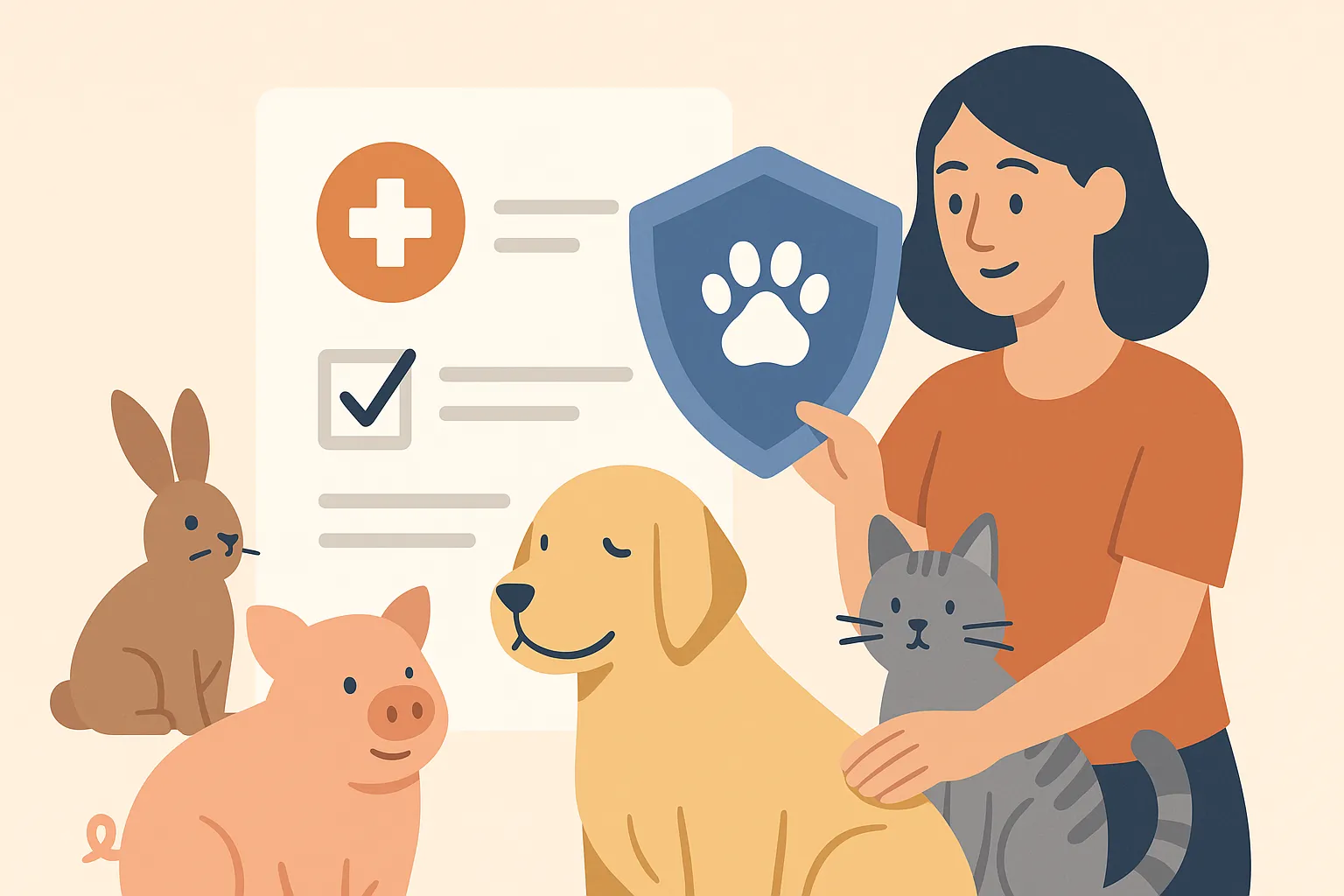
Dog and cat insurance is a policy designed to help reduce unexpected costs related to your pet’s health and, in some cases, the owner’s civil liability. It can help you manage veterinary expenses, procedures, hospital stays, or damage your pet may cause to third parties.
In general, pet insurance plans fall into two main categories:
- Veterinary coverage: reimburses part of the medical expenses you incur.
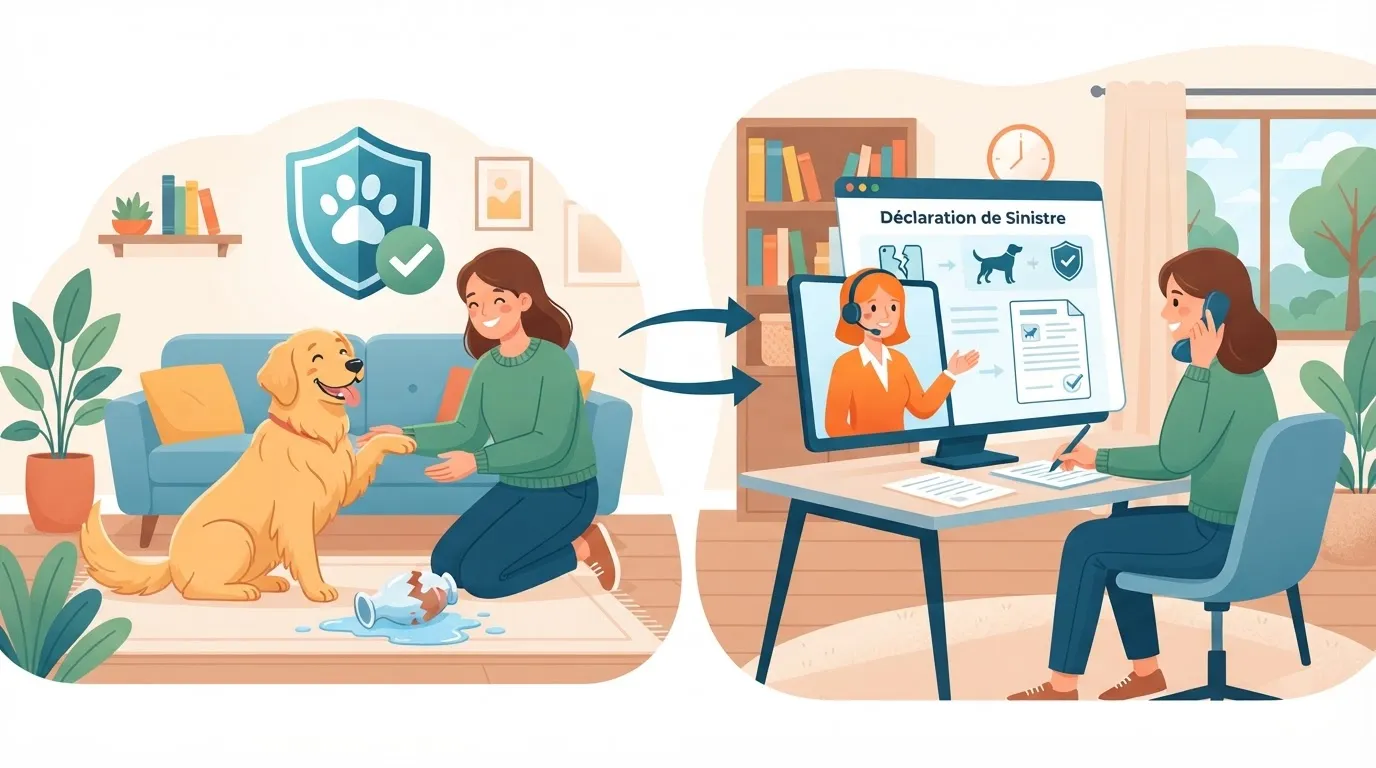
- Civil liability: covers any damage caused to people, property, or other animals.
Some plans also include extra services, such as telephone veterinary consultations or travel assistance. But to choose well, it’s essential to start from your dog or cat’s real needs—not just the price.
What a pet policy actually covers
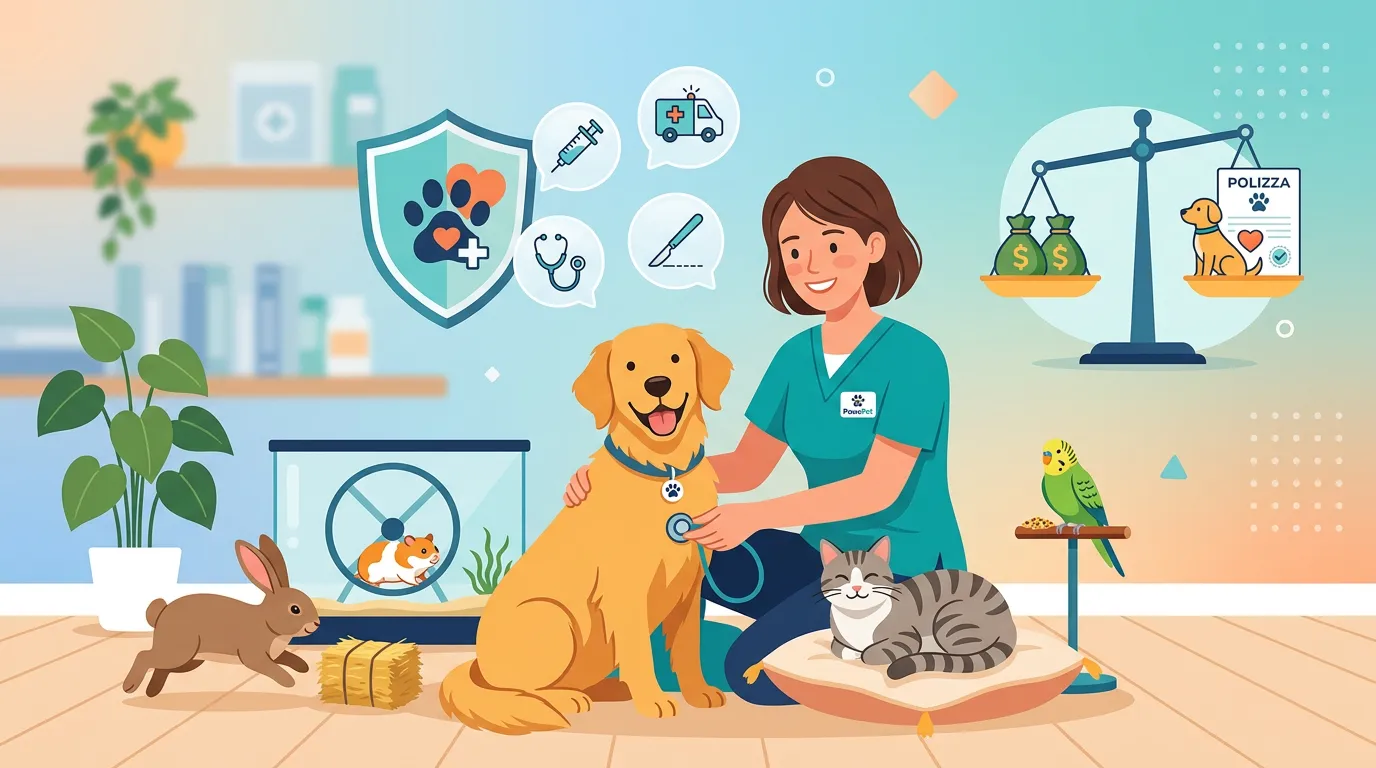
Veterinary coverage can vary a lot from one company to another. Before buying dog and cat insurance, always check what’s included in the standard package and what requires an add-on.
Among the most common coverages you’ll find:
- Veterinary visits and diagnostics
- Laboratory tests
- X-rays, ultrasounds, and other assessments
- Surgical procedures
- Hospitalization and inpatient care
- Prescribed medicines, in some cases
- Costs for injuries or illnesses, depending on the policy
For civil liability, coverage can be useful if your dog causes damage to third parties or if your cat causes accidents in specific situations defined in the contract.
Pay attention to two key elements:
- Coverage limits: the maximum amount reimbursable per year or per single event.
- Deductible: the portion that always stays on your shoulders.
A policy with a low premium may hide a coverage limit that’s too small or a high deductible. That’s why you should compare based on the real value of reimbursement—not just the monthly cost.
Exclusions, limits, and waiting period: what to read before you sign
One of the most common mistakes is to look only at the coverages without reading the exclusions. Yet it’s exactly these that make the difference between a truly useful policy and one that’s not very effective.
The most frequent exclusions include:
- Pre-existing conditions
- Genetic or inherited diseases, if they’re not included
- Preventive expenses like vaccines or parasite treatments, unless specific options are chosen
- Cosmetic or non-medical treatments
- Issues related to negligence or lack of preventive care
- Certain breeds, ages, or pets with specific risk profiles, in some companies
Another important aspect is the waiting period—the time between when the policy becomes active and when coverage effectively starts. During this interval, some expenses may not be reimbursed.
To avoid surprises:
- check when coverage begins;
- read the definitions of “illness,” “accident,” and “covered event”;
- verify whether an up-to-date health booklet/medical record is required;
- ask whether the policy covers treatment outside your area or while traveling.
When dog and cat insurance is worth it
Pet insurance is especially worth it when you want protection from unexpected expenses and peace of mind in case of emergencies. It’s particularly useful if:
- your pet is young but prone to frequent checkups;
- you have a large breed dog or a very active one, so it’s more exposed to injuries;
- you live in an area where veterinary visits and emergency care are expensive;
- you want a safety net for major procedures or hospital stays;
- you prefer to plan a predictable expense rather than face sudden costs.
It may be less convenient, however, if the policy has many exclusions, low coverage limits, or an annual premium that gets close to what you’d likely pay out of pocket anyway. In these cases, it’s a good idea to estimate potential costs realistically and compare them with the value of the reimbursement.
A helpful approach is to evaluate three questions:
- How much would I typically spend in a year without insurance?
- What’s the risk of high expenses if an emergency happens?
- Is the chosen coverage truly suitable for my pet’s age and lifestyle?
How to choose the right policy for your pet
To compare different dog and cat insurance plans correctly, look at these criteria:
- Insurance premium: how much you pay each month or year.
- Coverage limit: how much reimbursement you can receive.
- Deductible and co-insurance: how much remains your responsibility.
- Reimbursement timing: how quickly you receive reimbursement.
- Included coverages: illness, accident, hospitalization, civil liability.
- Exclusions: what isn’t reimbursed.
- Entry age: from when and until when you can insure your pet.
A digital tool like PawsPet can also support you in everyday management: reminding you about appointments, keeping track of health information, and organizing useful documents. If your pet is often on the move, features like GPS can add an extra layer of safety. In addition, the marketplace can be useful for finding accessories and products that match your dog’s or cat’s needs.
Conclusion
Dog and cat insurance can be a smart choice if you’re looking for financial protection, peace of mind, and better control over veterinary expenses. The key is to carefully review coverage, limits, deductibles, and exclusions—so you choose a policy that truly fits your pet.
If you want to take care of your pet in a more organized way, PawsPet can help you manage health, reminders, and useful information all in one place.
FAQ
Does dog and cat insurance always cover veterinary visits?
No. It depends on the policy. Some cover visits, tests, and procedures; others include only accidents or civil liability.
What does a deductible mean in pet insurance?
It’s the portion of expenses that remains your responsibility even when the policy recognizes reimbursement.
Is it worth insuring a young dog or cat?
Often, yes—because some policies offer better terms for younger and healthier pets. But you should always verify the cost-to-coverage ratio.