Insuring your dog is a smart way to handle unexpected events, responsibilities, and veterinary costs with more peace of mind. But with liability policies, health coverage, and contract exclusions, it’s easy to get confused. This guide helps you understand what to truly evaluate before choosing the best dog insurance for your needs.
Why consider dog insurance
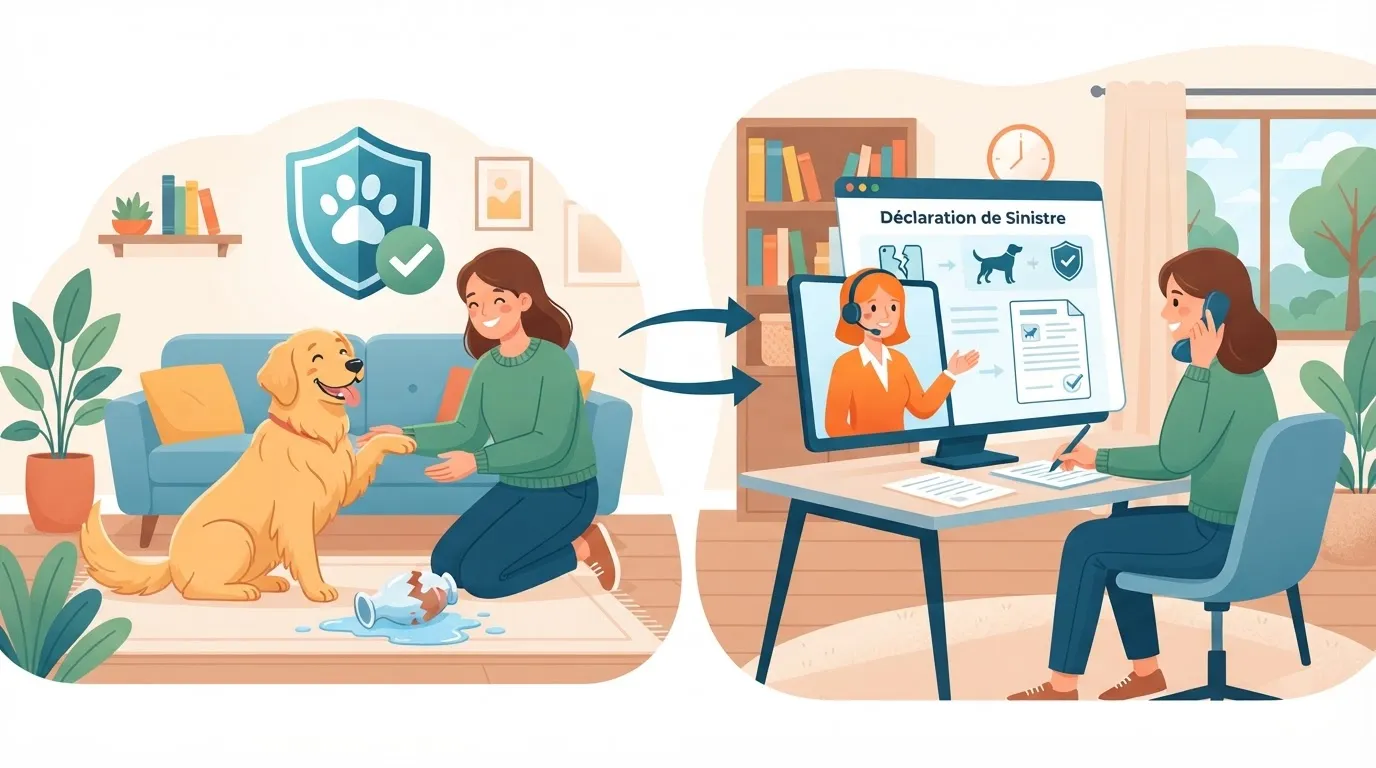
A dog can cause damage to third parties, require urgent care, or need expensive checkups and treatments. Insuring your dog doesn’t mean expecting problems—it means being responsible and prepared.
The most common reasons pet owners look for dog insurance include:
- coverage for damage to people or property;
- reimbursement of veterinary expenses;
- protection in case of injuries or illness;
- extra peace of mind during trips, walks, and socializing;
- financial support during sudden situations.
If you live with a very active, young dog, or one that frequently interacts with other animals and people, good protection can make a real difference.
Main coverages: liability (RC) and veterinary expenses
When it comes to insuring your dog, the two most important options are often third-party liability and coverage for veterinary expenses. Understanding the difference is the first step.
Dog liability (dog RC)
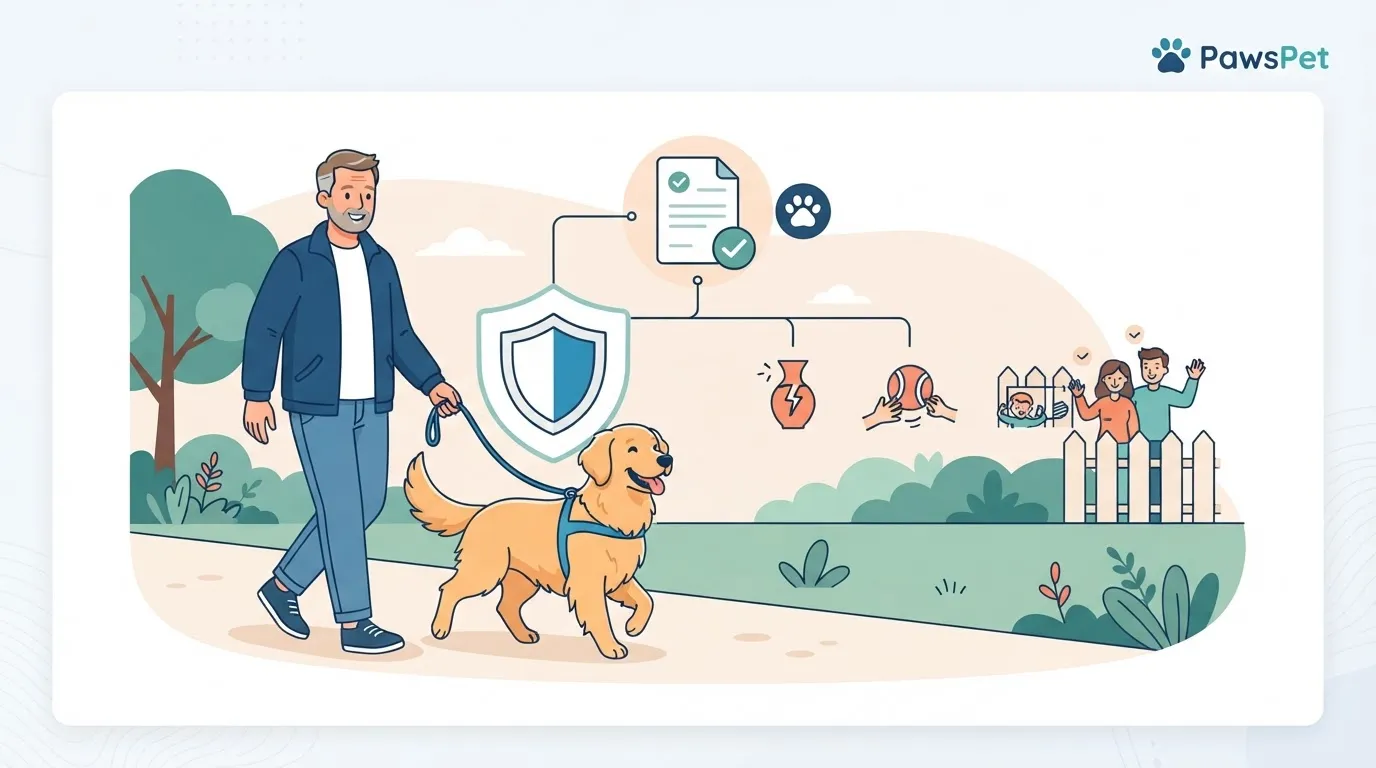
Dog liability protects the owner if the dog causes damage to third parties—for example:
- bites;
- falls caused during a walk;
- damage to objects or vehicles;
- accidents in public or private settings.
It’s especially useful if you take your dog out often, in crowded areas, or in complex social situations. Before signing up, always check the limits, deductibles, and the conditions under which coverage is valid.
Veterinary expenses
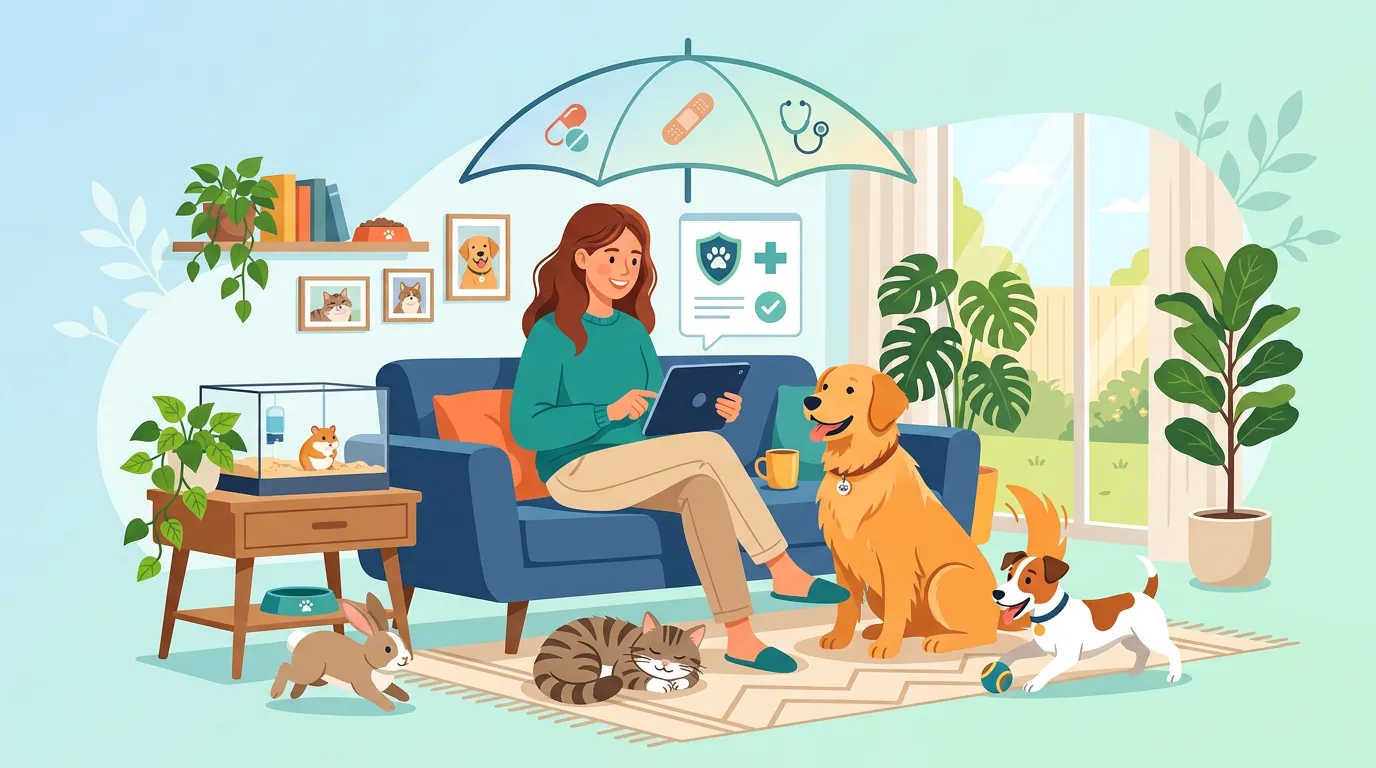
Veterinary expense coverage can reimburse, fully or in part, costs for:
- specialist visits;
- diagnostic tests;
- surgeries;
- hospital stays;
- prescribed medications, if included in the contract.
This option is very helpful for reducing the financial burden of unexpected care. Be careful, though: look out for waiting periods, annual limits, and excluded conditions.
What to check before signing a dog insurance policy
A policy may look affordable just based on the monthly premium, but the real value lies in the details. Before insuring your dog, carefully review these points:
-
Annual limit or per claim
This is the maximum amount that can be reimbursed. If it’s too low, the coverage may not be enough. -
Deductible or co-payment
These are the portions you still pay. A low premium can hide higher out-of-pocket costs. -
Exclusions
Some policies don’t cover pre-existing illnesses, specific breeds, intentional damage, or certain activities. -
Your dog’s age
Some insurers only accept dogs above or below a certain age. -
Required documentation
You may need the health booklet, microchip details, up-to-date vaccinations, and veterinary certifications. -
Waiting periods (carency)
These are the days you must wait before coverage becomes active for certain guarantees.
Reading the general terms and conditions can be tedious, but it’s essential: that’s where you truly find out what dog insurance is worth.
How much it costs to insure your dog
The cost depends on several factors, including:
- your dog’s age;
- breed and size;
- health status;
- coverages included;
- chosen limits;
- the presence of deductibles and co-payments;
- any add-ons for travel or third-party damage.
In general, basic dog liability costs less than a policy that also includes veterinary expenses and assistance. The goal isn’t to find the lowest price—it’s to find the best balance between cost and protection.
Practical tip: compare at least three offers, reading not only the premium but also reimbursements, exclusions, and operational limits. Often the real difference isn’t the price—it’s the coverage quality.
How to choose the right policy for your dog
The best policy is the one that matches your lifestyle and your dog’s needs. To help you decide, ask yourself:
- Does your dog spend a lot of time in the city, or does it go to parks, events, or dog areas?
- Does it have a sensitive health condition or frequent vet visits?
- Do you travel often with your dog?
- Do you want to protect yourself mainly from third-party damage, or from medical expenses?
If your main goal is third-party liability, focus on adequate limits and clear conditions. If you’re most worried about veterinary expenses, prioritize strong reimbursement, short waiting periods, and a good annual cap.
To manage your dog’s health more smoothly day to day, tools like PawsPet can help you with reminders for checkups, vaccines, and preventive treatments—so you can always keep track of useful policy deadlines and your pet’s wellbeing.
In short: yes to protection, but with awareness
Insuring your dog is a smart choice if you want to reduce the financial impact of surprises and live with more peace of mind. The key is not to stop at the price: evaluate dog liability, veterinary expenses, exclusions, limits, and the services included.
If you want a simpler way to compare options and keep your pet’s health, reminders, and documents organized too, PawsPet can become a practical ally in everyday management.
FAQ
Is dog insurance mandatory?
In many cases, no—but it can be very useful. In some specific situations or settings (such as certain condo rules, contractual requirements, or local regulations), there may be specific requests. Always check the rules that apply to your situation.
Does dog liability also cover damage caused to another animal?
It depends on the policy. Some coverages include third-party damage in a broad sense, while others have specific limitations. Always read the contract terms.
Is it worth insuring an older dog?
It can be worth it, but it depends on the maximum age accepted, the exclusions, and the type of coverage available. For senior dogs, it’s even more important to compare limits, waiting periods, and reimbursement caps carefully.