For Easter Monday, April 6, 2026, plan a day trip with multiple dogs for each dog individually, not for the group: decide who is coming, secure and separate each dog in the car, assign each one a responsible adult, and keep food out of reach. No plan can guarantee a day without surprises, but it can reduce the chaos of a new place, other people, and an outdoor picnic.
Choose a place that works for multiple dogs
Whether you’re going to a park, the countryside, a lake, or the hills, look for shade and enough space to keep your distance from other groups: crowds make everything harder with multiple dogs. If you can, arrive early so you have more options for finding a spot away from the bustle. Choose a route suited to the least energetic dog, not the most athletic one, and make sure there’s a way to leave if the area gets crowded. It’s better to park away from the road, since dogs may be excited when they get out.
Bring enough water for everyone from home rather than relying on finding some at your destination. Before you leave, check the local rules on dogs, leashes, and permitted areas: they vary from place to place.
Who comes and who stays home
Not every dog enjoys a day trip, and leaving one at home may be the best choice. Think carefully before bringing:
- a senior dog or one in pain;
- a dog that reacts to people or other dogs;
- a dog recovering from an illness or injury;
- a puppy whose veterinarian still advises against crowded places.
If you’re unsure about a dog’s health, ask your veterinarian. Also consider how many adults are coming: if there are fewer adults than dogs, consider having someone stay home.
Plan an alternative in advance for any dog staying home: a family member, an in-home pet sitter, doggy daycare, or boarding. Get the dog used to being without the others beforehand, with a few short separations in the days leading up to the trip. If you choose a pet sitter, in the «Servizi» tab of the PawsPet app you can filter by «Pet sitting» and area, then check available times in the «Disponibilità» section of the service listing before booking. Keep in mind that availability on public holidays isn’t guaranteed.
In the car: a safe spot for every dog
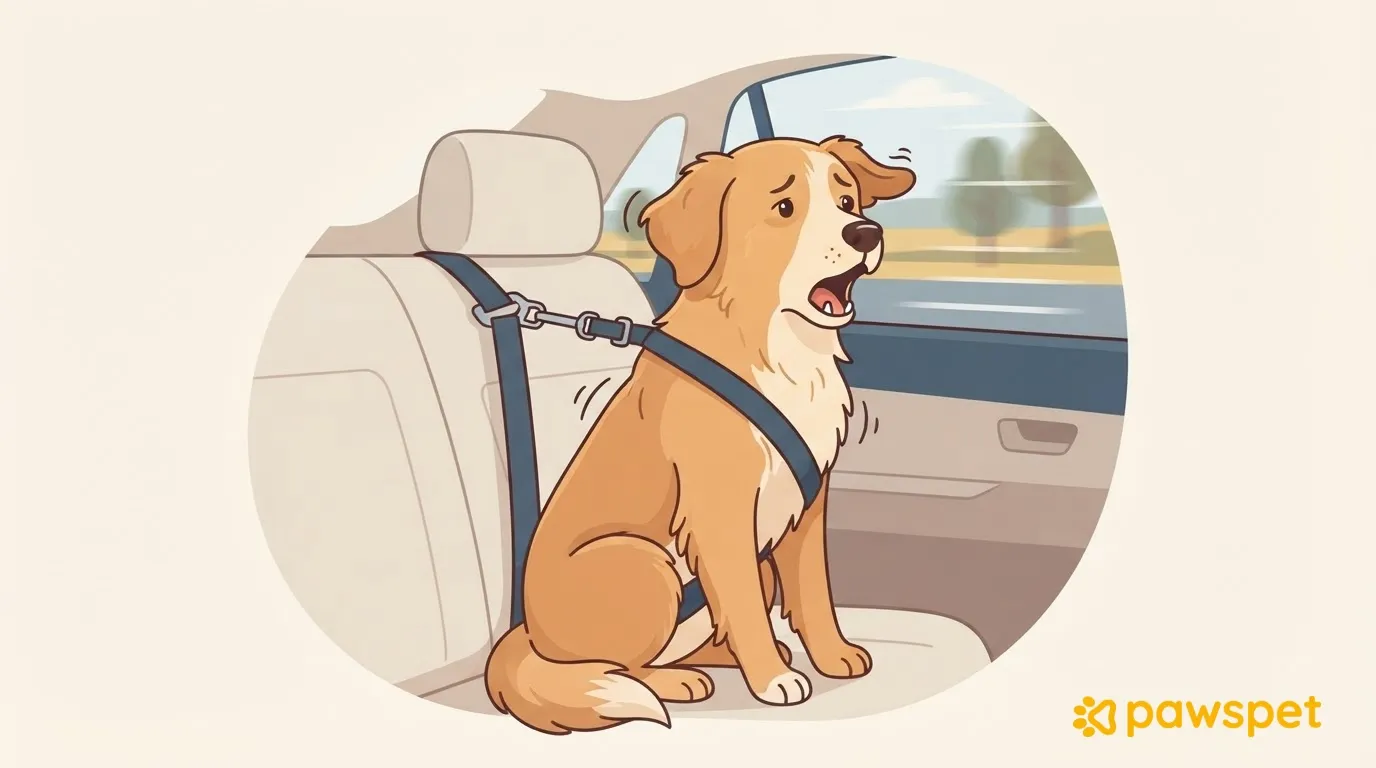
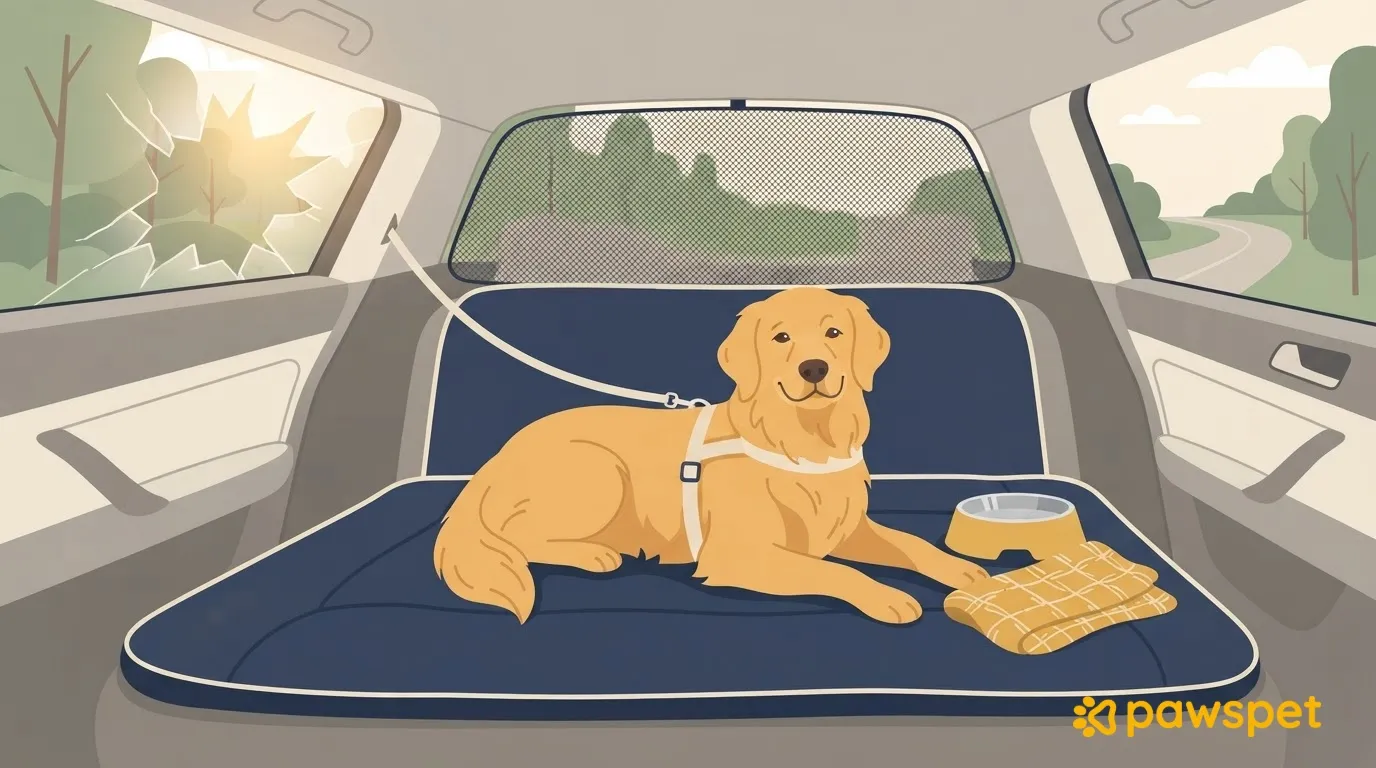
Secure each dog so they can’t move around the passenger compartment, and keep them separate from the others: use separate carriers or crates, a divider in the trunk, or restraints suited to their size. This prevents two excited dogs from bumping into or winding each other up. If your car can’t safely keep all of them apart, take a second vehicle or bring one fewer dog. Check and follow the current rules for transporting animals in cars.
Before loading them, give each dog a short walk and time to relieve themselves. Load and unload one dog at a time, away from traffic, with the leash already attached before you open the car door. Plan regular stops, more often for puppies and senior dogs, so each dog can drink and stretch while staying on a leash.
Never leave dogs alone in the car, even for a few minutes or in spring: the passenger compartment can heat up quickly in the sun.
At your destination: one adult, one base, and water for each dog
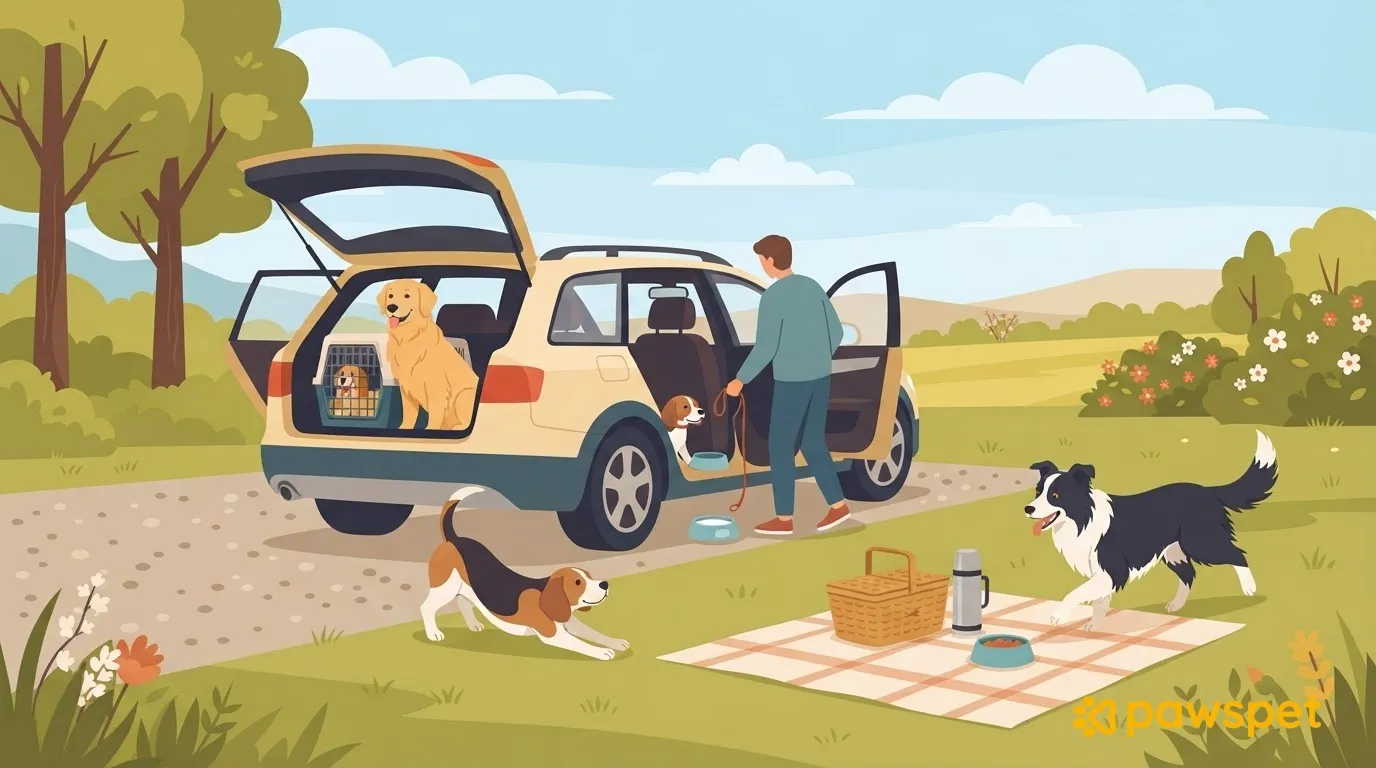
Before you leave, decide who is responsible for each dog: assign one adult to each dog for the whole day. Give every dog their own spot, with a blanket or mat set a little apart from the others, as well as their own bowl and water. When you arrive, let each dog sniff around on a leash before settling in.
Let dogs off leash only where permitted and only if each one has a reliable recall, assessed individually: one dog’s reliability doesn’t apply to the others, who should stay on leash. Set aside a quieter area with an adult for any dog that needs a break. If you meet other dogs on leash, avoid sudden approaches and ask the person with them first.
Pack for each dog
- leash
- harness or collar with an ID tag
- bowl and water
- waste bags
- blanket
- their treats
- towel
Picnic and Easter treats: keep food out of reach
Keep baskets and bags closed and off the ground, and pick up leftovers and bones right away. Keep chocolate eggs and Easter cake away from the dogs, along with all other picnic food. Tell guests and children not to feed the dogs, not even a taste. Only the responsible adult should give treats, giving each dog theirs at their own spot, not in the middle of the group, so no one competes for a bite.
If a dog eats something potentially dangerous, contact your veterinarian or an emergency veterinary clinic immediately; don’t try home remedies. Before you leave, save the numbers for your veterinarian and a nearby emergency veterinary clinic on your phone, and check how to reach them on public holidays.
When you get home
Check each dog’s coat, paws, and ears for plant debris or parasites; ask your veterinarian about parasite prevention. Offer water and let everyone rest, using separate spaces if needed while they’re still overexcited. Make a note of what worked and what you would change.
For this trip and the next ones, pack a bag for each dog the night before and decide who will be responsible for each one during the day.