When a dog gets carsick, excessive drooling, yawning, and restlessness often appear before vomiting. A stable place, fresh air, gentle driving, and short, pleasant trips may help, but they do not guarantee the problem will go away. If episodes are frequent or severe, or other symptoms appear, talk to your veterinarian without giving your dog medication or home remedies on your own.
Signs of car sickness
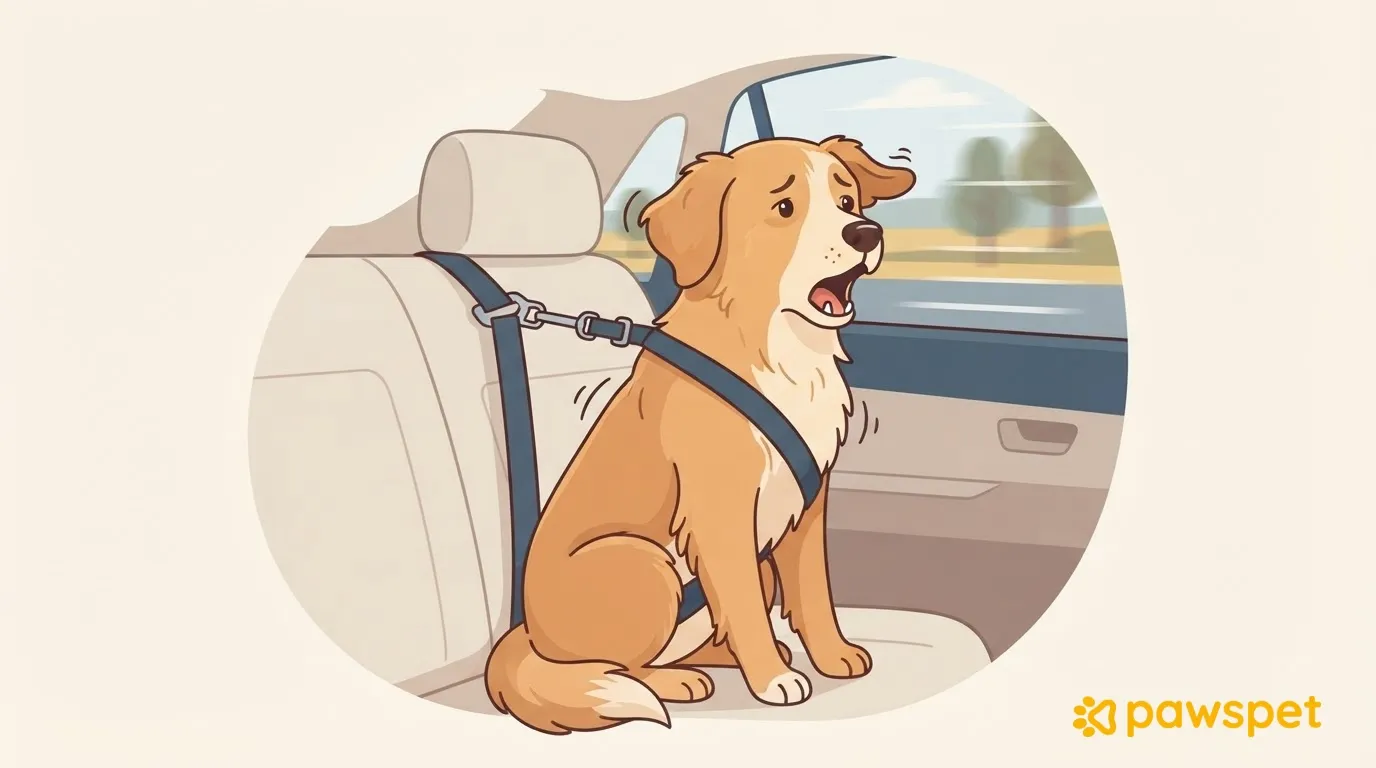
The first step is to observe before changing anything. A dog’s discomfort in the car may show up as:
- drooling;
- repeated yawning;
- lip licking;
- restlessness or unusual stillness;
- whining;
- vomiting.
A dog may show only some of these signs, and not always in the same order. It helps to observe and note when they appear: how long after setting off, on what type of road, where in the car the dog is riding, and whether the dog ate recently. These are simple details, but they can help you adjust the trip and, later, discuss it with your veterinarian.
Nausea, fear, or both?
Nausea and fear can overlap, and they are not always easy to tell apart from the outside. If the discomfort starts when the dog sees the car, or before it starts moving, there may be an element of fear, perhaps linked to unpleasant trips. If it appears only while the car is moving, you cannot rule out either possibility.
These are clues, not a diagnosis, and they can help you decide what to work on: travel comfort, gradual acclimation, or both, together with your veterinarian and, if appropriate, a behavior professional.
Before you set off: food, space, and fresh air
The second step is to adapt the trip, starting with what you prepare before setting off.
- Food. Avoid setting off right after a large meal, and ask your veterinarian how to plan meals before trips.
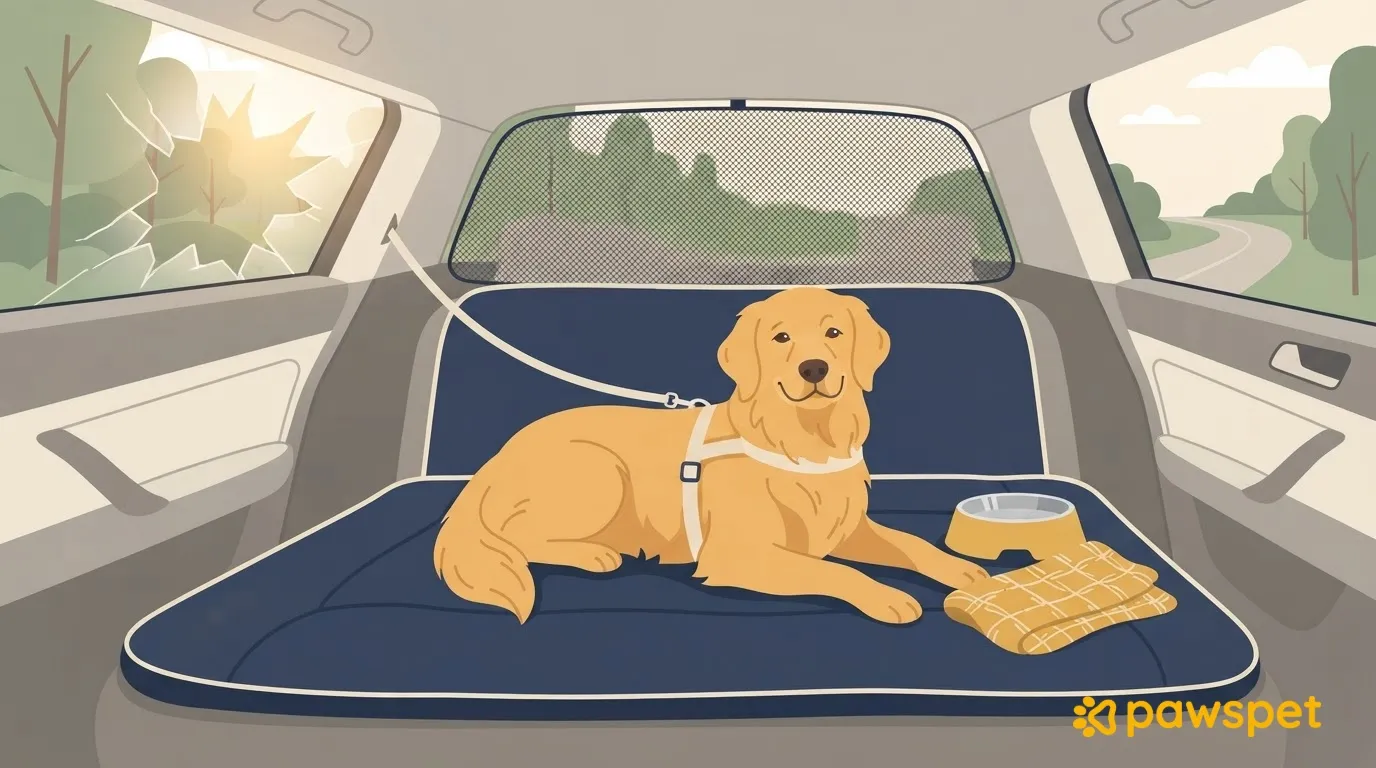
- Space. Prepare a stable, safe space. If you use a carrier or crate, secure it so it cannot slide and provide a non-slip base.
- Air. Keep the cabin cool and well ventilated.
- Cleanup. Bring washable pads, bags, wipes, and a spare towel so you can clean up calmly if needed.
During the trip: gentle driving and breaks
Smooth acceleration and braking, taking curves gently, and choosing smoother routes when you can: driving is the part that depends on you. Plan short breaks in a quiet place and, if the first signs appear, stop sooner when you can.
If your dog vomits, stop somewhere safe, clean up without getting upset, and let them recover for a few minutes before setting off again. Don’t scold them: they can’t help it.
These tips are intended to make the trip more tolerable, not to guarantee that vomiting will stop, and they do not replace advice from your veterinarian.
When to talk to your veterinarian
The third step is to involve your veterinarian. Contact them if:
- episodes are frequent or severe;
- your dog is very frightened;
- the problem is getting worse;
- you have a long trip planned.
Contact them as soon as possible, without waiting for the next trip, if:
- vomiting or discomfort also occurs outside the car;
- your dog remains subdued after the trip;
- you notice other symptoms.
In these cases, do not assume it is car sickness.
Your veterinarian can assess the causes and suitable options for your dog, including medication if they consider it appropriate. Human medications or remedies they have not recommended, even if suggested by others or found online, can be dangerous.
For the appointment, bring a record of the episodes, even if it is just a few notes: when they occurred, what kind of trip it was, whether your dog had eaten recently, and what happened afterward. In the PawsPet app, you can create an entry of type «Other» in your dog’s «Health» profile, for example «Car sickness», then add an update with the date and a note after each trip to show your veterinarian. Keeping notes helps you remember; it does not provide a diagnosis.
Getting your dog used to the car one step at a time
Some dogs become more comfortable with experience, while others do not: this plan is not a promise, but a gradual way to try. It takes time, so for trips you cannot postpone, use the tips above in the meantime. Move on to the next step only when your dog is comfortable.
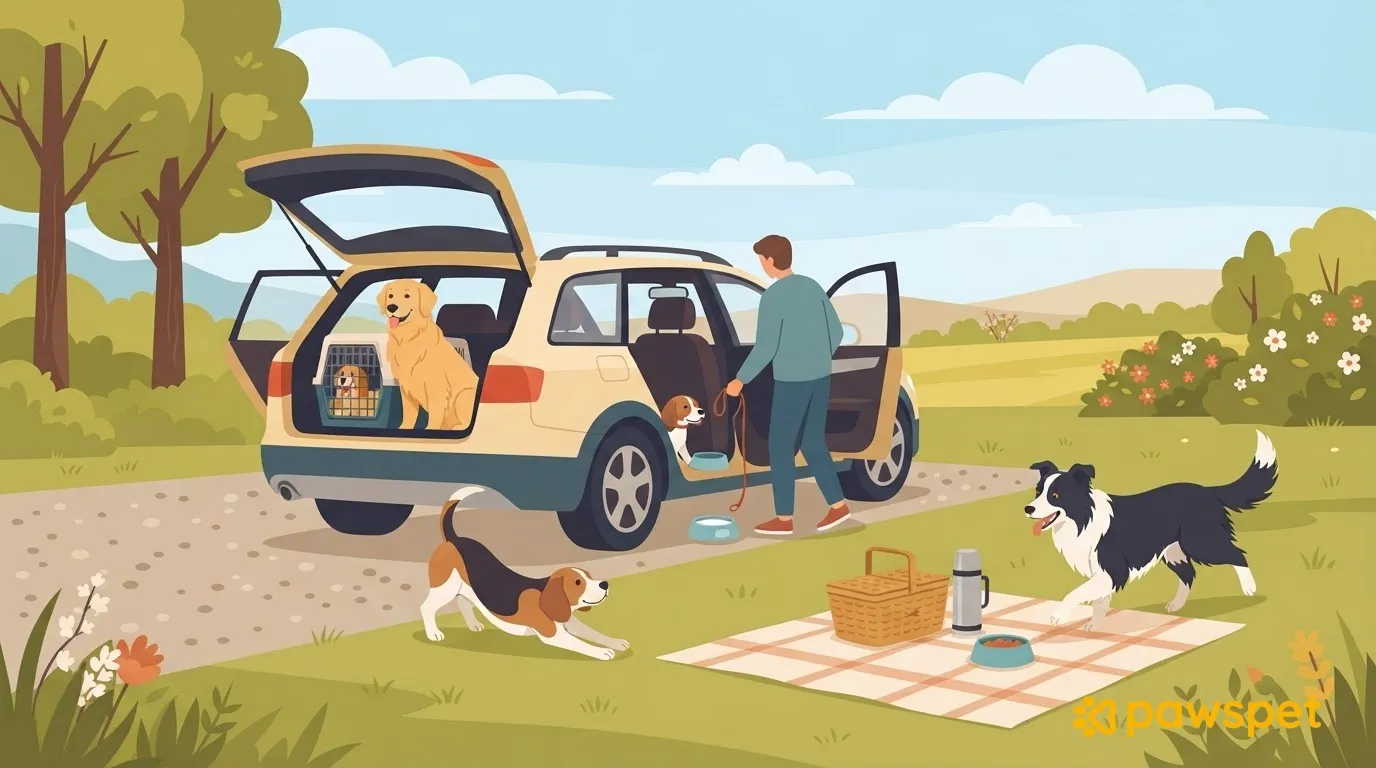
- Spend time near the parked car, with treats and play.
- Let your dog get in and out with the car turned off, without forcing them.
- Sit with your dog in the car outdoors, with the engine running but without setting off.
- Take very short trips to a pleasant place, such as a field or a walking spot, not just to the veterinarian.
- Extend the trips only if your dog remains calm, stopping before signs appear.
If your dog’s discomfort gets worse or other symptoms appear, stop the plan and talk to your veterinarian. To get started, plan two or three short, pleasant trips over the next few weeks and note how your dog reacts.