Being apart is a skill that can be practiced: with brief, predictable, gradual absences during which the dog who stays has something enjoyable to do. Move forward only if the dog stays calm; at the first signs of distress, shorten the separation or go back a step. It’s best to start before a visit makes separation necessary.
Why practice separations before they’re needed
Visits, a possible hospital stay, grooming, and classes may require taking the dogs out separately. Even two dogs with different exercise needs may need separate walks.
Preparing them on calm days avoids having to improvise just when you have an appointment to keep. A little independence can also help with future changes without diminishing their bond.
What is really upsetting the dog who stays
Observe whether the dog protests when the other goes out with a family member while they stay with someone, or only when no people are around. In the second case, distress about people being absent should also be considered. This is related to separation anxiety involving people, which is covered in another article: ask a professional for an assessment without trying more difficult tests.
During the first few minutes, you can observe:
- Mild distress: a few vocalizations, waiting by the door or window, then calming down and returning to an activity.
- More intense distress: continuous vocalizing, attempts to get out, damage, refusal of food, marked drooling or panting.
Consider all the signs, not just whether the dog eats. Film the first few minutes to see what happens when you’re not there, but don’t extend the absence just to finish recording.
A gradual four-step plan
Use intervals so short that the dog doesn’t become agitated. Alternate roles and follow the pace of the dog who is having more difficulty: there’s no need to reach the final step by a deadline.
Separate rooms with a baby gate
Keep the dogs in sight of each other and offer each one an enjoyable activity that won’t cause competition. Start with a few moments. Gradually increase the time if both eat or focus on something without becoming agitated. If they protest, stop and start again with an even shorter separation.
Door closed briefly
Move on to closing an interior door for a very short time. Increase the time only if both dogs return to an activity or lie down relaxed. If one cries or stays on alert by the door, go back to the gate and shorten the separation.
One dog goes for a short walk while the other stays with you
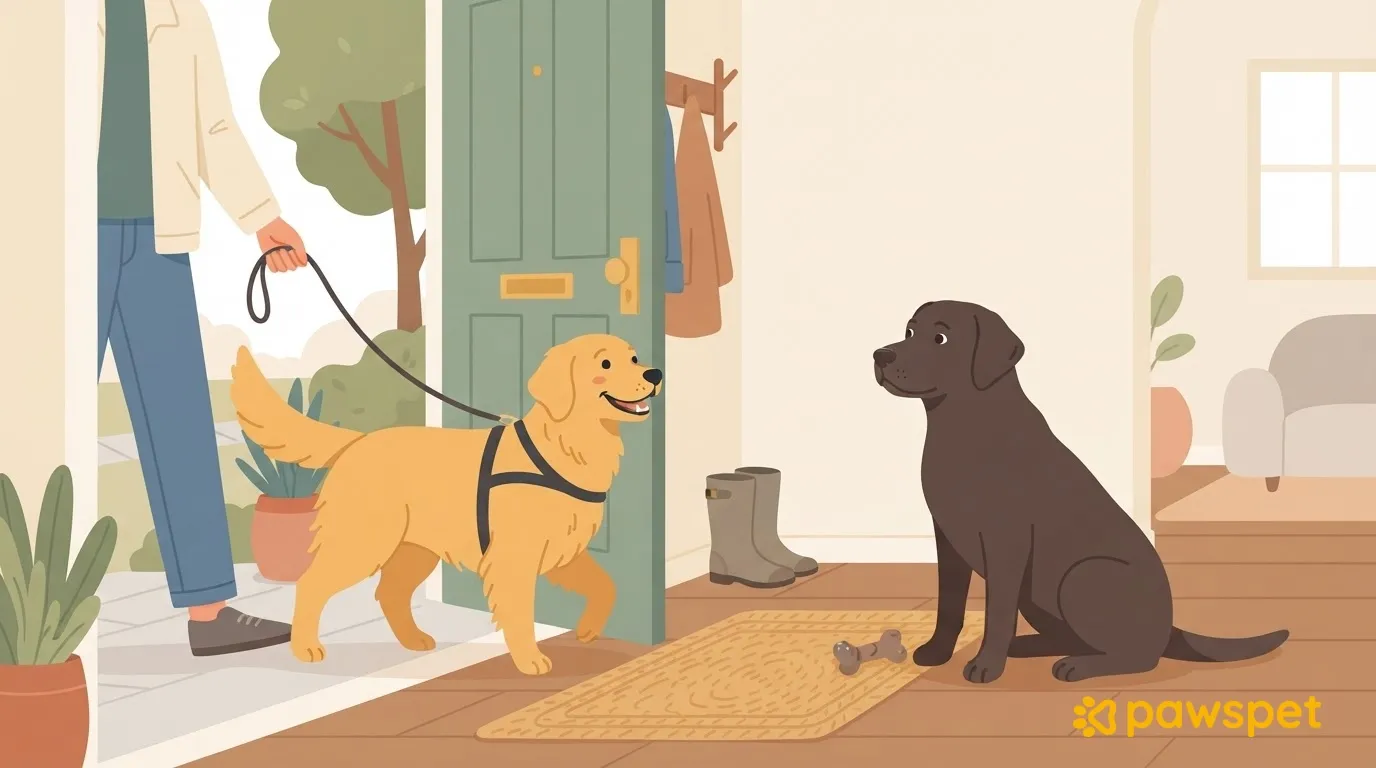
A family member takes one dog out for a very short stretch. Move forward if the dog who stays gets distracted and the one who goes out walks calmly. If the dog outside freezes or pulls to go back in, or the one at home protests, shorten the separation and return to practicing indoors.
The dog stays without the other dog or people
Try this only if the previous steps are going smoothly and the dog already tolerates being without people. Take the other dog out for a very brief absence. Increase the time if the video shows that the dog who stays relaxes or resumes an activity; if there are signs of distress, shorten the absence and go back to outings with someone at home.
What to leave for the dog who stays and how to handle departures and returns
Set aside a calm, familiar activity for these moments: food-search games, a snuffle mat, or a chew suitable for that dog. Try it under supervision first; if an activity requires monitoring, don’t leave it out during absences.
If the dogs fight over resources, don’t give them food or contested objects on either side of the gate: offer these only after the other dog has gone out, and remove leftovers and objects before bringing them back together.
Keep departures and returns low-key, without excited greetings. Let the dogs meet again calmly in a spacious area, without forcing contact.
If one dog returns after a procedure, sedation, or with a bandage, follow the veterinarian’s instructions about rest and contact with the other dog.
When to ask for help
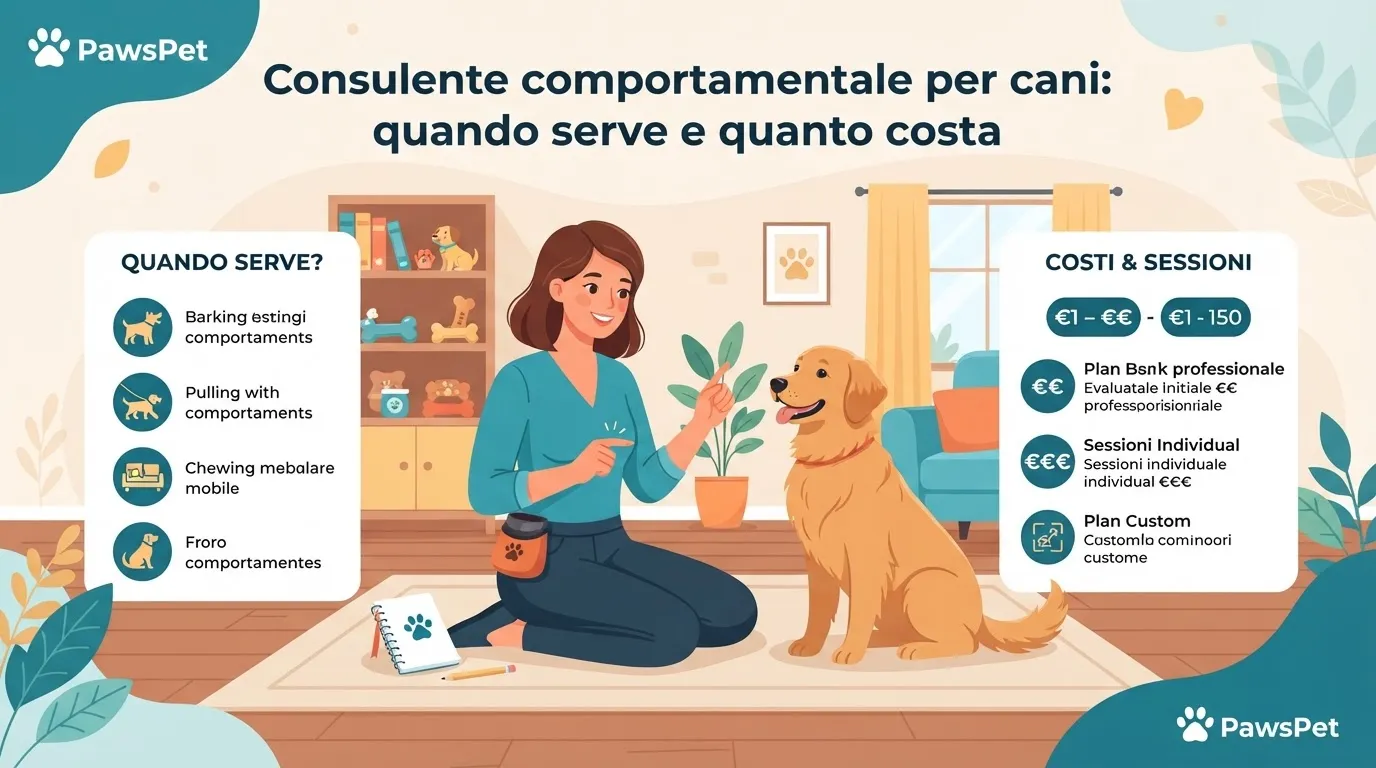
Ask for help if there are attempts to escape, damage to doors or windows, injuries, vocalizing that doesn’t ease, or prolonged refusal of food. Do the same if the distress doesn’t improve or gets worse despite taking a gradual approach.
Don’t persist by increasing the length of the absence. Talk to your veterinarian first: pain or illness can affect behavior. If there are injuries, contact them right away. Then consider working with a dog trainer or behavior consultant to create an appropriate plan.
If the appointment is coming up soon, don’t speed up the practice sessions to meet the date: agree on a plan with your veterinarian first.
To find someone to support you through the process, in «Services» in the PawsPet app you can filter by «Training» and «Behavioral consulting».
Where to start this week
If there’s no competition over resources, separate the dogs with a gate during meals or while they have an appropriate chew. Otherwise, choose an activity that doesn’t involve food.
Stay with them, observe which dog usually protests, and note how they react. Stop before they become agitated: the first goal is an easy separation, not a long one.