A dog behavior consultant can help when everyday difficulties do not improve with ordinary training advice or begin to affect the well-being of the dog and family. Fear, leash reactivity, destructive behavior, conflicts at home, or difficulty being left alone deserve careful observation without rushing to label the dog.
Seeking help early does not mean considering your dog “problematic”: it means understanding what the dog is communicating and building a realistic, respectful, and safe plan.
When you need a dog behavior consultant
A canine behavior consultation may be appropriate when a behavior keeps recurring, becomes more intense, or makes ordinary activities such as walking, welcoming visitors, or leaving your dog alone for short periods difficult.
Consider seeking support if your dog:
- barks, growls, lunges, or tries to drive people or other animals away;
- shows a strong fear of noises, environments, cars, strangers, or handling;
- pulls hard on the leash and reacts during encounters;
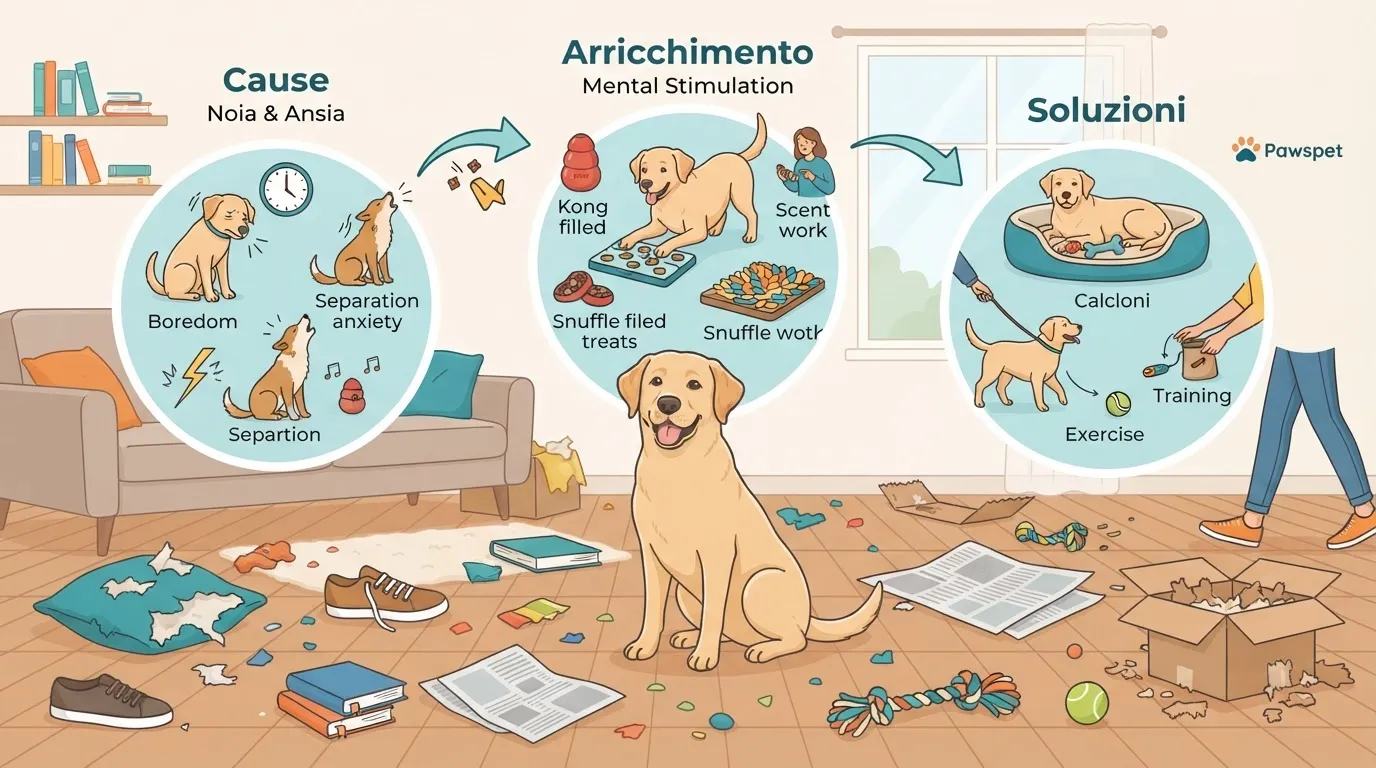
- destroys objects, vocalizes, or becomes agitated when left alone;
- struggles to manage resources such as food, toys, resting places, or attention;
- shows sudden changes in mood or habits;
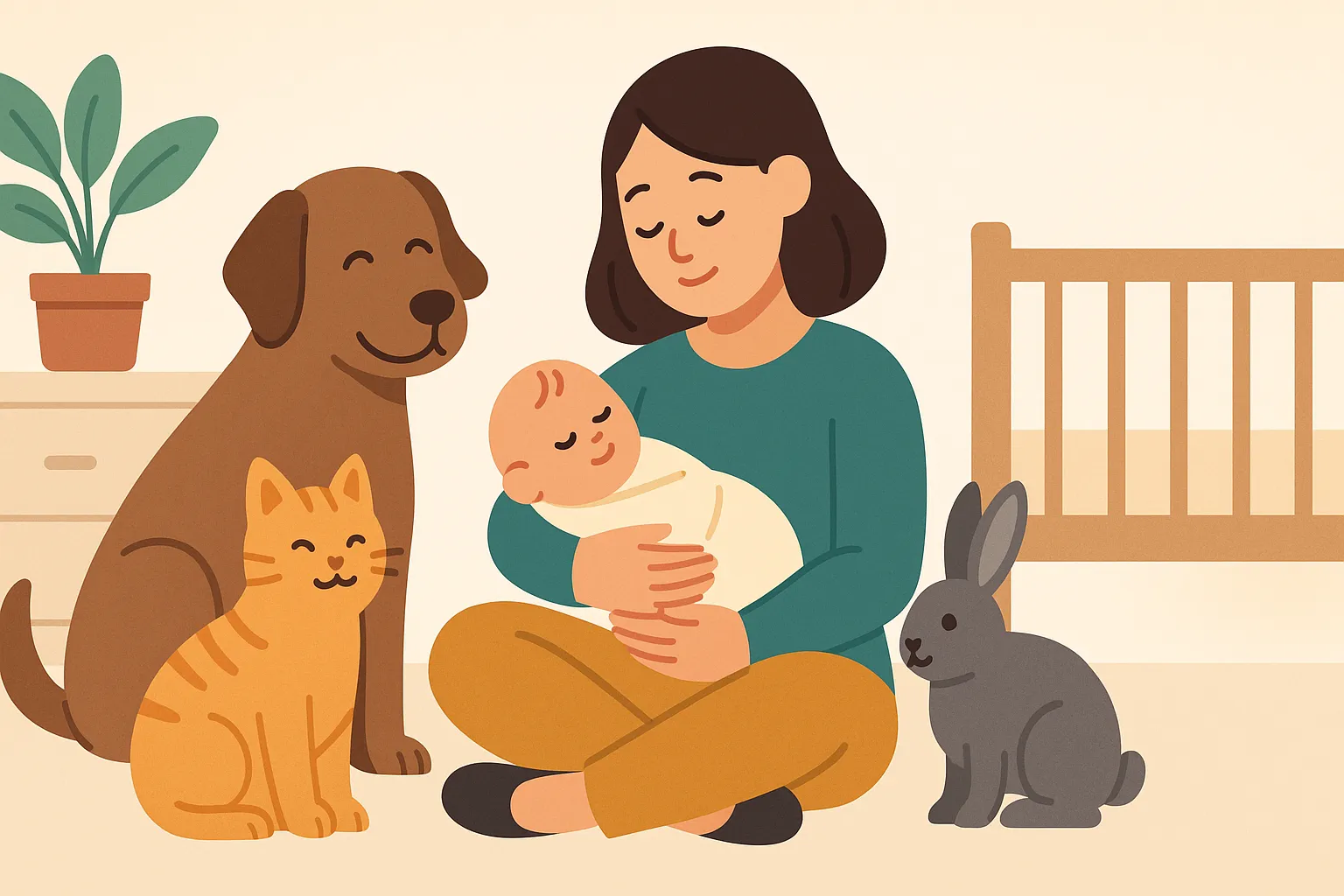
- has difficulties after moving house, being adopted, the arrival of a baby, or the addition of another animal.
With an aggressive dog, safety comes first: avoid situations that are predictably risky, use equipment under competent guidance, and limit forced exposure. If the behavior appeared suddenly or is accompanied by pain, stiffness, changes in appetite, or altered sleep, your first contact should be a veterinarian. Some physical conditions can affect behavior and need to be ruled out or properly managed.
How a dog behavior consultation works
A good plan does not begin with standardized exercises, but with gathering information. The professional assesses the dog’s living environment, routines, past experiences, and the situations that occur before or after the behavior.
A first consultation generally includes:
- Interview with the family, to reconstruct routines, observed signals, and concrete goals.
- Observation of the dog, at home, during a walk, or in an environment suited to the case.
- Analysis of triggers, such as distance from other dogs, noises, space management, or frustration.
- Personalized action plan, including routine changes, gradual exercises, and safety guidance.
- Follow-up, to review progress and adapt the program.
The process always involves the people who live with the dog. Consistency is more useful than intensity: a few well-structured activities that can be repeated every day are often preferable to long, occasional sessions.
Before the appointment, write down significant episodes: what happened beforehand, where the dog was, who was present, how the dog reacted, and how long it took to become calm again. If possible and safe, short videos can help the professional understand the context without deliberately triggering the behavior again.
How to choose the right professional
Definitions in the dog behavior field may vary. When choosing a dog behavior consultant, ask for clear information about training, experience with the specific issue, and working methods.
In particular, consider whether the professional:
- can explain goals, limitations, and the expected course without guaranteeing immediate results;
- takes the dog’s health into account and works with a veterinarian when necessary;
- recommends a gradual approach based on observation and prevention;
- involves the whole family with practical instructions;
- avoids punishment, intimidation, or forced exposure to things that frighten the dog;
- explains how to manage risky situations before the problem is resolved.
You can ask: “What changes will we need to make at home?”, “How will we measure improvement?”, and “When should we involve a veterinarian with expertise in behavior?” Transparent answers can help you understand whether the consultation suits your needs.
Dog behaviorist cost: what can affect it
Dog behaviorist cost is not the same for every case, because it depends on the type of request and the service structure. It is reasonable to ask for a quote before starting, while remembering that price alone does not measure quality or suitability.
Factors that may affect the cost include:
- length of the initial assessment;
- number of sessions and need for follow-ups;
- consultation at home, in a training area, or remotely;
- complexity of the dog behavior problems;
- presence of multiple dogs or people who need to be involved;
- possible coordination with a veterinarian, trainer, or other professionals.
Ask whether the quote includes support materials, updates between sessions, and a written plan. It is useful to agree on observable goals, such as more manageable walks or fewer signs of stress in specific situations, rather than expecting an immediate transformation.
To avoid losing important information, PawsPet can help you collect routine notes, appointment reminders, and GPS walk data to share with the professional when relevant.
FAQ
How long does a plan with a dog behavior consultant take?
It depends on the difficulty, the dog’s history, the environment, and how consistently the recommendations are followed. Some cases require only a few sessions, while others need longer monitoring with gradual goals.
Can a fearful dog improve with a consultation?
It is often possible to improve management and gradually increase a dog’s sense of security. The plan should respect the dog’s pace, avoid force, and also consider possible medical causes with a veterinarian.
Are a dog trainer and a dog behavior consultant the same professional?
Not necessarily. Their skills, training, and areas of intervention may differ. For complex difficulties or sudden behavior changes, ask about the professional’s specific experience and whether they work with qualified veterinary professionals.