A dog that destroys the house is not doing it out of spite. If your dog chews furniture, tears cushions, or rummages through the trash, they are often trying to meet a need: release energy, cope with being alone, explore, or manage a stressful situation. Understanding the reason is the first step toward effective solutions that protect both your home and your dog’s well-being.
Why Is Your Dog Destroying the House?
Destructive behavior can have several causes, sometimes at the same time. Observing when, where, and what your dog destroys can help you understand the problem more clearly.
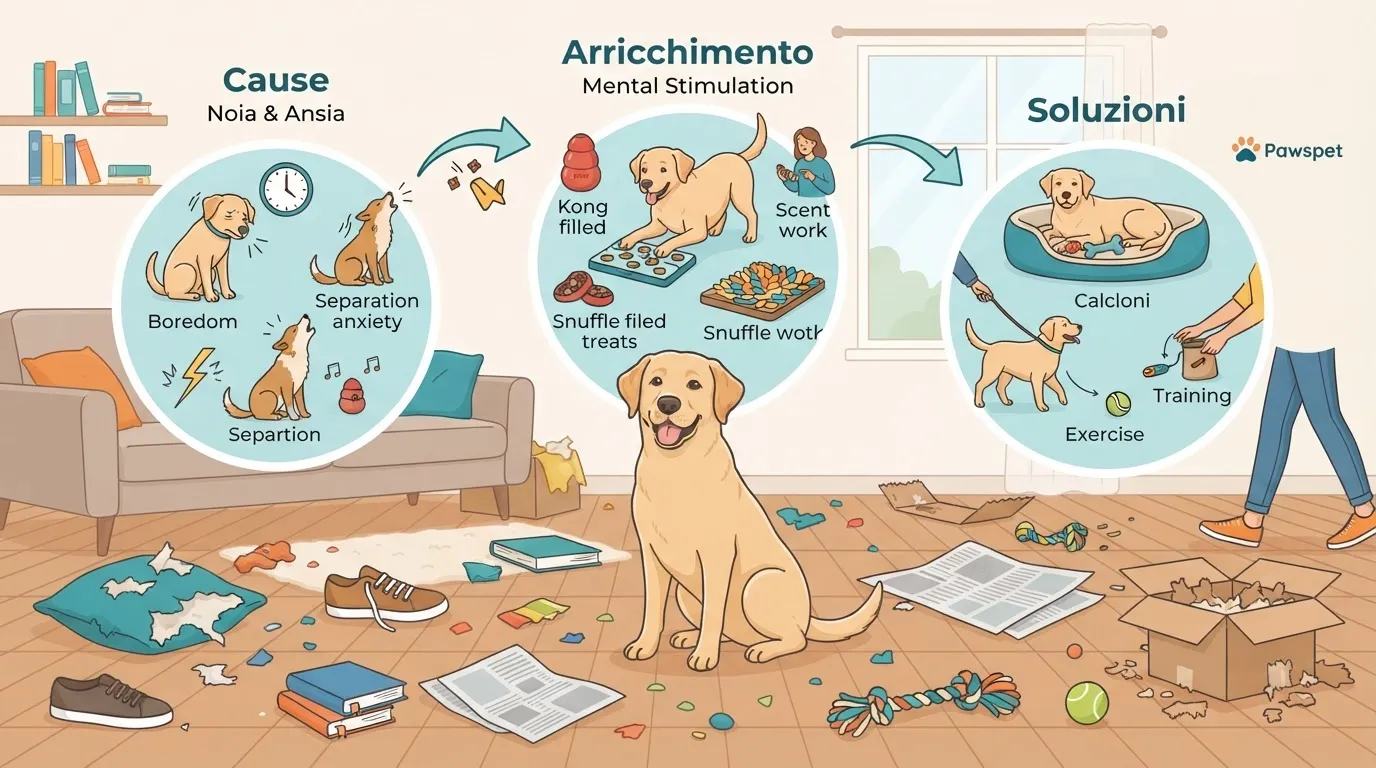
The most common causes include:
- Boredom and too few activities: a dog with limited opportunities to explore, sniff, play, and use their mind may create an alternative activity, such as chewing furniture or shoes.
- Unchanneled energy: exercise needs vary according to age, temperament, health, and individual habits. A short outing only for bathroom needs may not be enough.
- Discomfort related to being alone: if damage occurs mainly after the family leaves, it may be linked to difficulty coping with being alone.
- Teething or a need to chew: puppies commonly explore with their mouths; many adult dogs can also benefit from appropriate chewing activities.
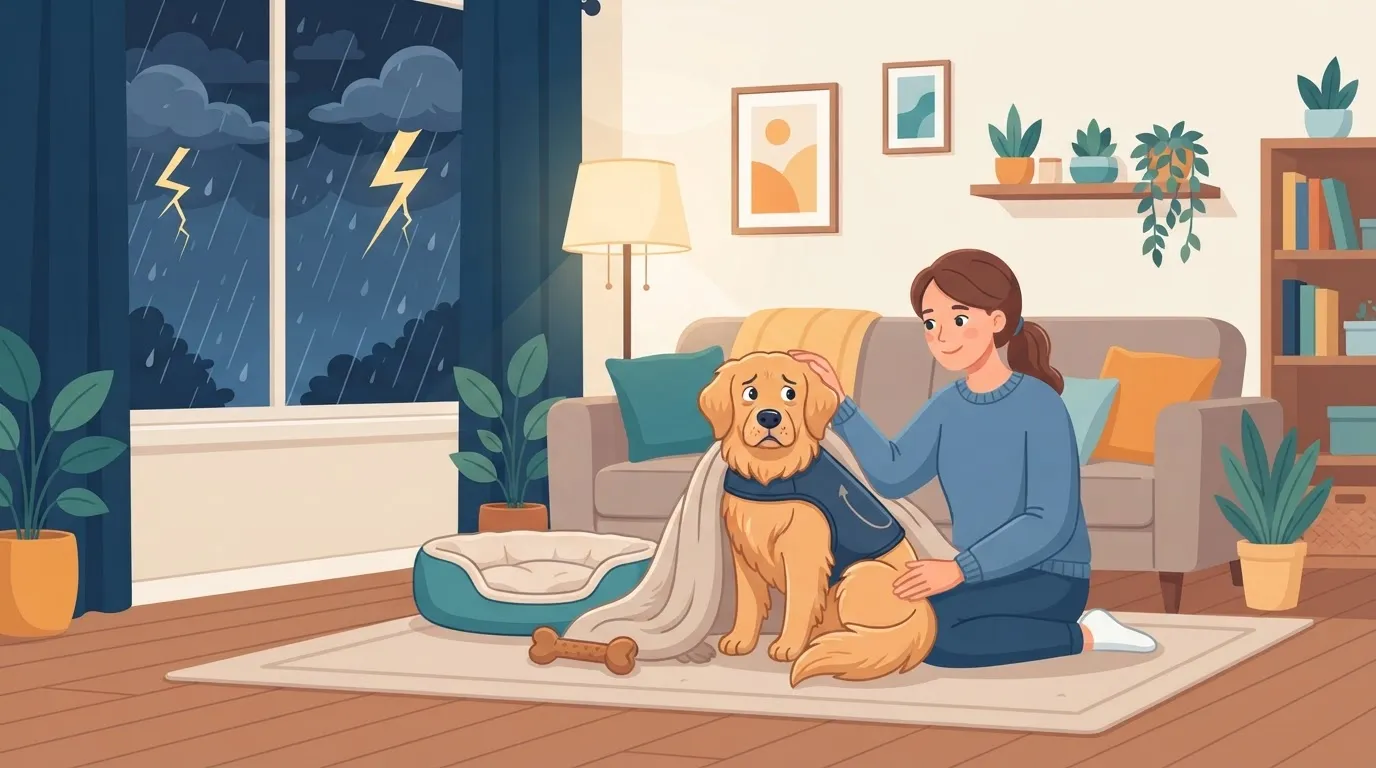
- Changes and stress: moving house, new schedules, new people or animals, unusual noises, and unpredictable routines can affect behavior.
- Physical discomfort: a sudden or intense change deserves veterinary attention, especially if it is accompanied by other unusual signs.
Punishing your dog when you return is not helpful: they cannot connect a delayed consequence with something they did hours earlier. Scolding and tension can increase stress and make the problem worse.
Observe the Signs Before Choosing a Solution
To identify the underlying causes, collect specific information for a few days. A simple journal can make a significant difference.
Write down:
- The time your dog is left alone and the length of the absence.
- The objects or areas targeted: the entrance, sofa, windows, kitchen, or bedrooms.
- Activities before you leave: walk, play, rest, or meals.
- Any signs when you return: agitation, drooling, vocalizing, accidents in the house, or attempts to escape.
- Recent changes in the family routine or home environment.
A home camera, used discreetly, can show whether your dog settles down after a few minutes or remains visibly agitated. This distinction matters: a dog chewing furniture out of boredom needs different strategies from a dog experiencing clear distress when left alone.
Dog Enrichment: Activities That Help Prevent Destruction
Environmental enrichment means offering safe and varied experiences that allow your dog to express natural behaviors, such as sniffing, searching for food, chewing, and solving simple problems.
Try building a sustainable routine with these activities:
- Exploratory walks: allow time for sniffing, choosing safe directions, and observing the environment instead of turning every outing into a brisk march.
- Scent searches: hide part of your dog’s food ration around the home or in a snuffle mat, gradually increasing the difficulty.
- Problem-solving games: use food dispensers or interactive toys suited to your dog’s size and habits, always checking that they cannot swallow any parts.
- Appropriate chewing: provide safe, suitable items. If your dog tends to break and swallow materials, choose them with support from a professional.
- Short training sessions: simple, positive-reinforcement exercises can help develop self-control and cooperation.
Rotate the options instead of leaving every toy available every day. Moderate novelty helps maintain interest without overwhelming your dog.
Manage the Home Safely and Realistically
While you work on the underlying causes, reduce opportunities for mistakes. Managing the environment does not mean isolating your dog; it means preparing a space where they can stay safely.
Keep cables, medications, trash, small objects, dangerous foods, and materials they could swallow out of reach. Temporarily limit access to the most problematic rooms with suitable barriers, if your dog accepts them calmly.
Prepare a quiet area with water, a bed, a safe chew, and a few familiar items. Do not introduce a crate or enclosed space as punishment: it should become a positive place through gradual associations.
Before leaving, choose a calm routine. Highly excited goodbyes and enthusiastic greetings can make the transition more difficult. Short separation-training sessions, built up in small steps, are also more effective than suddenly leaving your dog alone for long periods.
When to Involve a Veterinarian or Trainer
Ask for help if the behavior appears suddenly, worsens quickly, or involves injuries, swallowing objects, attempts to escape, prolonged vocalizing, or intense agitation. A veterinarian can assess possible physical factors and recommend the most appropriate next steps.
For a destructive dog, a qualified dog trainer or behavior professional can observe the context, suggest personalized exercises, and help you set realistic goals. Avoid coercive methods: managing distress requires safety, gradual progress, and consistency.
With PawsPet, you can organize reminders for routines, activities, and veterinary checkups, making it easier to monitor your dog’s progress over time.
FAQ
My dog chews furniture even when we are at home. What does it mean?
It may indicate a need to chew, boredom, excitement, or difficulty managing periods of inactivity. Offer safe alternatives, reward your dog for using them, and limit access to the furniture until the behavior becomes more stable.
How much exercise does a destructive dog need?
There is no single amount that suits every dog. The quality of activities matters, not only their duration: scent walks, play, learning, and adequate rest should be adapted to your dog’s age, health, and individual characteristics.
Should I let my dog roam freely throughout the house when I leave?
Not necessarily. A well-prepared, safe area can prevent damage and risks, as long as it is introduced gradually and your dog does not experience it as punishment.