Pet insurance trends toward 2027 are focused on making protection for dogs and cats easier to manage, more digital, and potentially more closely connected to prevention. For people who live with a pet, the change is not only about covering expenses: it also matters to be able to find documents, submit reimbursement requests, and access support clearly when needed.
Policies are not all the same, and digital features do not replace reading the terms and conditions. Knowing what to assess can help you make a more informed choice.
Digital pet insurance: faster management, but always check the details
One of the most anticipated developments in digital pet insurance is increasingly centralized management through an app, personal account, or online procedures. In practice, pet owners may have an overview of their policy without storing paper forms or searching for documents at the last minute.
Useful features may include:
- viewing active coverage and expiration dates;
- uploading invoices, receipts, and veterinary documentation digitally;
- tracking the status of a reimbursement claim;
- updating the pet’s and policyholder’s details;
- receiving notifications about renewals, payments, or missing documents.
Convenience should not overshadow the terms of the coverage. Before taking out a policy, always check which documents are required, the deadlines for reporting an event, and how reimbursement is calculated and paid.
Pet insurance in 2027: greater focus on prevention and support
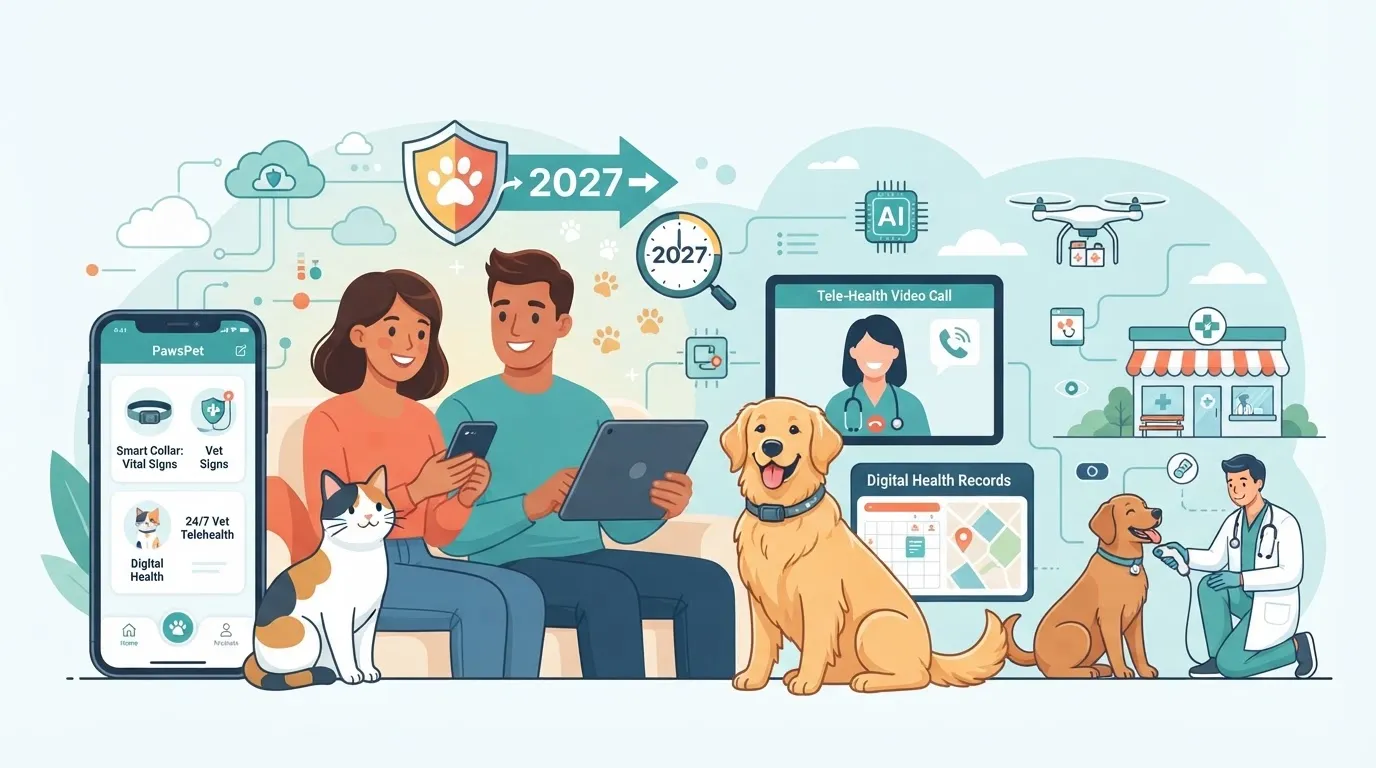
Pet insurance in 2027 may more frequently include guidance and prevention services alongside traditional coverage for accidents, illnesses, or third-party liability. The aim is to offer a more continuous experience rather than support limited to managing an unexpected event.
Depending on the insurer and product, these services may include:
- reminders for health-related or administrative deadlines;
- informational support for finding facilities or professionals;
- remote advice, when provided for in the contract;
- tools for storing the pet’s health history;
- travel assistance or support if the pet goes missing.
It is important to distinguish informational support from veterinary advice. If your pet shows symptoms, pain, an injury, or a sudden change in behavior, contact a veterinarian or emergency facility rather than relying exclusively on digital channels.
Online reimbursements and pet insurtech: what to check
The term pet insurtech refers to the use of digital technology to simplify insurance products and management processes. One of the most relevant areas is online reimbursement claims, which may reduce paperwork but require accuracy when collecting documents.
To prepare, keep the following organized:
- invoices and receipts with clearly readable details;
- any prescriptions, reports, or medical records;
- dates of appointments and services provided;
- policy number and claim references;
- communications received from the insurer.
Before choosing coverage, carefully compare:
- the deductible and co-insurance, meaning the portion that may remain your responsibility;
- annual or per-event limits;
- exclusions relating to pre-existing or specific conditions;
- any initial waiting periods;
- age, species, breed, or health-related restrictions;
- renewal terms, premium changes, and cancellation procedures.
An efficient digital process is useful only if the coverage genuinely meets your pet’s needs and your budget.
Data, devices, and privacy: an aspect not to overlook
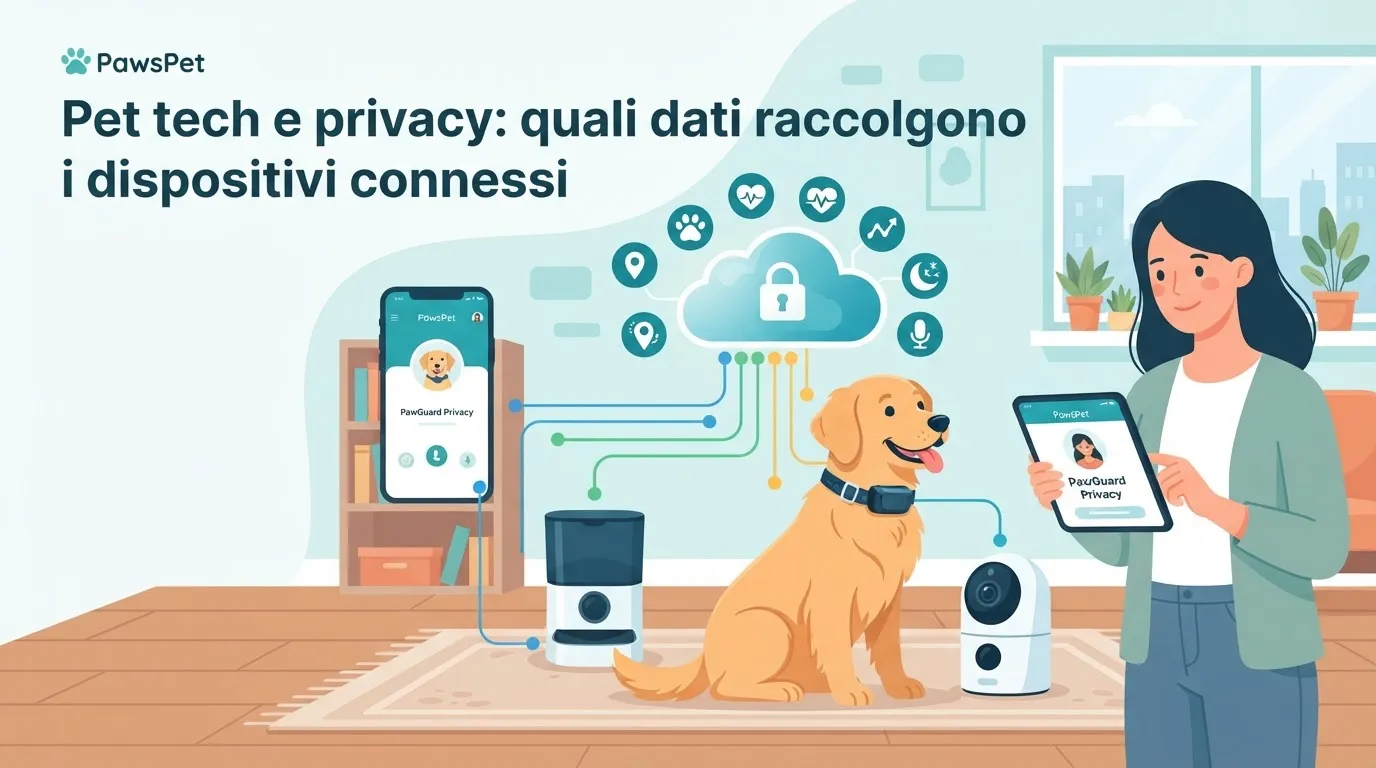
Insurance innovation may include tools connected to everyday pet management, such as health data entered by the owner, reminders, or location information. These services can help with organization, but they deserve careful consideration from a privacy perspective.
Before authorizing data sharing, ask yourself:
- what information is collected;
- why it is used;
- who can access it;
- how long it is stored;
- whether you can change or withdraw your consent.
Read the privacy notice and check whether the use of additional services is optional. A clear system should make it easy to understand what you are authorizing.
How to prepare to choose a more advanced policy
To navigate new offerings, start with your household’s practical needs. Your pet’s age, lifestyle, travel habits, and the presence of other people or animals at home may influence your priorities.
A practical checklist:
- define which risks you want to cover;
- set a cost that is sustainable over time;
- gather the available health history;
- compare the information documents for several options;
- ask written questions to the insurer or a qualified intermediary;
- keep the policy and related documents in an accessible archive.
PawsPet can help you keep your pet’s identification details and health information organized, as well as set useful reminders. Having everything in order also makes it easier to reassess your insurance needs over time.
FAQ
Do digital pet insurance policies automatically cover all veterinary expenses?
No. Each contract specifies its coverage, exclusions, reimbursement limits, deductibles, and waiting periods. Always review the policy information before signing up.
Is an online reimbursement always faster?
Not necessarily. The process may be more convenient, but timing depends on the completeness of the documents, the required checks, and the insurer’s terms.
Do digital services replace a veterinarian?
No. Apps, reminders, and informational support can help with organization, but diagnoses, treatment, and healthcare decisions must be entrusted to a qualified veterinarian.