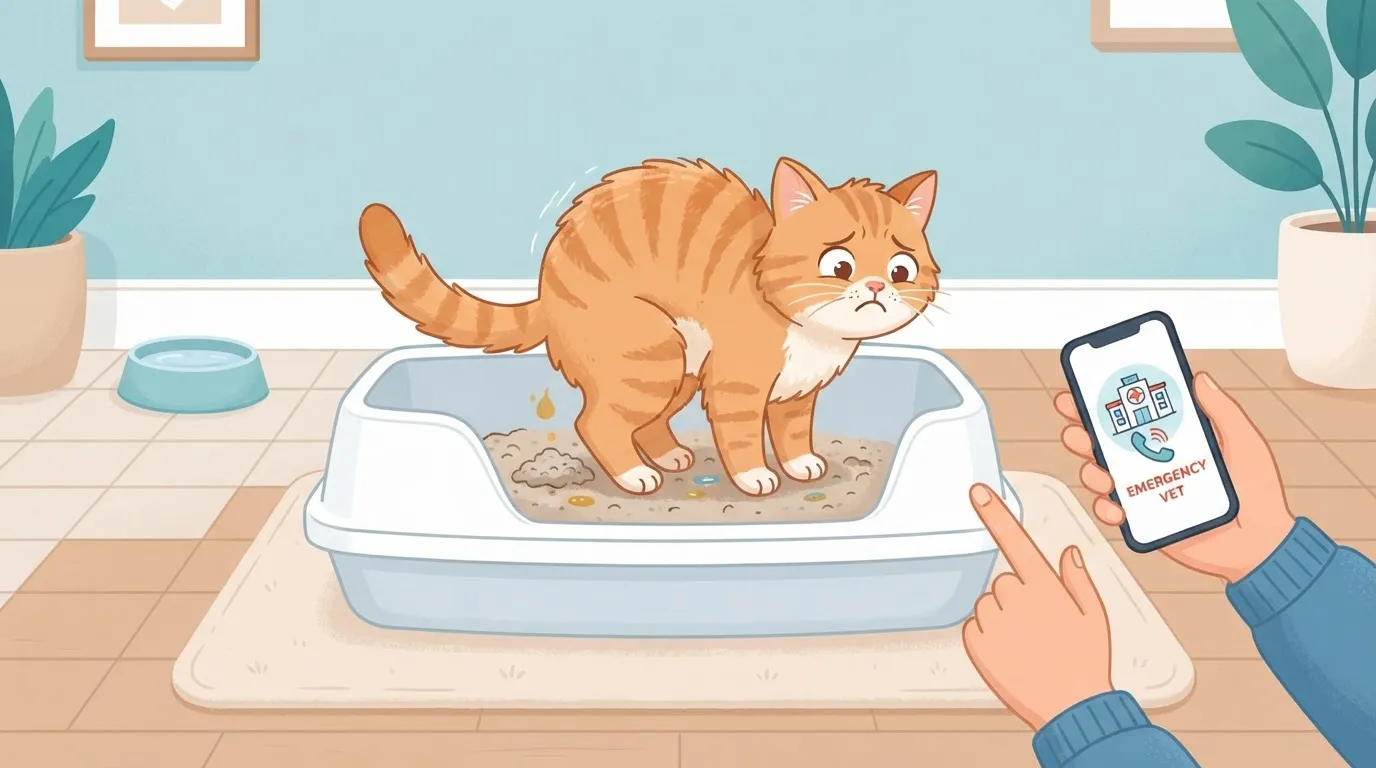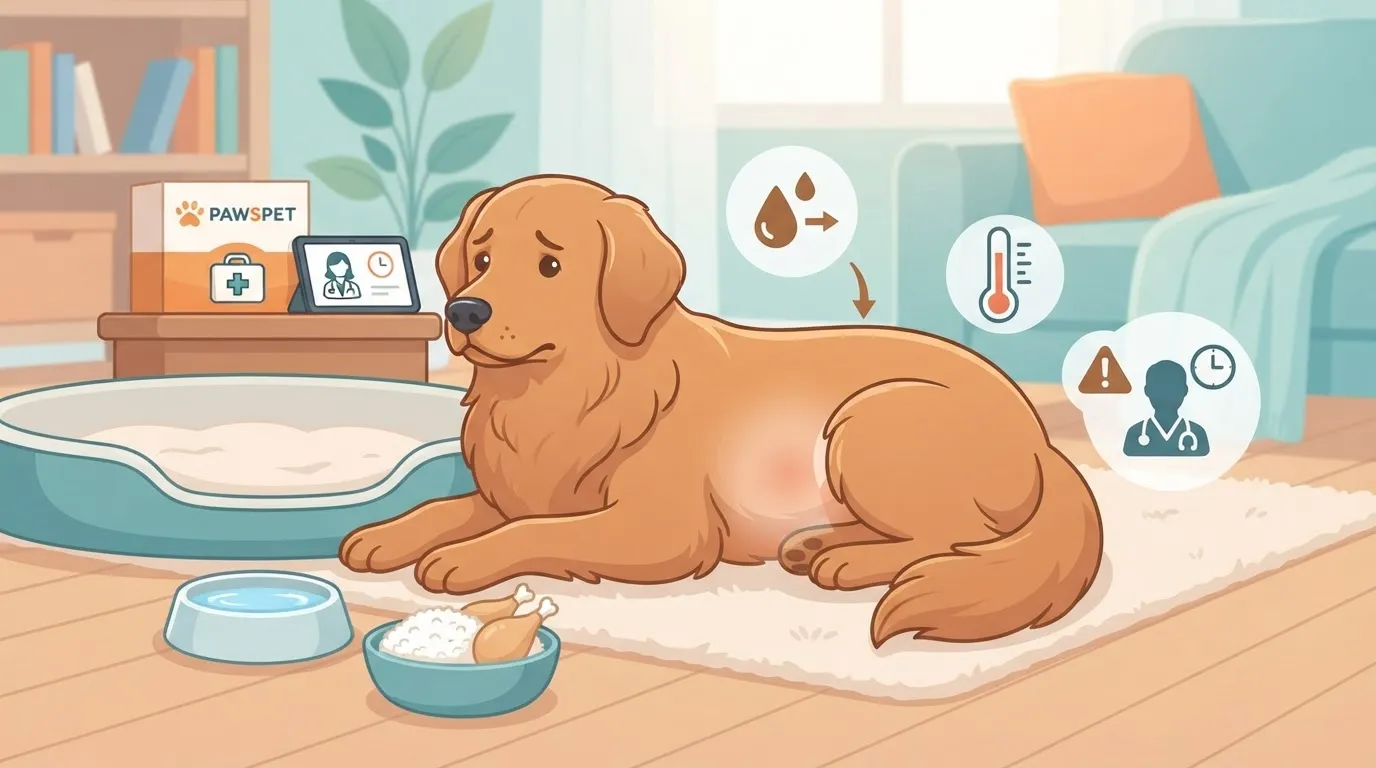
A dog with diarrhea may have a temporary digestive upset, but could also need prompt veterinary assessment. Carefully observing stool consistency, general condition, and hydration can help you decide what to do immediately and when to worry about your dog’s diarrhea.
Avoid giving medications, supplements, or drastic diets on your own: age, health conditions, symptom duration, and the presence of other signs all affect the safest approach.
Dog with Diarrhea: What to Check First
Diarrhea is not simply “soft stool”: it may occur with different levels of frequency, be watery, contain mucus, or show traces of blood. Recording these details is useful both for monitoring changes and for giving the veterinarian precise information.
Pay particular attention to:
- Frequency of bowel movements: a single episode is different from repeated evacuations over a few hours.
- Appearance of the stool: unusual color, mucus, bright red blood, or very dark stool should be taken seriously.
- Your dog’s behavior: energy level, interest in food and water, rest, and willingness to go outside.
- Other symptoms: vomiting, nausea, abdominal pain, suspected fever, trembling, or marked lethargy.
- Possible recent triggers: a dietary change, eating rubbish or objects, new treats, stress, travel, contact with other animals, or outdated parasite treatments.
If possible, keep a small sample of fresh stool in a clean container, following the clinic’s instructions. It may be useful for testing.
Hydration: The Priority with Dog Intestinal Problems
Diarrhea can cause a dog to lose fluids and electrolytes, especially when bowel movements are frequent or accompanied by vomiting. Always provide fresh water and check that your dog is drinking regularly, without forcing them.
Signs that may indicate dehydration or worsening include:
- sticky or very dry gums;
- weakness, apathy, or difficulty staying active;
- eyes that appear sunken;
- refusing water;
- intense diarrhea that continues without improvement.
In puppies, senior dogs, small dogs, or dogs with known health conditions, dehydration can develop more quickly. In these cases, it is wise to call the veterinarian as soon as symptoms appear rather than waiting for the situation to continue.
Do not give human beverages, rehydration solutions, or homemade preparations without professional guidance: some ingredients may not be suitable for dogs.
Dog Diarrhea and Diet: What to Do
When you are wondering what to feed a dog with diarrhea, the right answer depends on the suspected cause and the animal’s condition. The veterinarian may recommend a temporary highly digestible diet, a specific gastrointestinal food, or a different approach based on the clinical picture.
In the meantime, a few practical rules can help prevent further intestinal irritation:
- Do not offer leftovers, treats, or fatty foods. Cold cuts, cheese, bones, fried foods, and seasoned meals may worsen symptoms.
- Do not change several foods at once. If the veterinarian recommends a specific food, follow the suggested transition and amounts.
- Offer small meals if authorized. Small, spaced-out portions may be easier to tolerate than one large meal.
- Do not decide to fast your dog on your own. This is not appropriate for every dog, especially puppies, fragile animals, or those with pre-existing health conditions.
- Avoid human anti-diarrheal medications. They may be contraindicated, mask important symptoms, or cause unwanted effects.
Once the episode has resolved, return to the regular diet gradually and according to the guidance you received, to avoid placing new stress on the intestines.
When to Call the Vet About Dog Diarrhea
Contact your veterinarian urgently if the diarrhea is accompanied by one or more of these signs:
- blood in the stool, black stool, or very dark stool;
- repeated vomiting or inability to keep water down;
- severe lethargy, collapse, confusion, or obvious pain;
- a tense or swollen abdomen;
- suspected ingestion of toxins, medications, bones, toys, or foreign objects;
- significant diarrhea in a puppy, senior dog, or dog with chronic illness;
- rapid worsening or symptoms that do not improve within the timeframe indicated by the veterinarian.
Even a dog that seems energetic should be monitored carefully if episodes keep recurring. Diarrhea may result from dietary indiscretion, parasites, infections, food sensitivities, or other conditions requiring professional diagnosis: observing symptoms does not mean self-diagnosing.
Organizing Information for the Veterinary Visit
Before calling or visiting the clinic, prepare a brief timeline: when the symptoms began, how many bowel movements occurred, what your dog has eaten, any medications taken, and any possible unusual exposures. Also note whether your dog is drinking, urinating, and maintaining their usual activity level.
With PawsPet, you can record symptoms, appointments, treatments, and health reminders in the dedicated health management section. Keeping this information organized makes it easier to discuss the situation with your veterinarian and follow the recommendations you receive.
FAQ
How long does diarrhea last in dogs?
It depends on the cause and the dog’s condition. A mild episode may resolve quickly, but if it persists, worsens, or occurs with other symptoms, contact your veterinarian.
Can I give rice and chicken to a dog with diarrhea?
A homemade diet is not suitable in every situation, and the amounts vary from dog to dog. Ask your veterinarian first whether it is appropriate and how long it should be followed.
When should I worry about my dog’s diarrhea?
Seek advice promptly if there is blood, repeated vomiting, weakness, pain, refusal to drink, suspected ingestion of substances or objects, or if the dog is very young, elderly, or medically fragile.