Chronic kidney disease in cats requires an attentive routine, but it does not necessarily have to be complicated. Organizing meals, treatments, observations and appointments can reduce missed doses and provide the veterinarian with clearer information during check-ups.
Chronic kidney disease can progress differently from one cat to another. For this reason, daily care should follow the plan established by the veterinarian, without independently changing food, medication or supplements.
Creating a simple routine for meals and water
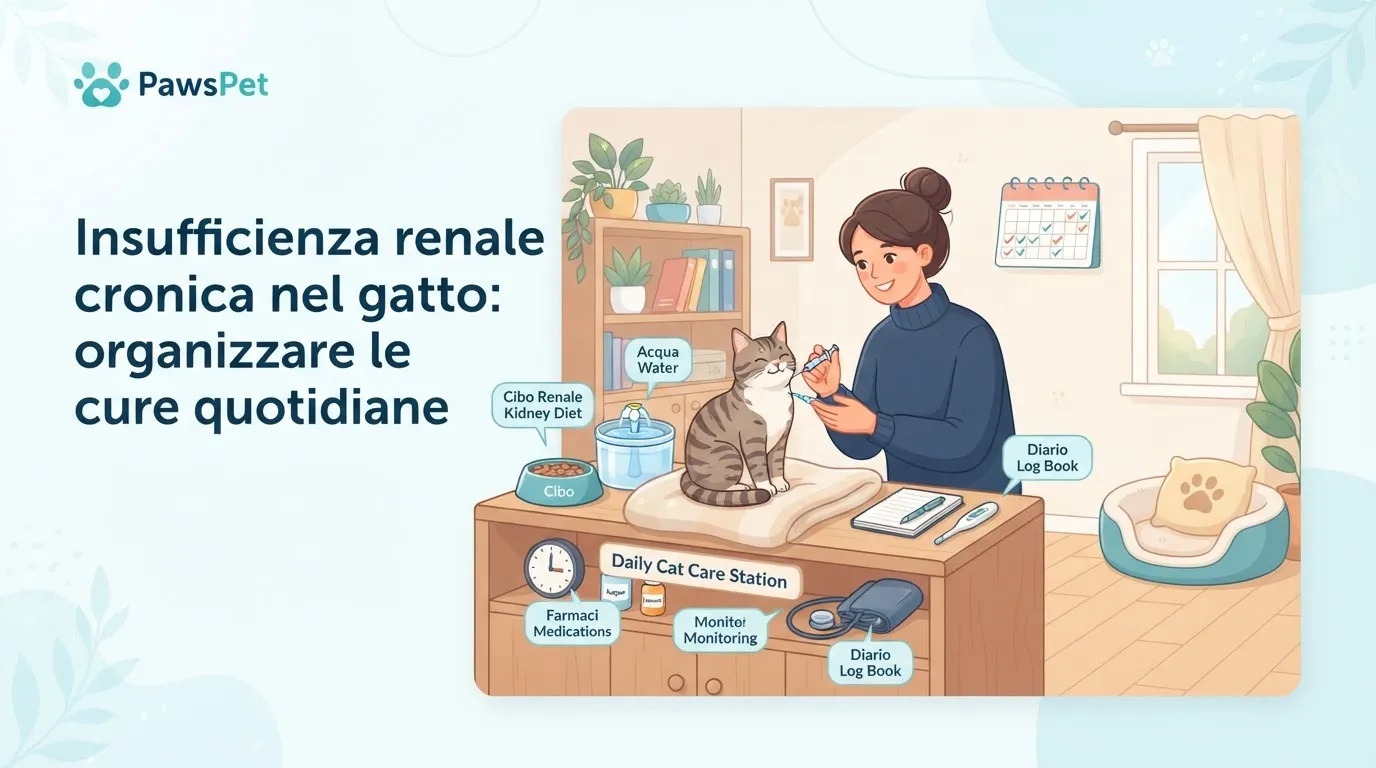
When caring for a cat with kidney disease, consistency is often more useful than a perfect routine that is difficult to maintain. Choose realistic times and try to connect each activity with moments already part of your day, such as breakfast or returning home from work.
If the veterinarian has recommended a specific food, offer it according to the instructions provided. Some cats accept several small meals throughout the day better than one large portion. Avoid sudden changes, however: food refusal or reduced appetite should be reported, especially if it persists.
To support hydration, make water easy to access:
- place several bowls in quiet areas of the home;
- wash and refill the water regularly;
- consider fountains or different containers only if the cat likes them;
- note any clear change in the way the cat drinks.
Do not force the cat to drink or give solutions or foods that have not been prescribed. If you have concerns about hydration, ask the veterinarian for guidance.
Managing veterinary treatments safely
Veterinary treatments may include medication, supplements or other measures established according to the cat’s clinical situation. Follow the dose, schedule and administration method indicated by the professional, without stopping treatment or making up a missed dose on your own.
To make treatment time easier to manage:
- prepare a daily reminder with the product name, time and instructions;
- store medications as stated on the packaging or according to the instructions received;
- use a checklist to mark each completed administration;
- involve everyone in the household to prevent double doses or missed doses;
- contact the veterinarian if the cat repeatedly spits out the medication, vomits after taking it or shows unusual reactions.
A digital calendar can be especially helpful when there are appointments, prescription renewals or multiple pets in the home. With PawsPet, you can use reminders to keep health-related appointments and tasks organized, creating a routine that can be shared with everyone involved in the cat’s care.
Keeping a cat health diary that helps the veterinarian
A cat health diary should not become a source of constant monitoring or anxiety. Brief, regular observations are enough to identify changes from your pet’s usual habits.
You can make notes every day or several times a week about:
- appetite and the amount of food eaten;
- any episodes of vomiting or unusual stools;
- energy, rest and interest in the surroundings;
- litter box use, including noticeable changes in amount or frequency;
- treatments given and any difficulties encountered;
- weight, only if the veterinarian has recommended monitoring it.
Bringing these notes to appointments makes the discussion with the veterinarian more concrete. Do not interpret a single behavior as a diagnosis: what matters is a persistent or sudden change, or one associated with other signs.
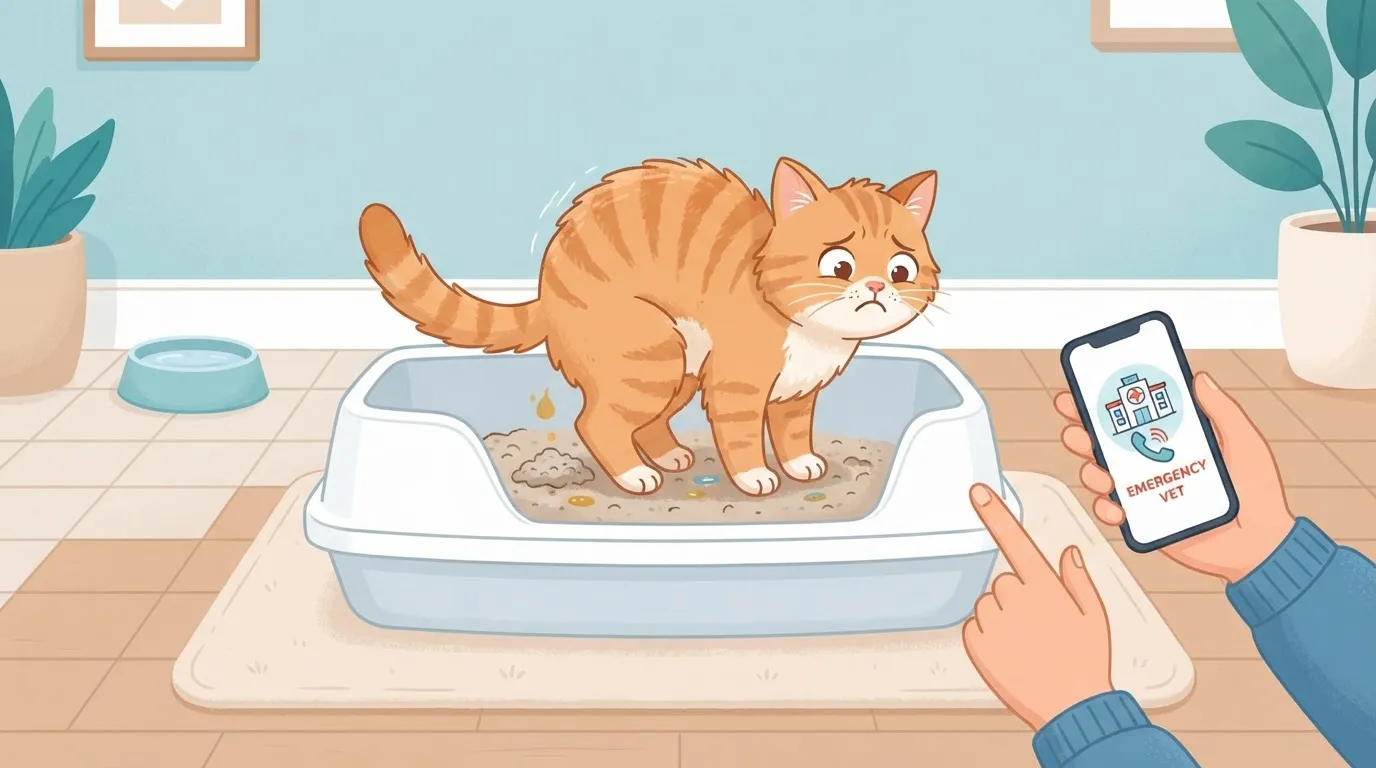
Contact the veterinarian promptly if the cat stops eating, seems very lethargic, vomits repeatedly, has difficulty urinating or shows a marked decline in its general condition. In an emergency, follow the instructions of the relevant veterinary service.
Preparing kidney check-ups and follow-up appointments
Kidney check-ups for cats help assess how the condition is progressing and how effective the care plan is. The frequency is determined by the veterinarian based on the clinical picture, test results and the cat’s response to treatment.
Before the appointment, prepare a brief note including:
- questions that have come up in recent weeks;
- a diary of appetite, water intake, litter box use and behavior;
- an up-to-date list of medications, supplements and foods;
- any practical difficulties with administering treatment;
- documents or reports requested by the clinic.
Use a stable carrier and introduce it gradually, with a cloth carrying a familiar scent. Reducing travel stress does not replace treatment, but it may make the experience more tolerable for the cat and easier for the person accompanying them.
FAQ
Can chronic kidney disease in cats be managed at home?
Yes, many daily activities take place at home, including meals, observation and prescribed treatments. However, the plan must be established and reassessed by the veterinarian.
What should I record in a diary for a cat with chronic kidney disease?
Focus mainly on appetite, behavior, water intake, litter box use, vomiting episodes, treatments and persistent changes. Simple, regular information is more useful than occasional, highly detailed notes.
If my cat refuses the prescribed diet, can I replace it on my own?
No. Tell the veterinarian about the refusal. They can assess alternatives compatible with the cat’s needs and explain how to introduce any changes.
A well-organized routine can make managing chronic kidney disease clearer and more manageable. With PawsPet, you can collect reminders, notes and appointments in your cat’s health profile, so you arrive at check-ups with organized, useful information.