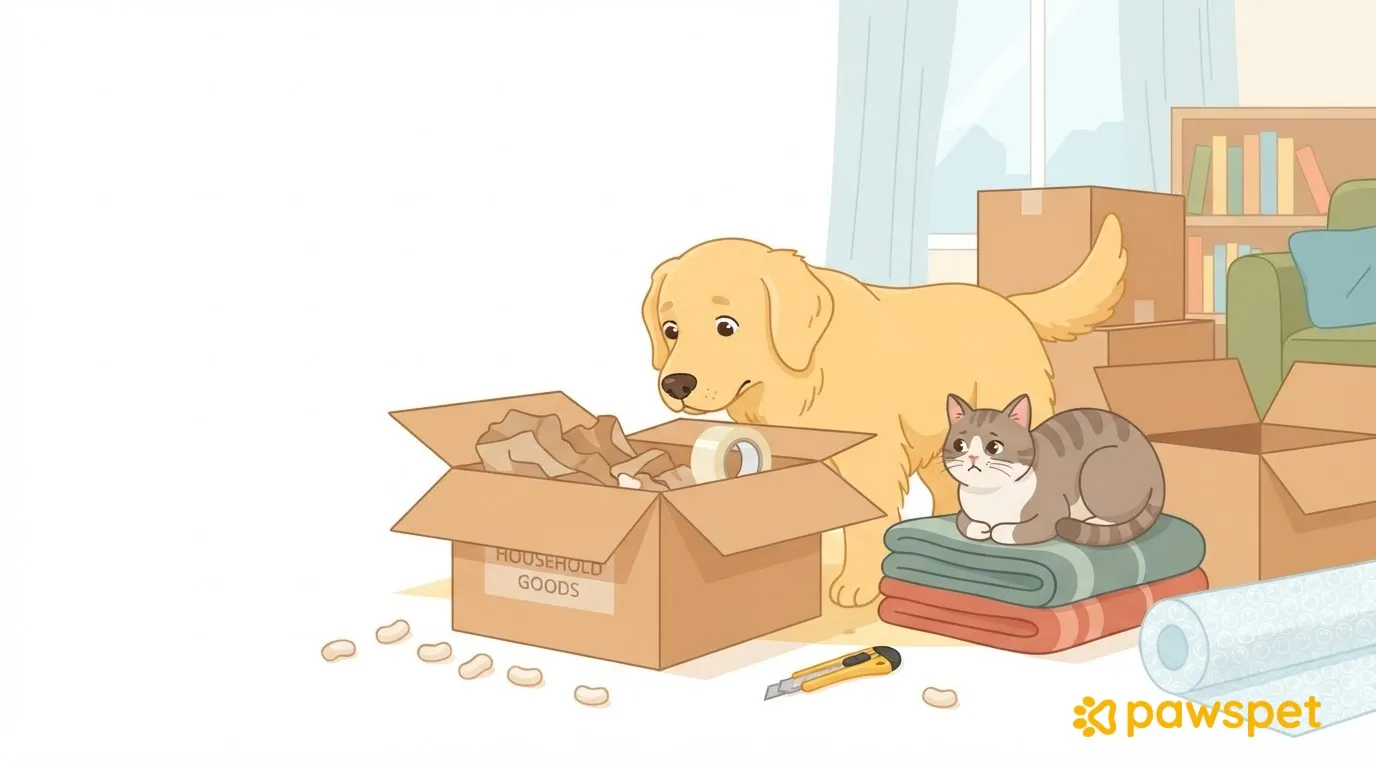
During the first few weeks, an adopted adult dog who is still unfamiliar with the home, its people, and the neighborhood may look for a way out or squeeze into places where they could get hurt. Prevent escapes and accidents before your dog arrives: check all exits, move hazardous foods and products out of reach, and block off risky hiding places. Then prepare a quiet area and identification. To make sure you don’t miss anything, look at your home from your dog’s eye level.
A tour of the home at your dog’s level
Do this with everyone who will live with the dog: half an hour is enough, and each person will notice different things. Go room by room, crouch to your dog’s eye level, and note three things: what they can reach, where they can squeeze in, and where they could get out. Use the table as a checklist, starting with the exits.
| Area | Risk | What to do |
|---|---|---|
| Front door | Sudden escape | Use a gate or interior door; set a rule for everyone |
| Balcony and windows | Wide railings, footholds, low windows | Close gaps and windows; move pots and chairs |
| Garden or yard | Holes, diggable ground, weak locks | Repair the fence and latches |
| Kitchen | Food and trash within reach | Clear counters; keep the trash can closed |
| Bathroom and laundry room | Medication and cleaning products | Keep cabinets closed |
| Utility room or garage | Car and garden products | Keep the door closed and products up high |
| Living room with cables and furniture | Cables, spaces behind furniture | Gather cables and block off gaps |
Front door and car doors
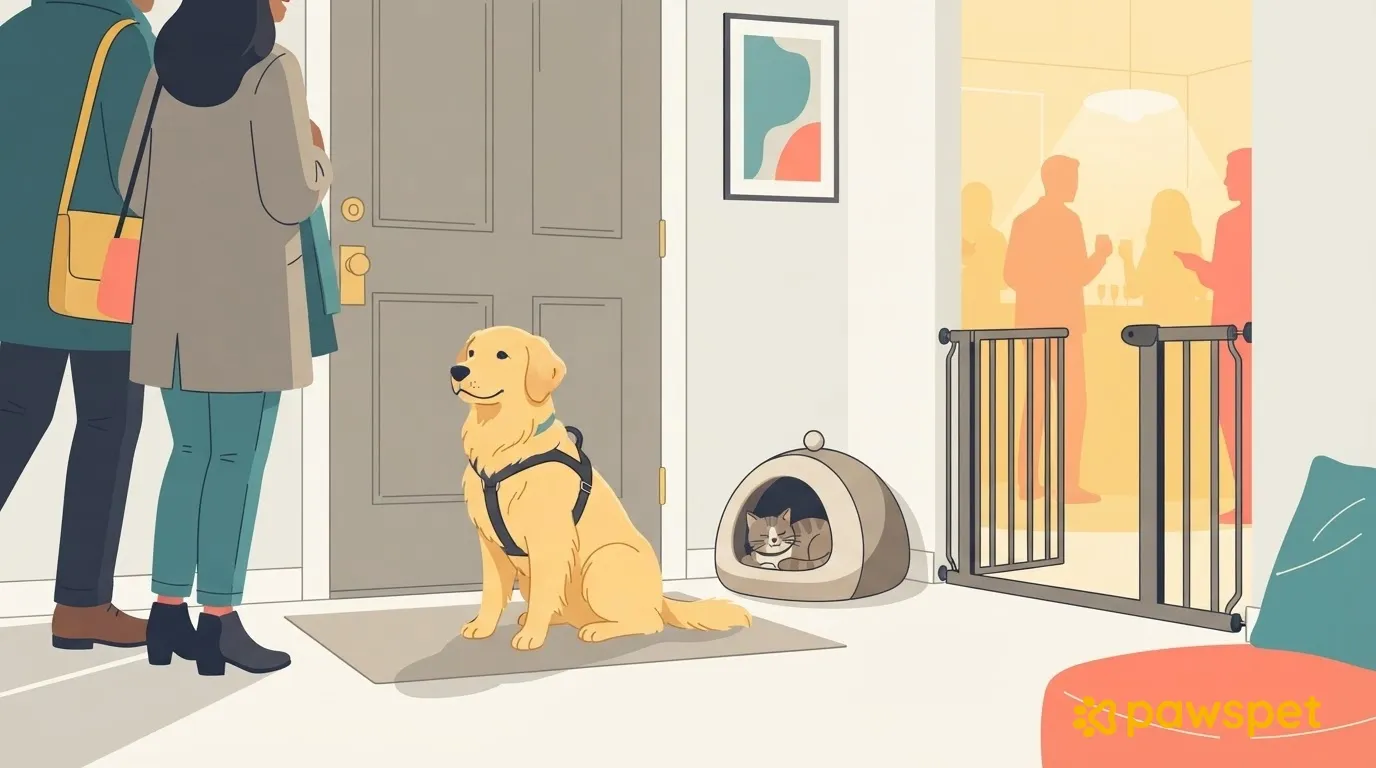
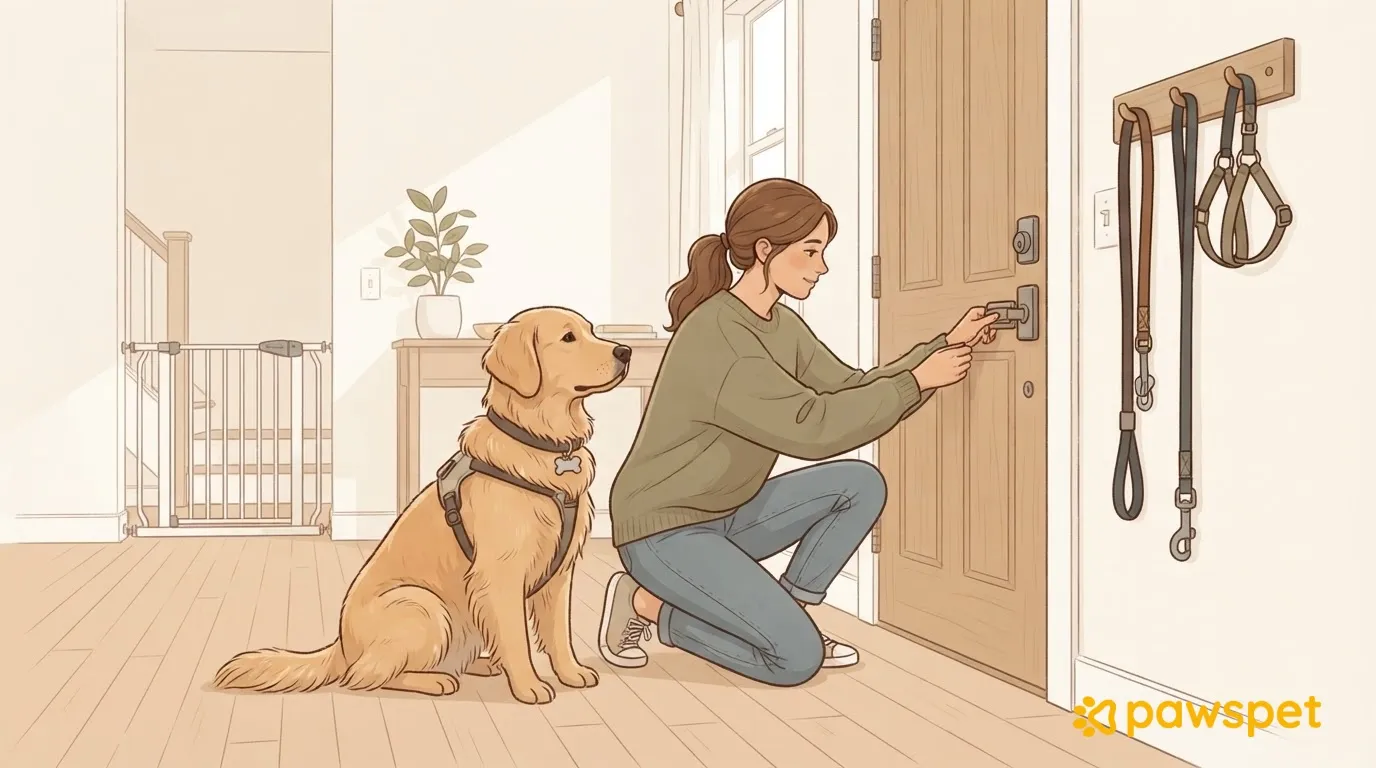
Agree on a rule with the whole family: before opening the door, check where the dog is, and if they’re near the entrance, move them away or keep them on a leash.
If possible, create a buffer zone in the entryway: a gate or closed interior door prevents the front door from opening directly onto a loose dog.
Delivery drivers, guests, and children may come and go while distracted. Explain the rule to children and, when someone rings the bell, take the dog into another room.
Clip on the leash before opening the front door or any car door: a frightened dog can bolt in an instant.
Balconies, windows, and the garden
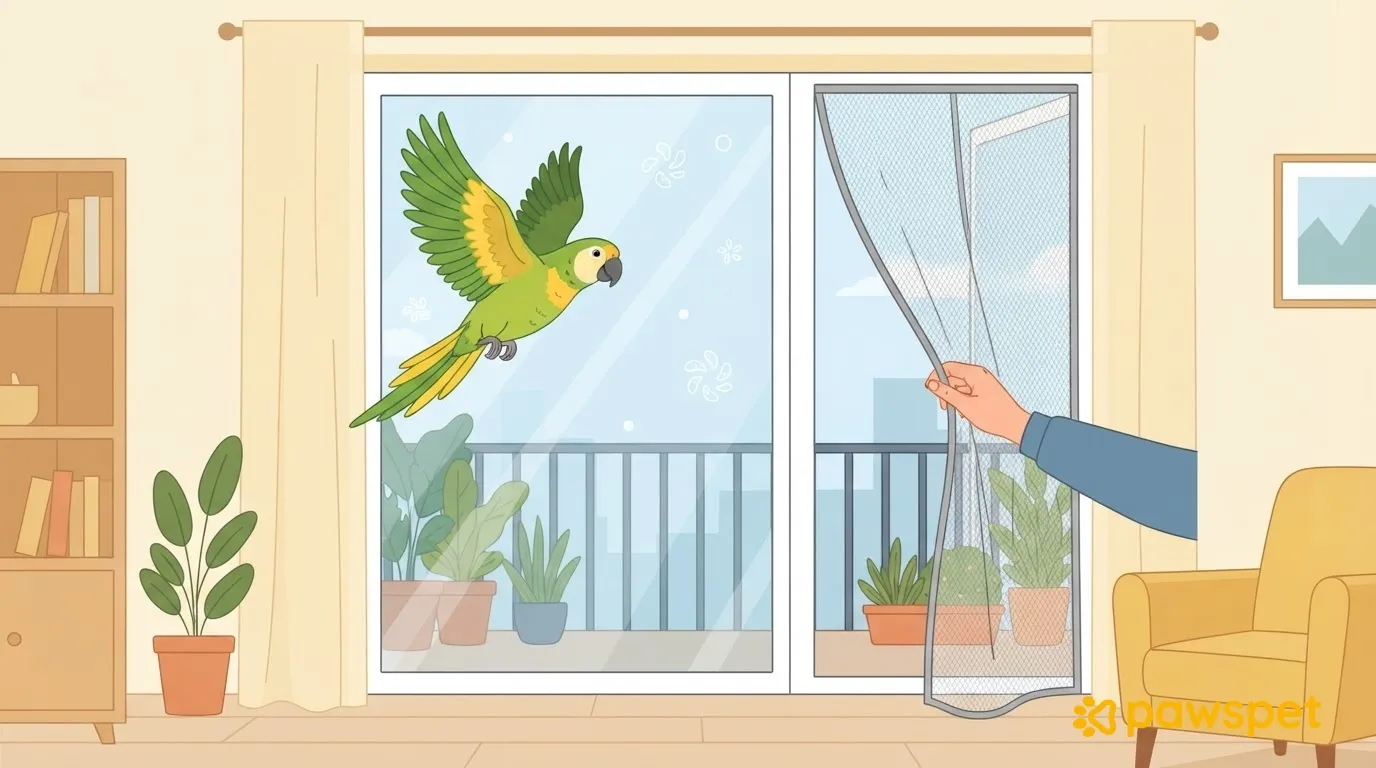
On the balcony, check the gaps between the railings. If a small dog could get through, close them off with suitable protection, and move pots and chairs away from the railing so they can’t be used as steps. When it’s warm, from late spring onward, don’t leave low windows open if the dog is in the room without you.
In the garden, look for holes in the fence and places where the ground is easy to dig, and check that gates and locks can’t be pushed open. There are no measurements that work for every dog: ask the shelter or rescue whether your dog has ever jumped, dug, or forced their way through a fence, and adjust the barriers accordingly. At first, let your dog into the garden on a fixed-length long leash or under supervision.
Kitchen, bathroom, and storage areas: what to keep out of reach
Close away or move out of reach:
- the trash can (with a lid or inside a closed cabinet);
- food left on the table or countertop;
- human medication;
- cleaning products and products for the garden and car.
Some foods are dangerous for dogs, including chocolate, products containing xylitol (check the labels), grapes, and raisins. Ask your veterinarian about specific plants and products in your home. If you suspect your dog has swallowed something dangerous, call your veterinarian right away without waiting for symptoms to appear.
Block off risky hiding places and provide a safe retreat
A fearful dog may try to hide. Block access behind appliances and furniture with cables, and under beds that are too low to get them out from under easily. If they hide, never drag them out: let them come out when they feel ready.
Before bringing your dog home, prepare a quiet area away from foot traffic, with a bed and fresh water. Set it off with a gate or a partly closed door: it’s a place where they can retreat and where no one will disturb them, including children.
Identification and equipment for the first outings
- An ID tag with your phone number, worn at all times.
- A well-fitted harness that they can’t slip out of backward.
- A double attachment to the collar and harness if the shelter says the dog is fearful or tends to slip out of their gear.
- No retractable leash and no off-leash walks until you know how they react and their recall is reliable.
Ask the shelter or veterinarian how to update the contact details linked to the microchip after adoption, and whom to notify if your dog goes missing in your area.
Prepare a backup plan too: keep a recent full-body photo and the microchip number ready to share with the shelter, veterinarian, and neighbors if your dog wanders off. To keep them close at hand, you can save the microchip number, which can be copied with one tap, and up to six photos in the animal profile in the PawsPet app for owners.
Before bringing your dog home: three things not to put off
- Agree on the door rule with the whole family.
- Prepare and set off the quiet area.
- Keep the ID tag, a recent photo, and the microchip number close at hand.
On the weekend before bringing your dog home, tour the house at your dog’s eye level with everyone who will live with them, and take care of the things you noted.