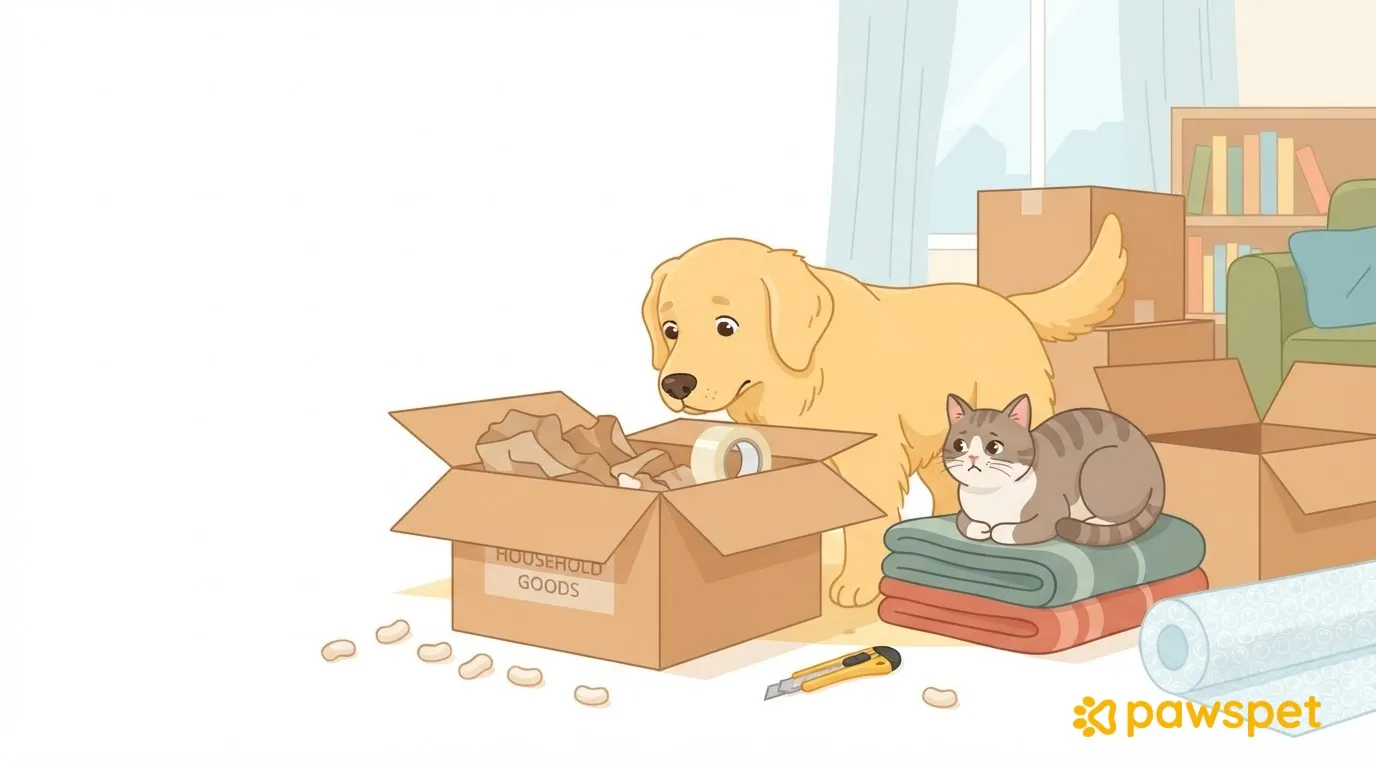
In the first few months, keeping your home safe for a puppy mostly means changing a few adult habits: many risks come from everyday actions, like leaving a bag on the sofa, shoes by the front door, or the door open for a delivery driver. Four simple rules, agreed on by the whole family, can make a difference:
- keep the floor clear up to the height of your puppy’s nose;
- keep anything they could swallow up high or behind closed doors;
- whoever opens a door knows where the puppy is;
- when no one is watching, keep the puppy in a safe area.
No home is completely risk-free, but a few shared rules reduce the chances of swallowing something, chewing cables, falling, or running away.
Take a puppy-level tour of your home
Walk through every room at your puppy’s level and note anything they can reach: puppies explore with their mouths, too. Check cables and power strips, curtains and cords, rugs with fringe, furniture they could crawl under, and small objects such as hair ties, bottle caps, batteries, magnets, and children’s building blocks.
Some plants can be toxic to dogs. Ask your veterinarian to check the specific plants you have at home and, in the meantime, keep them out of reach.
Then decide, room by room, whether your puppy is allowed in and under what conditions: always, only when an adult is present, or never. For example, keep the children’s bedroom off-limits because it is full of small pieces.
The adult habits that matter most
Bags, backpacks, and pockets
Medication, supplements, gum, candy, cigarettes, and snacks often end up in bags, backpacks, and pockets. Hang them up high or put them in a closed cupboard—never leave them on the floor or on low chairs. When you get home, hang your bag on a hook instead of leaving it on the sofa.
Shoes, socks, and laundry
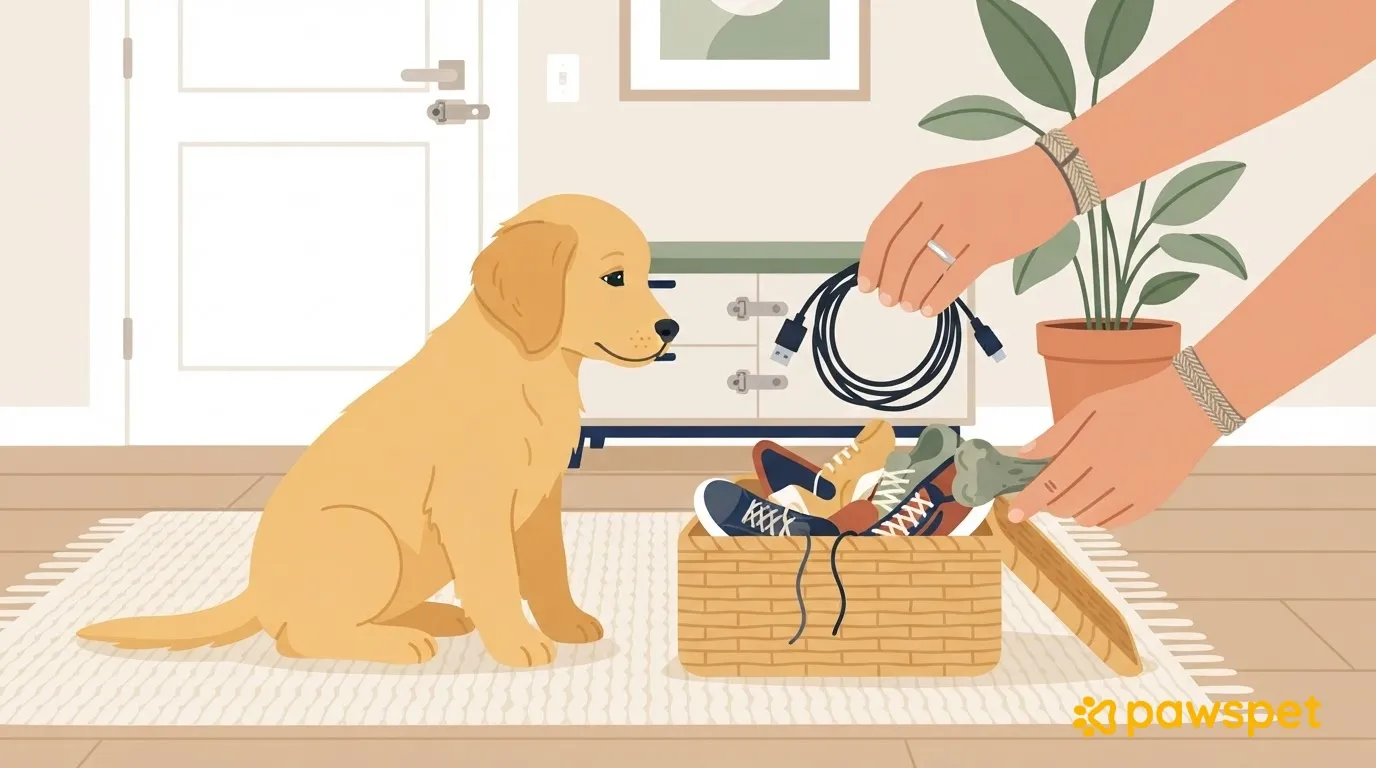
Shoes and socks are easy to chew and carry off. Keep shoes in a closed shoe cabinet by the front door, and put laundry in a hamper with a lid or out of reach. A sock left on the floor can be in your puppy’s mouth in an instant.
Cables and chargers
Lift cables off the floor, bundle them in cable covers, and unplug chargers when they’re not in use. For example, move the phone charger next to the sofa onto a shelf.
Trash cans and leftovers
Use trash cans with lids or keep them inside a closed cabinet, and don’t leave leftovers on low tables. After dinner, take plates and glasses straight back to the kitchen instead of leaving them in front of the TV.
Medication, including your dog’s
Keep all medication in a closed cabinet, including flea and tick treatments and veterinary medication. Never leave it on a bedside table. Take your evening dose, then put the package straight back where it belongs.
Cleaning
Keep your puppy in another room while you clean the floors and bathrooms. Put buckets and bottles back where they belong immediately, and close them.
Doors, gates, balconies, and windows in warmer weather
Doors and windows stay open longer, and delivery drivers, guests, and children come and go, creating more opportunities for escapes and falls. Here’s what to do:
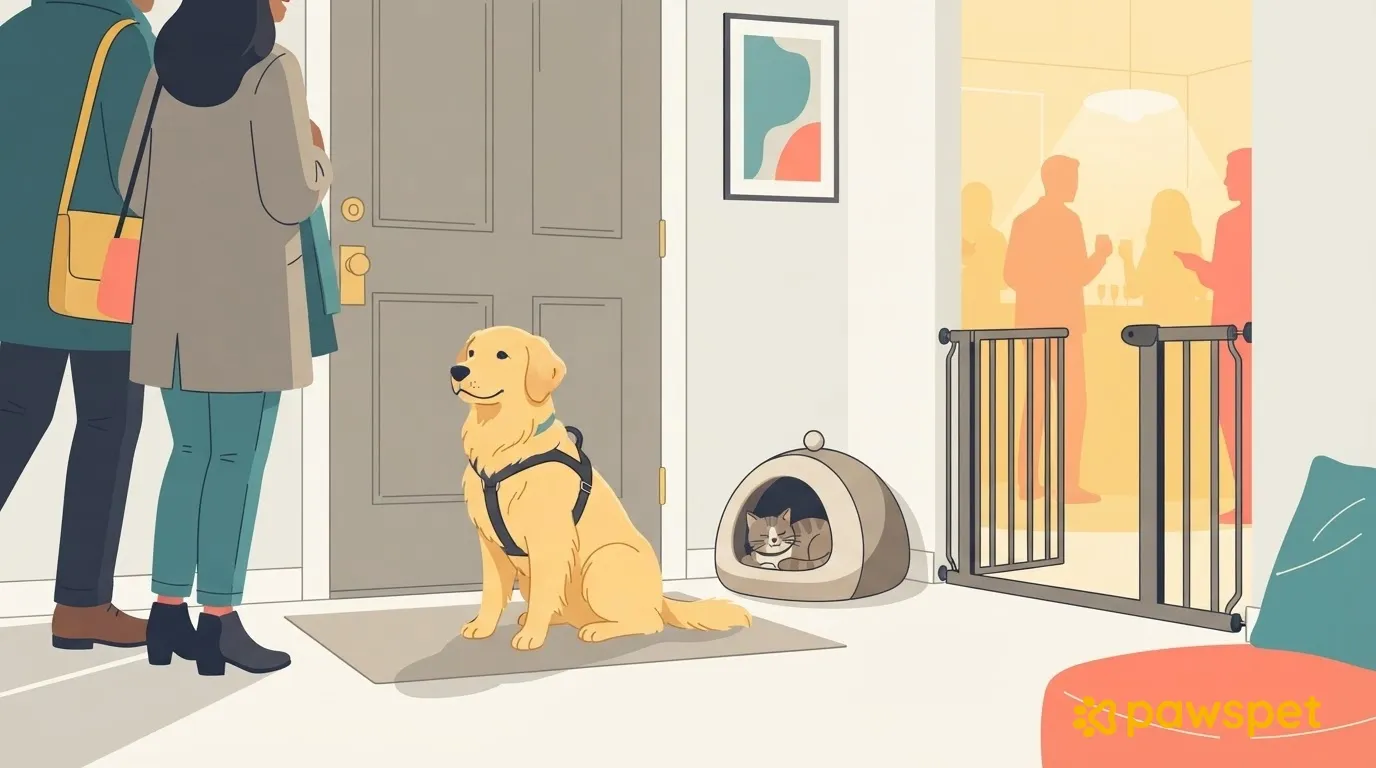
- before opening the door, an adult checks where the puppy is or puts them in the safe area, even just to collect a package;
- use a gate or closed door to separate the entrance from the living area;
- allow access to the balcony only when an adult is present: check the gaps between the railings and any furniture the puppy could climb on;
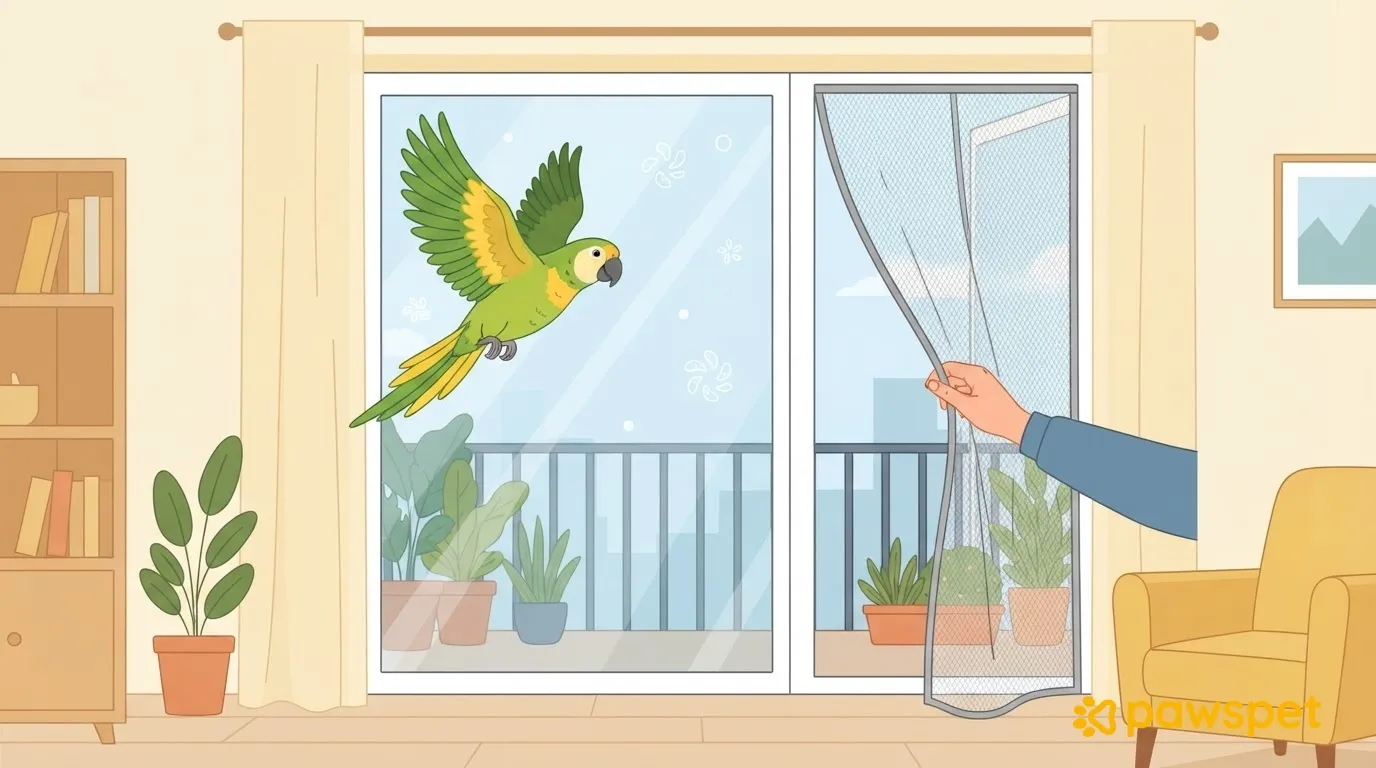
- open low windows only while the puppy is under supervision, and make sure window screens are securely fastened;
- check the garden fence and keep fertilizer, garden products, and bait locked away in a shed;
- when your puppy is outside, make sure they have shade and water.
If your puppy does manage to get out, it helps to be prepared. Ask your veterinarian to check that your puppy is identified as required, and keep recent photos and the microchip number handy. To always have them at hand, you can store up to six photos and the microchip number in your puppy’s profile in PawsPet. You can copy the number from the Identification section with a tap.
A safe area for when no one can supervise
Set up a place where your puppy can settle when the adults are busy: a playpen, a room with a gate, or a defined area. Put a bed, water, puppy-safe chews, and a pee pad in the area if needed. Keep cables, curtains, and small objects out of reach.
Your puppy should be loose in the home only when an adult is actively watching them. When everyone is busy with something else (cooking, phone calls, cleaning), put the puppy back in the safe area. During the busiest times, such as meal preparation or morning departures, decide who is on puppy duty: one person whose only job is to watch them.
If your puppy swallows something
Even a suspicion is enough to take action:
- Call your veterinarian or the nearest emergency veterinary clinic right away, even if your puppy seems fine.
- Keep the packaging or a piece of the object.
- Note what they swallowed and when, if you know.
- Do not induce vomiting or give any remedies unless your veterinarian tells you to.
Save your veterinarian’s number and the number of your local emergency veterinary clinic on every adult’s phone today, so you don’t waste time looking them up when you need them.
The weekly home safety check
Each weekend, check these points together:
- new objects on the floor, including bags and shoes;
- cables and chargers still lifted and bundled;
- trash cans closed and no leftovers within nose’s reach;
- broken or damaged puppy toys: throw them away;
- gates and locks still working;
- balcony and garden: railings, fence, and products locked away in the shed;
- medication, including your dog’s, put away.
Adopt the four rules today and explain them to all adults and children: they work best when everyone knows them.