Checking your home before leaving your adult dog alone while you work takes just a few minutes if you follow the same routine every time: your dog’s space, hazards within reach, water and comfort, items left out, and a plan for who can step in if needed. In a household, the last person to leave is responsible for the check.
The space where your dog stays
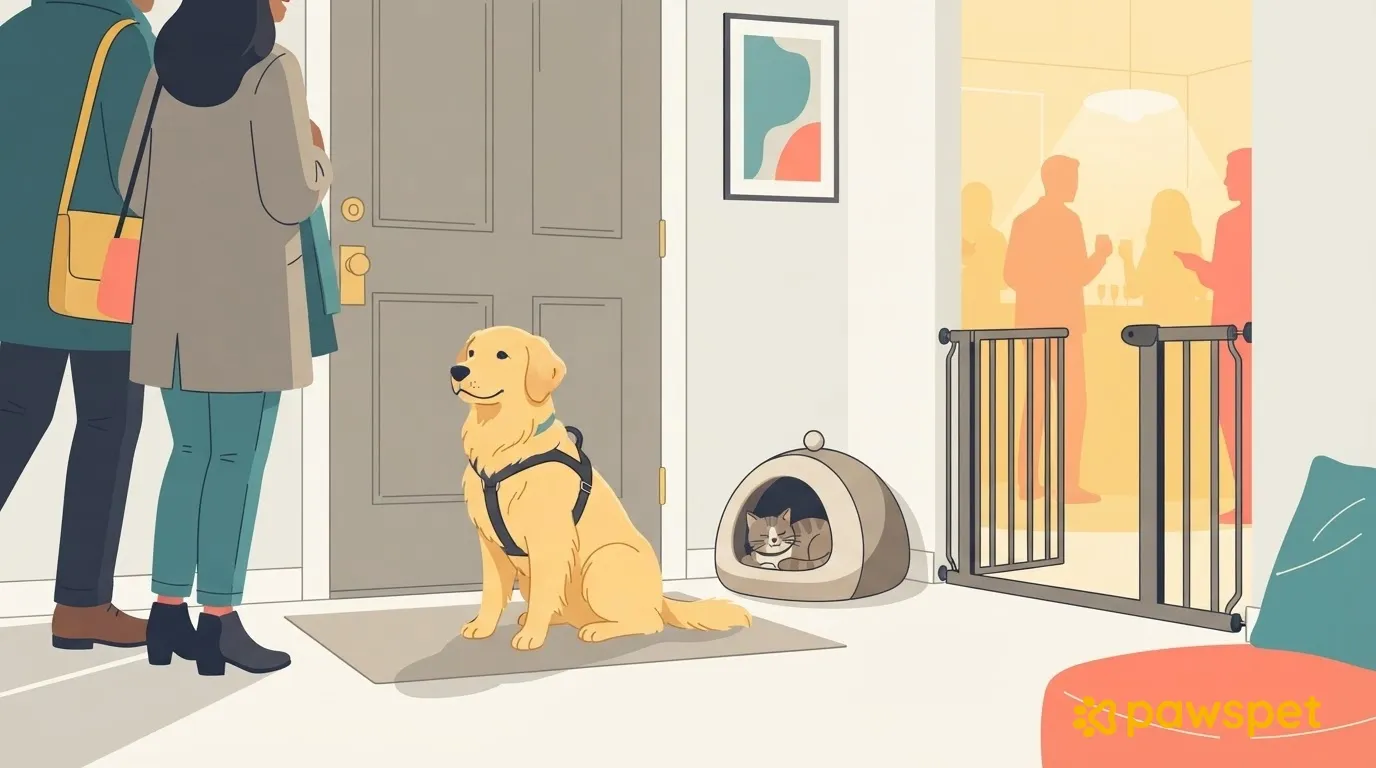
- Choose a suitable area or room; close the doors to rooms with hazards or use a baby gate.
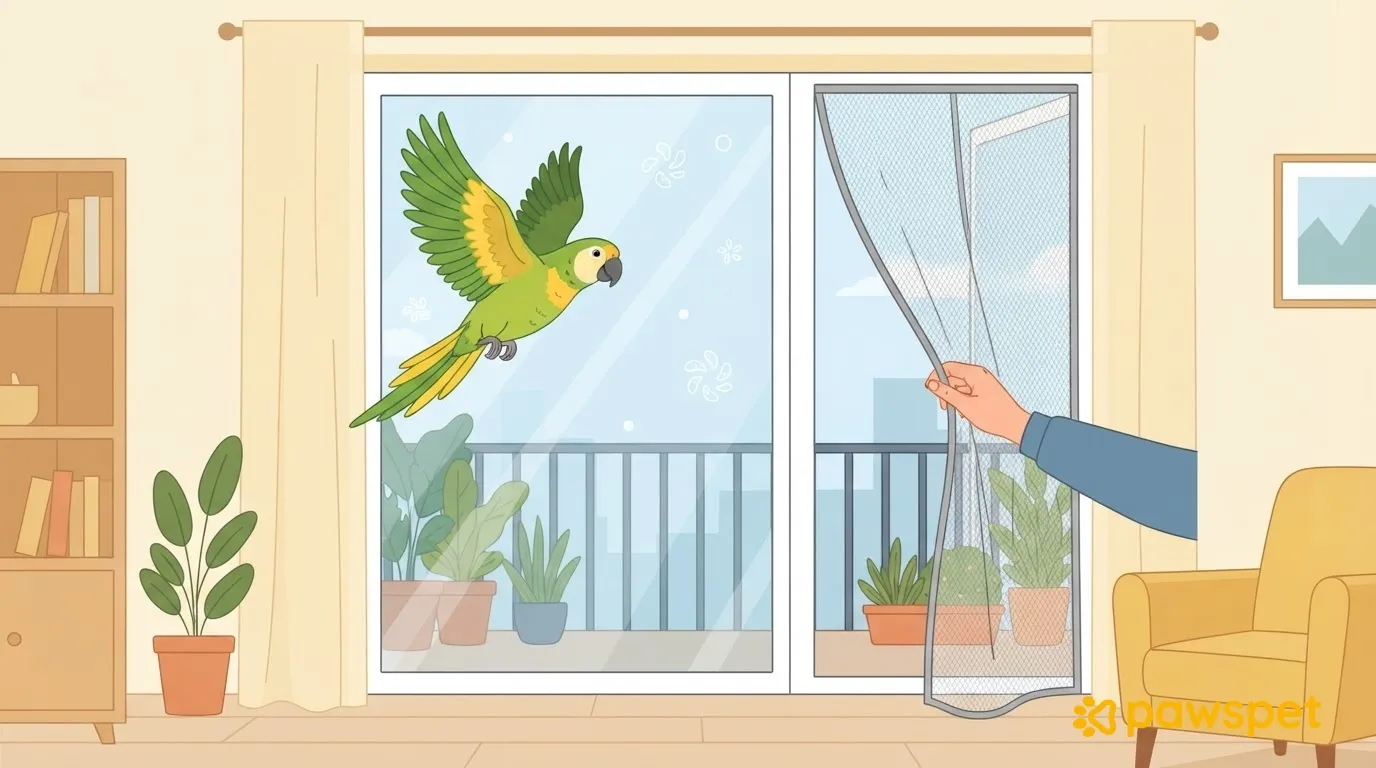
- Don’t allow free access to balconies or terraces. Make sure windows are closed or secured and that the front door closes properly.
- Remove the leash and harness if they could get caught.
- Use a crate or playpen only if your dog is already used to it and is comfortable there. Don’t treat it as a solution for the whole day without discussing it with a professional.
Check for hazards within reach
Go through these points in the same order each time, without assuming everything is as it was yesterday.
- Clear food, including chocolate, from tables, kitchen counters, sofas and bedside tables.
- Close the trash can or keep it inside a closed cabinet.
- Put all family members’ medications and supplements in closed cabinets.
- Keep detergents and cleaning products out of reach.
- Check and put away bags and backpacks, especially if they contain food.
- Keep cables and chargers out of reach.
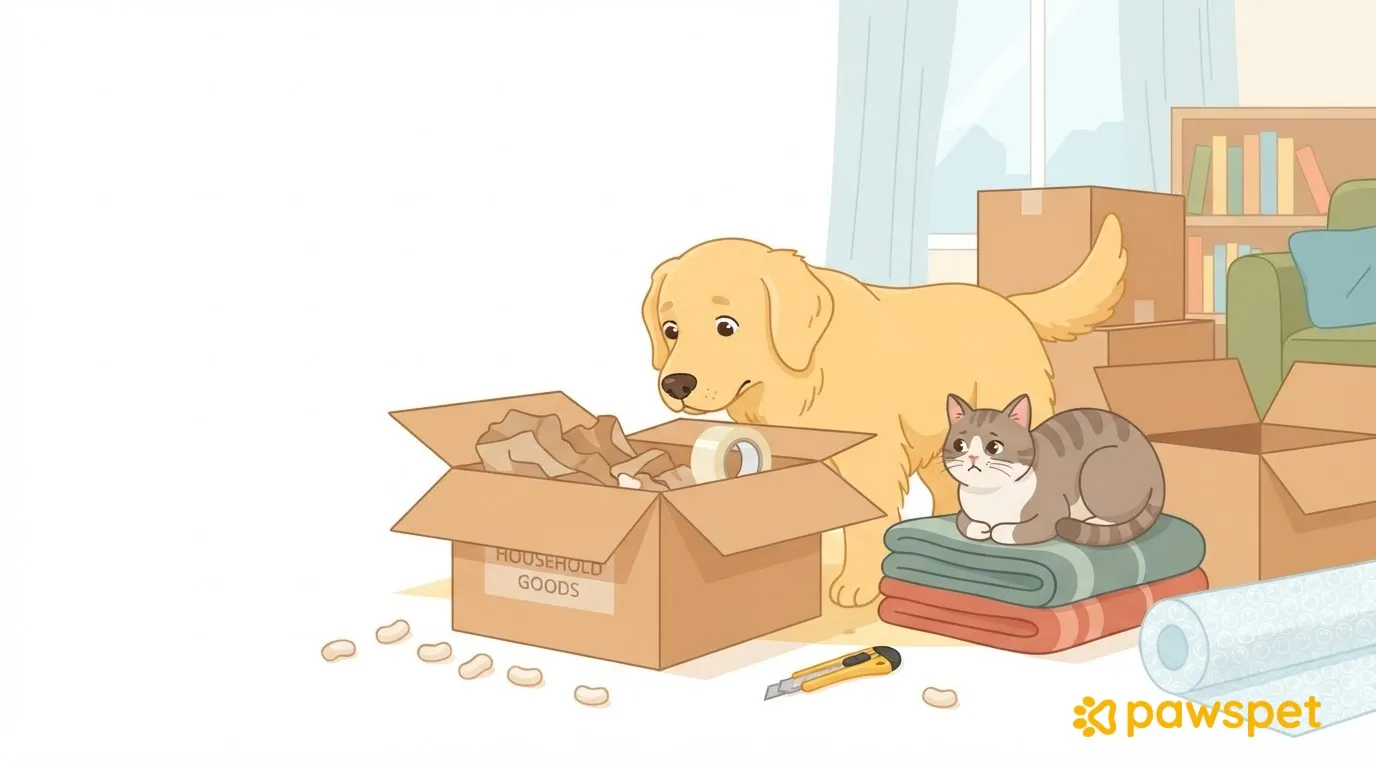
- Pick up socks, elastic bands, small objects and children’s toys.
- Move plants whose safety you’re unsure about out of reach and ask your veterinarian to check whether they’re safe.
- Close the dishwasher, washing machine and drawers.
If you suspect your dog has swallowed something, contact your veterinarian right away: don’t wait to see if symptoms appear.
Water, comfort and items to leave out
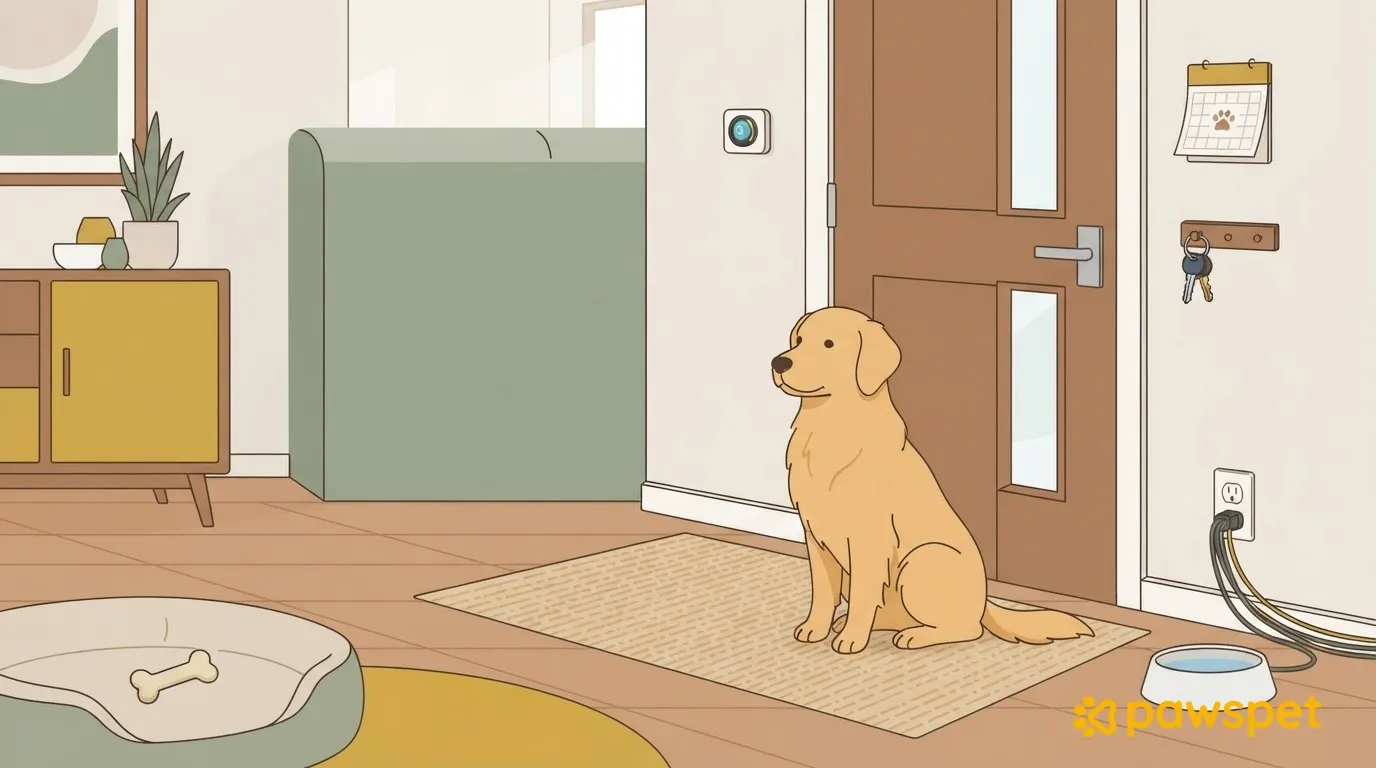
- Leave fresh water in a stable bowl that’s difficult to tip over.
- Place your dog’s bed away from radiators, heaters and drafts. If the heat is on, check the temperature right where your dog will be: it should be comfortable, and your dog shouldn’t be left in a cold room. Don’t leave portable heaters or flames within reach.
- Leave only toys and chew items your dog has already tried while you were present. Remove anything that breaks into pieces your dog could swallow or frays, and check its condition before you leave.
- Leave food toys only if your dog has already tried them while you were present.
Who can step in if something happens
- Identify someone nearby who has a key, such as a family member or trusted neighbor. Agree on what to do if you can’t get home or your dog needs help.
- Keep the numbers for your veterinarian and the nearest emergency veterinary clinic handy; don’t wait until you need them to look them up.
- Prepare essential information: allergies, current treatments, your veterinarian’s name and contact details, and your own contact details. Leave the numbers and instructions on a sheet of paper near the door, too.
- Check that the contact details linked to your dog’s microchip are up to date.
To make sure the person with the key knows about your dog’s allergies and treatments, you can share your dog’s profile in the PawsPet app.
From your dog’s profile, open ⋮ » «Sharing», turn it on, and use «Copy» or «Share» to send the read-only link. The page is public to anyone who has the link: it shows basic details and a health summary, not documents or a passport. Turning sharing off disables the link; turning it back on restores the same code, and the link you already sent becomes valid again. Share it only with people you trust.
If that person already has a PawsPet account, you can instead add them by opening ⋮ » «Collaborators» » «Add collaborator» and choosing permissions by section, such as view-only access to «Health». Share emergency numbers separately.
Long days: arranging a break
There’s no single number of hours that works for every dog: age, health, habits and the need to go outside vary from dog to dog. If you’re unsure, talk to your veterinarian or a trainer.
On long days, consider arranging a midday visit from a family member, neighbor or dog walker, or using dog daycare.
Repeat the routine in the same order every morning until it becomes automatic, and leave it to the last person to go out.
FAQ
Does leaving the radio or TV on help?
There’s no rule that works for every dog: for some, it’s familiar background noise, but it doesn’t replace walks, activities and companionship.
Can a camera be useful?
It can help you understand how your dog spends their time, but check the privacy settings. It doesn’t replace an emergency plan: someone still needs to be able to step in.