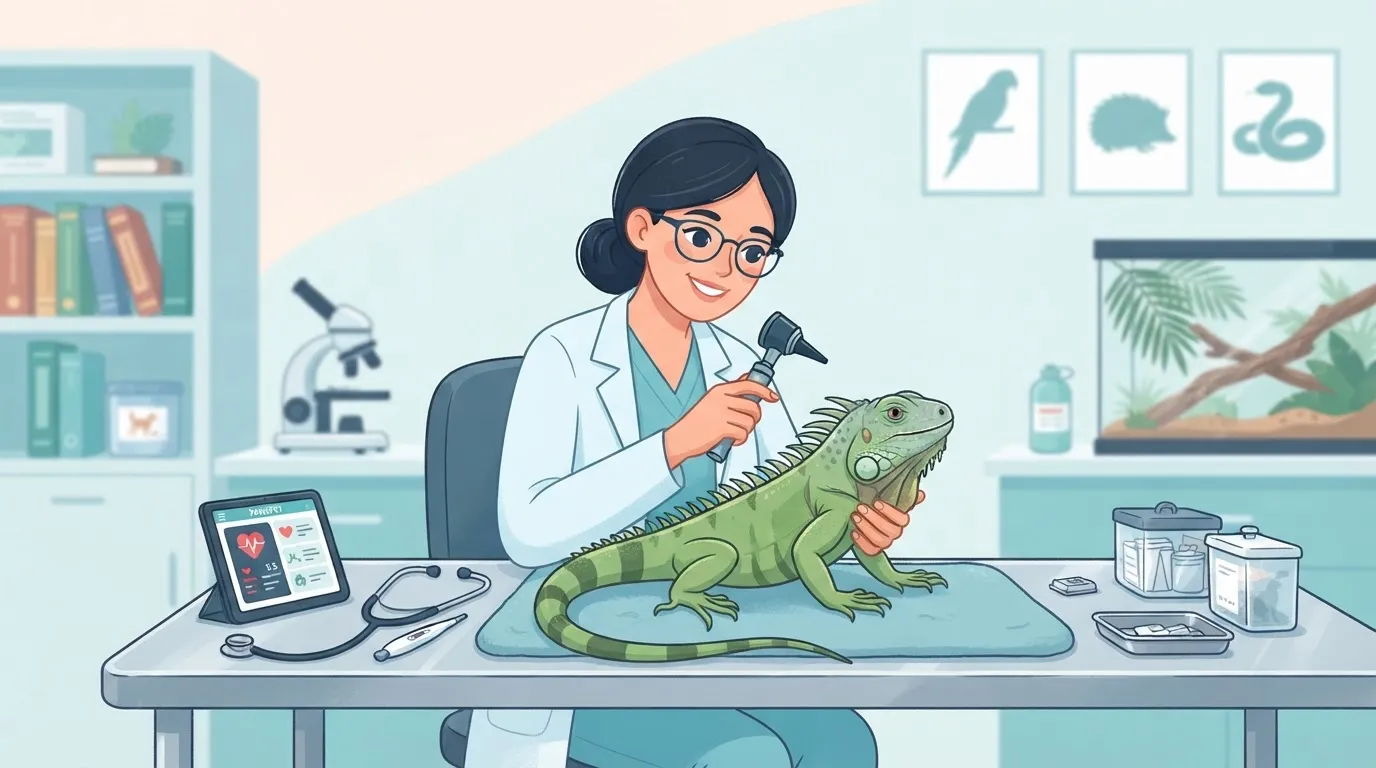
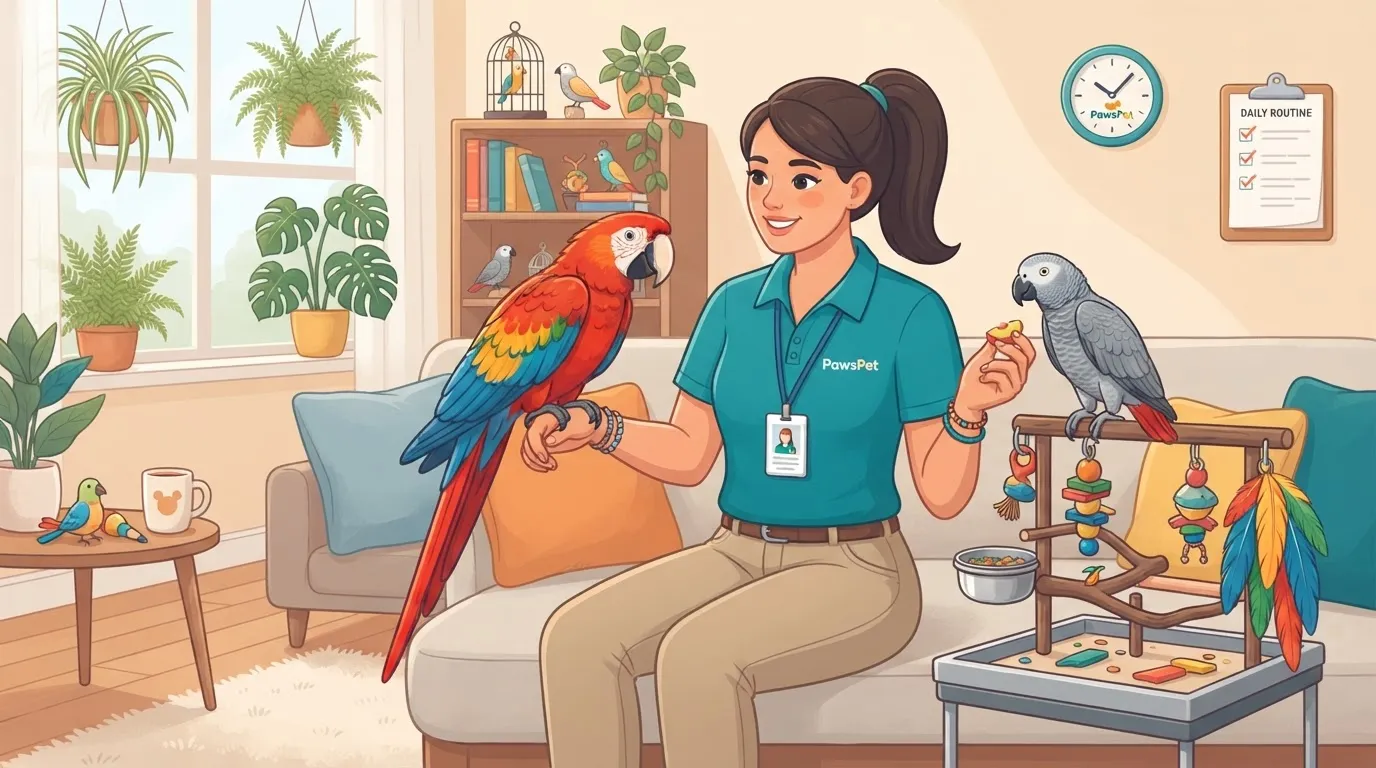
An exotic pet veterinarian is not simply a professional who treats animals other than dogs and cats. They need to understand the specific needs of each species, the often subtle signs of illness, and the procedures most appropriate for them. For rabbits and parrots, choosing the right veterinary provider can make prevention easier and help ensure prompt action when needed.
The ideal choice should not be postponed until an emergency. Finding a non-traditional pet clinic in advance allows you to schedule checkups, gather medical records, and know whom to contact if a problem arises.
Why rabbits and parrots require specific expertise
Rabbits and parrots may hide signs of discomfort or illness for longer than other animals. Their anatomy, diet, behavior, and clinical care also differ significantly between species.
An exotic pet veterinarian with relevant experience can assess factors such as:
- daily diet and body condition;
- teeth and chewing in rabbits;
- feathers, beak, feet, and breathing in parrots;
- stool quality, eating habits, and behavioral changes;
- the home environment, hygiene, enrichment, and possible sources of stress;
- handling and examination methods that are less stressful for the animal.
This does not mean that a general veterinarian cannot provide initial support. However, for targeted checkups or complex situations, it is useful to choose a veterinarian for non-traditional pets with documented experience with the species in your care.
How to evaluate an exotic pet veterinarian
Searching for “rabbit veterinarian near me” or “parrot veterinarian” is a useful starting point, but proximity should not be the only criterion. Before booking an appointment, contact the clinic and ask clear questions.
You can ask:
- Does the clinic regularly treat rabbits or parrots? It is important to distinguish occasional experience from regular work with that species.
- Who provides the examinations? Find out whether a veterinarian has specific training or professional experience with non-traditional pets.
- Which tests can be performed on-site? Diagnostic imaging, laboratory testing, and hospitalization may be useful, especially if the animal needs further assessment.
- How are emergencies handled? Ask about opening hours, availability outside normal hours, instructions when the clinic is closed, and whether the clinic refers patients to an appropriately equipped facility.
- Does the clinic provide guidance on daily care? A good rabbit or parrot checkup considers diet, habitat, and routine, not only the reported symptom.
Also pay attention to the quality of communication. The veterinarian should explain options clearly, discuss any limitations, and recommend monitoring or further tests when appropriate.
Clinic equipment and organization
You do not need to become an expert in veterinary equipment, but certain organizational details can help you understand whether a clinic is prepared. For example, quiet areas, suitable housing for different species, and protocols for handling delicate animals can make a difference.
During your first contact, consider whether the clinic:
- asks in advance about the species, age, diet, and reason for the visit;
- provides instructions for safe transportation;
- limits, whenever possible, exposure to noise or animals that could frighten rabbits and parrots;
- can coordinate specialist appointments or transfers if necessary;
- provides clear written instructions after the visit.
For a rabbit, bring information about hay, pellets, vegetables, appetite, stools, and recent behavior. For a parrot, note its diet, feather changes, environment, possible exposure to fumes or irritating substances, and changes in vocalization. Photos or short videos of unusual behavior may be helpful, but they do not replace a clinical examination.
Preparing for the first visit and recognizing priorities
The first visit is also an opportunity for preventive care. Bring any test results, records of previous treatments, a list of products used, and written questions. When you are worried, it is easy to forget important details.
Do not give medications, supplements, or remedies found online without veterinary guidance. Even commonly used products may be unsuitable for a particular species or condition.
Contact a veterinarian promptly if you notice a marked and persistent change in appetite, stools, activity, posture, breathing, or ability to eat. If there may be an emergency, follow the clinic’s instructions and do not wait for the problem to resolve on its own.
With PawsPet, you can keep health information, appointments, and checkup reminders organized. Having up-to-date information readily available can make communication with your veterinarian easier and support continuity of care.
FAQ about veterinarians for rabbits and parrots
Can every veterinarian examine a rabbit or parrot?
A veterinarian may be able to provide an initial assessment, but for specific checkups or complex problems, it is preferable to choose someone with practical experience with the species. Ask the clinic directly before booking.
How often should a preventive checkup be scheduled?
It depends on the animal’s age, health, medical history, and the veterinarian’s recommendations. A scheduled checkup is useful even when the animal appears well, because some early signs may be difficult to notice.
What should I do if the exotic pet veterinarian is far away?
Identify both an experienced veterinarian and a closer clinic for initial emergency care. Ask in advance how referrals, out-of-hours availability, and transfers are handled, so you do not have to make every decision during an emergency.