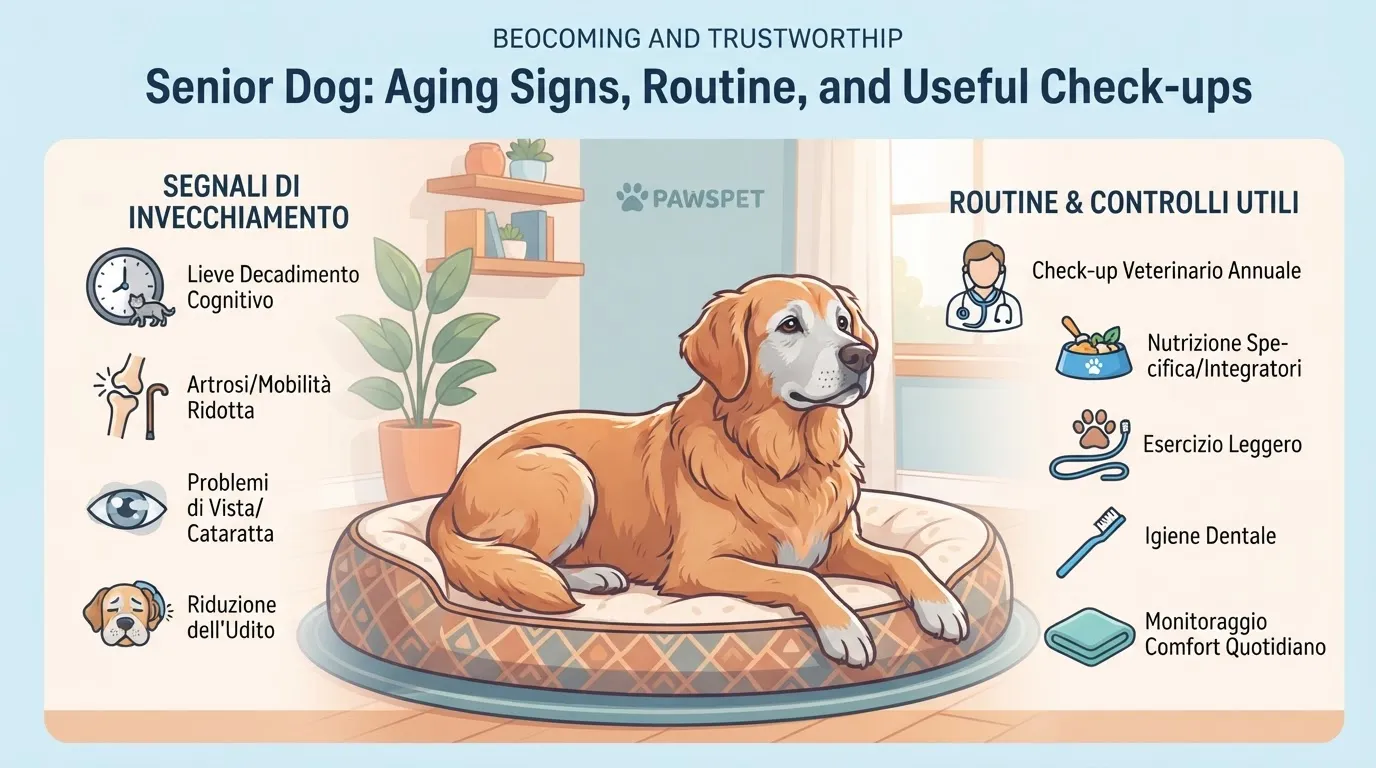
For a stay with a senior dog or a dog with limited mobility, ask for a room that is easy to reach, close to an exit, and cool. Bring the things your dog already uses at home, from their bed to any mobility aids. If your dog has known health conditions or is on treatment, talk to their regular veterinarian beforehand.
Before booking: questions about accessibility
Knowing that a property accepts dogs isn’t enough. Before choosing a hotel, B&B, farmhouse stay, or vacation rental, ask for these details.
- Which floor is the room on? Is there an elevator that reaches it? Are there any steps at the entrance or in the room? A ground-floor room or a step-free route reduces everyday obstacles.
- What type of flooring is there: glossy tile, marble, hardwood? Are there rugs? Slippery surfaces can make it difficult for a dog with weakness or pain to stand up and walk.
- How far is the outdoor area for bathroom breaks? Can it be reached at night? A nearby exit limits how far your dog has to travel when they need to go out.
- Is the room far from the elevator and noisy entrances? It also matters that your dog can rest without people constantly passing the door.
- Is parking close to the entrance? A short walk makes arrival and departure easier.
- Are there slopes, unpaved paths, or stairs on outdoor routes? Even the route for bathroom breaks should suit the distances your dog can manage.
- Is the room air-conditioned? In hot weather, check that it can stay cool during the hottest hours of the day.
Ask for photos of the entrance and room, and get written confirmation of the assigned room, including its floor and the agreed features. Don’t settle for the generic description “accessible.”
Talk to the veterinarian before you leave
If your dog has known health conditions or is on treatment, ask their regular veterinarian whether traveling is suitable for their situation. Describe the journey, its duration, and the accommodation.
Ask how to schedule treatments on travel days, which signs to watch for, and which documents to bring. Get written instructions and follow them; don’t adjust treatment on your own to fit the vacation schedule.
Packing list for a senior dog
Pack with rest, getting around, and continuity of care in mind:
- Your dog’s bed or mat from home and a familiar blanket, to provide a resting place they already know.
- Nonslip mats or runners, to cover the slipperiest areas of the room and the routes your dog uses.
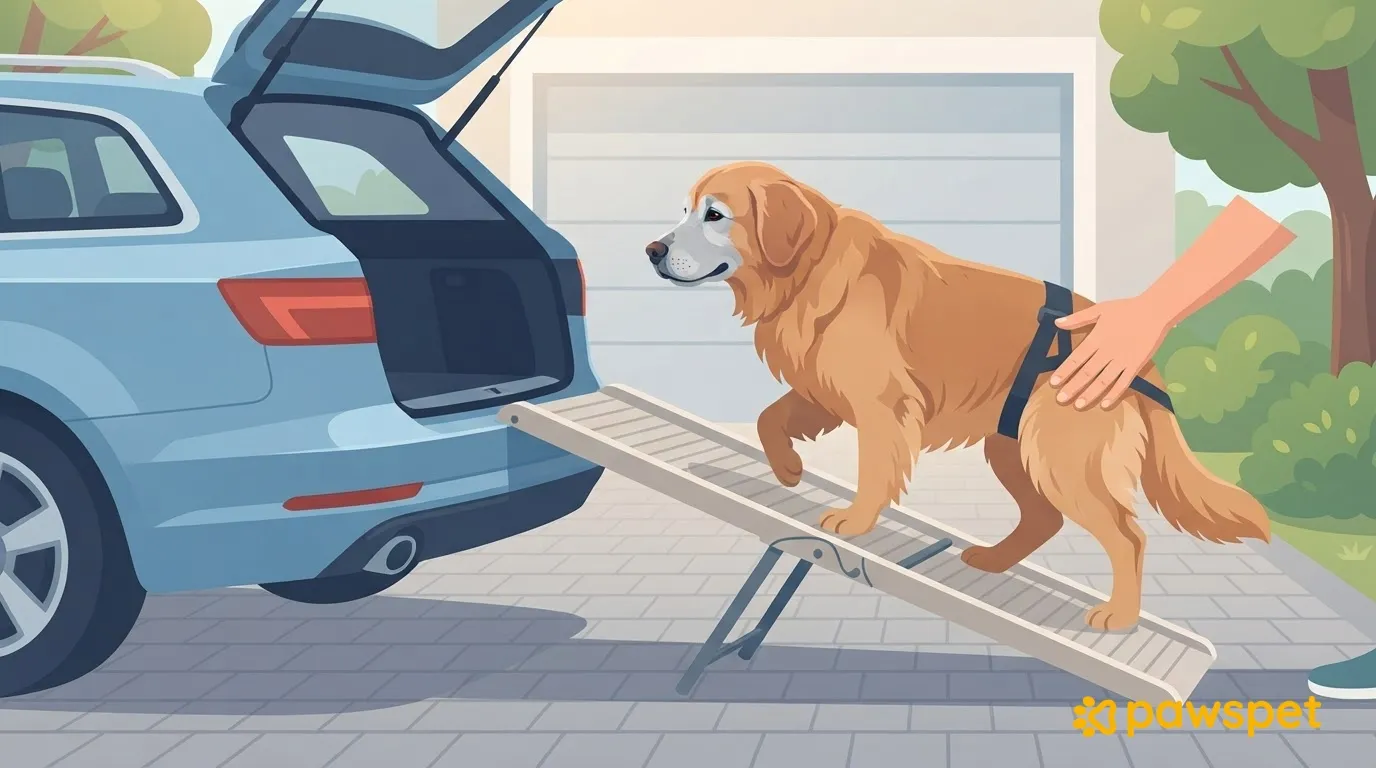
- Mobility aids your dog already uses, such as a support harness or ramp, so you can keep using familiar aids; don’t introduce new ones without your veterinarian’s advice.
- The same bowls you use at home, so you don’t have to change another part of the routine.
- Puppy pads and wipes, if you already use them, to manage your dog’s usual needs away from home.
- Prescribed treatments for the entire stay, plus extra supplies, so you don’t risk running out. Bring the original packaging along with the prescription or written instructions from the veterinarian.
- A list of current treatments, copies of recent test results, and your regular veterinarian’s contact details, to make it easier to explain your dog’s situation to a local professional.
If your dog needs to see a veterinarian while you’re away, you can show them treatments, visits, and test results saved in your dog’s “Health” profile in the PawsPet app, with photos or PDF files of reports attached.
At the property: take it slow and make small adjustments
When you arrive, let your dog explore the room at their own pace and cover slippery areas right away. Place their bed and water near their resting spot, avoiding unnecessary trips. Don’t let them jump off the bed or sofa, even if pets are allowed on the furniture.
Keep meal, walk, and treatment times similar to those at home, following the veterinarian’s instructions. Choose short walks during cooler hours, with breaks in the shade, and allow time to rest between outings.
On the first day, ask the property for the contact details of a nearby veterinarian or emergency veterinary service, rather than waiting until you need one.
Before booking, send the property your accessibility questions and, if your dog is on treatment, schedule a checkup with their regular veterinarian.
FAQ
What should I do if my dog gets worse during the stay?
Contact a local veterinarian. Bring a list of treatments and recent test results if available, but don’t delay contacting them to retrieve these documents. Don’t change treatments on your own, and don’t wait until you get home to ask for advice.