A senior dog still needs activity, mental stimulation, and closeness, but their pace, recovery time, and daily priorities may change. Recognizing the signs of dog aging early helps you adapt their routine without simply attributing every change to getting older.
Consistent observation, a safe environment, and scheduled veterinary checkups are the foundation for supporting your dog with care and respect for their needs.
Recognizing the signs of dog aging
The age at which a dog becomes a senior varies according to size, individual characteristics, and health status. Rather than focusing on a specific number, it is more useful to observe gradual changes in behavior, physical condition, and habits.
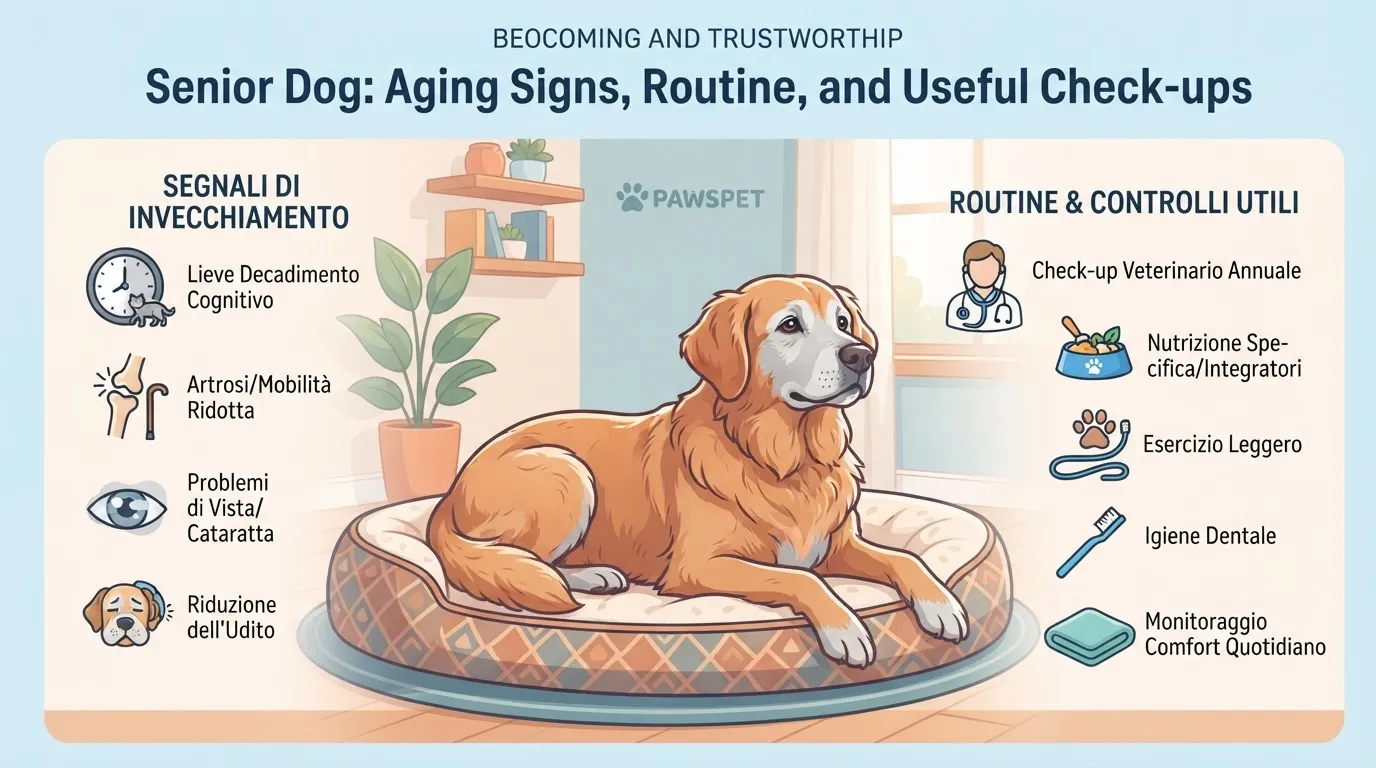
Common signs of dog aging include:
- reduced stamina during walks, play, or climbing;
- longer recovery times after activity;
- stiffness upon waking or difficulty getting up;
- more frequent sleep or changes in the sleep-wake cycle;
- unintentional weight loss or gain;
- changes in appetite, thirst, or elimination habits;
- different breath odor, difficulty chewing, or less interest in hard kibble;
- reduced hearing or vision, with greater hesitation in unfamiliar environments;
- confusion, evening restlessness, or changes in social interactions.
A single sign does not necessarily point to a specific problem. However, if a change is sudden, worsens quickly, or affects your dog’s quality of life, speak with your veterinarian.
Adapting a senior dog’s routine without making it too sedentary
Senior dog care calls for a predictable routine, but not an inactive one. Dramatically reducing movement can contribute to loss of muscle tone and boredom, while excessive activity may cause fatigue. The goal is to find the right balance for the individual dog.
To organize your dog’s day, try to:
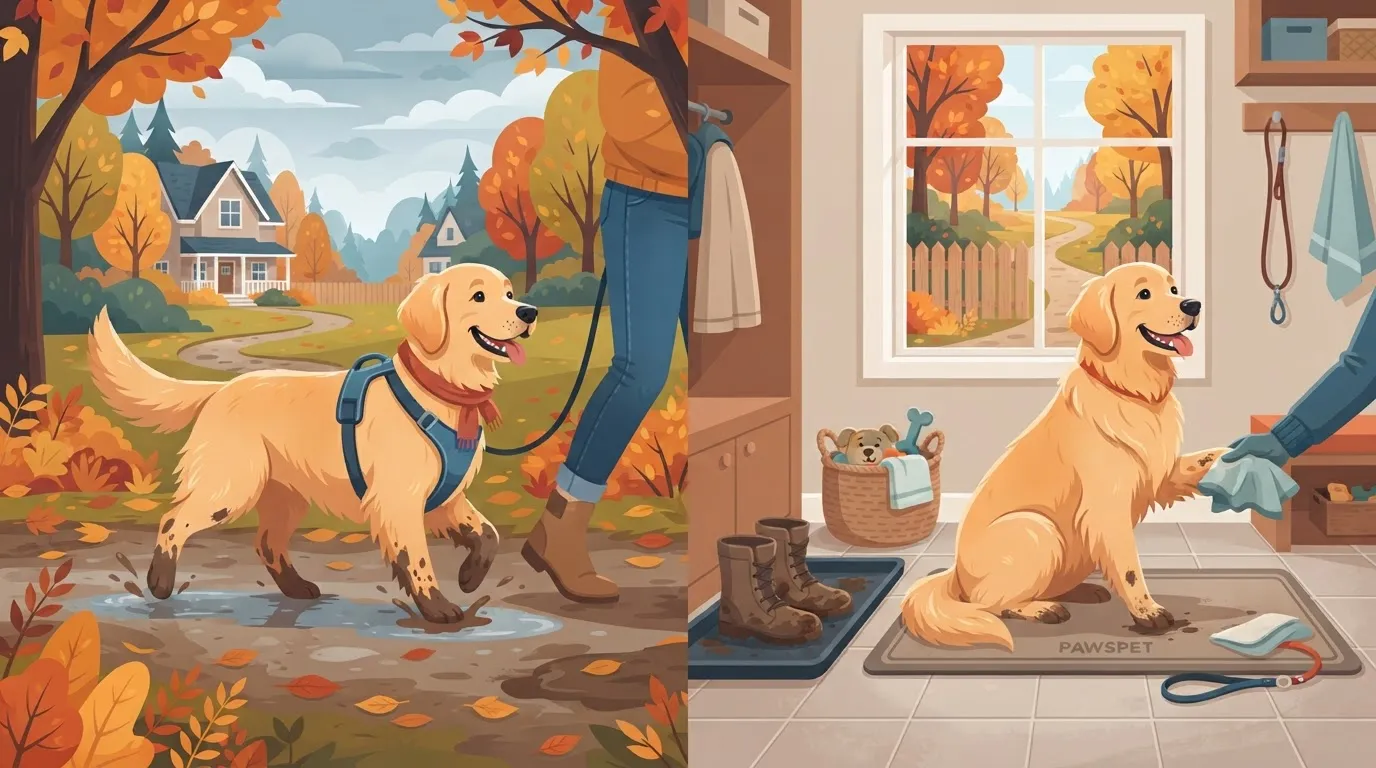
- choose shorter, more frequent walks instead of one long outing;
- select familiar routes with stable surfaces and opportunities to rest;
- let your dog sniff at their own pace: scent exploration is an important form of stimulation;
- avoid jumping, sudden bursts of speed, and slippery surfaces if your dog shows stiffness or uncertainty;
- offer simple mental games, such as finding treats that are appropriate for their diet;
- respect rest periods without interrupting them repeatedly.
Observe your dog after the walk as well. If they seem unusually tired, limp, pant for a long time, or avoid moving in the following hours, report the episode to your veterinarian and reconsider the duration, intensity, and type of activity.
Making the home more comfortable and safer
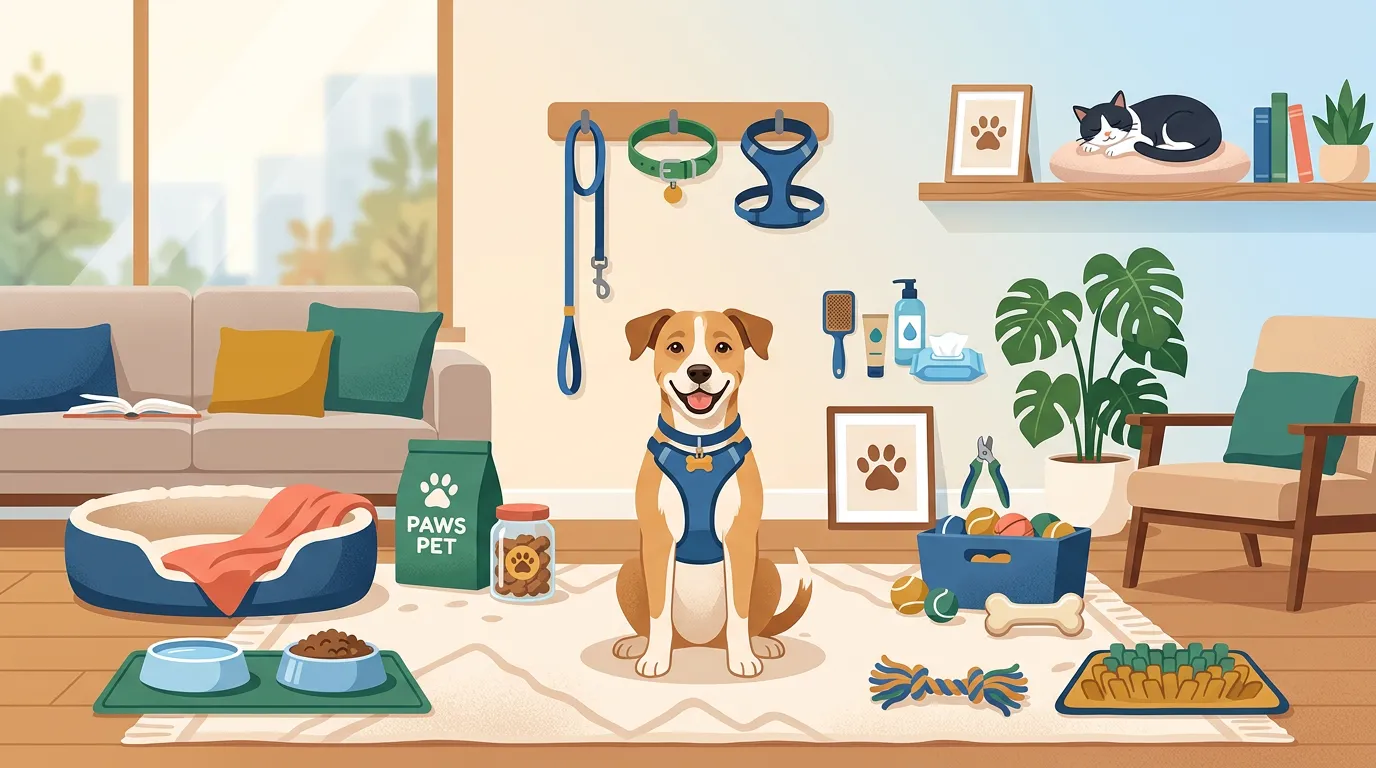
As dogs age, small obstacles around the home can become more difficult to manage. Improving the environment can support mobility and reduce the risk of slipping or unnecessary strain.
You can start with practical changes:
- place nonslip mats in walkways and near food and water bowls;
- provide a well-padded, dry bed away from drafts;
- keep water and resting areas easy to reach;
- use stable ramps or steps for the car, sofa, or other changes in height when appropriate;
- limit unsupervised access to steep stairs or very slippery floors;
- keep spaces tidy, especially if your dog’s vision or hearing has declined.
Predictability matters too. Avoid frequently changing the position of furniture, bowls, and bedding: a familiar environment can reduce uncertainty and stress.
Diet, hygiene, and weight: what to monitor
A senior dog’s diet should be assessed based on weight, activity level, dental condition, any medical conditions, and your veterinarian’s guidance. There is no single food that is right for every senior dog, and changing their diet solely because they are older is not always advisable.
Monitor regularly:
- weight and body condition;
- interest in food and chewing speed;
- stool quality;
- water intake;
- the condition of the coat, skin, nails, and teeth.
Reduced appetite, unusual thirst, weight loss, recurring vomiting, or persistent changes in stool warrant a professional consultation. Avoid supplements, homemade diets, or major dietary changes without veterinary assessment, especially if your dog takes medication or has specific needs.
Senior dog checkups: prevention and useful observations
Veterinary checkups are essential for identifying changes that may not be obvious at home. The frequency should be determined with your veterinarian based on your dog’s age, medical history, and observed signs.
To make the appointment more useful, prepare a brief summary of:
- changes in weight, appetite, thirst, and bowel habits;
- difficulties with movement, stairs, jumping, or resting;
- any episodes of coughing, labored breathing, pain, or disorientation;
- medications, parasite preventives, foods, and supplements being used;
- questions about teeth, vision, hearing, mobility, and prevention.
PawsPet can help you keep health records, appointments, and reminders for checkups, treatments, or important renewals organized. Tracking changes over time makes it easier to share concrete information with your veterinarian.
FAQ
When is a dog considered senior?
It mainly depends on size, genetics, and individual health. Your veterinarian can help you identify when your dog enters the senior stage and establish an appropriate checkup schedule.
Should a senior dog still go for walks?
Yes, in most cases regular movement remains beneficial. However, the duration, pace, and route should be adapted to your dog’s mobility and stamina, as well as your veterinarian’s recommendations.
Which changes require a prompt veterinary visit?
Contact your veterinarian if you notice obvious pain, difficulty breathing, collapse, an inability to stand, sudden loss of appetite, marked disorientation, or rapid changes in your dog’s habits.
An attentive routine does not mean treating a senior dog as fragile; it means listening to their changing needs. With PawsPet, you can organize reminders, health records, and appointments to support their care more consistently.