Traveling with your dog can turn a simple holiday into a wonderful experience… or into a constant source of stress, if hotels and beaches are not truly pet friendly. Between unclear rules, hidden extra costs, and “dog beaches” that are really tiny fenced-off areas far from the sea, you could end up ruining your vacation.
In this guide you’ll find practical criteria for choosing pet-friendly hotels and beaches that suit your dog, understand what to check before booking, which rules are most common for dogs on the beach, and how to make the most of reviews, websites, and apps like PawsPet to avoid unpleasant surprises.
1. What “pet friendly” really means for a hotel or a beach
The label “pet friendly” is everywhere these days, but it doesn’t always mean real hospitality for dogs.
1.1 Pet-friendly hotels: beyond “dogs allowed”
A pet-friendly hotel for dogs does more than simply allow animals on the premises. Usually it:
- clearly states the size and number of dogs allowed
- lists any extra fees (cleaning, sanitization, deposit)
- has transparent rules about areas that are accessible or off-limits (restaurant, pool, spa)
- offers services designed for dogs, at least the essentials
Useful services include:
- bowls and a mat in the room
- green areas or a fenced dog run
- information on dog beaches and local vets
- partnerships with local dog sitters or trainers
1.2 Dog beaches: what sets them apart from a regular beach
A true dog-friendly beach usually includes:
- dogs allowed in designated areas and time slots
- spaced-out umbrellas and spots for comfort and safety
- showers or water points for dogs
- clear rules on:
- leash and muzzle use
- areas where dogs may swim
- waste cleanup and behavior
Many traditional beaches only allow dogs during limited hours (for example, at sunrise or sunset), or only small dogs: always check the municipal ordinance or the beach club rules.
2. Before you choose: what kind of holiday do you want, and what kind of dog do you have?
Before you even search for a pet-friendly hotel for dogs on Google or try to “find dog-friendly hotels near me,” clarify two things:
-
Type of holiday
- Total relaxation on the beach
- Road trip / on-the-go holiday
- Mountain or trekking trip
- City break
-
Your dog’s profile
- Size (small, medium, large, giant)
- Age (puppy, adult, senior)
- Temperament (calm, anxious, reactive, very energetic)
- Habits: is your dog used to:
- being in new environments?
- traveling by car/train/plane?
- socializing with people and other dogs?
An older dog, perhaps with joint issues, will do better in a quiet hotel close to the beach with short, easy access. A young, energetic dog may prefer a property with green spaces or wide beaches for walks.
3. How to choose a pet-friendly hotel when traveling with your dog
3.1 Filter and search the right way
When looking for pet-friendly hotels for dogs:
- Use the “pets allowed” filters on major booking platforms.
- ALWAYS read the “Property rules” or “Amenities” section.
- Check whether there is an extra charge for pets (per night or per stay).
- Verify whether there are any weight limits (e.g. max 10–15 kg).
With the PawsPet app you can:
- quickly search for pet-friendly properties recommended by other owners
- read reviews focused specifically on how dogs are welcomed and handled
- save useful travel documents in your dog’s profile for check-in (vaccinations, passport, liability insurance).
3.2 Questions to ask before booking
Don’t rely only on the “dog-friendly” icons. Write or call the property and ask:
-
“Are dogs allowed in all room types?”
Some properties only allow dogs in a few specific rooms or on the ground floor. -
“Are there any areas where dogs are not allowed (breakfast room, restaurant, pool, private beach)?”
Knowing in advance whether you’ll need to leave your dog in the room can save you trouble. -
“Is there an extra fee for the dog? Is it per night or per stay?”
Ask whether anything is included (extra cleaning, welcome kit, etc.). -
“Is there an outdoor area for bathroom breaks, a garden, or a fenced space?”
-
“Do you accept dogs of all sizes? Do you allow more than one dog per room?”
-
“Can we leave the dog alone in the room, and under what conditions?”
Some hotels forbid this in their rules, while others allow it only if the dog is used to it and does not bark.
Quick checklist for a phone call / email
- Allowed dog size and number
- Daily / per-stay surcharge
- Allowed / forbidden areas
- Ability to leave the dog in the room
- Nearby green spaces
- Distance to dog beaches or walking areas
You can save this information in your booking notes or in PawsPet so you have everything at hand during your trip.
3.3 Watch out for hidden costs and deposits
Some pet-friendly hotels charge:
- mandatory cleaning fees (e.g. €10–€20/night)
- refundable deposits at the end of your stay
- extra costs for damage possibly caused by the dog
To avoid arguments:
- ask for the costs in writing by email or visible on the voucher;
- take a few photos of the room on arrival and departure if you’re worried about disputes;
- bring your own blanket or throw to protect sofas and chairs (even if you don’t plan to let the dog on the bed).
4. How to read reviews and rules without being fooled by “pet friendly”
4.1 What to look for in reviews
When reading reviews:
- Look for terms like:
- “dog”
- “pets allowed”
- “dog friendly”
- “pet friendly”
- “traveling with my dog”
- Pay attention to what other owners say about:
- the staff’s welcome toward dogs
- whether outdoor spaces are actually usable
- cleanliness and odors (a hotel with many dogs must be spotless)
- how the hotel handles any issues (barking, whining, minor accidents)
Examples of positive feedback:
- “The staff were very kind to our dog”
- “They provided bowls and a blanket in the room”
- “There’s a green area in front of the hotel for quick walks”
Warning signs:
- “Pets allowed, but they seemed annoyed by the dog’s presence”
- “Tiny and dirty dog area”
- “Partner ‘dog beach’ only on paper — in reality, the dog wasn’t allowed to swim”
4.2 How to interpret the rules
Read the hotel and beach official rules carefully:
- check the dog beach rules:
- access times
- short leash requirement
- muzzle to always have with you
- designated swimming areas
- check the health requirements:
- mandatory vaccinations
- parasite prevention (often recommended, sometimes required)
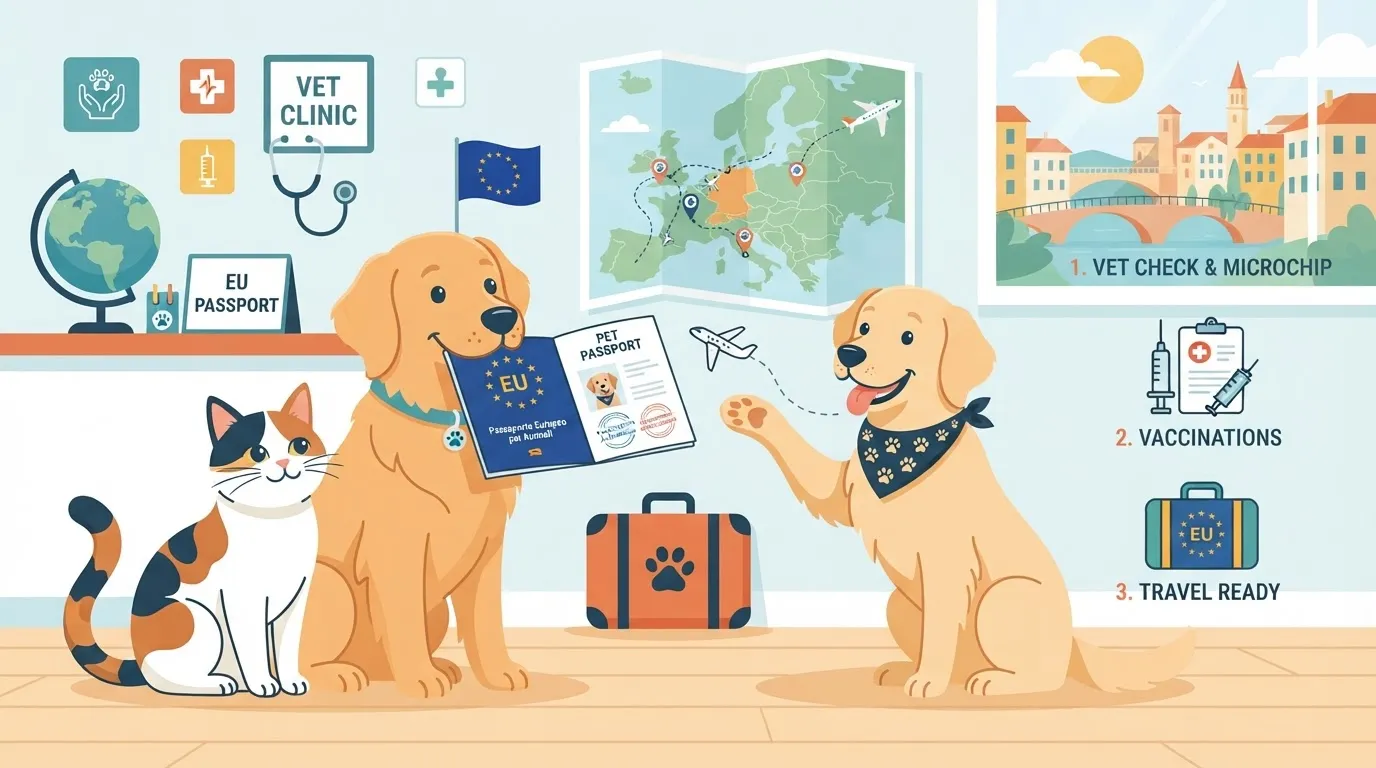
- microchip and, if abroad, European pet passport
Save these requirements in your dog’s profile on PawsPet so you can quickly check whether everything is in order (vaccines, prevention treatments, microchip).
5. Pet-friendly beaches: how to choose the right one for your dog
5.1 Equipped beach club vs. free dog beach
There are different types of dog beaches:
-
Pet-friendly beach clubs
- dedicated umbrellas for people with dogs
- bowls, showers, and sometimes a dedicated dog wash
- stricter rules and controls, but also greater safety
- often reservation required, especially in high season
-
Free dog-friendly beaches
- public areas where dogs are officially allowed
- may be less crowded but also less equipped
- in some cases there are no services: you’ll need to bring water, shade, and hygiene supplies
-
Small fenced “bau beaches” or dog zones
- bounded areas, often small, with controlled access to the sea
- ideal for dogs that struggle with off-leash freedom
- can get too crowded at peak hours
The choice depends on:
- your dog’s temperament (social or shy)
- space needs (a very large or energetic dog suffers in tiny areas)
- your own need for comfort (umbrellas, bar, restrooms, showers)
5.2 The most common rules for dogs on the beach
Even if every municipality and beach club has its own rules, many dog beach rules are repeated:
- Leash required (often max 1.5 m)
- Muzzle must be carried (it may be required if needed)
- Waste must be picked up everywhere
- Dogs that are aggressive or not under the owner’s control are not allowed
- Dogs must be always supervised; no leaving them alone under the umbrella
- Restrictions for female dogs in heat
- In some areas: an updated health booklet must be shown if inspected
For swimming in the sea:
- some municipalities allow it only at certain times
- others provide dedicated lanes or specific stretches of water
- in others it is forbidden: the dog may only stay on the beach
Always check:
- the municipality website (beach ordinance)
- the beach’s website or social pages
- by asking the beach club manager directly
6. What to bring for a beach holiday with your dog
6.1 Basic kit for your dog at the hotel and beach
A vacation with your dog needs a dedicated suitcase. Some essentials:
- Health booklet, documents, and possibly the European pet passport
- Properly fitted collar/harness and a strong leash
- Tag with an up-to-date phone number
- Plenty of waste bags
- Foldable travel bowl and water bottle
- Usual food for at least a few days (to avoid sudden changes)
- Treats and rewards
- Blanket or portable bed with a home smell
- Towels for the dog
- Water-resistant toys (if your dog likes swimming)
In the PawsPet app you can:
- set reminders for parasite prevention and medications
- store veterinary prescriptions or travel certificates
- share essential health information about your dog with anyone traveling with you
6.2 Extras that are very useful for the beach
For the beach with your dog, add:
- Umbrella or sun shelter if the beach is not equipped
- Large towel or cooling mat
- Dog-specific sunscreen (if recommended by your vet, especially for short-haired or white dogs)
- Spare collar or harness, in case the one in use gets damaged in the sea
- Parasite spray, if recommended by your vet
- Muzzle (even if you won’t use it, it’s good to have it with you)
7. Your dog’s safety and well-being on holiday
7.1 Timing and temperatures
Heat is one of the main risks for dogs on the beach:
- avoid the hottest hours (11 a.m. to 4 p.m.)
- check the sand temperature with your hand or foot: if it’s too hot for you, it’s too hot for your dog’s paw pads too
- make sure fresh water is always available
- watch for signs of heatstroke:
- heavy panting
- very red tongue
- weakness, staggering
- lethargy or excessive agitation
If you suspect heatstroke, move your dog into the shade, cool them down gradually, and contact a vet immediately.
7.2 Socialization and respect for others
A pet-friendly beach is, by definition, shared by many dogs and people. For everyone’s well-being:
- don’t let your dog invade other people’s space
- avoid noisy play too close to other families
- pay attention to your dog’s body language: if they seem uncomfortable, agitated, or stressed, move to a quieter area
- keep your dog away from children who aren’t used to animals, unless their parents ask for interaction
If your dog is shy or reactive, consider:
- less crowded areas
- quieter times (early morning or evening)
- using a harness with wording such as “I need space” (even just as a signal to other people)
8. How to use apps and digital tools to find dog-friendly hotels and beaches
8.1 Targeted search: not just “find dog-friendly hotels near me”
When you type “find dog-friendly hotels near me” or similar phrases, narrow the search:
- add the destination (“pet-friendly hotel for dogs Rimini”)
- specify “dog beach” or “bau beach” if that’s your focus
- compare at least 2–3 booking platforms
With PawsPet you can:
- search for properties and beaches recommended by other owners
- read reviews focused specifically on the dog’s experience
- save favorites to plan routes and itineraries
8.2 Saving your dog’s documents and information digitally
Before leaving:
- upload to PawsPet:
- a photo of your dog
- microchip number
- contact details for your trusted vet
- any treatment plans (medications, times, doses)
- note in the app:
- allergies
- fears (thunderstorms, fireworks)
- any physical limitations
If something happens on the trip, having all this information immediately available on your phone can make a big difference, especially if you need to quickly explain the situation to a vet in another city.
9. Practical tips for a calm holiday with your dog
10. Conclusion: how to really choose the right place for you and your dog
A hotel or beach that is truly pet friendly is not just one that “accepts dogs,” but one that:
- treats the dog as a real guest
- has clear rules, communicated before arrival, not at check-in
- guarantees space, safety, and respect for both people and animals
To choose well:
- Define the type of holiday and your dog’s needs.
- Look for hotels and beaches with dedicated pet filters.
- Read reviews written specifically by people traveling with animals.
- Contact the property directly to clarify rules and costs.
- Prepare your dog with a proper travel kit and up-to-date vet checks.
If you want to organize your trips with even less stress, you can use the PawsPet app to:
- save your dog’s profiles and health documents
- note the pet-friendly hotels and beaches where you had a good experience
- schedule vet visits and prevention reminders, even while you’re on holiday
That way, every trip becomes a real holiday for everyone: for you, for those traveling with you, and above all for your dog.
FAQ about pet-friendly hotels and beaches for dogs
What documents do I need to bring my dog to a hotel and to the beach?
In Italy, you’ll usually need:
- an up-to-date health booklet
- basic vaccinations in order (especially rabies if you’re going abroad)
- a registered microchip.
Abroad, the European pet passport is usually mandatory. Some beaches or hotels may request a recent veterinary certificate: always check before you leave.
How can I tell if a hotel is truly pet friendly and not just “pets allowed”?
Check:
- whether the website lists clear rules for dogs
- whether there are photos and descriptions of pet services (bowls, dog run)
- the reviews from other dog owners
- the property’s replies to your questions by email or phone.
If the staff are helpful and precise when you ask about your dog, that’s a good sign the hotel is truly pet friendly.
Can I leave my dog alone in the hotel room?
It depends on the hotel and the dog. Many properties forbid it in their rules, while others allow it if:
- the dog is used to being alone
- they don’t bark continuously
- they won’t damage the room.
Always ask first and honestly assess your dog’s character: if they are very anxious or used to being with you all the time, they may struggle with separation in a new place.
How can I find dog beaches and understand the rules before I get there?
You can:
- search for “dog beach rules + destination name” on search engines
- check the beach ordinance on the municipality’s website
- visit the beach club’s website or social page
- use pet-focused apps and communities like PawsPet to read real experiences from other owners
This way you avoid arriving at the beach only to discover, on site, bans or restrictions that could spoil the day.