Traveling with a cat by car can be stressful for both your feline companion and the person driving. Meowing, restlessness, and refusal to use the carrier are all common signs—but with good preparation, you can make the experience far calmer. In this guide, you’ll find practical advice on how to calm your cat in the car before and during the trip.
Prepare your cat before departure
The first step to reducing cat stress is to avoid improvising. For example, the carrier shouldn’t appear for the first time on the day of travel. It’s better to introduce it at home ahead of time, so your cat perceives it as a familiar place rather than a threat.
Here’s what to do in the days before:
- leave the carrier open at home with a soft blanket;
- put snacks, toys, or a T-shirt with your scent inside;
- reward your cat when they approach on their own;
- arrange short “exploration” sessions without forcing them;
- gradually get them used to typical travel movements, such as entering and leaving the carrier.
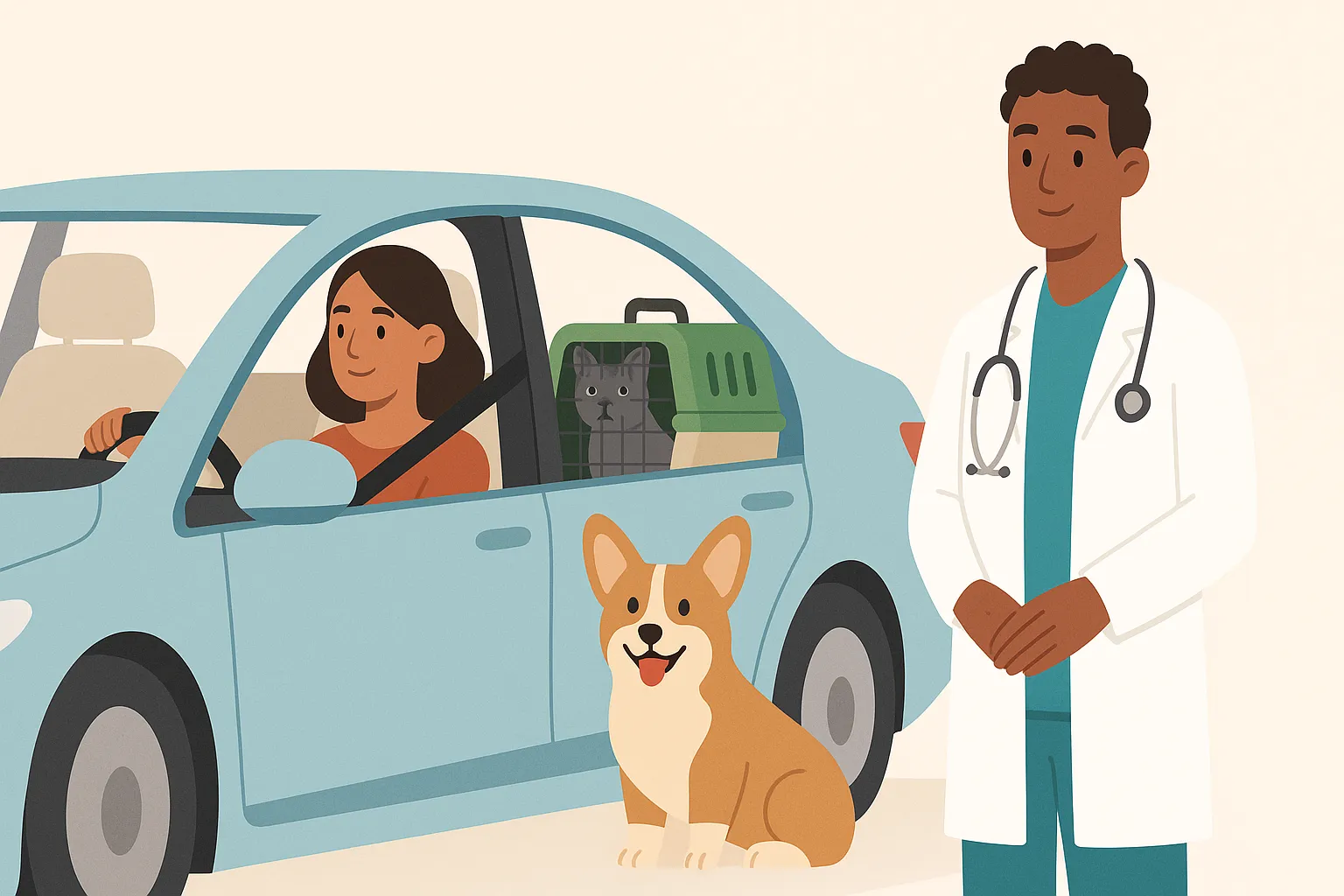
If your cat tends to struggle with every move, it can help to talk to your veterinarian before you leave. In some cases—especially for long trips or for very anxious cats—the professional may suggest specific strategies or suitable supports.
Choose the right carrier and set it up properly
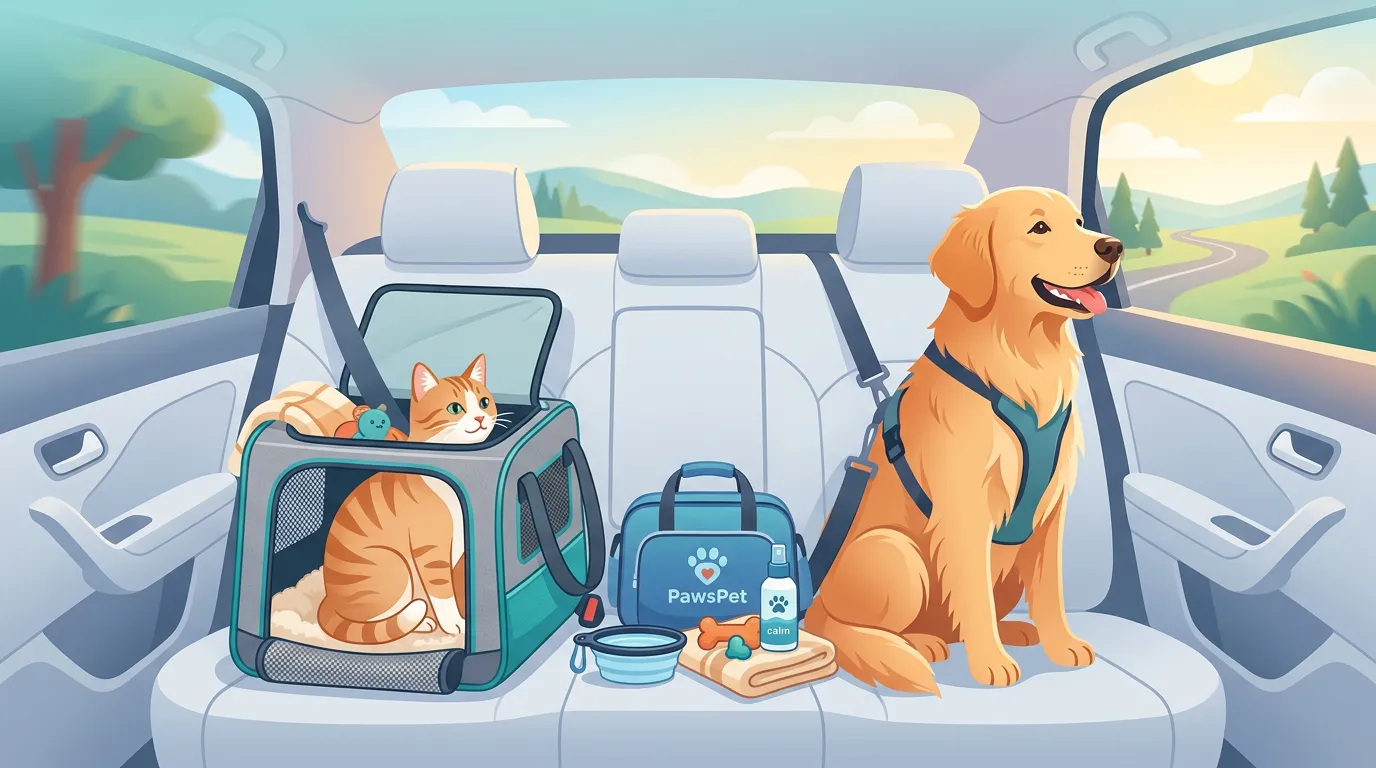
A cat carrier is one of the most important elements for a calmer cat during travel. It should be stable, well-ventilated, and spacious enough for your cat to lie down in a natural position—without being too large. Excessive space can increase the feeling of instability.
To make it more comfortable:
- use an anti-slip base or an absorbent pad;
- avoid strong fragrances or very intense cleaners;
- position the carrier so it stays firmly in the car;
- cover it partially with a light cloth if your cat calms down in the dark, while still allowing airflow.
When the cat in the car has fewer external stimuli, they often get agitated less. Position also matters: the carrier should be secured firmly, ideally on the back seat with a seat belt or appropriate anchoring systems.
What to do during the trip
During the ride, the goal is to keep the environment as predictable as possible. Changes in speed, loud noises, and constant direct contact can increase nervousness.
To help your cat:
- drive smoothly, avoiding sudden braking;
- keep the cabin cool and well-ventilated;
- talk in a low, calm tone without over-stimulating them;
- don’t open the carrier in the car;
- avoid giving food during the trip, especially if your cat gets carsick.
If your cat meows, it doesn’t necessarily mean they need immediate attention. Often, they’re expressing discomfort or disorientation. The best approach is to stay calm, reduce stimuli, and continue driving safely. If the trip is long, plan stops only when they’re truly necessary and in safe places, with your cat always inside the carrier.
Common mistakes to avoid
When you’re trying to figure out how to calm a cat in the car, it’s easy to make mistakes that make things worse. The most common ones are:
- using a carrier that’s too small or not stable enough;
- letting your cat get into the car only at the last moment;
- leaving them free inside the cabin;
- forcing them into the carrier in a hurry or with anger;
- changing seat position or travel mode too often without gradual acclimation.
Your emotional state matters too. Cats can sense tension and agitation: if you’re nervous, your cat may become even more wary. Preparing everything in advance helps you, too—so you can travel with much greater peace of mind.
Before the trip: handy checklist
To organize yourself better, you can use a simple checklist:
- carrier already tested at home;
- blanket or absorbent mat;
- water available for stops;
- documents and your veterinarian’s contacts;
- any medications or instructions provided by the professional;
- updated cat identification, if required;
- a clear feeding schedule and routine before departure.
If you use digital tools to manage your cat’s health, you can note habits, travel sensitivities, and useful reminders. Even a simple log can help you remember what works and what doesn’t for upcoming trips.
Conclusion
Calming your cat in the car takes preparation, patience, and small, consistent adjustments. A well-chosen carrier, gradual acclimation, and a calm driving style truly make the difference. If trips are frequent or your cat shows severe stress, talk to a veterinarian and consider personalized solutions. With the right support, even car rides can become more manageable for both of you—and with PawsPet you can keep track of your pet’s well-being, reminders, and routines in a practical way.
FAQ
How can I calm my cat in the car if they meow the whole time?
Stay calm, don’t open the carrier, and reduce stimuli. Meowing often indicates travel stress—good acclimation before departure can help a lot.
Is it better to leave my cat free in the car or in the carrier?
Always in the carrier. It’s the safest option for your cat and for the driver, and it also reduces sudden movements in the cabin.
Can I feed my cat before the trip?
It depends on how long the ride is and on your cat’s sensitivity. In general, to avoid nausea, it’s better not to let them eat right before you leave; ask your veterinarian for guidance if the trip is long or if your cat often gets carsick.