If you have a cat and you want to be fully compliant in 2026, it’s only natural to wonder what the mandatory cat microchip in 2026 really involves. The rules can be confusing, especially when it comes to deadlines, registration, and the documents you need to keep on hand. In this guide, you’ll find clearly what to check and which steps to take right away.
Mandatory cat microchip 2026: what you need to know immediately
In Italy, the obligation to have a microchip for a cat may vary depending on the region, where the animal comes from, and specific situations such as travel, rehoming/transfer, or enrollment in the registry. That’s why, when we talk about the mandatory cat microchip requirement, it’s essential to always check the updated local rules.
In practice, the microchip is used to:
- uniquely identify the cat;
- link the animal to its owner;
- make it easier to find the cat if it gets lost;
- simplify checks, ownership transfers, and travel procedures.
Even when it isn’t required in a generalized way, registering your cat is a very useful choice for your cat’s safety and for your peace of mind.
How cat microchip registration works
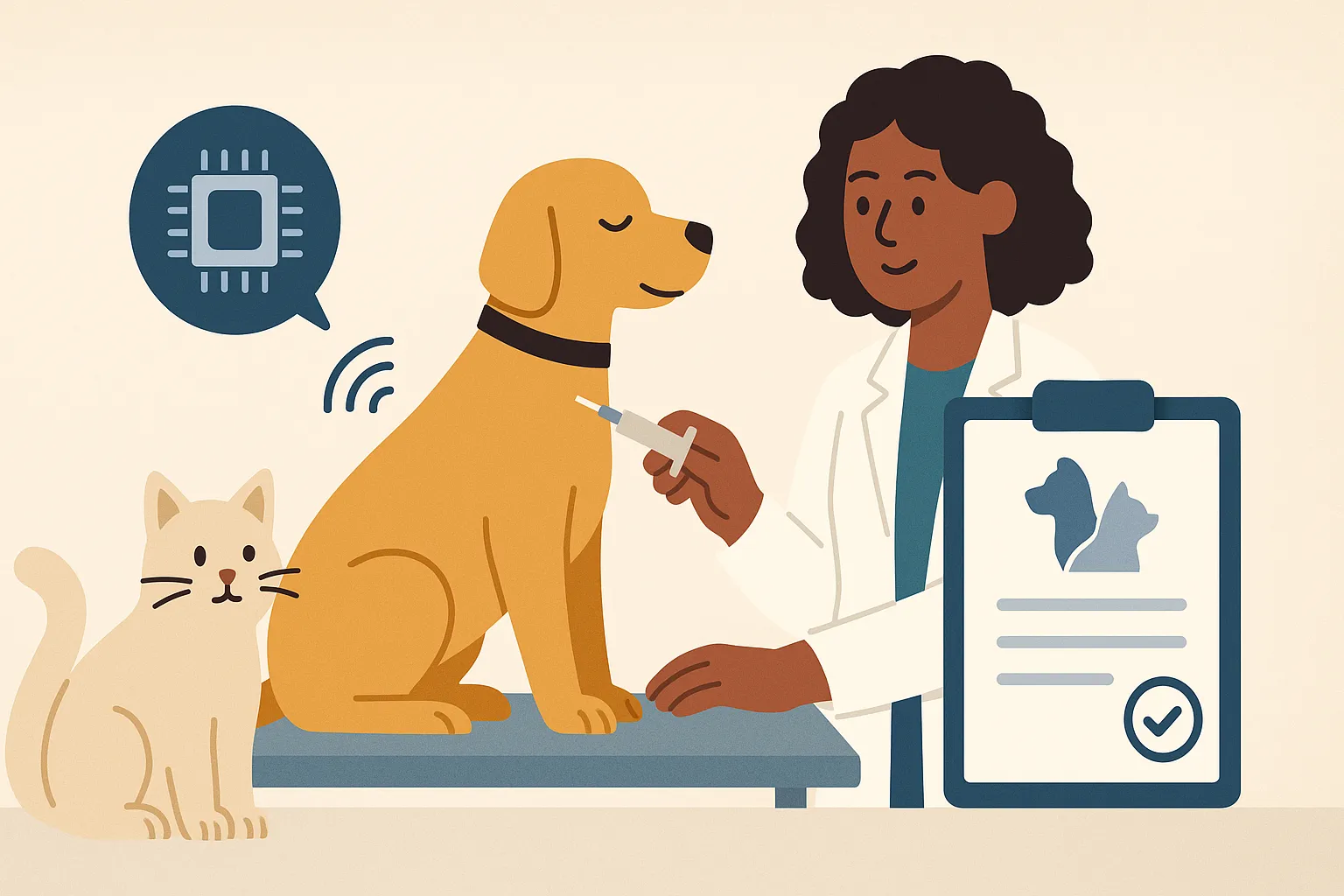
The microchip is a small device inserted under the skin by an authorized veterinarian. The procedure is quick and, in general, doesn’t require anesthesia. After insertion, the code is linked to the owner’s information in the relevant registry.
To complete cat registration, you usually need:
- the owner’s identification document;
- tax code (Codice Fiscale);
- the cat’s details;
- any veterinary certification, if required;
- the enrollment form for the registry, if your ASL or region requires it.
Pay close attention to the information entered: an incorrect street number, an outdated phone number, or an email address that hasn’t been updated can seriously complicate recovering your pet if it goes missing.
Deadlines and obligations: what to check in 2026
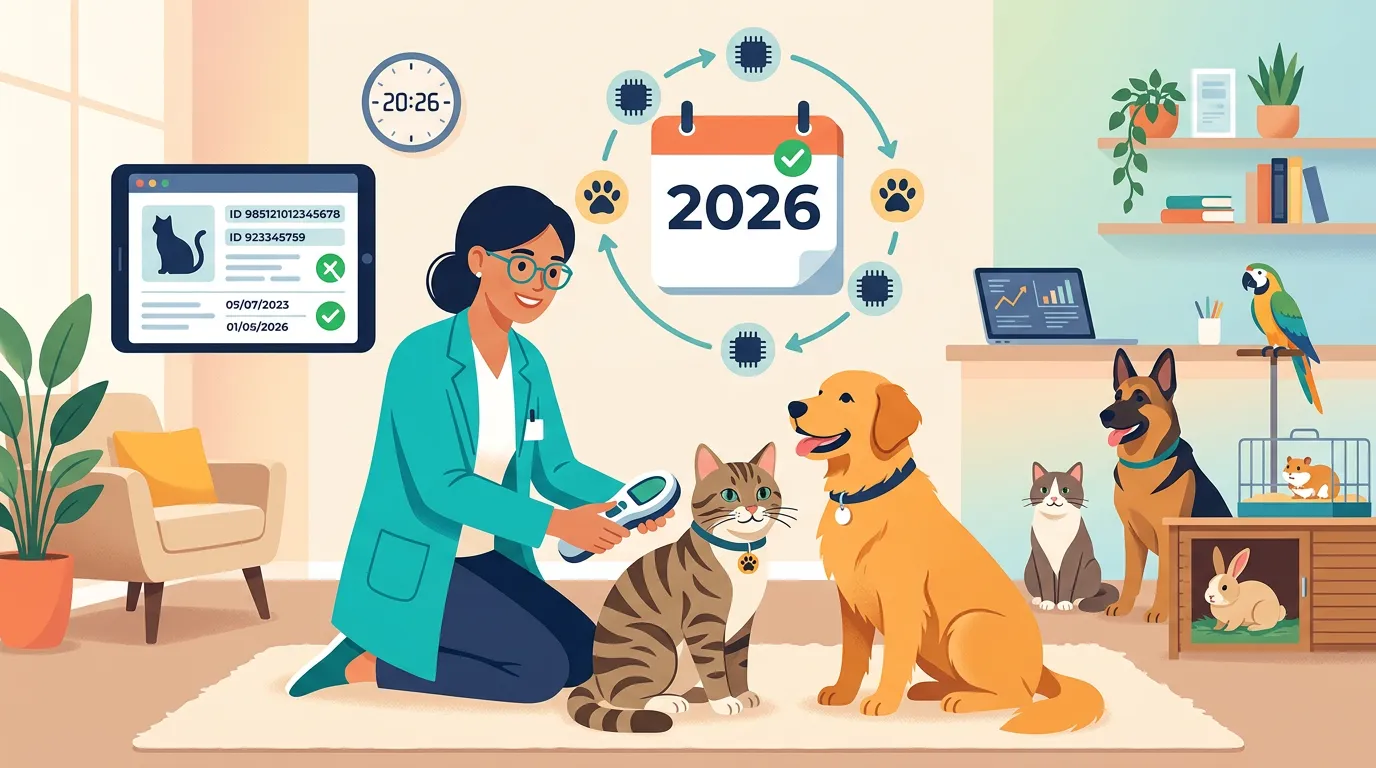
Deadlines related to the mandatory cat microchip requirement in 2026 often depend on specific circumstances. The most common include:
- within a few days of transfer or adoption, if required by local regulations;
- before traveling abroad, together with the health requirements that are requested;
- in case of an ownership transfer, with an update of the records;
- when the region requires mandatory registration, even for indoor cats.
To make sure you don’t miss anything, it’s best to check:
- the regulations in your region;
- any obligations from your municipality of residence;
- the instructions from your trusted veterinarian;
- the requirements for domestic or international moves.
A periodic check is also useful even if your cat already has a microchip: the data can change over time, and updating information is part of the most important obligations.
Documents to always keep up to date
Besides registration, there are certain documents and information you should always keep organized. This is essential for managing pet documents correctly and for being able to respond quickly if needed.
Keep these handy:
- the proof/certificate of enrollment in the animal registry, if issued;
- the receipt or proof of the microchip insertion;
- your veterinarian’s contact details;
- travel documents, if your cat travels;
- any health booklet, if applicable;
- the details of an emergency alternative contact.
If your cat changes owner, home, or the reference phone number, update everything right away. A correct database is worth more than any “remember it from memory” approach.
Common mistakes to avoid
Many owners find out too late that the microchip is in place, but the data isn’t updated. Here are the most frequent mistakes to avoid:
- postponing registration after insertion;
- not checking whether the registry is regional or national;
- forgetting to update address and phone number;
- assuming the microchip alone is enough without registration;
- neglecting checks before a trip.
If you have doubts about your situation, the best next step is to ask a qualified veterinarian or contact the relevant office of your ASL. Better one extra check than an incomplete procedure.
How PawsPet can help you manage everything
If you want to keep everything under control, digital tools like PawsPet can make everyday management easier. You can set reminders for checks, follow-ups, and deadlines, save useful health information about your cat, and have a single place to store important data.
This way, in addition to registration, you can monitor more systematically:
- veterinary visits;
- vaccinations and antiparasitic treatments;
- document reminders;
- useful information in case of emergencies.
It’s practical support that helps you not miss essential steps—especially when there are multiple obligations to handle.
FAQ about the mandatory cat microchip 2026
Is the microchip mandatory for all cats?
Not always uniformly across the entire national territory. The obligation can depend on the region, the context, and specific situations. Always verify the updated local rules.
Who can apply the microchip to my cat?
Usually an authorized veterinarian. After insertion, they also take care of the registration according to the required procedures.
What if I change my phone number or address?
You should update the information in the registry right away. This is a fundamental step to make the microchip truly useful in case your cat gets lost.
If you want to manage your cat more orderly—handling health, reminders, and useful information that’s always within reach—PawsPet can help you keep everything under control in a simple and secure way.