If your dog has run toward the road, don’t run after them or step into traffic. Stop, crouch down at an angle, call them in a cheerful voice while showing a treat, and move away from the road to encourage them to follow you. If a vehicle has hit them, take them to the vet immediately, even if they seem fine.
In the first few seconds: call them back without pushing them toward traffic
The goal is for your dog to choose to come to you, away from the cars.
- Stop. Chasing them may make them run even farther or turn the escape into a game.
- Don’t step into traffic. Even if your dog is close to the cars, your safety comes first.
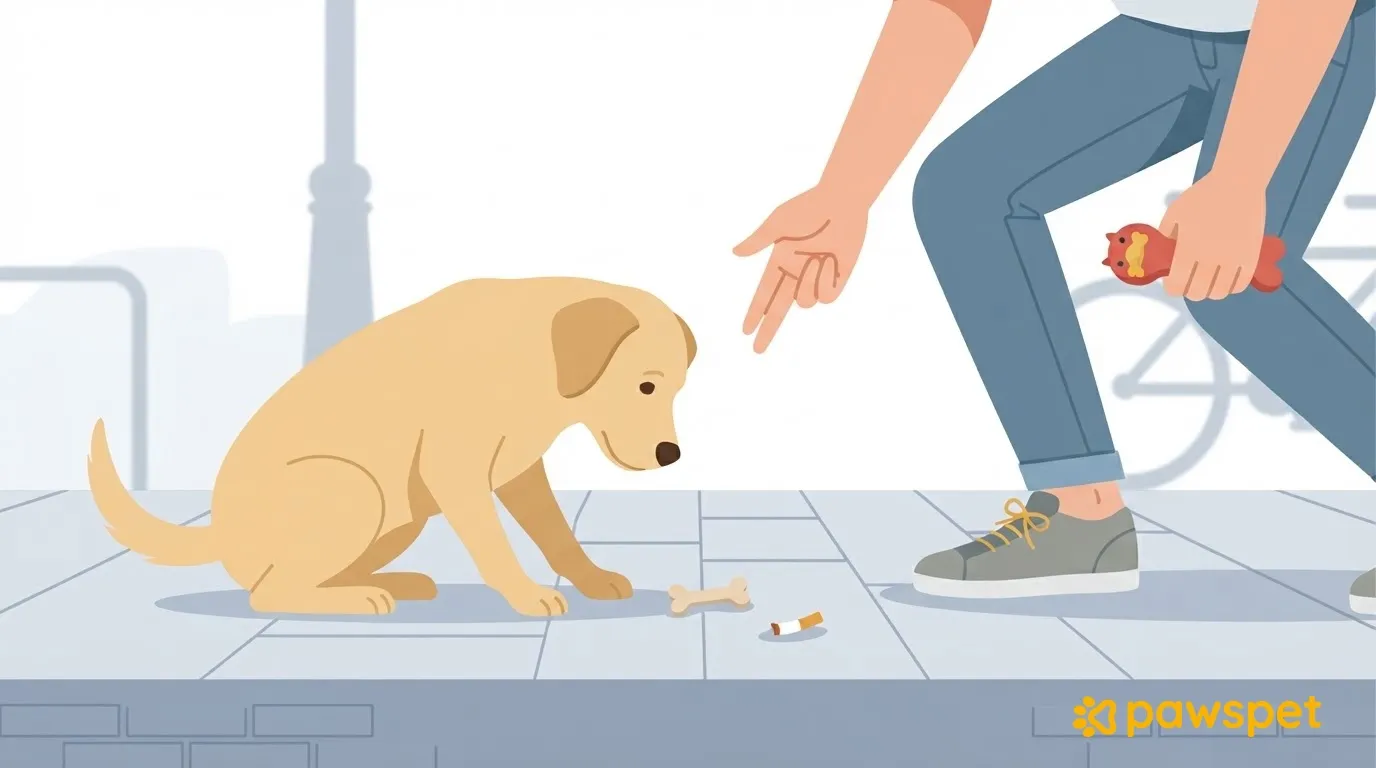
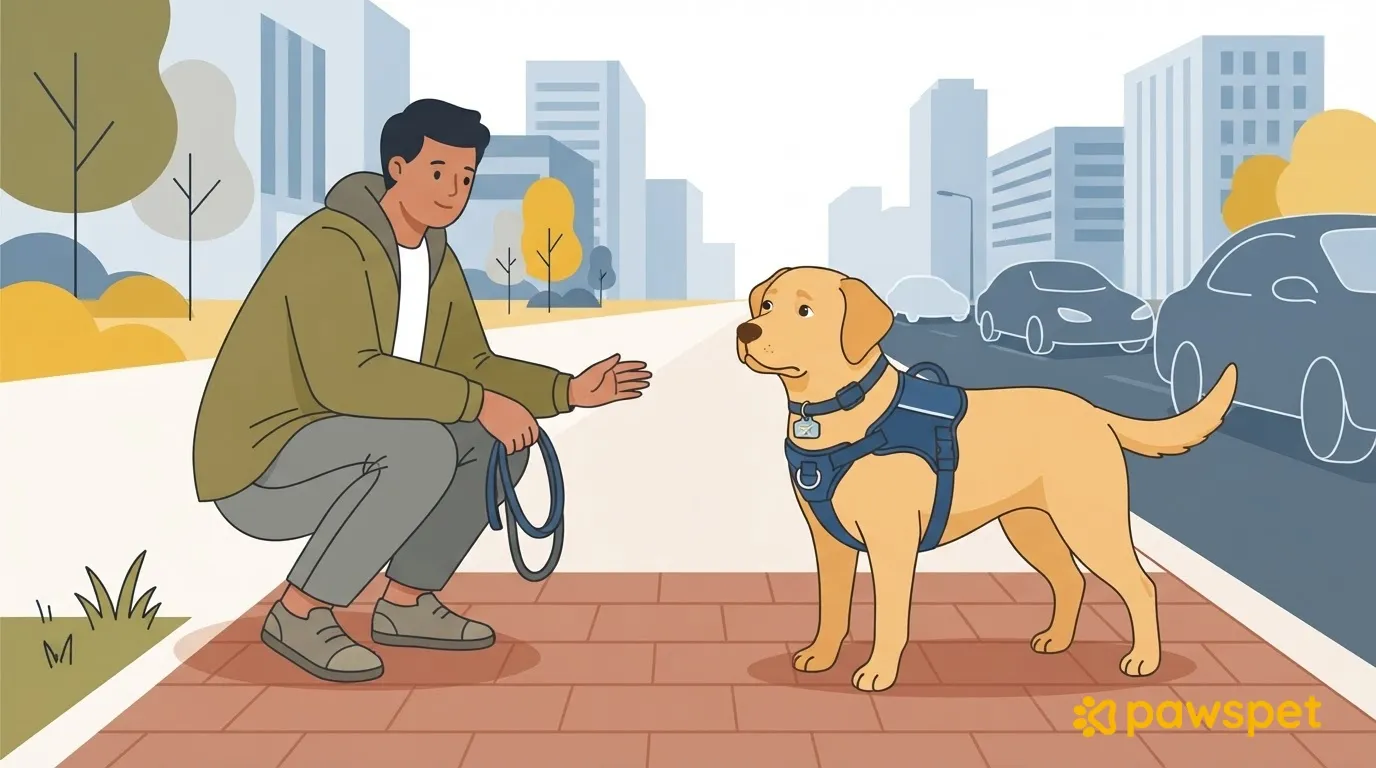
- Crouch down and turn sideways. This is usually a less threatening posture. Use the recall word your dog knows, in a cheerful voice, even if you’re frightened.
- Show them treats or rustle the treat bag to draw their attention back to you.
- Move slowly in the opposite direction from the road. If they follow you, they’ll move away from the cars.
- When they come closer, don’t grab them suddenly. Calmly clip on the leash and reward them.
- Ask anyone nearby not to chase, surround, or yell at them: a dog that is chased or cornered may run farther away.
If your dog is on the other side of the road, don’t call them or cross while cars are passing: they might run toward you between vehicles.
A very frightened dog may not respond. In that case, don’t chase them; start searching instead.
If they don’t come back: organize the search
- Return to the last place you saw them and start from there, bringing a leash and treats.
- Look under parked cars, in courtyards, and in building entrances: a frightened dog may hide there. If you spot them, repeat the steps for the first few seconds without chasing them.
- Ask nearby shopkeepers, café staff, and building concierges: they may have seen them or can keep an eye out.
- If there are several of you, split up to search nearby streets and have someone stay home in case the dog returns on their own.
- Contact nearby vets and the services your local municipality lists for lost animals.
- Prepare notices and share the information with recent photos that clearly show their coat and distinctive markings, as well as the area and time you last saw them.
- Check that the contact details linked to their microchip are up to date: this makes it easier for someone who finds them to reach you.
When you find them: checks and veterinary care
If they were hit, fell, or you don’t know what happened while they were away, take them to the vet immediately, even if they seem fine: some injuries aren’t visible. If you can’t reach your vet, call an emergency veterinary clinic.
Handle them carefully: a dog in pain may bite, even someone they know well. Check their paws, nails, and for any wounds or signs of limping, without forcing them if they pull away.
Welcome them calmly and don’t scold them, even if you were very frightened: they might associate coming back to you with something unpleasant.
Times when escapes are more likely
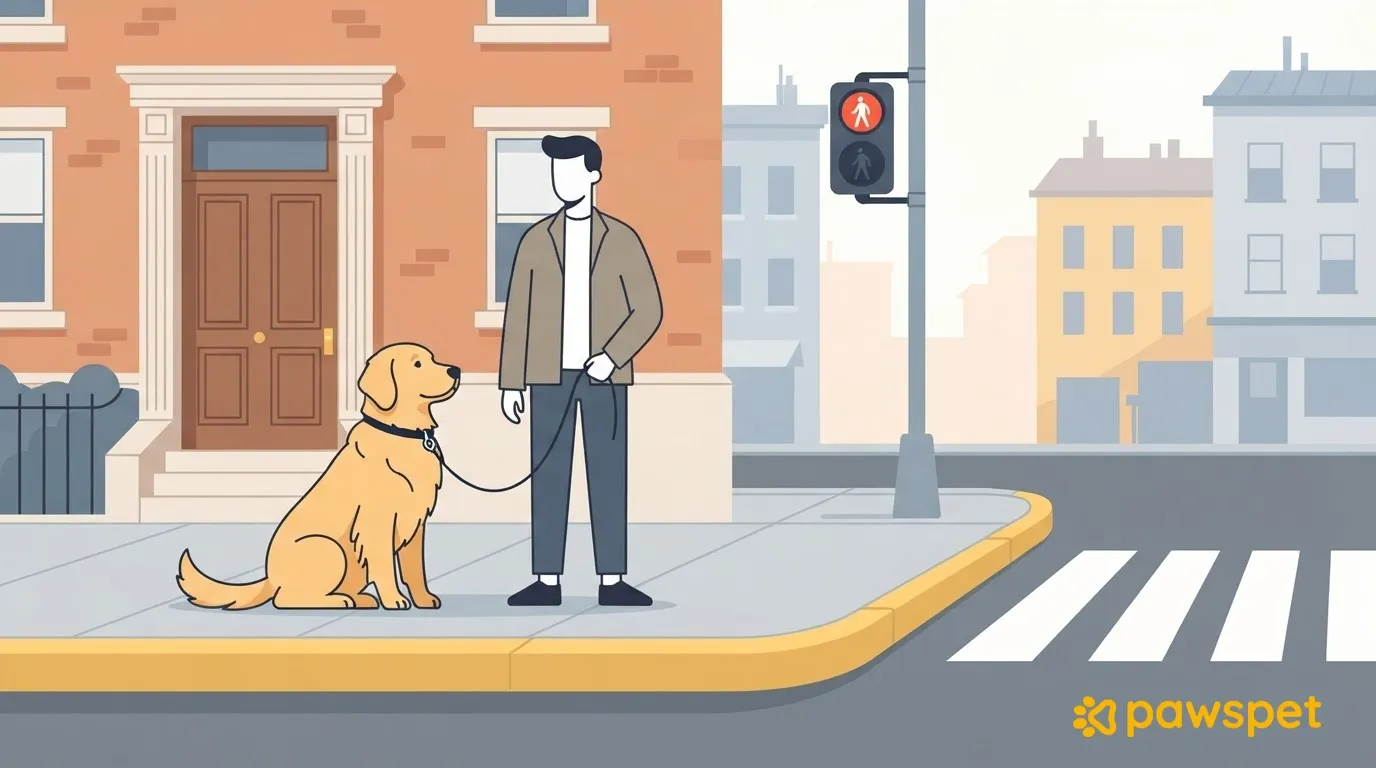
- Front gates and house doors. Clip on the leash before opening the door, and have your dog wait at the threshold until you invite them out.
- Getting in and out of the car. Clip on the leash before opening the car door or trunk.
- Sudden scares. Horns, motorcycles, firecrackers, or construction sites can make a dog jump backward, even slipping out of a harness or collar. In noisy areas, keep them on the sidewalk side farthest from traffic.
- Keys and phone. Don’t let go of the leash while looking for them: stop away from the road before searching your bag or pocket.
- Wet hands or winter gloves. Your grip on the leash is less secure, so hold it more carefully.
- Clasps that come undone. This can happen if they’re worn or not fastened properly.
Equipment: checks and backup safety
- Fit. Check it regularly, especially after a change in weight or a trim, and when your dog is wearing a coat: the harness and collar should fit snugly without being tight and should not slip off if your dog backs up.
- Harness. For dogs that tend to back out, consider a harness designed to reduce the risk of slipping out, but none can guarantee complete security.
- Double attachment. Use two connection points, such as a collar and harness, or a leash with two clips: if one fails, the other can act as a backup.
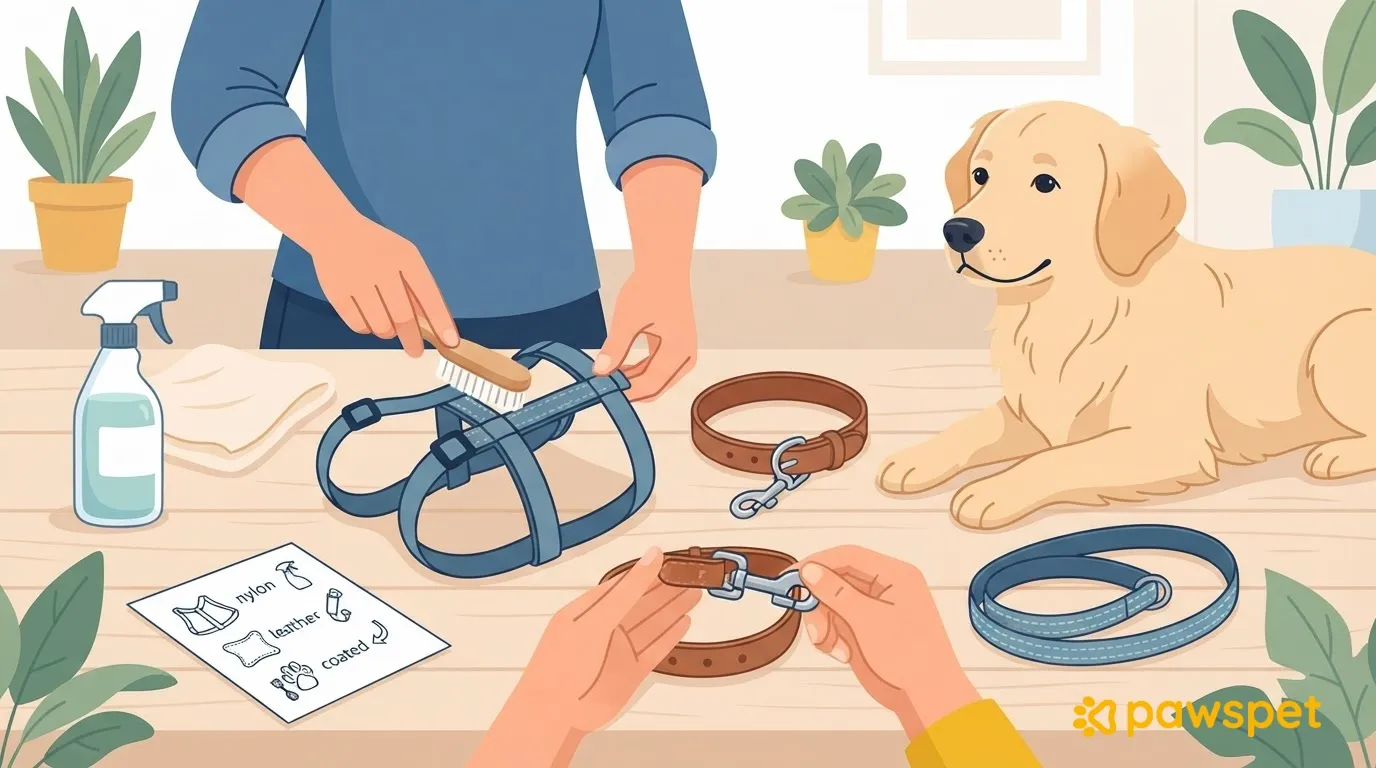
- Stitching and clips. Look for wear and frayed threads, and check that the clips close securely.
- GPS tracker. It can help you find your dog, but it won’t prevent an escape and has battery and coverage limitations.
- ID tag and microchip. An ID tag with your phone number lets someone who finds your dog call you right away; a microchip helps identify you only if the associated contact details are up to date.
To have recent photos and your dog’s microchip number ready when you need them, you can upload up to 6 photos («Edit images») and enter the microchip number under «Details» in your pet’s profile on PawsPet: from the «Profile» tab, you can copy it with one tap. The profile doesn’t replace official microchip registration, and PawsPet doesn’t track your dog: it’s only a handy place to keep photos and the number.
The plan to prepare today
When you have a moment, before your next walk:
- Check the fit of your dog’s harness and collar, and add a second attachment.
- Practice waiting at the front door.
- Keep recent photos and the microchip number ready.
- Check the contact details linked to the microchip.
- Save the numbers for your vet and an emergency veterinary clinic.
- Agree on the same protocol with anyone who walks your dog, including family members or dog walkers: don’t chase, crouch down, call them in a cheerful voice, and move away from the road.