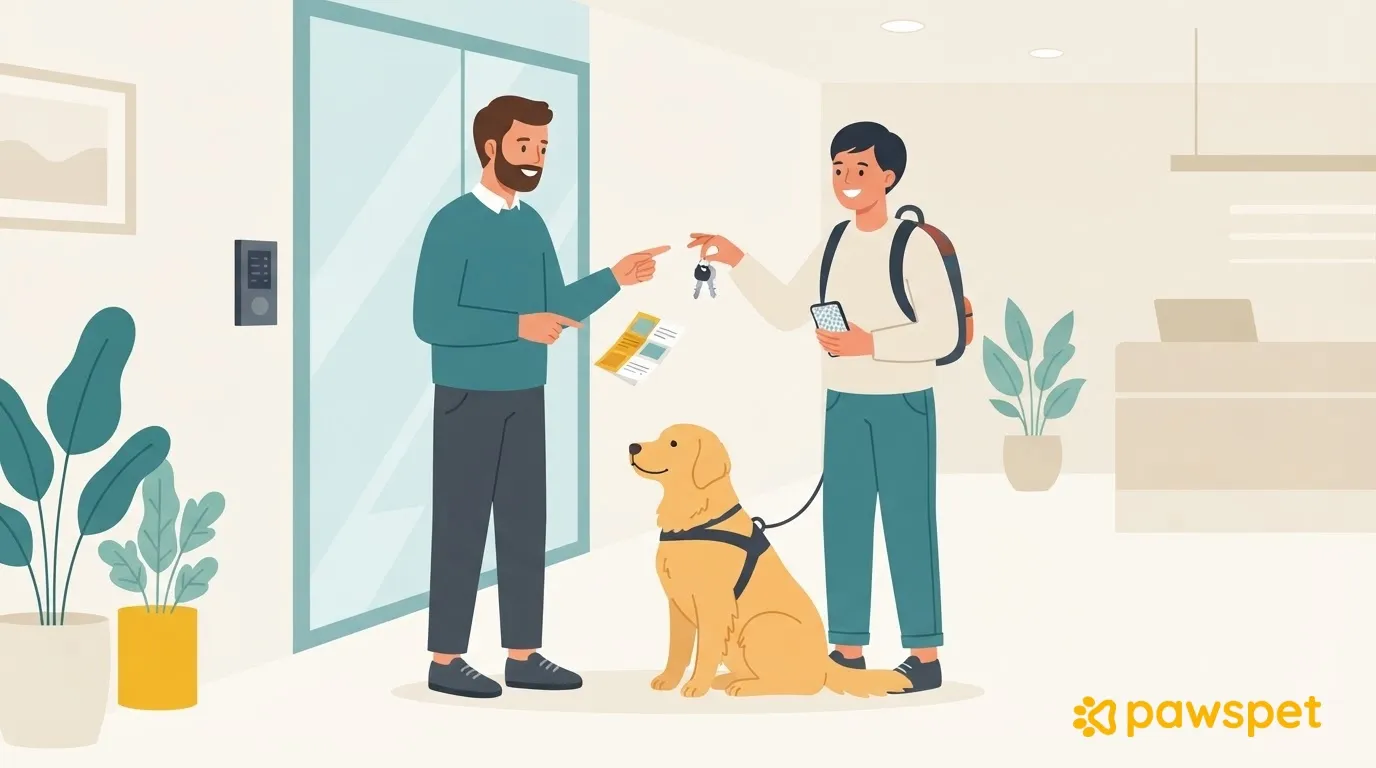
Before delegating walks with a reactive or fearful dog, write down what triggers the dog, how close a trigger can be before the dog can no longer listen, which signs precede a reaction, and what the walker should do. Then show the dog walker, pet sitter, or family member how to follow the instructions on a walk together. The guide organizes the information, but it does not replace working with a behavior professional.
The guide to prepare
Prepare one page to review before heading out: copy these items and replace the examples with details about your dog, avoiding vague phrases like “doesn’t like other dogs.”
- Triggers: e.g., “large dogs approaching,” skateboards, people leaning toward them.
- More difficult settings: e.g., narrow sidewalks, intersections, busy times.
- Manageable distance: e.g., “across the street” or “behind a parked car”; the reference applies to that setting.
- Usual equipment: e.g., their regular harness and leash; explain and show how you adjust them.
- Routes: e.g., “walk in the quiet park; avoid passing in front of the dog park.”
- Treats accepted outdoors: e.g., “their usual soft treats.”
- Ready-to-use phrase: “Please don’t touch them; they need space.”
- Contacts: owner and a second contact, e.g., names, numbers, and call order.
Also mention any bites or attempted bites: whoever takes the leash must know before heading out. If you don’t know how your dog reacts in a situation that may arise, flag the uncertainty instead of asking the walker to experiment.
Signs that come before a reaction
Your dog may stop sniffing, stiffen, stare, close their mouth, change their ear or tail position, refuse a treat, or pull toward or away from the trigger. These are examples to replace with what you observe: they are not a diagnosis or a universal scale.
Add your dog’s typical sequence to the guide: “First…, then…, finally…” For example: “First they stop sniffing, then they stare, and finally they stiffen,” if that’s what you observe. The walker should recognize the first useful change without waiting for all the signs to appear.
What to do when a trigger appears
Include a few agreed actions in the guide: increase the distance at the first signs, by changing sides, turning around, or stopping behind an obstacle when it is safe to do so. Ask the walker to move calmly: no greetings with other dogs and no approaches “for socialization.” They should not yank the leash or punish the dog; for exercises and treats, they should follow only what they have already practiced with you or the trainer.
- Off-leash dog approaching: Ask the person with the dog, if present, to call them back; if possible, create space and find an obstacle to separate the dogs, without encouraging contact.
- Narrow spot: Go back toward a wider space instead of forcing a pass.
- Persistent person: Repeat the prepared phrase and walk away without stopping to argue.
If there is no safe way to continue, the walker should end the walk and let you know, not try new techniques.
If your dog routinely wears a muzzle, show the walker when and how to put it on: don’t let them improvise.
In the event of a bite or injury, secure the dog without exposing yourself to further bites, notify the owner immediately, and have the injuries assessed by a doctor for people or a veterinarian for animals.
The trial walk and updates
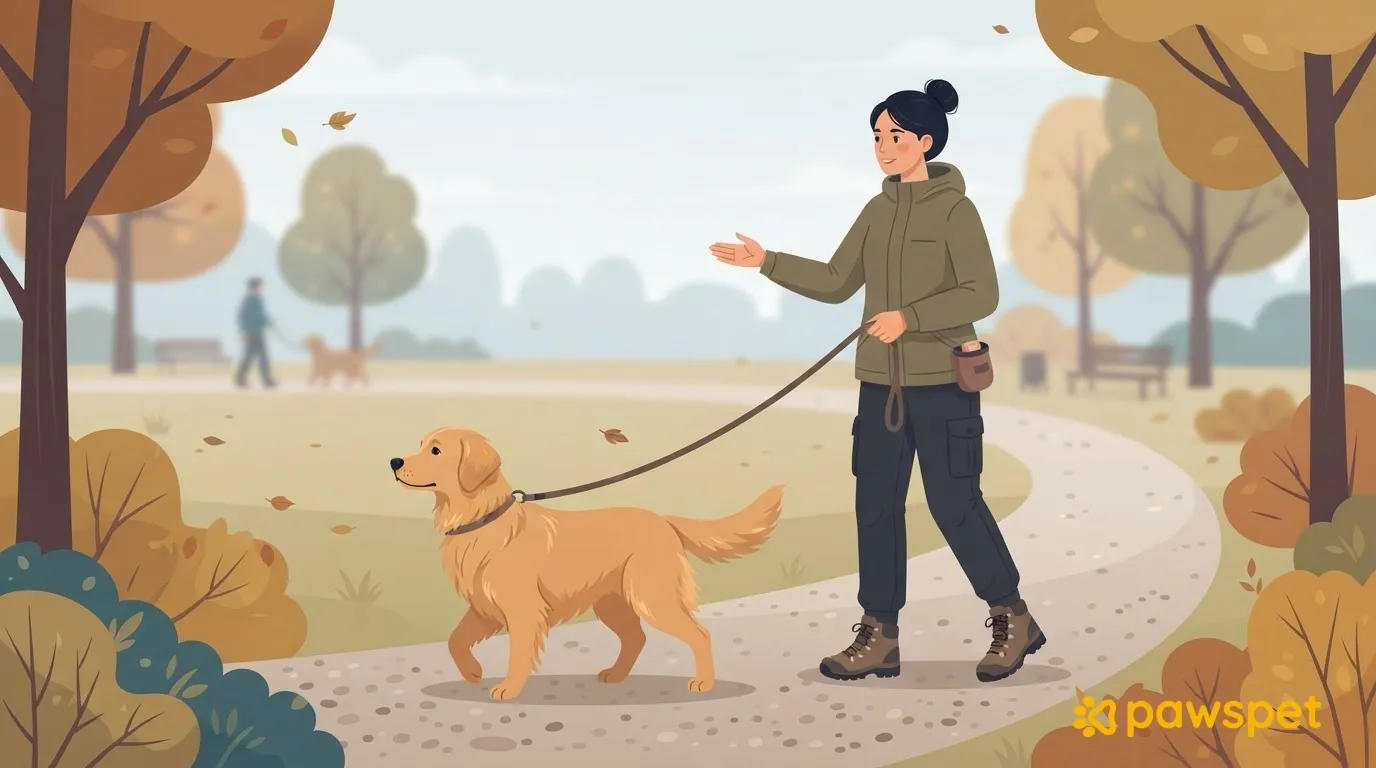
Take at least one walk together: show the walker the equipment and route and, if the signs happen naturally, point them out without seeking out difficult encounters. Then hand the leash to the walker and observe whether they recognize changes and follow the agreed actions. Also ask them to explain what they would do in the three unexpected situations.
Until you have an agreed plan, request individual walks; discuss any group walks with the professional.
Agree on a brief written report after each walk: what happened, where, the distance described using practical reference points, which signs appeared, what the walker did, and how the situation was resolved. If anything is unclear, update the guide before the next walk.
In the PawsPet app, you can record incidents as activities of the “Behavior Monitoring” type using the “Notes” field, and the walker can record new activities if they have a PawsPet account and have been added as a collaborator with “Edit” permission in the “Activities” area.
When to involve a behavior professional
Involve a professional if reactions are frequent or increasing, there have been bites or attempted bites, the walker cannot manage the dog, or fears are limiting everyday life. A sudden change in behavior also warrants a veterinary checkup.
Arrange a meeting with all three parties—the owner, walker, and consultant or trainer—to agree on the same approach. If the walker is struggling, don’t continue delegating as if nothing is wrong.
To help guide your choice, you can search for “Behavior Consultation” or “Training” services in the PawsPet app marketplace and read descriptions and reviews before booking.
Next step
Fill out the one-page guide and schedule a trial walk before delegating. Review it with the walker after the first two weeks, or sooner if something isn’t working: revise any unclear instructions together.