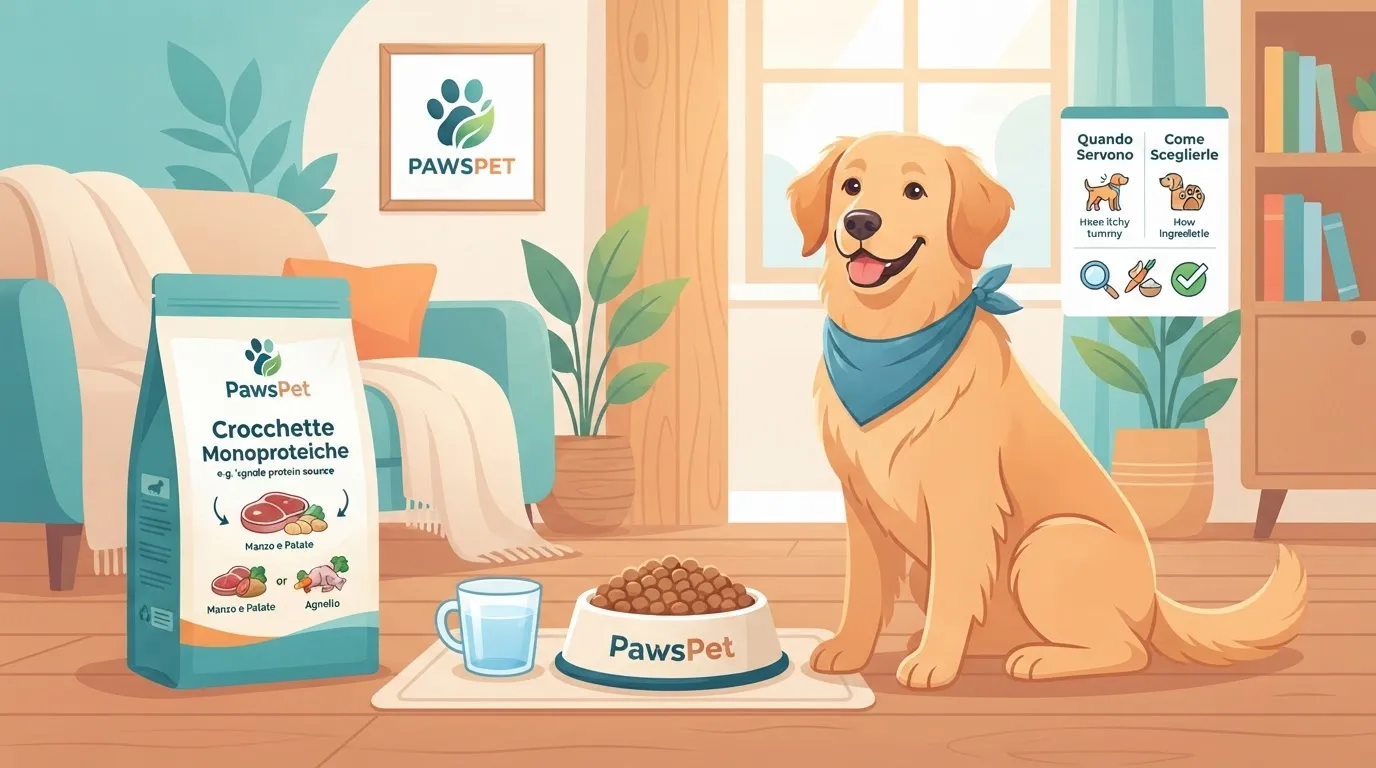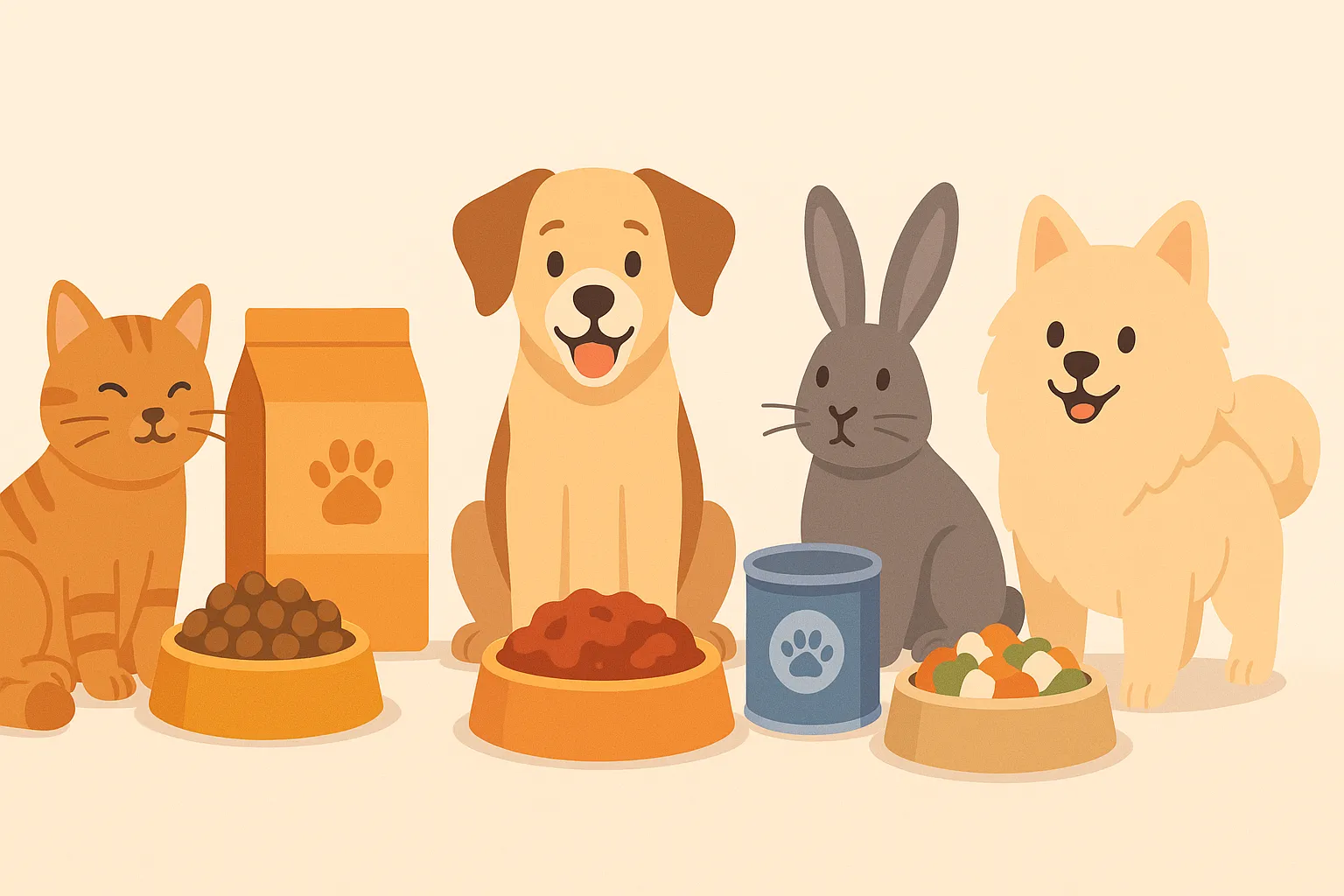
Understanding dog nutrition is not simple: at the pet shop or online, you’re faced with endless shelves of “grain-free” kibble, “gourmet” wet food, functional snacks, and even people recommending only homemade dog food or fresh diets.
The obvious question is: what’s better, kibble, wet food, or homemade meals? And above all, how do you choose the best dog food without getting lost in slogans and advertising?
In this practical guide, we’ll look at:
- the real differences between kibble, wet food, and homemade diets
- the pros and cons of each option
- how to read a dog food label
- when a personalized nutrition plan with your vet or a veterinary nutritionist becomes essential
The goal is not to tell you “this is the absolute best food,” but to help you make an informed decision about what’s best for your specific dog, in their own life context.
1. The dog’s basic nutritional needs
Before choosing between kibble, wet food, or homemade meals, it helps to remember what a dog really needs in terms of nutrition.
1.1 What a dog needs to stay healthy
A proper diet should provide:
-
Adequate energy
Neither too little (weight loss, lethargy) nor too much (overweight, joint problems). -
Good-quality protein
Essential for muscles, the immune system, and tissues. Quality matters more than the absolute amount. -
“Good” fats
A source of energy and essential fatty acids (e.g., omega-3 and omega-6) that support skin, coat, and inflammation control. -
Well-digestible carbohydrates
They’re not always needed in large amounts, but they can provide energy and fiber. -
Balanced vitamins and minerals
Calcium, phosphorus, vitamin D, B vitamins, and more. Too much or too little over time can cause problems. -
Enough water
The most underestimated element, especially if the dog eats dry kibble.
These principles can be met with all three feeding types (dry, wet, homemade), but with different methods and precautions.
2. Dog kibble: what you really need to know
Dog nutrition based on kibble is the most common approach: it’s convenient, easy to portion and store, and often more affordable. But not all kibble is created equal.
2.1 Benefits of kibble
Main advantages:
-
Convenience
It keeps for a long time, is easy to portion, and is ideal if you have a busy lifestyle. -
Complete and balanced formula
“Complete” kibble is designed to cover all a dog’s vitamin and mineral needs. -
Portion control
Feeding tables on the label help prevent major mistakes, and can then be adjusted for the individual dog. -
Specific formulas
There are kibbles for puppies, seniors, neutered dogs, athletes, dogs with kidney or intestinal issues, and more (always use veterinary diets only on veterinary advice).
2.2 Downsides and concerns with kibble
Cons and points to watch:
-
Low moisture content
Usually around 8–10%. The dog needs to drink more, which not all dogs do naturally. -
Variable ingredient quality
The term “meat and derivatives” can hide many things. You need to read the label carefully. -
High calorie density
A small volume can contain a lot of energy: if you get the portions wrong, the risk of weight gain is high. -
Not every dog likes it
Some picky eaters or dogs with dental problems prefer softer textures.
2.3 How to choose good kibble: label-reading guide
One of the most common questions is: how do you read a dog food label?
Here are the key points to check.
a) Ingredient list
- Ingredients are listed in descending order by amount.
- Look favorably on foods where:
- the animal protein source is among the first ingredients (e.g., “dehydrated chicken,” “beef,” “salmon”)
- the meats are specified (“chicken,” “turkey”) rather than just “meat and derivatives.”
- Be cautious with vague formulations:
- “cereals and derivatives”
- “animal by-products” with no specifics.
b) Guaranteed analysis
Check:
-
Crude protein
Adequate levels for age and lifestyle (a puppy or athletic dog needs more). -
Crude fat
It should be neither excessive (risk of weight gain) nor too low (insufficient energy). -
Crude fiber
Too much can reduce digestibility; too little can worsen bowel transit.
c) Nutritional additives
Check for:
- Vitamins (A, D3, E, B group)
- Minerals (zinc, copper, selenium, iron, calcium, phosphorus)
- Possible supplements (e.g., glucosamine, chondroitin) if recommended by your vet.
d) Nutritional information and feeding charts
- Look at the recommended amounts by weight.
- Remember these are only guidelines: everything must be adjusted based on:
- activity level
- health conditions
- age, neutering status, individual metabolism.
3. Wet dog food: benefits and limitations
Let’s move on to feeding dogs with wet food (cans, trays, pouches). It is often seen as more appetizing and “richer.”
3.1 Benefits of wet food feeding
-
High water content
Often above 70–75%. It helps hydration, especially useful for dogs that drink little or have kidney disease (always under veterinary supervision). -
Higher palatability
Smell and texture are very appealing to dogs, which is useful for:- dogs with poor appetite
- senior dogs
- dogs recovering from illness.
-
Lower calorie density
For the same bowl volume, wet food often provides fewer calories than dry food: this can help in weight-loss plans (the feeling of fullness comes sooner).
3.2 Downsides and weak points of wet food
-
Higher cost per daily serving
Often, for the same quality, wet food is more expensive if used as the sole diet. -
Less practical storage and handling
Once opened, it must be kept in the fridge and used within a few days. -
Residue on teeth
Wet food doesn’t “help” mechanically with cleaning like some kibbles do: oral hygiene must be handled with other tools (brushing, specific veterinary-approved snacks, etc.). -
Variable quality
Here too, you need to read the label:- avoid products that rely only on “by-products”
- prefer formulas with a clear meat source.
3.3 Kibble or wet food? Can I mix them?
One of the most common searches is: “dog nutrition kibble or wet food”. The real answer is: it depends.
Possible approaches:
-
Kibble only
Fine if it’s high quality, properly portioned, and the dog drinks enough. -
Wet food only, complete formula
Valid, but usually more expensive; ideal for dogs with specific needs (always supported by your vet). -
Mixed dry + wet feeding
Often an excellent compromise:- better palatability
- more water in the diet
- good convenience
But be careful to:
-
Avoid double complete meals
If both the dry and wet food are “complete” foods, you can’t just add up the suggested amounts:
you must reduce the quantity of both to avoid excess calories. -
Keep routines stable
Sudden diet changes or overly variable mixes can cause gastrointestinal upset.
4. Homemade dog food: opportunities and risks
For those who love cooking or want maximum control over ingredients, homemade dog food is an appealing option. But it must be approached very seriously.
4.1 Why many people consider homemade diets
Common reasons:
- the desire to use fresh, recognizable ingredients
- distrust of “industrial ingredients”
- dogs with intolerances, allergies, or complex medical conditions
- the need for tailor-made recipes recommended by a veterinary nutritionist.
A well-formulated homemade diet can be excellent. The problem is when it is improvised.
4.2 The risks of DIY homemade diets
The most common mistakes:
-
Calcium and phosphorus imbalances
Many owners don’t supplement calcium correctly; over time, this can harm bones and teeth, especially in puppies and young dogs. -
Micronutrient deficiencies
The simple combination of “meat + rice + vegetables” rarely covers all vitamin and mineral needs. -
Too much or too little calories
Without precise calculations, it’s easy to exceed or fail to meet energy requirements. -
Using foods that are dangerous for dogs
Onion, garlic, grapes, chocolate, some sweeteners, cooked bones… these can be toxic or very risky.
4.3 When to consider a homemade diet
Homemade dog food can be an interesting choice when:
- the dog has specific conditions (kidney, liver, gastrointestinal issues) and your vet recommends a customized diet
- there are documented food allergies and specific ingredients need to be excluded
- you strongly want a fresh diet and are willing to follow it carefully with professional support.
In these cases, it is essential to:
- consult a veterinarian experienced in nutrition
- receive precise recipes, with gram amounts, supplements, cooking methods, and storage instructions
- do regular checkups (weight, blood tests, overall condition).
5. How to read dog food labels: a practical mini-guide
Whatever your choice (dry, wet, mixed), knowing how to interpret the food label is crucial.
5.1 Essential label checklist
When you pick up a package, check:
-
Type of food
- “Complete food” for dogs
- “Complementary food” for dogs (cannot be the only food).
-
Species and life stage
- Adult dog
- Puppy
- Senior
- Small/medium/large breed (if indicated)
-
Clear ingredients
- Specified animal sources (chicken, beef, salmon…)
- Clearly identified carbohydrate sources (rice, corn, potato)
- Avoid overly generic products.
-
Guaranteed analysis
- Protein, fat, fiber, ash
- Moisture (useful to understand the actual nutritional density).
-
Additives
- Nutritional (vitamins, minerals)
- Technological (preservatives, antioxidants)
better if clearly specified.
-
Feeding instructions
- Amounts by dog weight
- Storage instructions
- Any warnings.
5.2 Questions to ask yourself in front of the package
- Is the first ingredient animal-based?
- Is it appropriate for my dog’s age and size?
- Are there conditions that require specific formulas (e.g., kidney, intestinal)?
- Has my dog shown intolerances or allergies to certain ingredients?
- Does it fit the budget I can maintain long-term?
6. How to choose the “best dog food” for YOUR dog
There is no perfect food for everyone. To choose the best dog food, you need to combine:
- the dog’s characteristics
- lifestyle
- your practical needs and budget
- any veterinary guidance.
6.1 Dog-related factors
Consider:
-
Age
- Puppy: higher needs for growth
- Adult: maintenance
- Senior: focus on healthy weight and internal organs.
-
Weight and body condition
- Overweight? Better to choose a lower-calorie food and control portions.
- Underweight or very active? A more energy-dense food may be needed.
-
Activity level
- Couch dog
- Sporting or working dog
- Long daily walks or a more sedentary life.
-
Health status
- Diagnosed conditions (kidney, heart, intestinal, joint problems)
- Known allergies or intolerances.
6.2 Factors related to you and your context
Ask yourself:
- How much time can I dedicate to meal prep?
- Can I store wet food or fresh food properly?
- What is my realistic monthly budget for feeding?
- How convenient is it for me to order food online or carry heavy bags?
7. Practical examples of feeding choices
To make the reasoning more concrete, here are some typical examples (for inspiration only, not as medical prescriptions).
7.1 Healthy adult dog, normal apartment life
Possible choice:
- Good-quality complete kibble as the base
- Optional small amount of wet food for taste and hydration
- Weight check every 1–2 months and portion adjustments.
7.2 Growing puppy
Special attention to:
- Food specifically for puppies (and for breed size if indicated)
- Complete kibble or wet food formulated for skeletal development
- Avoid DIY homemade diets without veterinary guidance: the risk of imbalances is high.
7.3 Senior dog with early kidney problems
A delicate situation, always managed with your vet:
- A specific kidney diet is often considered (kibble, wet food, or homemade diet formulated ad hoc)
- Wet food can help with hydration
- It is essential to follow the feeding plan prescribed by the vet and have regular checkups.
8. Common mistakes to avoid in dog feeding
A short list of things NOT to do.
-
Changing food suddenly
It’s always better to transition gradually from one food to another over 5–7 days. -
Being guided only by the lowest price or the packaging
The label matters much more than the picture on the bag. -
Giving table scraps regularly
Salt, seasonings, cooking methods, and some foods are unsuitable or harmful. -
Excluding entire ingredient groups without a reason
For example, eliminating all grains without real medical or nutritional justification. -
Following social media trends blindly
Every dog is different; what works for one may not be right for another.
9. Practical tips for daily meal management
9.1 Suggested box: healthy feeding routine
- Keep meal times fairly regular.
- Split the daily ration into at least 2 meals (smaller but more frequent).
- Monitor weight and body condition visually and by touch (you should feel the ribs without them being too prominent).
- Keep an eye on stool, coat, and energy: these are often the first signs that something is off.
- If symptoms persist (vomiting, diarrhea, weight loss, lethargy), contact your vet immediately.
9.2 How an app like PawsPet can help you
For anyone who wants to manage their dog’s nutrition more effectively day to day, it’s very useful to have:
- a complete pet profile with updated weight, age, conditions, and allergies
- a meal diary where you can record:
- food type (kibble, wet, homemade)
- brand, flavor, amount
- reactions (stool, appetite, any issues)
- reminders for:
- buying food before it runs out
- regular nutrition checkups with the vet
- a history of weight and measurements to track progress over time.
The PawsPet app is designed precisely to help you centralize all this information, so you can easily share it with your vet when it’s time to create or adjust a feeding plan.
10. When to ask your vet for a personalized feeding plan
There are situations where it is especially important not to improvise:
-
Large or giant breed puppies
Skeletal development is delicate; calcium/phosphorus ratios must be precisely balanced. -
Dogs with chronic diseases
Kidney, liver, heart, gastrointestinal, endocrine conditions (e.g., diabetes, hypothyroidism). -
Suspected or confirmed food allergies
This often requires a diagnostic protocol with elimination diets and controlled reintroductions. -
Extremely sporty or working dogs
Feeding must be calibrated to a high energy expenditure. -
A desire to switch to homemade feeding
Support from a veterinary nutritionist is essential to formulate precise recipes, including supplements and quantities.
In all these cases, the advice is to:
- Gather all the information about the dog in an orderly way (weight, symptoms, food used, amounts, meal frequency).
- Bring this data to the vet: having everything collected, for example through PawsPet, makes it much easier to build a personalized plan that is truly right for your dog.
Conclusion: finding the right balance for your dog
To sum up:
- Kibble: practical, complete, suitable for most dogs if it’s good quality and properly portioned.
- Wet food: very palatable, hydrating, useful in many situations; it needs careful management and is often more expensive.
- Homemade food: can be excellent, but only if formulated by a professional and followed precisely.
There is no single answer to the question “is kibble, wet food, or homemade better?”
There is the answer that is right for your dog, at their current stage of life.
Observe your four-legged friend, talk with your vet, and use the digital tools available to you to truly monitor how they are doing.
If you want to manage your dog’s feeding, health data, and appointment reminders in a simpler, more organized way, you can try the PawsPet app: having everything in one place helps you make calmer, long-term decisions for your dog’s well-being.
FAQ about dog nutrition, kibble, wet food, and homemade food
What is better for dogs: kibble or wet food?
It depends on the individual dog and the situation. Kibble is practical and complete, while wet food is very appetizing and hydrating. Often, an balanced combination of the two is a good solution. The choice should always be adapted to the dog’s age, health, weight, and lifestyle, ideally with veterinary support.
Can I cook my dog’s food every day?
Yes, but not by improvising. Homemade dog food should be formulated by a vet with nutrition expertise to avoid imbalances in vitamins, minerals, and energy. Recipes found online or adapted from family leftovers are rarely truly complete and balanced.
How can I tell if the food I give my dog is good quality?
Check the food label:
- clear animal ingredients listed first (e.g., chicken, beef)
- “complete food” wording
- nutritional analysis appropriate for the life stage
- presence of vitamins and minerals.
Also observe your dog: energy, coat quality, regular stools, and stable weight are positive signs.
How often can I change my dog’s brand or type of food?
It’s best not to change often without a reason. If you need to switch to a new food (new brand, new flavor, switching from dry to wet or vice versa), do it gradually over 5–7 days, mixing the old and new food and slowly increasing the new one. In the case of medical conditions or specific needs, always check with your vet before changing the diet.