Adopting a dog or a cat from a shelter or rescue is a beautiful choice, but also a big responsibility. It is not just about “saving an animal”: it means taking on a daily, financial, emotional, and organizational commitment that lasts for years.
In this article, we’ll look at how adoption works in a shelter or rescue, which documents are needed, what the real costs are, what to expect from the pre-adoption interview, and how to organize the first welcome at home and the veterinary visit.
The goal is to help you make a responsible adoption: informed, thoughtful, and suited to your lifestyle, for the well-being of both you and the dog or cat that will join your family.
1. Responsible adoption: what it really means
It’s not just a gesture of love
Responsible adoption of a dog or cat means:
- choosing based on the animal’s well-being, not just emotions in the moment
- honestly assessing your time, budget, home, and family
- respecting legal requirements (microchip, registration, vaccinations, etc.)
- being ready to handle difficulties: fear, stress, possible behavioral or health issues
- providing care for life (not just for the first few months)
Many dogs and cats in shelters or rescues have had a difficult past. Not always, but often. They need patience, routine, and safety.
Dog adoption from a shelter: a quick overview
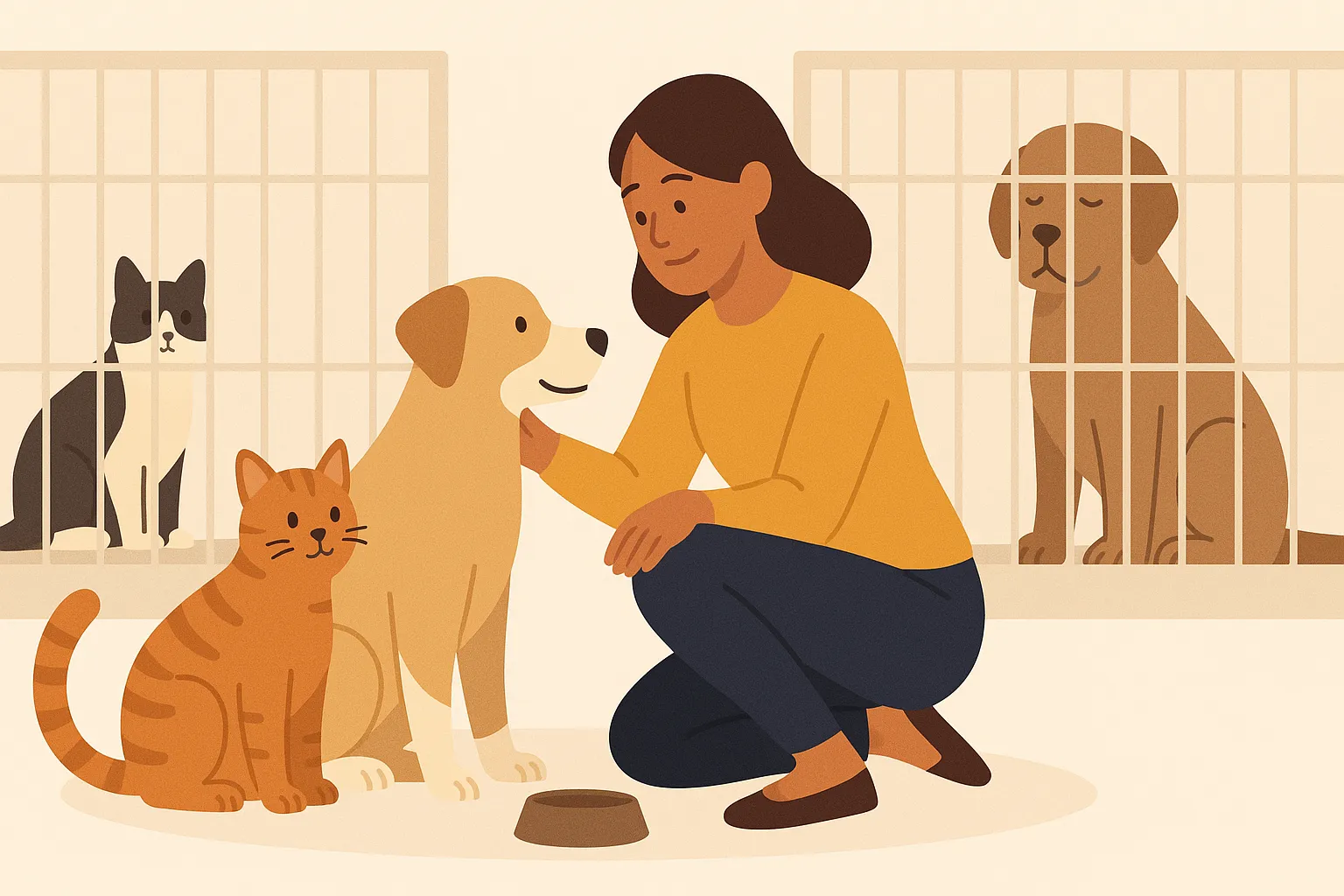
- You visit the shelter
- You fill out an introductory questionnaire
- You talk with a volunteer/staff member (first interview)
- You meet the dog one or more times
- If required, there is also a pre-adoption home visit
- You sign the adoption form
- Post-adoption checks may be carried out, especially in the first weeks or months
Cat adoption from a rescue: what to expect
- Visit to the rescue or foster home
- Meeting the cat (possibly more than once for shy cats)
- Pre-adoption questionnaire
- Possible home visit
- Signing the fostering/adoption documents
- Follow-up contacts for updates and support
2. Before going to a shelter or rescue: questions to ask yourself
Before even searching for “how dog adoption from a shelter works” or “cat adoption from a rescue” online and booking an appointment, take a moment to think things through clearly.
Check your time, space, and lifestyle
Ask yourself:
- How many hours a day am I away from home?
- A dog left alone 8–10 hours a day every day can suffer a lot.
- Do I live in an apartment or a house with a garden?
- A garden does not replace walks, but it can help in some situations.
- Do I have neighbors who are very sensitive to noise (barking, meowing)?
- Are there children, elderly people, or other animals in the home?
- Some animals are not suitable for living with small children or with other males/females.
Evaluate the real financial commitment
The costs of adopting a dog/cat from a shelter or rescue are often low or symbolic (a contribution toward expenses), but the annual care costs are not.
Approximate budget (very variable depending on size and location):
- Dog:
- food: €300–900/year
- vaccines and prevention: €150–300/year
- extra vet visits: €100–300/year (if everything goes well)
- unexpected expenses/surgery: can exceed €500–800 one-time
- Cat:
- food: €250–600/year
- litter: €150–300/year
- vaccines and prevention: €100–250/year
- medical emergencies: variable
3. How to choose the right dog or cat in a shelter or rescue
Don’t choose only with your eyes
It’s natural to fall in love with a photo or a look behind the bars, but for a responsible adoption you need to consider other factors:
- Size and physical strength (especially if you have children or are elderly)
- Age:
- puppies/kittens: more “moldable,” but very demanding
- adults: often easier to manage, with a more established personality
- seniors: require more medical care, but are extraordinary companions
- Energy level:
- very active dog vs. calm dog
- playful cat vs. very independent cat
- The animal’s past experience:
- shy, former stray, abused, lived in an apartment, etc.
Talk in depth with volunteers and staff
Shelter or rescue volunteers know the animals much better than anyone arriving from outside.
Ask openly:
- Is this dog/cat:
- used to a leash?
- compatible with children?
- compatible with other dogs/cats?
- noisy (barks a lot, vocalizes)?
- Does it have any known health issues?
- Does it have particular fears (men, children, cars, loud noises)?
- Has it already lived in a home, or only in a kennel/cattery?
A sincere yes to a less “perfect” dog/cat that suits you is better than a rushed adoption that leads to returns or unmanageable situations.
4. Documents to adopt a dog or cat from a shelter/rescue
One of the most common searches is: “documents to adopt a dog or cat.” It depends a lot on the specific shelter/rescue and on regional rules, but usually you will be asked for:
Personal documents
- Valid ID card or passport
- Tax code or national identification number
- Phone number and home address
Animal documentation (provided by the shelter/rescue)
For the dog:
- Registration and health record
- Microchip already implanted (mandatory by law in Italy)
- Transfer of ownership form
- Health booklet with:
- vaccinations given
- possible sterilization
- parasite treatments
- any blood tests or disease screening
For the cat:
- Health booklet
- Microchip information (mandatory in some regions; in any case recommended)
- Sterilization certificate (if already done)
- FIV/FeLV test if performed
Foster/adoption form
This is the official document that regulates the adoption. It usually includes:
- your details as adopter
- the animal’s details
- the adoption conditions:
- commitment to provide veterinary care
- ban on transferring the animal to third parties without agreement from the shelter/rescue
- possible sterilization requirement if not yet done
- authorization for post-adoption checks
Read it carefully and ask questions if anything is unclear.
5. Pre-adoption interview: what it is and why you shouldn’t fear it
The pre-adoption interview is not an “interrogation” against you, but a way to assess whether the adoption is sustainable and safe for everyone.
What the pre-adoption process involves
Usually it includes:
-
Written questionnaire
You’ll be asked about:- lifestyle (work, schedule, activities)
- type of home (garden, balconies, stairs)
- previous experience with animals
- presence of other animals/family members
-
Oral interview
A volunteer or manager will ask open-ended questions to understand:- what you expect from the animal
- how you would manage holidays
- whether you are aware of any possible issues with the animal
-
Home visit (in many cases)
This is used to:- check home safety (nets, balconies, gates)
- suggest practical adjustments for daily management
How to prepare for the pre-adoption interview
- Be honest: hiding information is counterproductive
- Involve all family members
- Prepare possible solutions for holidays and emergencies in advance
- If your home is not perfectly “dog/cat-proof,” you can explain how you’ll make it safer (nets, baby gate, etc.)
6. Costs of adopting a dog/cat from a shelter or rescue
Many people ask: “costs of dog and cat adoption from a shelter: how much will I spend?”
Adoption contribution
In many public shelters:
- Adoption is free or requires only a small symbolic contribution
In private rescues/associations:
- A contribution toward expenses may be requested, which can include:
- vaccinations
- microchip
- sterilization (if already done)
- parasite treatments
- any previous medical care
The amount varies widely (from a few dozen to a few hundred euros), but it is often lower than the cost of arranging all these procedures privately.
Costs after adoption
Plan for these from the start:
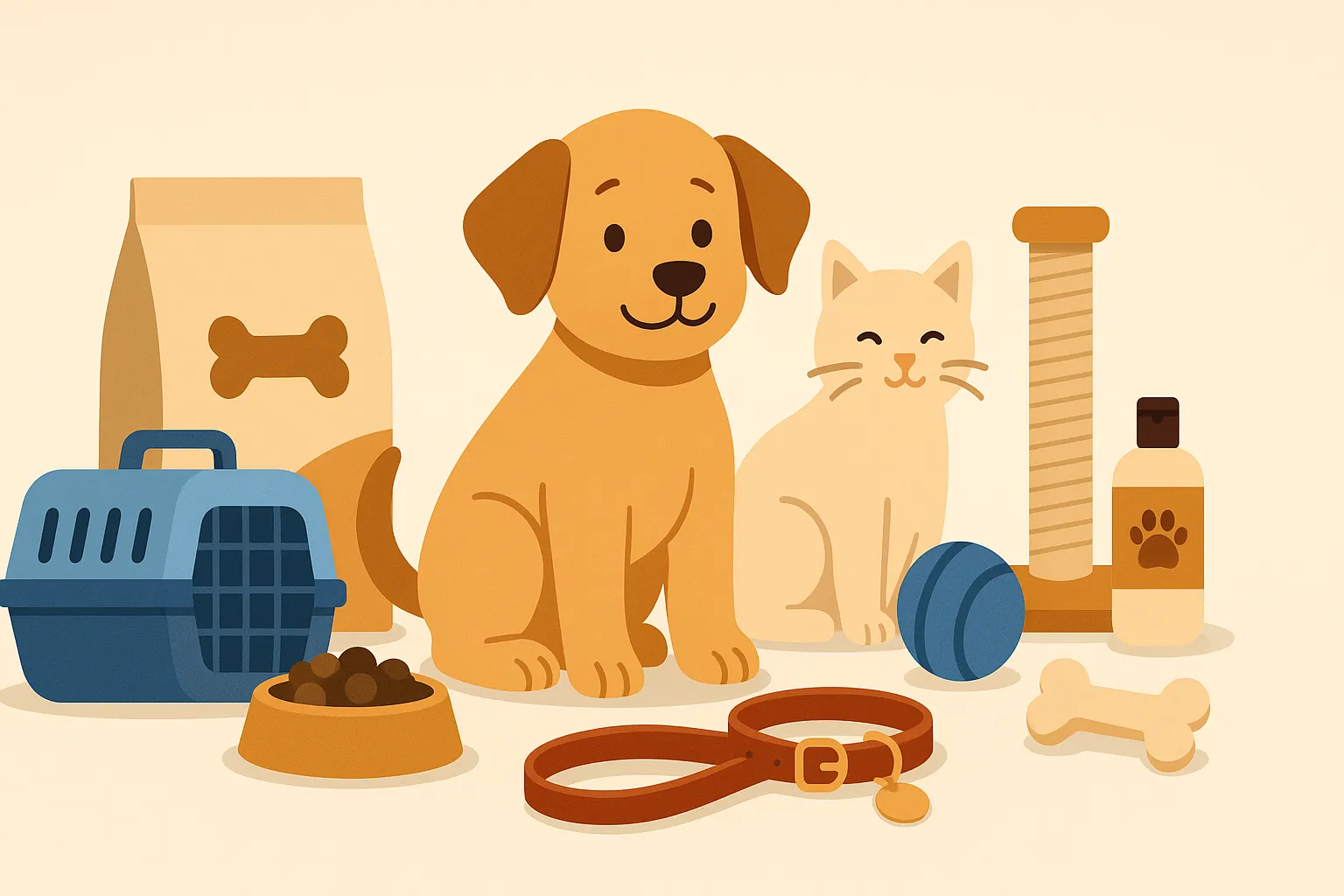
- initial purchases:
- carrier (for cats and small/medium dogs)
- bed, bowls, leash/harness or collar
- litter box and litter for the cat
- toys and scratching post
- monthly maintenance (food, litter, antiparasitics)
- check-up vet visits
7. Preparing your home for your dog or cat’s arrival
Space and safety for the dog
Before arrival:
- Set up:
- a quiet area with a bed or mat
- a feeding area with bowls always in the same place
- Secure:
- electrical cables, trash bags, cleaning products
- gates and fences (no gaps they can escape through)
- Prepare:
- harness/collar with ID tag
- sturdy leash
- waste bags
Space and safety for the cat
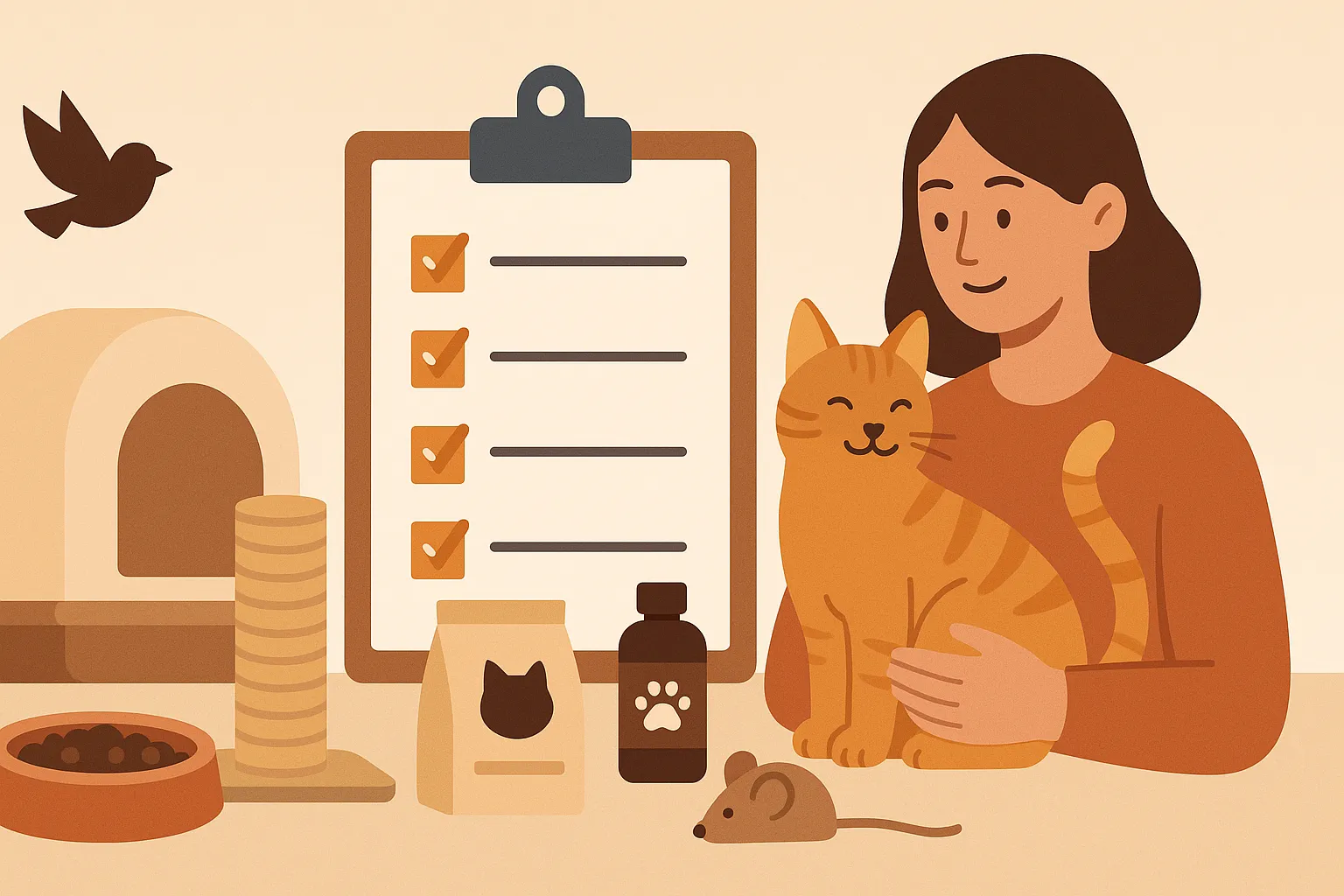
For cats, vertical safety is essential:
- Protect windows and balconies with suitable nets
- Prepare:
- litter box in a quiet but accessible place
- separate bowls for water and food
- hiding places (boxes, baskets, beds)
- scratching post and toys
- Avoid:
- toxic plants (e.g. lilies, dieffenbachia, philodendron)
- trash bag strings, small swallowable objects
8. Adoption day: handling the arrival
Transporting your pet from the shelter or rescue to home
For the dog:
- Always use a leash and a properly secured harness
- Avoid letting the dog out of the car on busy roads
- Bring:
- a few treats
- a blanket or towel
For the cat:
- Use a sturdy, closed carrier
- Partially cover the carrier with a cloth to reduce stimuli
- Never open the carrier in the car, for any reason
The first hours at home
- Do not invite friends and relatives to “meet the new arrival” on the first day
- Let the dog or cat explore calmly
- Do not force interactions (petting, play) if the animal is scared
- Keep your voice low and movements slow
For the dog:
- Take them immediately to a place where they can relieve themselves
- If they have accidents in the house in the first few days, do not scold them: it’s stress and disorientation
For the cat:
- At first, it may help to limit access to just one room, with:
- litter box
- food
- water
- hiding spot
Then gradually open up the rest of the house.
9. First veterinary visit after adoption
Even if the animal leaves the shelter or rescue with an up-to-date health booklet, it is good practice to schedule a first veterinary visit with a trusted professional.
When to do it
- Ideally within the first 7–10 days after arrival, unless there is an emergency sooner.
What to check
- Overall health status
- Vaccination plan (complete boosters if needed)
- Plan for:
- deworming
- internal and external parasite prevention
- Any recommended tests:
- bloodwork (especially for adult or senior dogs/cats)
- specific tests depending on the area (e.g. leishmaniasis for dogs in certain regions)
How to organize
Bring with you:
- health booklet
- any documentation provided by the shelter/rescue
- a list of behaviors you’ve noticed (coughing, diarrhea, itching, fear, etc.)
10. The first few months: adjustment, routine, and support
Building a predictable routine
Both dogs and cats feel safer with clear routines:
For the dog:
- similar times for:
- walks
- meals
- play
- fixed places for sleeping and eating
For the cat:
- regular meal times
- stable space for litter box and bed
- daily play sessions (even short ones)
Possible early difficulties
Don’t panic if, in the beginning, you face:
- fear or distrust
- accidents in the house (dog) or outside the litter box (cat)
- vocalization (crying at night, persistent meowing)
- poor appetite for the first 1–2 days (if it doesn’t get worse)
If behavioral or health issues persist:
- talk to the shelter/rescue (they often have trainers or contacts)
- contact your veterinarian to rule out medical causes
- consider a qualified dog trainer or feline behavior consultant for personalized support
11. How technology can help you without replacing the bond
Caring for a dog or cat responsibly requires organization. Some digital tools can make your life easier, leaving more space for the best part: your relationship with your pet.
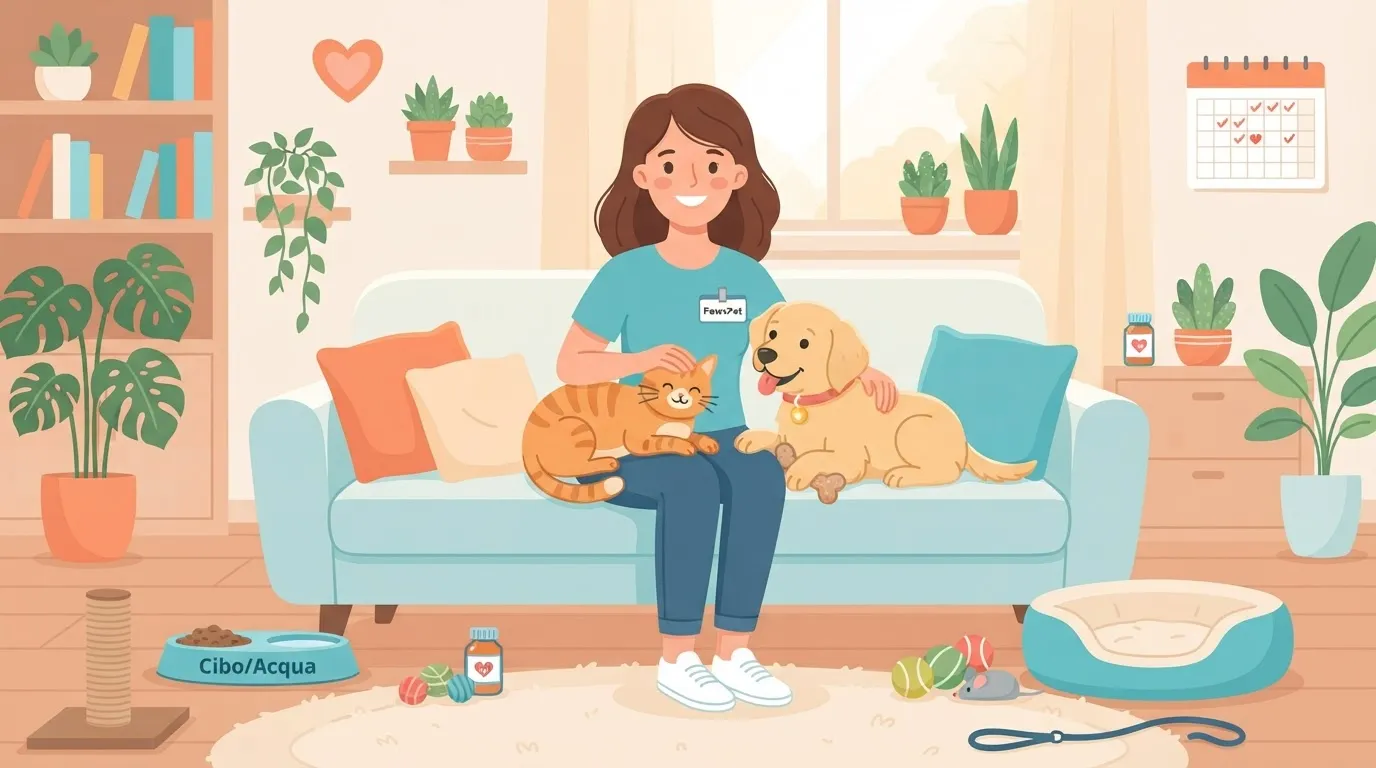
With an app like PawsPet you can:
- create a dedicated profile for the adopted dog or cat
- record:
- personal data (adoption date, origin from shelter/rescue)
- health information (vaccines, treatments, diagnoses)
- set automatic reminders for:
- vaccines
- antiparasitics
- regular vet check-ups
- keep a kind of digital medical record at hand, useful also in case of emergency or if you change vets
Technology certainly does not replace daily commitment, but it can help you stay more consistent and organized.
Conclusions: adopting responsibly is a journey, not a single act
Adopting a dog or cat from a shelter or rescue is a choice that changes lives — yours and theirs.
A responsible adoption means:
- learning how adoption works in a shelter or rescue
- preparing documents, home, family, and budget
- approaching the pre-adoption interview calmly
- ensuring veterinary care and stable routines
- being ready to ask professionals for help when needed
If you are thinking about welcoming a new four-legged friend, take the time to reflect, visit more than one facility, and listen to the advice of volunteers and veterinarians.
And if you want to keep track of your new companion’s health and daily care over time, you can try a digital support tool like PawsPet, so you always have medical info, reminders, and important details with you.
FAQ on responsible dog and cat adoption from a shelter or rescue
How does dog adoption from a shelter work?
Usually the process includes: a shelter visit, an introductory interview with volunteers, a questionnaire and possible home visit, one or more meetings with the dog, signing the adoption form, and post-adoption checks. Details vary from shelter to shelter and region to region.
How much does it cost to adopt a dog or cat from a shelter?
Adoption may be free or require a contribution toward expenses (vaccines, microchip, sterilization, treatment provided by the rescue). On top of that, you should add ongoing care costs (food, litter, antiparasitics, vet visits) and any unexpected medical expenses, which are the most significant costs in the long run.
What documents are needed to adopt a dog or cat?
Generally, you will need:
- your ID document
- your tax code or national identification number
- your full contact details
The shelter or rescue will provide the health booklet, microchip details (mandatory for dogs in Italy), any documentation about sterilization and health status, and an adoption/foster form to sign.
Is it better to adopt a puppy/kitten or an adult?
There is no absolute “better” option.
- Puppies and kittens require a lot of time, training, patience, and are often more destructive.
- Adult dogs and cats have a more stable personality and are often already partially trained, but they may come with previous habits or insecurities.
The choice should be based on your lifestyle, available time, and experience. Shelter/rescue volunteers can help you find the profile that suits you best.