Welcoming a new cat into your home is an exciting moment… and a slightly chaotic one too. Between advice from friends, shelves full of products, and endless opinions online, it’s easy to wonder: “What does a cat really need? What should I buy before it arrives?”
In this practical guide you’ll find:
- A truly complete cat starter kit, with no unnecessary accessories.
- The essentials for safety, comfort, food, play, and health.
- Tips to save money, where it’s worth investing, and what you can put off.
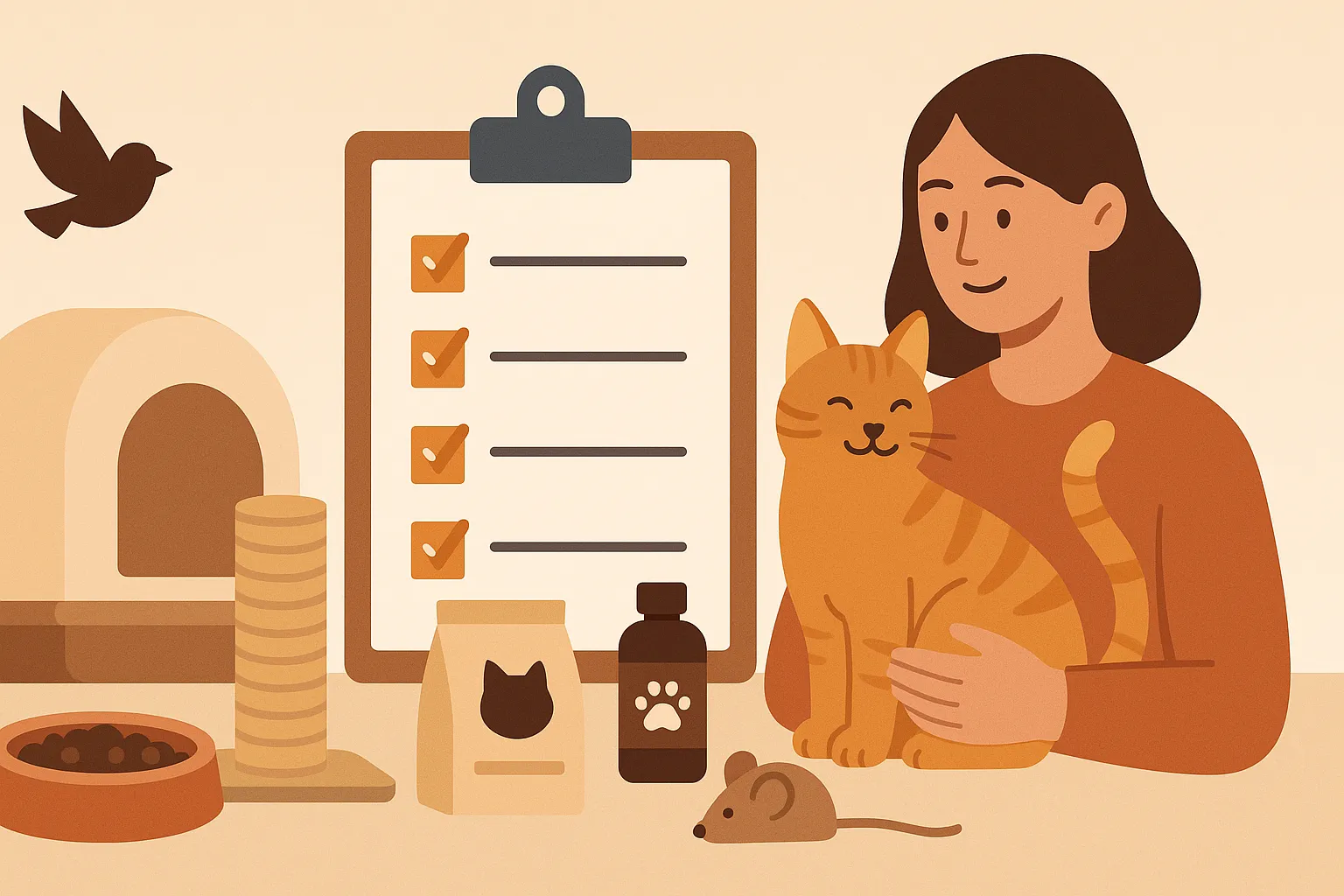
- A mini checklist to tick off so you don’t forget anything.
Whether you’re adopting a kitten or an adult cat, here you’ll discover what to buy for a cat and how to prepare your home in a simple, functional way.
1. Before arrival: what to decide before you buy
Before filling your cart, clarify a few things:
- Cat’s age: kitten, adult, senior.
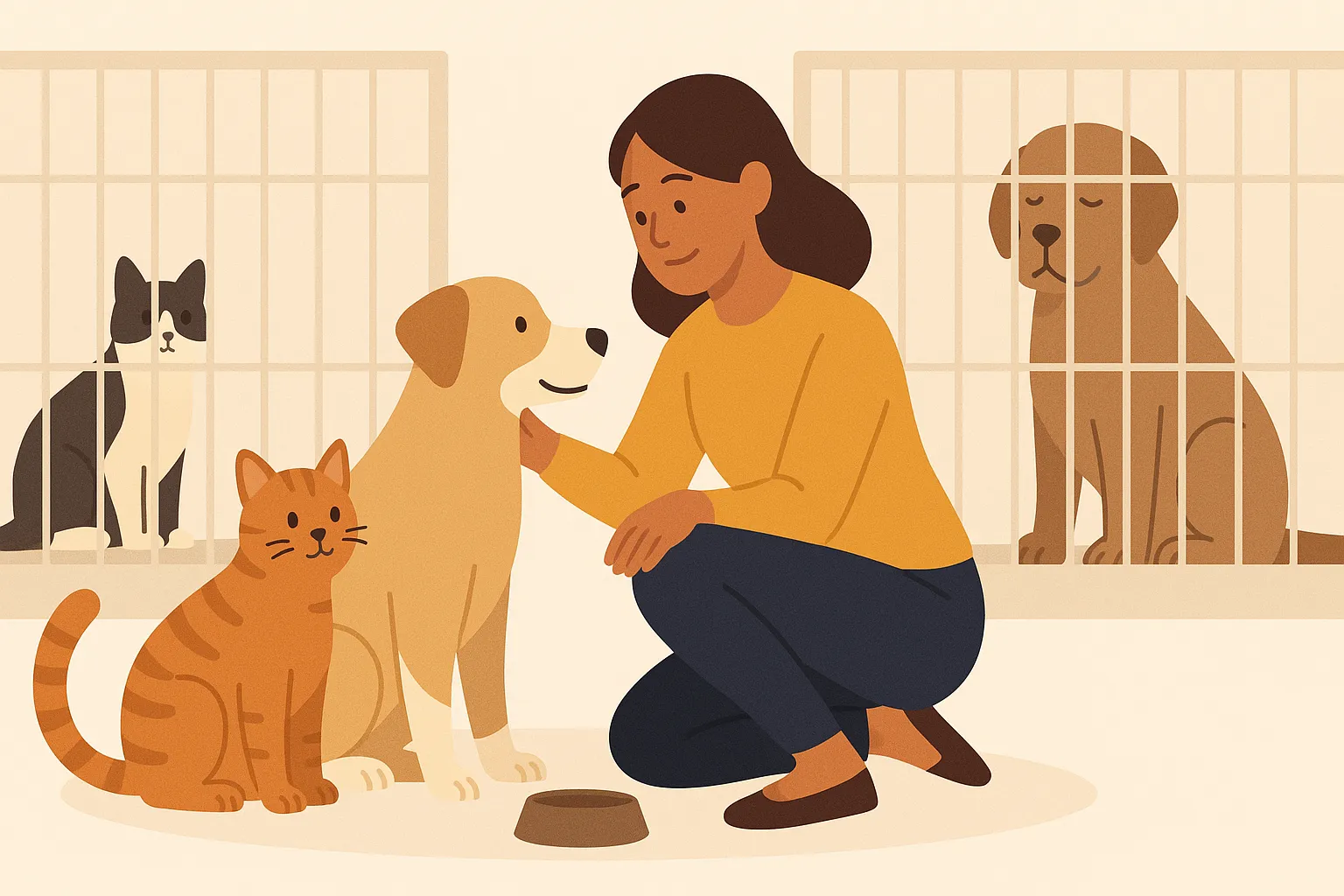
- Background: shelter, street, breeder, private owner.
- Lifestyle: indoor only, balcony/garden with safety measures, cat that will travel often.
- Budget: do you prefer to invest in a few quality products or start with the basics and upgrade later?
These answers shape your cat starter kit: for example, a shy cat will need more hideaways and enclosed beds, while a cat that travels often will need a good carrier right away.
2. The real essentials: overview of the cat starter kit
Here’s the essential list of must-have accessories for a cat:
- Safe carrier
- Litter box + litter + scoop
- Bowls for water and food
- Suitable food (dry/wet) and treats
- Scratching post (at least one)
- Bed or comfortable mat
- Interactive and simple toys
- Brush/comb (depending on coat)
- Parasite prevention products (with veterinary advice)
- Collar or harness + ID tag (if needed)
- Basic hygiene kit
- Cat documents and records
Later we’ll go through each item in detail, with what to choose, what to avoid, and a few tricks from an experienced cat person.
3. Cat carrier: how to choose it and why it’s essential
A carrier is the first thing to have before the cat even arrives home: you’ll need it for the adoption trip, for vet visits, and for any future travel.
3.1 Essential features of a good carrier
Look for a carrier that is:
- Rigid (sturdy plastic) or a high-quality semi-rigid one.
- With a front opening and, if possible, a top opening (very useful with fearful cats).
- With solid, easy-to-secure locks.
- Large enough: the cat should be able to turn around and lie down comfortably, but not slide around inside.
- Well ventilated, with grilles/holes on several sides.
Avoid carriers that are:
- Too small “to save space.”
- Cheap fabric-only models with weak zippers (escape risk).
- With an unstable handle.
3.2 How to get your cat used to the carrier
Don’t use it only “when something bad happens” (vet visits, trips): it will become an enemy.
- Leave the carrier open at home, with a soft blanket and a few treats.
- Every now and then, play around it, toss snacks inside, and never force the cat.
- Cover it with a light cloth to make it feel like a safe den.
Practical tip
Put a cloth inside with your scent or the smell of the home: many cats feel reassured by familiar odors.
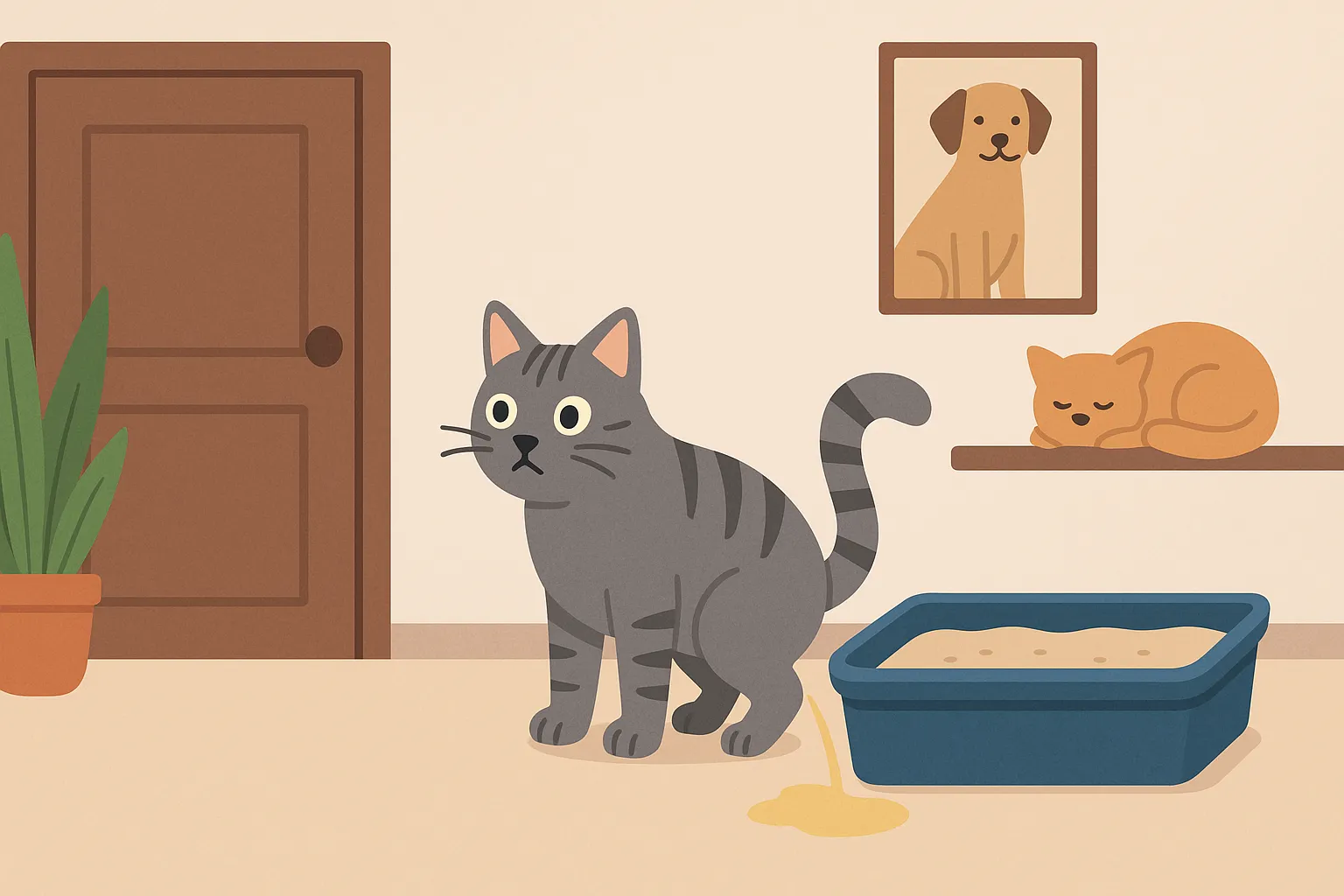
4. Cat litter box: what really matters (and what doesn’t)
Talking about litter means talking about the box, the litter itself, and accessories.
4.1 Types of litter boxes
The main options are:
-
Open litter box
- Pros: cheaper, easy to clean, preferred by many cats.
- Cons: a bit more odor and more litter scattered around.
-
Covered litter box
- Pros: contains odors better, looks “cleaner.”
- Cons: some cats don’t like it, and it can trap moisture if not well ventilated.
-
Litter box with anti-scatter rim
- A good compromise: open, but helps reduce litter tracking.
To start, a simple open litter box is often best: the cat immediately recognizes it as a bathroom.
4.2 Which litter should you choose
Among the most common litters:
- Clumping: more practical for daily scooping.
- Non-clumping: needs to be replaced more often.
- Plant-based/biodegradable: often lighter and compostable (check the manufacturer’s instructions and your local regulations).
- Silica/crystal: controls odor well, but not all cats like it.
For a new cat at home, if possible, ask what kind of litter it used before (shelter, previous home, breeder) and keep it the same at first to reduce stress.
4.3 How many litter boxes are needed?
General rule:
- 1 cat → 2 litter boxes (if you have the space)
- 2 cats → 3 litter boxes, and so on.
If space is limited, start with one large litter box, but consider adding a second one later.
4.4 Useful litter box accessories
- Perforated scoop suited to the type of litter.
- Litter mat in front of the entrance.
- Waste bags for disposal.
What isn’t essential at first:
- Strong perfumes or deodorizing sprays (many cats hate them).
- An expensive “smart” litter box: that can come later, if you really need it.
Mini litter checklist
- Litter box (open or covered)
- Litter (better to have 2 bags as backup)
- Scoop
- Mat (optional but recommended)
- Trash bags
5. Bowls and water: what to buy for your cat
Bowls may seem basic, but they make a real difference to your cat’s well-being.
5.1 Bowl materials
- Stainless steel: hygienic, durable, easy to wash.
- Ceramic: stable, doesn’t retain odors, often preferred by cats.
- Plastic: cheap but can scratch and hold odors/bacteria; less recommended.
5.2 How many and what kind?
For one cat:
- 1–2 food bowls
- 1 large water bowl (or a fountain)
Bowls are better if they are:
- Low and wide, so they don’t bother the whiskers (“whisker stress”).
- With a non-slip base or placed on a mat.
5.3 Fountain: yes or no?
Some cats drink more with moving water. A fountain can help, especially if the cat eats mostly dry food.
It’s not essential at first, but if you notice your cat drinks little, you can consider it later.
Practical tips
- Place water away from the litter box.
- Many cats also prefer water to be away from their food: you can try different spots.
6. What to buy to feed your cat: basic nutrition
Your cat starter kit isn’t complete without food.
6.1 Always ask what the cat was eating before
To avoid stomach upset in the first few days:
- Find out the brand and type of food the cat was eating.
- Keep that diet for at least the first week.
- If you want to change, do it gradually, mixing the new food with the old in increasing amounts.
6.2 Dry food, wet food, or both?
-
Dry food (kibble)
- Pros: practical, keeps better.
- Cons: less hydrating.
-
Wet food (cans, pouches)
- Pros: more moisture, often more appetizing.
- Cons: must be eaten fairly quickly, costs more per calorie.
Many vets recommend a combination of dry + wet food, tailored to the cat’s health. For specific advice, ask your trusted veterinarian.
6.3 Treats and snacks
Not essential, but useful for:
- Rewarding the cat when it gets into the carrier.
- Reinforcing positive moments during play or grooming.
Choose simple treats and avoid too much:
- Sugar
- Artificial coloring
- Salt
7. Scratching post: a fundamental accessory, not optional
A scratching post is not a whim, but a truly essential accessory for a cat. Scratching helps cats to:
- Mark territory.
- Keep claws and muscles healthy.
- Release stress and tension.
If you don’t offer an appropriate scratching post, your sofa may become the target…
7.1 Types of scratching posts
- Horizontal scratching mat: takes up little space, and many cats use it happily.
- Vertical scratching post: must be tall and stable, ideally over 70–80 cm.
- Cat trees with platforms and beds: combine scratching, play, and rest.
For a new cat at home, at least:
- 1 stable vertical scratching post
- 1 horizontal mat or scratchable surface
7.2 Where to place the scratching post
Put it:
- Near high-traffic areas and places it already scratches (if you know them).
- Not hidden in a faraway storage room: it must be easy to access and inviting.
Practical tips
- Use wand toys to “guide” the cat toward the scratching post.
- Don’t shout if it scratches where it shouldn’t: calmly redirect it to the correct surface.
8. Bed, hideaways, and safe spaces
Many cats prefer sofas, chairs, or your bed, but having a few dedicated resting spots gives them security and familiar reference points.
8.1 Types of beds
- Soft mats: simple, washable, great for placing on chairs or shelves.
- Igloo/covered beds: perfect for shy cats or newly arrived ones.
- Radiator or window hammocks: loved by cats that enjoy watching the outside world.
To start, you can also:
- Use blankets or towels you already have at home.
- Offer at least one enclosed spot (a cardboard box with a blanket = classic and always works).
8.2 Where to place the beds
- In quiet areas, away from loud noises.
- Up high, if possible: many cats feel safer with a bit of a “view from above.”
9. Cat toys: what to buy and what you can improvise
Play is essential to:
- Stimulate the mind.
- Maintain a healthy weight.
- Strengthen your bond with your cat.
9.1 Essential toys in the starter kit
At the beginning, just a few targeted items are enough:
- Wand toys with string and feathers/mice
- Light balls (preferably not noisy at night…)
- Fabric mice or small plush toys
- A few chase toys for the floor
Later on, you can add:
- Smart interactive toys (puzzle feeders, ball tracks)
- Catnip toys, if your cat likes them
9.2 DIY toys using things you already have at home
Many cats enjoy:
- Crumpled paper balls.
- Cardboard boxes with holes.
- Cardboard tubes (like paper towel rolls) as mini tunnels.
Warning
Avoid thin threads, elastic bands, and unsupervised strings: if swallowed, they can be dangerous. If you suspect ingestion, contact your vet immediately.
10. Grooming and hygiene: the essentials
You don’t need a cat beauty salon, but a few basics are useful right away.
10.1 Brush or comb
Depending on the coat:
- Short hair: a soft brush or grooming glove is often enough.
- Medium/long hair: a long-tooth comb + brush for detangling.
Brushing:
- Reduces hair around the home.
- Helps prevent hairballs, especially in long-haired cats.
- Can become a bonding moment.
10.2 Ears, eyes, and nails
For most domestic cats:
- Ear cleaning only if needed and on veterinary advice.
- Eye cleaning with sterile gauze and saline solution if there is mild tearing.
- Nail trimming: ask your vet to show you how to do it safely, or use a professional.
Avoid using medicated or cleaning products without a veterinarian’s advice.
11. Health and prevention: what to have and what not to have in the starter kit
For health, the real priority is to schedule a vet visit (if it hasn’t already happened) for:
- Vaccinations
- Deworming
- External parasite control (fleas, ticks, mites)
- Microchip and registration, where required
11.1 Parasite prevention
These are often recommended even for indoor cats (you can bring parasites in on shoes, clothes, etc.).
- Let the vet choose the right product for age and weight.
- Avoid random antiparasitic products or dog products used on cats: they can be dangerous.
11.2 First-aid kit: what actually makes sense
For basic home use:
- Sterile gauze.
- Saline solution.
- Tweezers.
- Your vet’s number and the phone number of a 24/7 clinic always on hand.
For any health issue, trauma, suspected ingestion, or concerning symptom, don’t guess: contact a professional.
12. Home safety: what to check before the cat arrives
Beyond the items to buy for your cat, there’s one essential “invisible accessory”: a safe home.
12.1 Windows and balconies
- Installing protective mesh on balconies and windows is strongly recommended.
- Don’t underestimate a cat’s ability to climb or squeeze through tiny openings.
12.2 Toxic plants and dangerous objects
Check whether you have plants toxic to cats at home (e.g. lilies, dieffenbachia, philodendron, oleander, and many others) and, if so, move them out of reach or replace them.
Keep out of reach:
- Unprotected electrical cords.
- Small objects that can be swallowed (rubber bands, pins, jewelry).
- Chemicals and cleaning products.
Mini safety checklist
- Balcony/windows protected or inaccessible
- Plants checked (and removed if toxic)
- Electrical cords and outlets secured
- Small objects collected and put away
13. Documents, records, and daily management
A point often forgotten when asking “what to buy for a cat” is information management:
- Health booklet (vaccinations, visits).
- Any previous tests/diagnoses.
- Medications to be given (if any).
- Vet contacts (regular and emergency).
To keep everything organized, you can:
- Keep a physical folder.
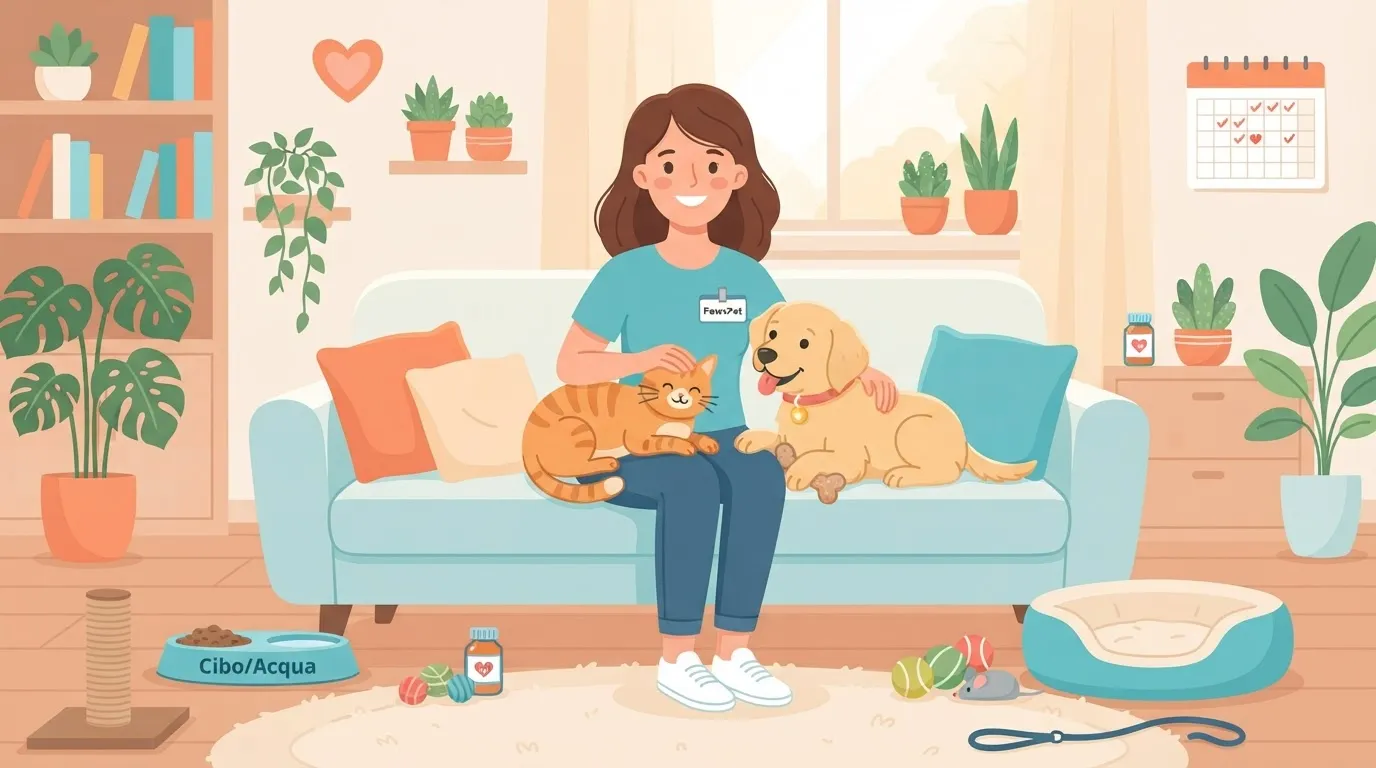
- Use digital tools like PawsPet, which helps you:
- Save your cat’s records and health data in one place.
- Set reminders for vaccines, parasite prevention, and visits.
- Track weight, diet, and any treatments.
This helps you avoid forgetting things and communicate more clearly with your vet.
14. What is NOT essential at the beginning (but you might consider later)
To avoid unnecessary purchases, here’s what you can safely postpone:
- Automatic “smart” litter boxes.
- Very large and expensive cat trees (start with a medium-sized one).
- Dozens of toys: better a few that are actually used.
- Clothes or costumes (many cats won’t tolerate them).
- GPS collar: it may be useful later if the cat goes outdoors, but for an indoor cat it is not a priority.
15. Example of a ready-to-use cat starter kit
To summarize, here’s a complete list of essentials for a new cat at home.
15.1 Minimum starter kit
- Sturdy carrier
- 1–2 litter boxes + litter + scoop
- 2 bowls (food) + 1 large bowl or fountain (water)
- Dry/wet food the same as what it has been eating so far
- 1 stable vertical scratching post
- 1 mat/horizontal scratching surface
- 1–2 dedicated beds or blankets
- 2–3 simple toys (wand, balls, mice)
- Brush/comb suited to the coat
- Contact details for a vet already chosen
- Folder (or app) for medical documents
15.2 Recommended extras (if your budget allows)
- Litter mat
- Water fountain
- Protective mesh for balconies/windows
- Parasite prevention prescribed by a vet
- ID tag with name and phone number (if using a collar)
16. Managing everyday life: simple routines for a calm cat
Once the kit is ready, what matters is how you use it.
- Meals: regular times (or automatic feeders if needed).
- Litter box: daily removal of solids and clumps, full change periodically.
- Play: at least 10–20 minutes a day of interactive play with you.
- Checks: monitor appetite, thirst, behavior, and litter box use.
Here too, digital tools like PawsPet can help you:
- Note behavior changes.
- Record weight over time.
- Save photos of any skin issues to show your vet.
Conclusion: a simple kit, lots of observation, and a bit of organization
A new cat at home doesn’t need a mountain of accessories, but it does need:
- A few well-chosen essentials (carrier, litter box, scratching post, bowls, food).
- A home made safe and welcoming.
- Someone who observes it, respects it, and stays organized to care for it over time.
Start with this cat starter kit, observe your cat, and add only what you truly need.
If you want to make daily management easier, you can:
- Register your cat on PawsPet.
- Use the app to store data, vaccines, visits, and reminders, so you can focus on cuddles instead of sticky notes.
FAQ on what to buy for a cat
What do I need for a kitten that has just arrived home?
For a kitten you need:
- Carrier, litter box with fine litter, bowls, age-appropriate food (kitten), scratching post, a few soft toys, bed/hideaway. In addition, it’s important to schedule a vet visit as soon as possible for checkups, deworming, and vaccinations.
What should I buy for an adult cat adopted from a shelter?
Very similar to a kitten, but with a few extra considerations:
- The same type of litter and, if possible, the same food used at the shelter during the first few days.
- More closed hideaways (boxes, igloo beds) if it is shy.
- Sturdy scratching posts and comfortable places to rest up high. Also organize any medical documents already available (tests, vaccines, any treatments).
How many scratching posts does one cat need?
Ideally at least two types:
- One vertical, tall, and stable.
- One horizontal (mat, platform). If space and budget allow, a medium cat tree with several levels is very well received, especially in apartments.
Do I need to buy a cat fountain right away?
It’s not mandatory in the starter kit, but it can be very useful if the cat drinks little or mainly eats dry food. You can start with a large bowl, changing the water often; if you notice the cat is curious about moving water (tap, shower), a fountain could be a good next purchase.