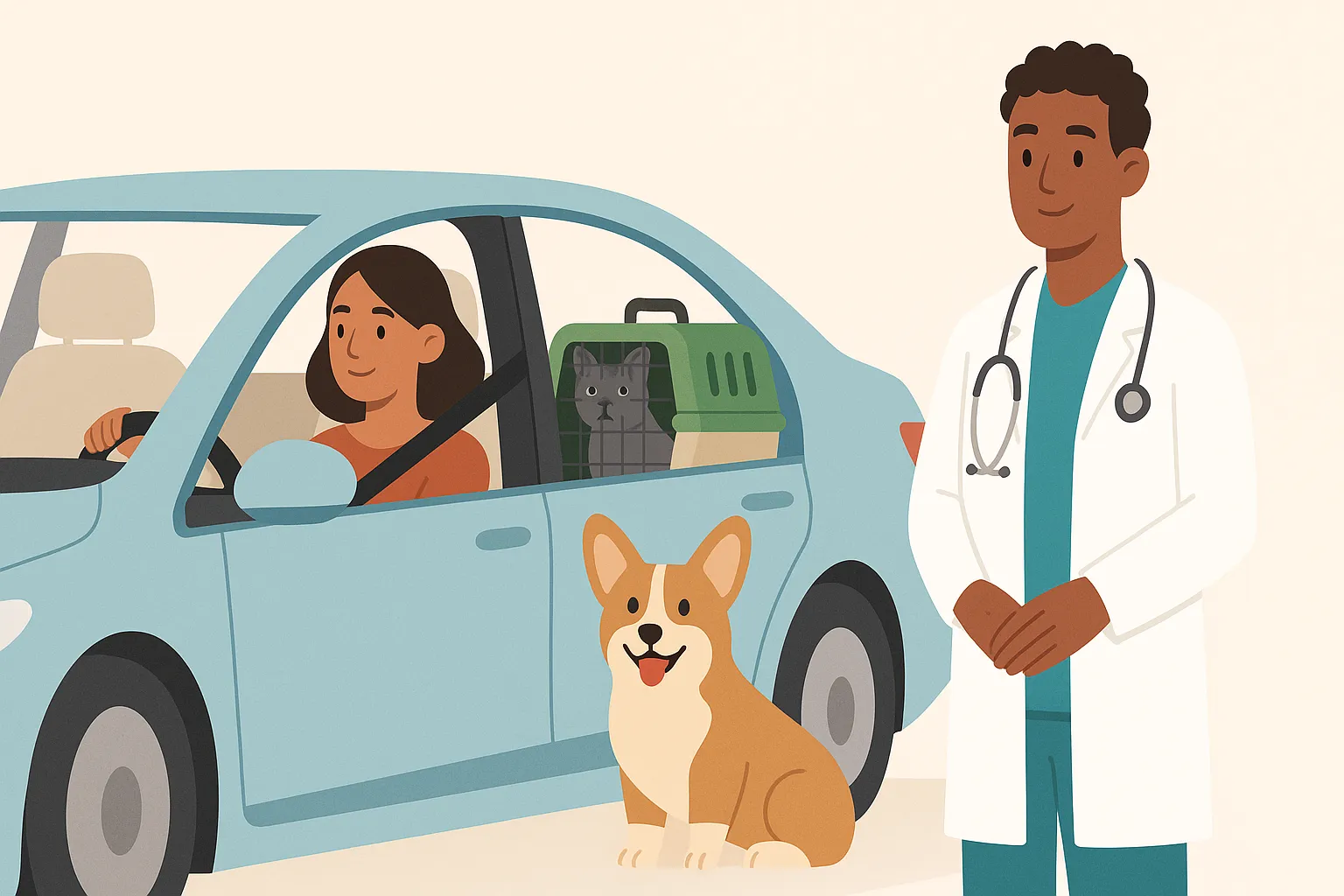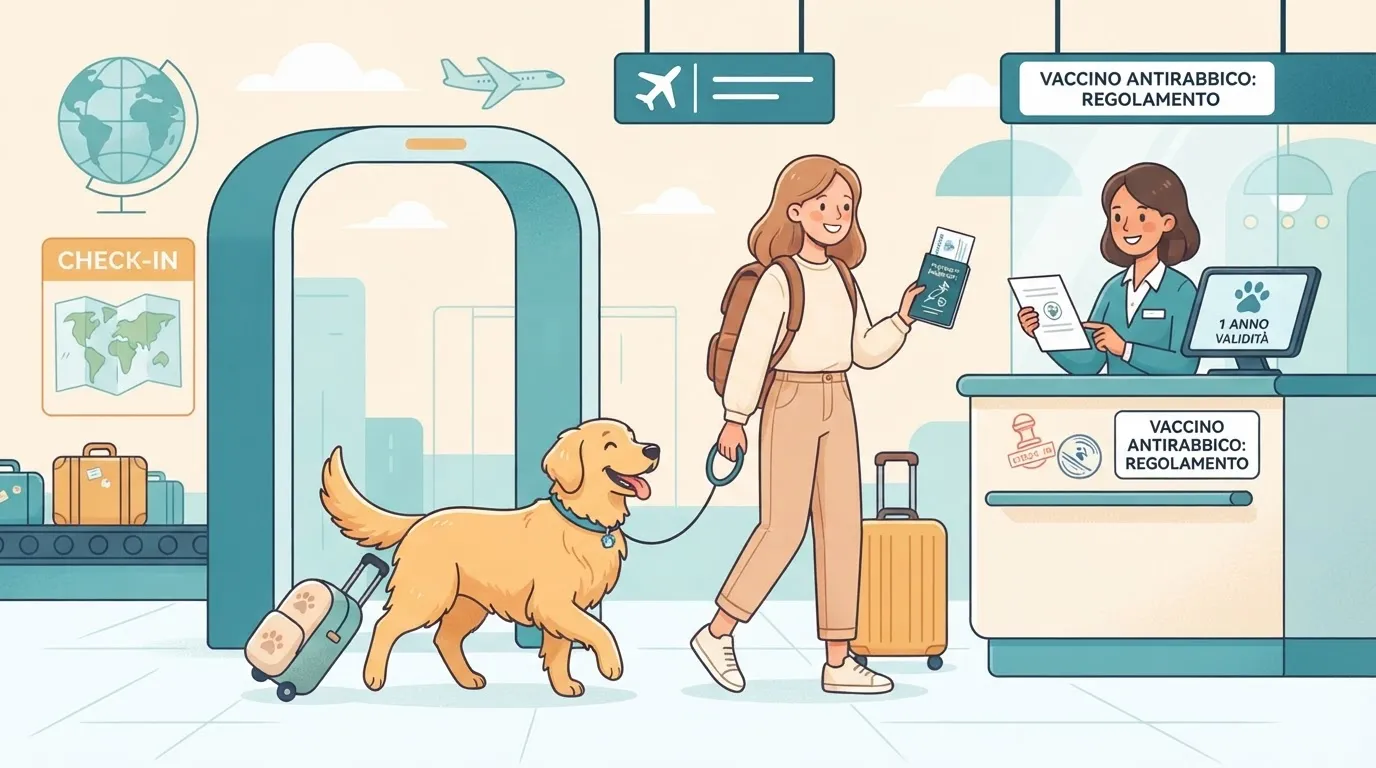
Organizing a trip with a dog or cat requires a few additional checks compared with an ordinary departure. Rabies vaccination for travel is often one of the key requirements, but timing, validity, and documents may vary depending on the destination and the animal’s vaccination history.
The most useful rule is to start preparing well in advance: a vaccination given only a few days before departure may not yet be considered valid during inspections.
When to get a rabies vaccine for travel
The rabies vaccine protects against rabies, a serious disease that can affect mammals, including dogs and cats. For many international journeys, especially to or within countries applying specific health checks, it must be correctly recorded in the pet passport.
In general, a first rabies vaccination does not become valid for travel immediately. You need to wait for the period required by the destination’s rules before the animal can be considered eligible to travel.
To avoid problems, follow these steps:
- check the destination country’s requirements before booking;
- make sure your dog or cat is identified with a microchip before vaccination, if required;
- schedule the veterinary appointment well in advance;
- keep the pet passport up to date and legible;
- do not rely only on information from friends, accommodation providers, or transport companies.
Transit locations also matter: if you have a layover or cross a country with different requirements, additional documents may be necessary.
Dog rabies vaccine: validity, boosters, and dates to check
The validity period of a dog rabies vaccine is recorded by the veterinarian in the pet passport, based on the product used and the conditions of the vaccination. Not all formulations have the same duration, so you should not assume that a vaccine is valid for the same period in every case.
A booster normally preserves vaccination continuity only if it is given by the expiry date recorded in the passport. If the booster is administered after that date, the animal may once again be subject to the timing requirements that apply to a first vaccination.
Before departure, check the following in the pet passport:
- the date the microchip was implanted;
- the date of the rabies vaccination;
- the date on which validity begins;
- the expiry date or end of validity;
- the veterinarian’s signature and stamp, where required;
- that the microchip number matches the animal’s details.
A common mistake is to look only at the date the vaccine was administered. For border checks, it is also important to confirm when the vaccination becomes valid and how long that validity lasts.
Pet passport and vaccine: what must be in order
When traveling to many countries, the pet passport is the document used to prove identification, vaccinations, and, where necessary, other health certifications. It must be issued and completed by an authorized veterinarian according to the procedures applicable where it is issued.
The pet passport does not automatically replace every other document. Depending on the destination, you may also need:
- a health certificate issued within a specific period before departure;
- documented parasite treatment;
- a rabies antibody titration test, meaning a blood test required by some countries;
- import permits;
- specific rules for puppies, kittens, adopted animals, or non-commercial travel.
Requirements may also vary according to the animal’s origin and the country from which you are returning. It is therefore advisable to check the official guidance for the destination, any transit country, and the airline, shipping company, or railway operator you have chosen.
Cat rabies vaccine travel: practical considerations before departure
Cat rabies vaccine travel follows the same principles of identification, registration, and validity that apply to other companion animals, but the logistical preparation deserves some specific attention. A cat that is not used to a carrier or unfamiliar environments may experience greater stress during the journey.
In the days before departure:
- gradually get your cat used to the carrier by leaving it accessible at home;
- prepare copies of the documents without replacing the originals;
- check the carrier dimensions and requirements set by the transport operator;
- ask your veterinarian how to manage any known health conditions;
- avoid giving medication or sedatives without professional guidance: every choice should be assessed by a veterinarian.
If your cat shows signs of illness, breathing difficulties, lethargy, or other symptoms before departure, contact your veterinarian. Traveling with an animal that is not well may worsen the problem and create difficulties during inspections.
Final checklist for traveling without surprises
One week before departure, carry out a complete check of the documents and requirements. A checklist reduces the risk of noticing a missed deadline too late.
- Original pet passport available.
- Microchip readable and details correct.
- Rabies vaccine valid for all travel dates.
- Any additional certificates ready.
- Transport operator’s rules confirmed.
- Contact details for a veterinarian at the destination.
- The animal’s regular medication and related prescriptions, if necessary.
With PawsPet, you can store your pet’s health information and set reminders for boosters, expiry dates, and travel preparations, keeping the key details organized and accessible.
FAQ about rabies vaccination and traveling with pets
Is a rabies vaccine required for every trip with a dog or cat?
No. It depends on the destination, the type of travel, and the applicable rules. It is often required for international travel, while different rules may apply to some domestic journeys.
Can I leave immediately after my pet receives a rabies vaccine?
Not always. After a first vaccination, there may be a waiting period before it becomes valid for travel. Always check the timing required by the destination country.
What happens if the rabies booster has expired?
A booster administered after the expiry date may interrupt vaccination continuity. Contact your veterinarian and check the destination’s requirements: waiting periods may apply again.