Transport is part of the service: agree in writing with the owner on when and how you will transport the dog; gather the information you need for the journey; give each dog a safe, separate space; plan your routes to reduce waiting and time on board; never leave dogs alone in the vehicle. These are the steps in a routine that a dog walker, pet sitter, or dog trainer can repeat for every outing and explain to clients, including in summer and when transporting multiple dogs.
Agreeing with the owner before the first trip
The agreement can be brief: a few clear lines, accepted by the owner in writing and updated whenever anything changes. Put the following in writing:
- when and where you will drive: an off-leash area, training field, the client's home, or, at their request, a veterinary clinic;
- how the dog will travel and where in the vehicle;
- who to contact and which veterinarian to go to if the dog becomes unwell during the trip;
- authorization to take the dog to a veterinarian in an emergency, within the limits you have agreed on.
Check with your insurer whether your professional coverage includes transport. Keys, payments, and other aspects of the contract are separate matters, outside the scope of this article.
Information to collect about each dog
Ask the owner before the first trip, not after the first problem:
- Car tolerance: whether the dog gets carsick or feels afraid, and whether they are used to traveling.
- Getting in and out: how the dog gets in and out, and whether they need help.
- Size: to choose a suitable space.
- Compatibility: which other dogs they can and cannot travel with.
- Getting out of the vehicle: whether they tend to bolt when the door or crate is opened.
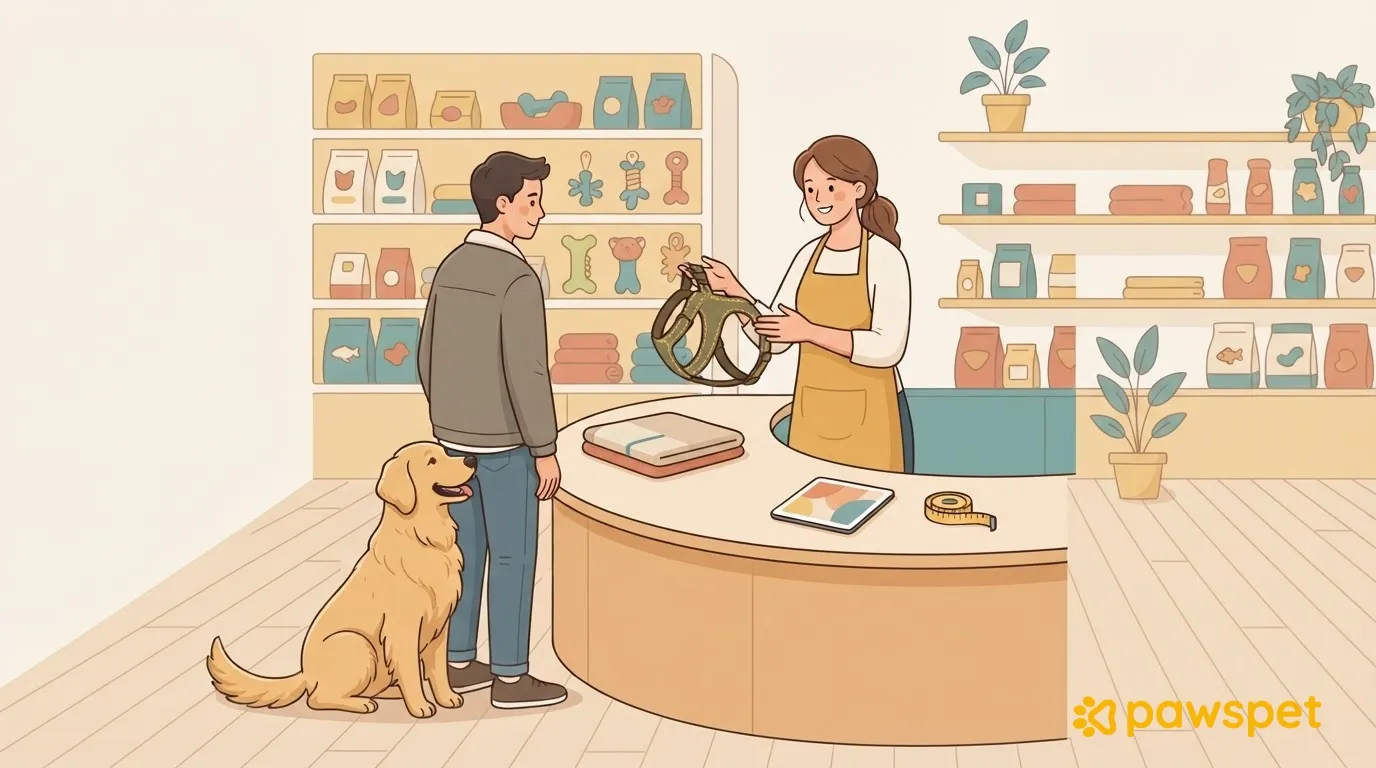
- Equipment: which harness and leash to use.
- Health: any conditions the owner considers relevant to the trip and what to do if signs of distress appear.
Do not give medication unless it has been agreed in writing with the owner, following their veterinarian's instructions.
To find these details before each outing, in the PawsPet Business app you can add them to the client's pet profile using «Record» and the type «Note», and link each appointment in Schedule to the client and their pets, adding notes relevant to that outing. An active business profile and the Schedule and Clients sections in the app are required.
Setting up the vehicle: a safe space for every dog
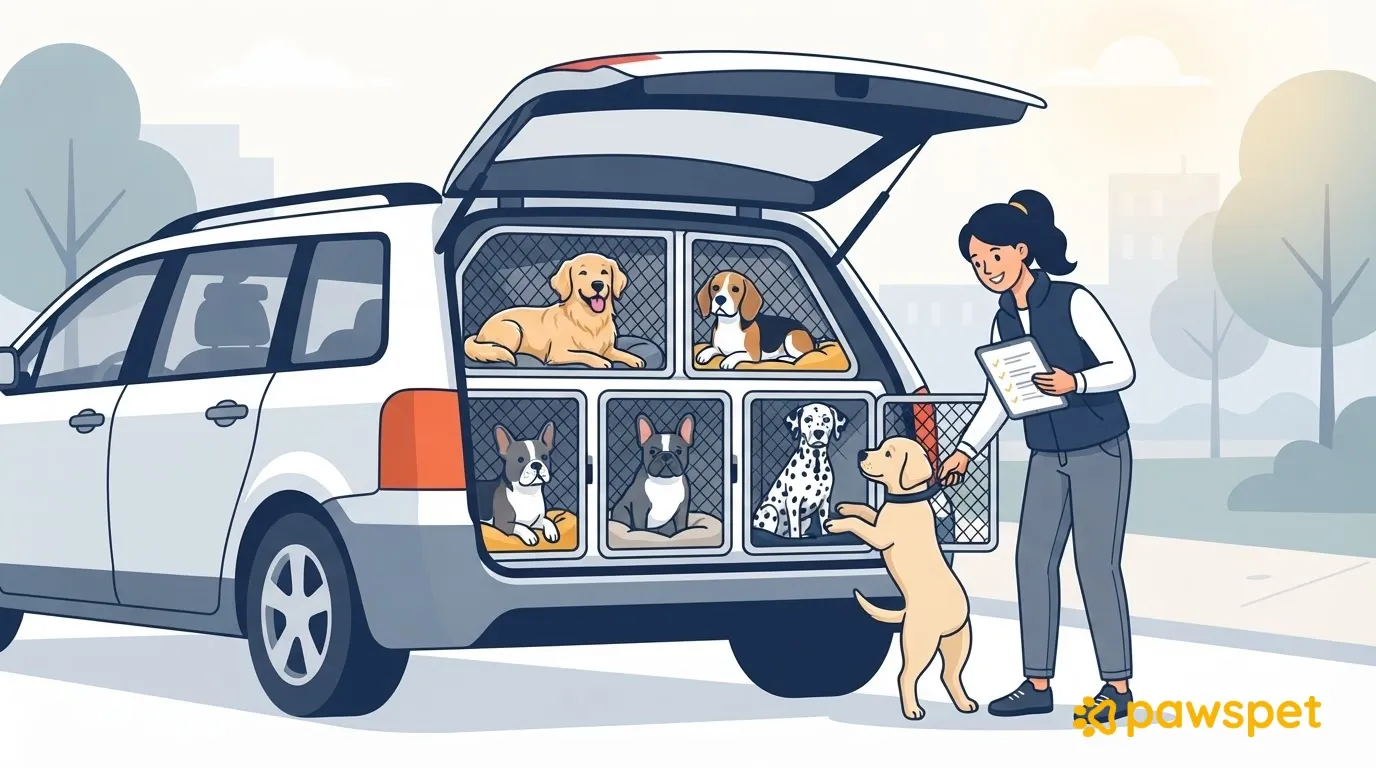
Each dog needs their own space. Here’s what you need:
- crates or carriers secured so they cannot slide or shift while driving;
- spaces large enough for the dog to stand, turn around, and lie down, with air openings kept clear at all times;
- dogs from different households in separate spaces, not loose together;
- non-slip, washable floors;
- leashes and bowls within easy reach.
Do not transport more dogs than you can supervise carefully, both during the journey and while loading and unloading. Show the owner where their dog will travel: it’s a practical way to explain how you work.
Loading, routes, and waiting
Plan the route before setting off: decide the pickup order based on which dogs get along and how long each dog will spend on board. When the route allows, dogs prone to carsickness should get in last and get out first. Agree on precise pickup and drop-off times and ask owners to have their dog ready to leave: this reduces waiting for everyone.
At each stop, open one crate at a time and attach the leash before letting the dog out. Park in the shade and away from traffic. Do not let dogs stick their heads out of the window, and check that the air conditioning or ventilation actually reaches the crates.
Never leave dogs alone in the vehicle while you go to pick up or drop off another dog, especially in hot weather. Plan your routes so this does not happen; if you work alone, revise the route or the number of dogs per outing. In summer, choose the cooler hours when possible and minimize waiting with dogs on board.
Cleaning between dogs
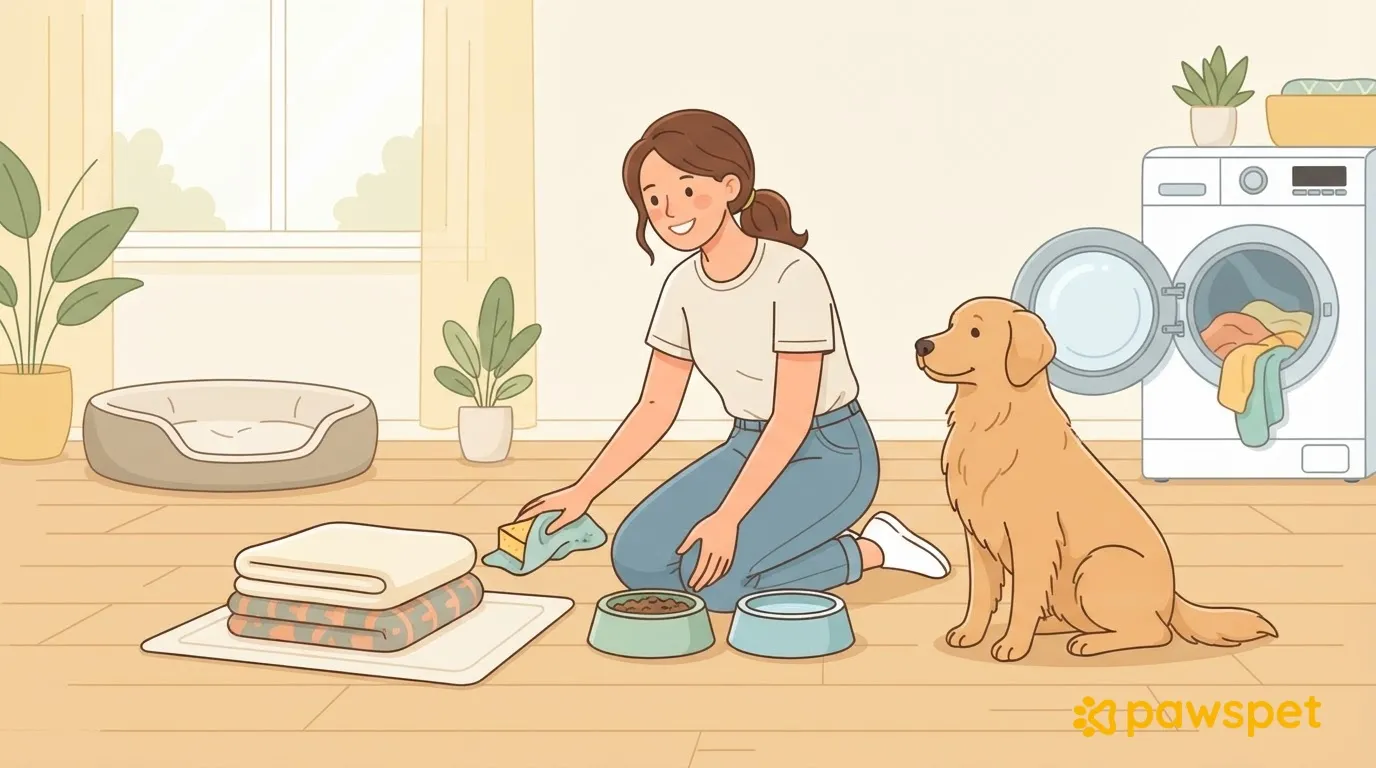
Between dogs, remove hair and dirt from crates and blankets, then clean the surfaces with suitable products, following the manufacturer's instructions. Use one blanket per dog. If a dog shows signs of illness, avoid sharing spaces and equipment with the others and notify the owner.
Unexpected situations on the road: kit and plan
Always keep these items in the car: water, bowls, a spare leash, waste bags, wipes, blankets, a pet first-aid kit, and the list of contacts and veterinarians provided by clients.
If a dog becomes unwell or very agitated, stop somewhere safe and follow the agreed plan, calling the owner or veterinarian. If the vehicle breaks down or you get stuck in a long traffic jam, prioritize keeping people safe and protecting the dogs from the heat. After any unexpected incident, inform the owner and make a note of what happened, when, and who you contacted.
If you offer transport as a standalone service, list it separately in your estimate and check with a trade association, consultant, or relevant authorities about any specific requirements, which this article does not cover.
Update your intake form today with the transport details (or create one if you don’t have one yet) and prepare your car kit. With these two things ready, you’ll be able to explain to clients in just a few minutes how their dogs will travel.