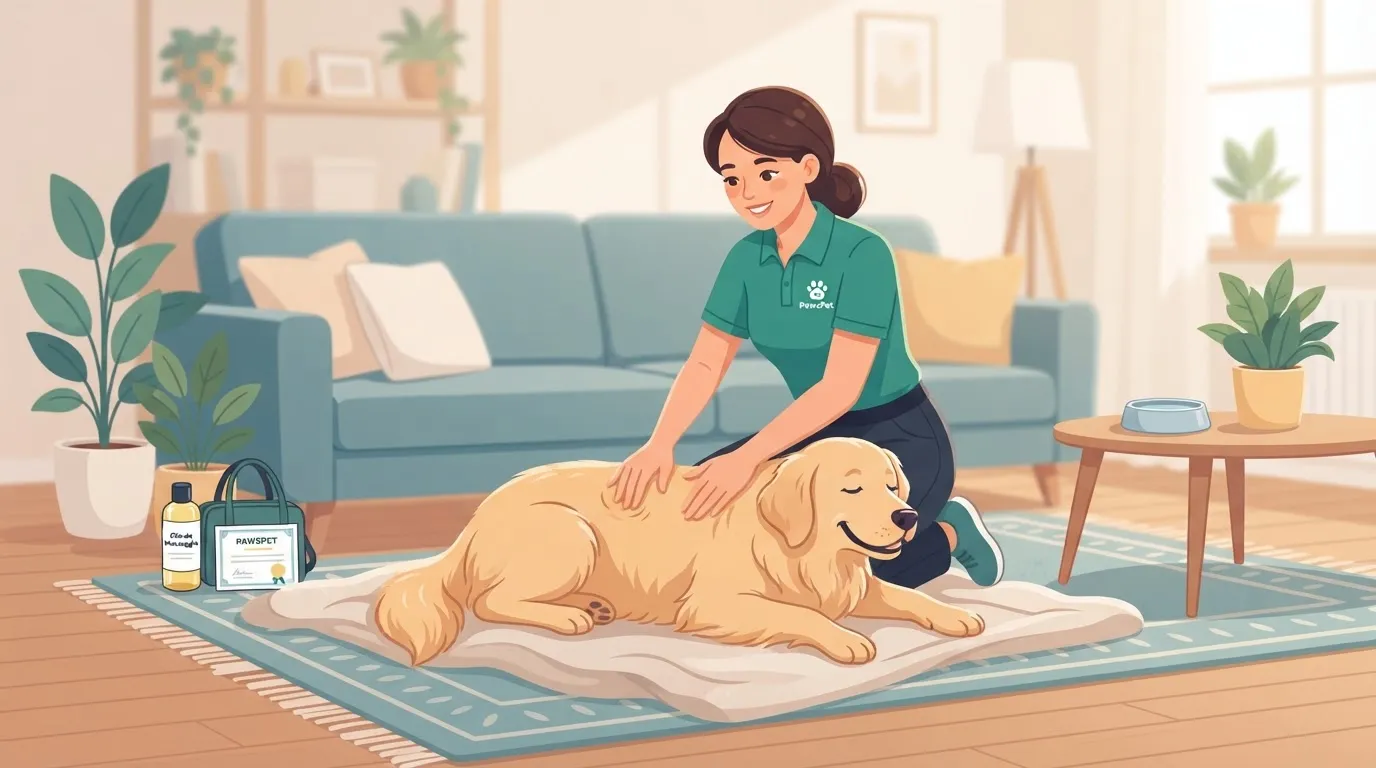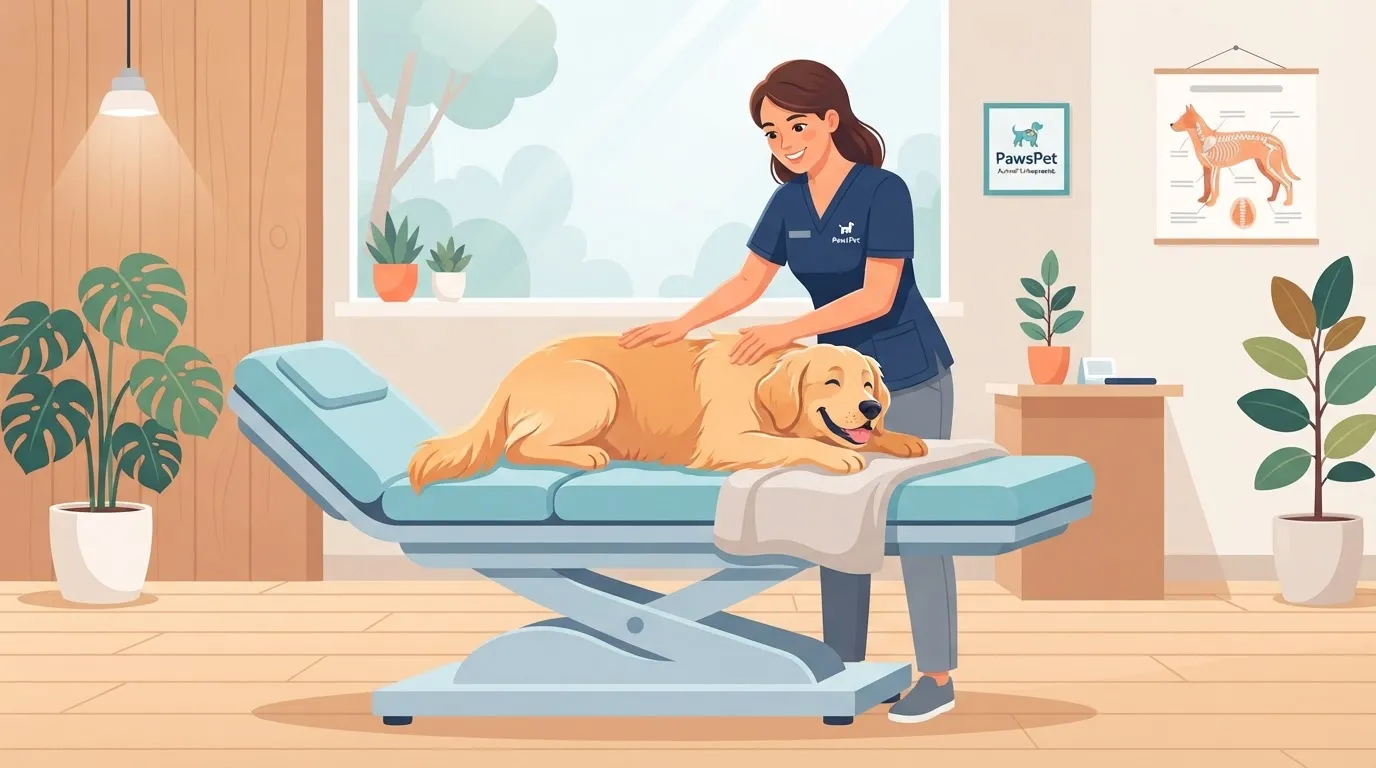
A chiropractor for dogs may be considered when a dog shows stiffness, less fluid movement or functional difficulties that have already been assessed by a veterinarian. Manual therapy for dogs does not replace diagnosis, veterinary care or rehabilitation; instead, it may complement a plan established by qualified professionals.
Understanding what to expect, which questions to ask and what affects the dog chiropractor cost can help you make a more informed choice and avoid improvised interventions.
What a chiropractor for dogs does
Veterinary chiropractic is a hands-on approach focused on assessing movement and joint mobility, particularly in the spine and musculoskeletal structures. The professional observes posture, gait, range of motion and possible areas of tension, and may then use targeted, non-invasive manual techniques.
The aim is not to “put a dog back into place” or manage complex problems independently. When appropriate, treatment may support better function and comfort during movement as part of a veterinary care plan.
A thorough appointment should include:
- a review of the dog’s medical history and daily activities;
- observation of the dog at rest and while moving;
- gentle assessment of the areas involved;
- a clear explanation of goals, limitations and possible next steps;
- practical guidance for care at home.
Be wary of anyone who promises rapid recovery, proposes manipulation without a complete assessment or discourages veterinary check-ups.
When veterinary chiropractic may be considered
A veterinarian may suggest or approve a consultation focused on a dog’s mobility in selected situations, for example during a rehabilitation program or when functional changes require further assessment. The need may arise in athletic dogs, older dogs, dogs recovering from illness or injury, or dogs that simply seem less flexible in their movements.
Some signs to note and report to the veterinarian include:
- hesitation when getting into the car, climbing stairs or jumping;
- a gait that differs from normal or less interest in walks;
- stiffness after resting or following intense activity;
- unusual posture or asymmetrical movements;
- discomfort during handling or brushing.
These signs do not point to one specific cause. They may result from different conditions and require a clinical assessment, especially if they appear suddenly, worsen or occur alongside clear pain, weakness, difficulty standing or changes in bladder or bowel control. In these circumstances, contact your veterinarian promptly.
Before the appointment: veterinary assessment and preparation
Before looking for a chiropractor for dogs, speak with your regular veterinarian. This is the most useful step for ruling out situations in which manipulation may not be appropriate and for sharing any tests, diagnoses or treatments already underway.
If available, bring:
- up-to-date veterinary records and the results of any tests;
- a list of current medications, supplements or treatments;
- short videos of your dog walking, standing up or attempting difficult activities;
- a note describing when the changes began and what improves or worsens them.
Keep your dog calm before the appointment: a short, regular walk is preferable to intense activity. Do not give medications or calming products on your own initiative to make the visit easier.
Qualifications to check and useful questions
Animal manual therapies require specific training, knowledge of anatomy and the ability to work with a veterinarian. Check the professional’s background, experience with dogs and approach to cases that require further investigation.
Before booking, ask:
- What qualifications do you have, and what training have you completed in animal chiropractic?
- Do you require a veterinary assessment or referral before treatment?
- How do you communicate with the veterinarian caring for the dog?
- What happens during the first appointment, and how long does it last?
- What results are realistic, and how will the dog’s response be monitored?
- When would you stop treatment or recommend another professional?
A reliable professional answers clearly, respects the limits of their role and does not present chiropractic care as a universal alternative to veterinary medicine.
Dog chiropractor cost: what can affect it
There is no single price for an appointment. The dog chiropractor cost may vary according to the geographic area, the professional’s qualifications, the length of the initial assessment, the complexity of the case and whether follow-up appointments are needed.
Always ask for a clear quote before the appointment. Check whether the price includes the medical history review, movement assessment, treatment, home-care guidance and communication with the veterinarian. Avoid large packages offered without verifiable goals or regular reassessments.
With PawsPet, you can keep your dog’s records, appointments and health reminders organized, making it easier to share complete information with the professionals involved.
FAQ
Is chiropractic care for dogs painful?
Manual techniques should be performed carefully and with respect for the dog’s reactions. If your dog shows pain, fear or worsening after the appointment, inform the professional and your veterinarian immediately.
How many appointments are needed?
It depends on the dog’s condition, the agreed goals and the individual response. A responsible professional reassesses the plan over time instead of guaranteeing a fixed number of appointments.
Can I take my dog without speaking to the veterinarian first?
Starting with your veterinarian is advisable, especially if there is pain, limping, a recent injury or sudden changes in behavior. Collaboration between qualified professionals helps make the process safer and more consistent.