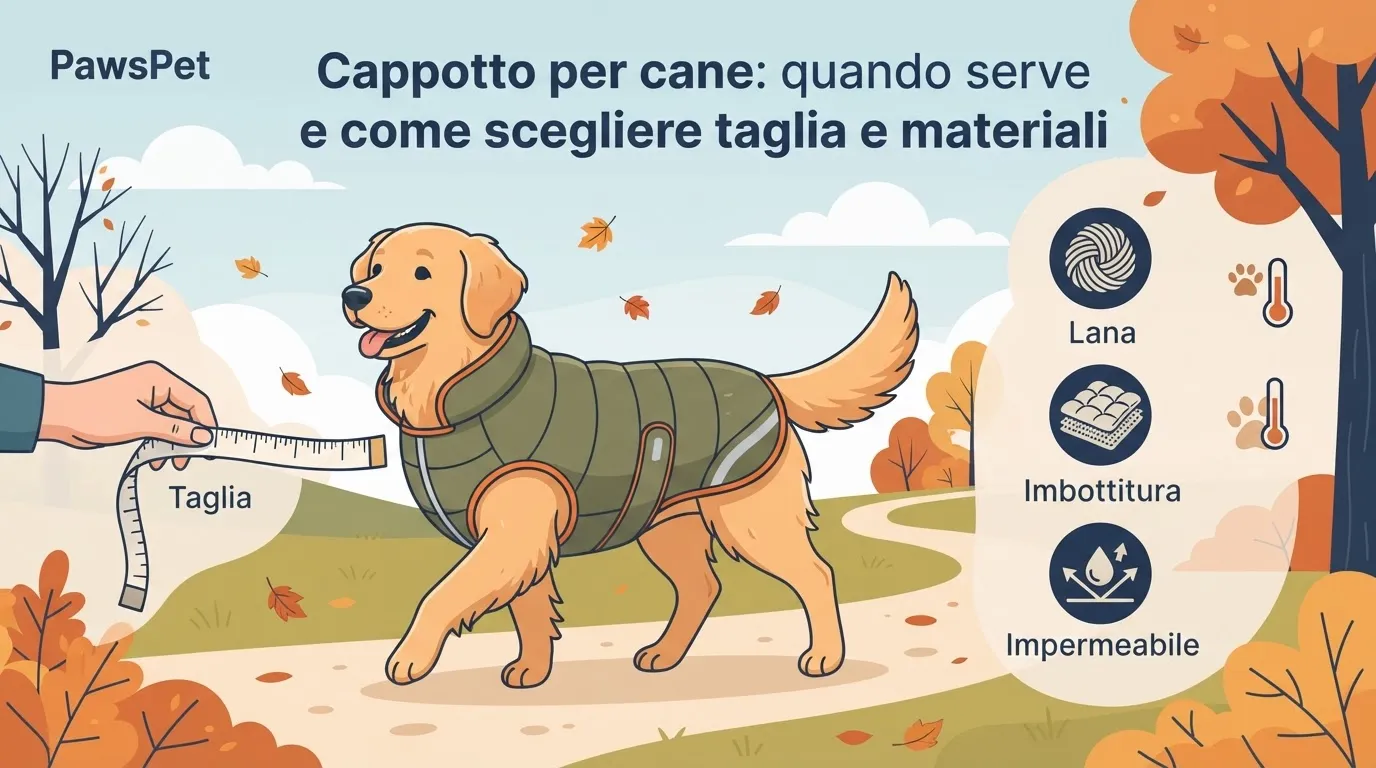
A dog coat can make winter walks more comfortable, but it is not necessary for every dog or in every climate. The right choice depends on the dog’s coat, build, age, health, activity level, and outdoor humidity: the goal is to protect your dog from the cold without restricting movement or causing overheating.
When to put a coat on a dog
Understanding when to put a coat on a dog means observing both the outdoor conditions and the animal’s behavior. Some dogs with thick coats and a well-developed undercoat tolerate cool temperatures comfortably, while others lose body heat more easily.
A coat may be especially useful for:
- dogs with short, smooth, or sparse coats;
- small dogs, which may become cold more quickly;
- puppies and senior dogs;
- thin, recovering, or physically vulnerable animals, following veterinary advice;
- dogs accustomed to living indoors and less acclimatized to cold weather;
- walks with wind, rain, or high humidity.
Watch for signs during the walk: shivering, a hunched posture, reluctance to walk, continuously seeking shelter, or lifting the paws may indicate discomfort. These signs are not a diagnosis, however. If your dog seems lethargic, painful, or unusually intolerant of the cold, it is advisable to consult a veterinarian.
A coat should not become a permanent item of clothing indoors. In heated environments, it may contribute to overheating or irritate the skin, especially if it remains damp or is worn for too long.
Dog coat or dog raincoat: which should you choose?
Not all models serve the same purpose. Before buying one, consider how and where you take your winter walks.
A padded or thermal dog coat is more suitable for cold, dry outings, while a dog raincoat is primarily designed to reduce contact between the coat and rain, wet snow, and mud. On cold, damp days, a model with a water-repellent outer layer and light insulation may be useful.
Consider these features:
- Breathability: helps release moisture and excess heat during movement.
- Water protection: seams, fastenings, and the underside should provide coverage appropriate for the intended use.
- Insulation: it should match the climate and length of the outing, rather than simply being as thick as possible.
- Washability: mud and moisture require frequent, uncomplicated cleaning.
- Visibility: reflective details can be useful during evening walks or in low light.
Avoid materials that are stiff, noisy, or not sufficiently flexible if your dog shows discomfort. The garment should provide protection without compressing the chest, rubbing under the legs, or restricting running.
How to choose the right dog coat size
Dog coat size should not be selected based only on weight or breed: individual proportions can vary considerably. Always check the manufacturer’s size guide and measure your dog while standing in a relaxed position.
Three measurements are generally needed:
- Back length: from the base of the neck to the base of the tail.
- Chest circumference: around the widest point, usually just behind the front legs.
- Neck circumference: without tightening the measuring tape.
If the measurement falls between two sizes, consider the fit of the model and your dog’s build. A coat adjustable at the neck and chest often provides more flexibility, but it should not have dangling straps or fastenings that the dog can easily reach.
Try the coat indoors for a few minutes. Your dog should be able to walk, sit, lie down, and relieve themselves without difficulty. Also check that the harness and leash can be attached safely: not every coat is compatible with every type of harness.
Using a coat correctly during winter walks
Put the coat on shortly before going outside and remove it when you return, especially if it is wet. After a walk in the rain, dry your dog thoroughly, paying attention to the paws, belly, and areas under the legs.
For practical care:
- get your dog used to the garment gradually, using positive reinforcement;
- check the skin and coat for redness, tangles, or signs of rubbing;
- do not leave your dog unattended while wearing the coat;
- adjust the length of walks according to the weather and your dog’s reactions;
- wash the garment according to the instructions on the label.
You can use PawsPet reminders to keep track of washing, coat checks, and grooming appointments, helping you keep your dog’s clothing clean and suitable for the season.
FAQ about dog coats
Do all dogs need a coat in winter?
No. Dogs with very thick coats and good tolerance of cold weather may not need one for ordinary walks. Consider the climate, humidity, length of the walk, and your individual dog’s signs of discomfort.
Can a coat restrict a dog’s movement?
Yes, if it is too tight, long, or stiff. It should leave the shoulders, legs, and toileting area free, without rubbing against the chest or under the legs.
Can I use a dog raincoat when it is cold?
It depends on the model. A lightweight raincoat protects against rain but does not always protect against cold. On colder days, a water-repellent garment with suitable insulation may be preferable.
Choosing a well-measured garment suited to your routines can make outings more comfortable without turning clothing into a source of discomfort. With PawsPet, you can organize your pet’s seasonal care and keep track of the small details that support their everyday well-being.