Entrusting your dog to a professional during the day can simplify your routine, but it requires clear agreements from the first meeting. A well-organized dog walking service protects your pet’s well-being, home security and your peace of mind.
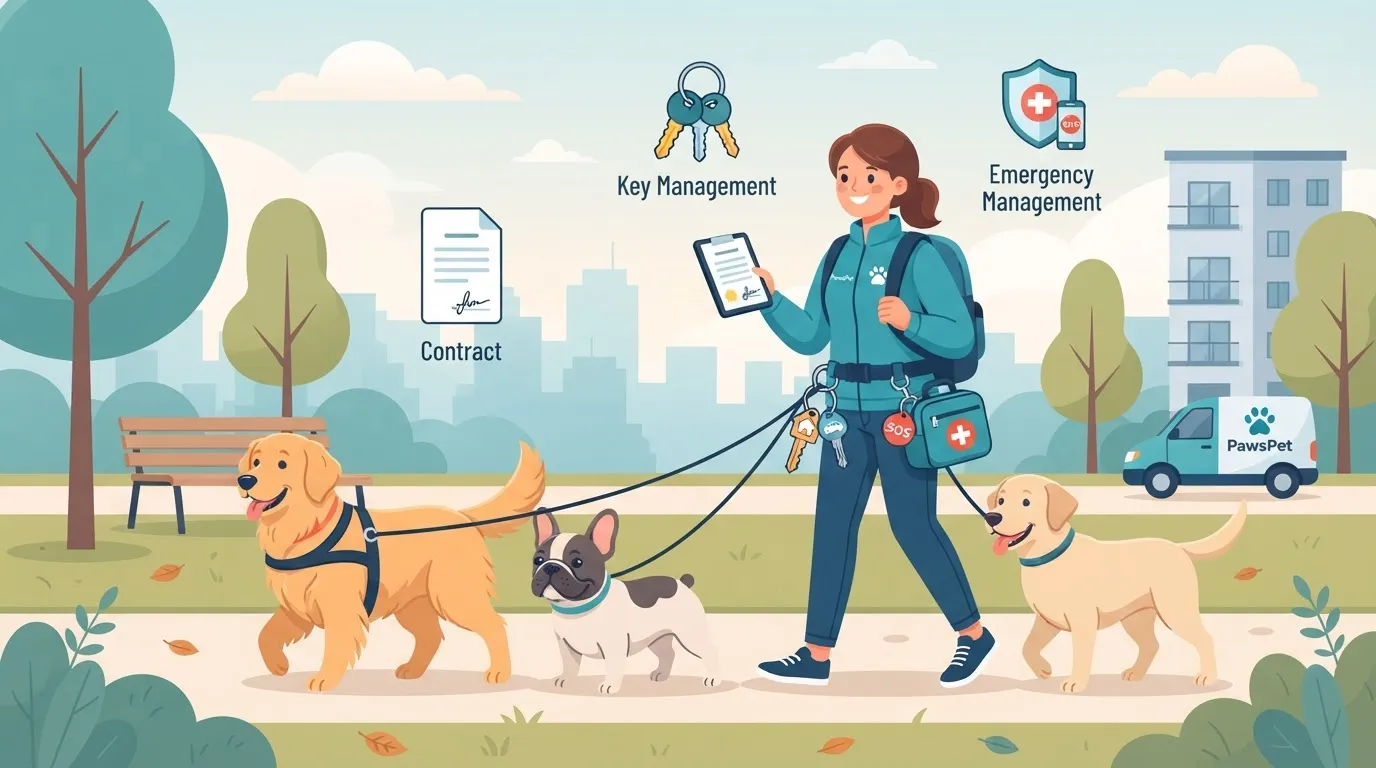
A good dog walking contract is not just a formality: it defines responsibilities, your dog’s habits, key management and what to do when something does not go as planned.
What to include in a dog walking contract
Before the service begins, it is useful to put the practical information and agreed terms in writing. The document should be clear for both parties and easy to update if your dog’s needs, schedule or health conditions change.
The most important points to define include:
- days, time windows and approximate duration of walks;
- the address where the dog will be picked up and returned;
- fees, payment methods and rules for cancellations or delays;
- whether transport, dog parks or specific routes may be used;
- information about other animals living in the home;
- contact details for the owner, an authorized person and the regular veterinarian;
- behavioral limitations, fears, sensitivities or difficulties with leash walking;
- permissions concerning photos, updates and walk location tracking.
A professional dog walker should also collect a detailed profile of the dog, including diet, habits, signs of stress, known commands and reactions to people, bicycles, other animals or noises. The goal is not to label the dog, but to gather practical information that helps prevent difficult situations.
Key management: handover, storage and return
Key management is one of the most sensitive parts of the service. The owner provides access to their home, while the professional must ensure discretion, care and reliable procedures.
It is advisable to agree in advance:
- how many copies will be provided;
- whether the keys will be identified by an internal code rather than the full address;
- where and how they will be stored;
- who may access the home besides the dog walker;
- what to do if the keys are lost, the door is locked or the keys do not work;
- when and how the key set will be returned.
Avoid leaving sensitive instructions on visible notes or attaching labels with your name and address to the keys. If your home has an alarm system, electronic locks or a video intercom, explain only what the professional needs to know to carry out the service correctly.
Before the first walk, it may help to do a short walkthrough of the home. Show the dog walker where to find the leash, harness, waste bags, towel, water and any supplies needed after the walk.
Dog walking safety: routes, equipment and group walks
Dog walking safety depends on a genuine assessment of the individual dog, not just its size or age. A dog that is sociable at the park may react differently on a busy street; one that is calm at home may become anxious around a truck or another leashed dog.
Discuss the following points with the professional:
- regular routes and areas to avoid;
- the duration and intensity of the walk;
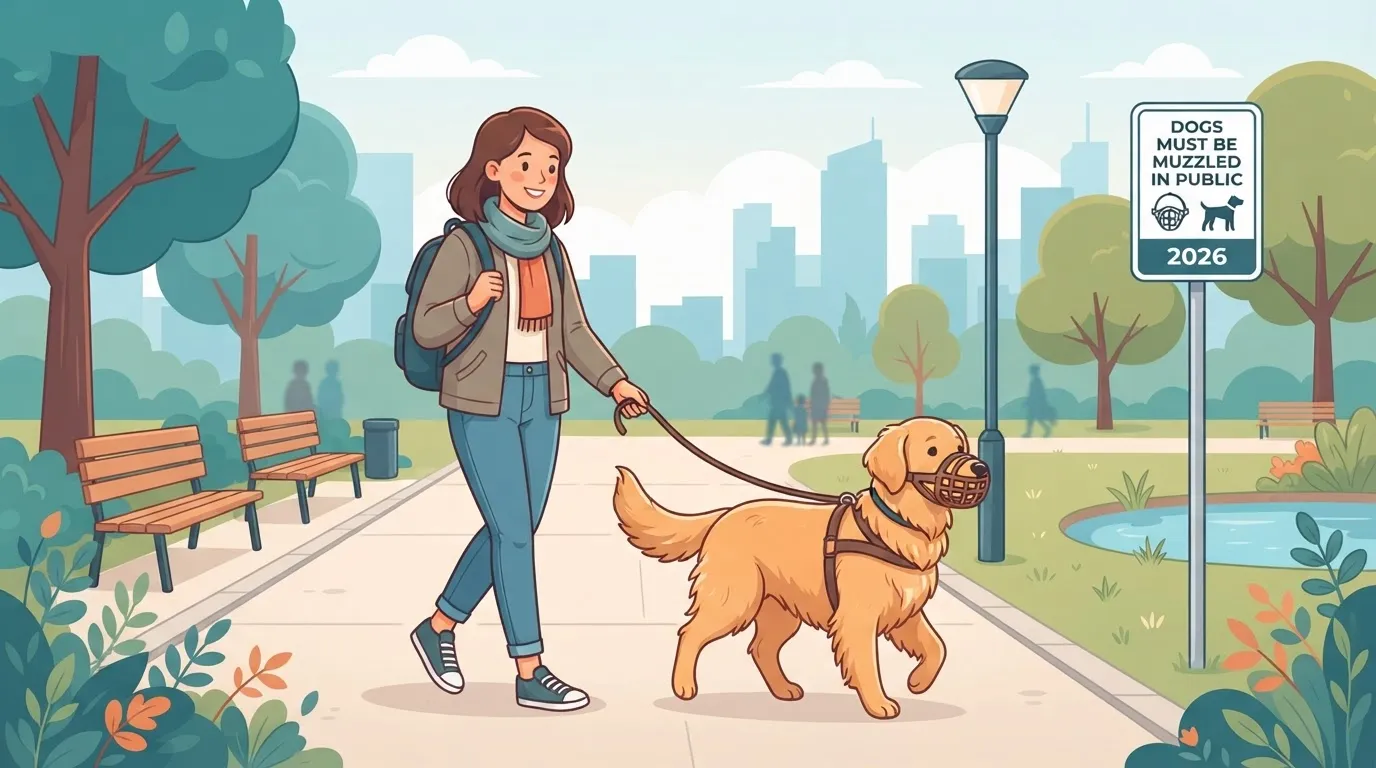
- use of a harness, collar, double attachment or muzzle, if already recommended for the dog;
- whether the dog may be off leash and under what safety conditions;
- what happens in bad weather or challenging temperatures;
- how paws and coat will be cleaned after the walk.
If the service includes walks with multiple dogs, ask how groups are formed. It is not enough for dogs to be “friendly”: they should be compatible in energy levels, size, interaction style and leash behavior.
A group that is too large or poorly matched can make it harder to intervene quickly. It is reasonable to ask how many dogs are walked together, how new dogs are introduced and whether individual walks are available for older, insecure or otherwise specific-needs dogs.
Planning for emergencies and unexpected situations
An emergency may involve the dog, the professional, the home or the route. Setting out a procedure does not mean expecting the worst; it means reducing response times when action is needed.
Leave the dog walker a simple plan including:
- a primary telephone contact and an alternative contact;
- the name and contact details of the regular veterinarian;
- information about veterinary clinics available outside regular hours, if known;
- relevant details about allergies, ongoing treatments or previously diagnosed conditions;
- explicit consent regarding decisions to make if you cannot be reached;
- instructions for possible household emergencies, such as a water leak or an activated alarm.
Do not rely on vague instructions such as “do whatever you think is best.” It is better to establish a clear threshold: when to call you immediately, when to contact the veterinarian and who may authorize urgent expenses. For health concerns or unusual symptoms, assessment should always be left to a veterinarian.
How to check that the service continues to work well
After the first few walks, speak directly with the professional. Ask for brief updates about behavior, needs, relevant encounters and changes to the routine. Also observe your dog: enthusiasm or hesitation before going out, changes in rest, appetite or behavior deserve attention.
It can be helpful to review the agreements and instructions periodically, especially after moving house, changing jobs, starting new treatments or changes in the household. With PawsPet, you can organize your dog’s information, set useful reminders and find professionals through the marketplace, keeping important details more organized.
FAQ
Do I need to sign a contract with a dog walker?
It is strongly recommended. A contract clarifies the service, responsibilities, payments, key management and procedures for unexpected situations, reducing misunderstandings for both parties.
Can I request individual walks for my dog?
Yes. Individual walks may be a useful option for older or sensitive dogs, dogs that are not comfortable in groups or dogs with specific management needs. Assess the best solution together with the professional.
What should a dog walker do if the dog becomes unwell during the walk?
The dog walker should keep the dog safe, contact the owner as agreed and seek veterinary assistance if the situation requires it. This is why it is important to provide up-to-date contact details and clear instructions.