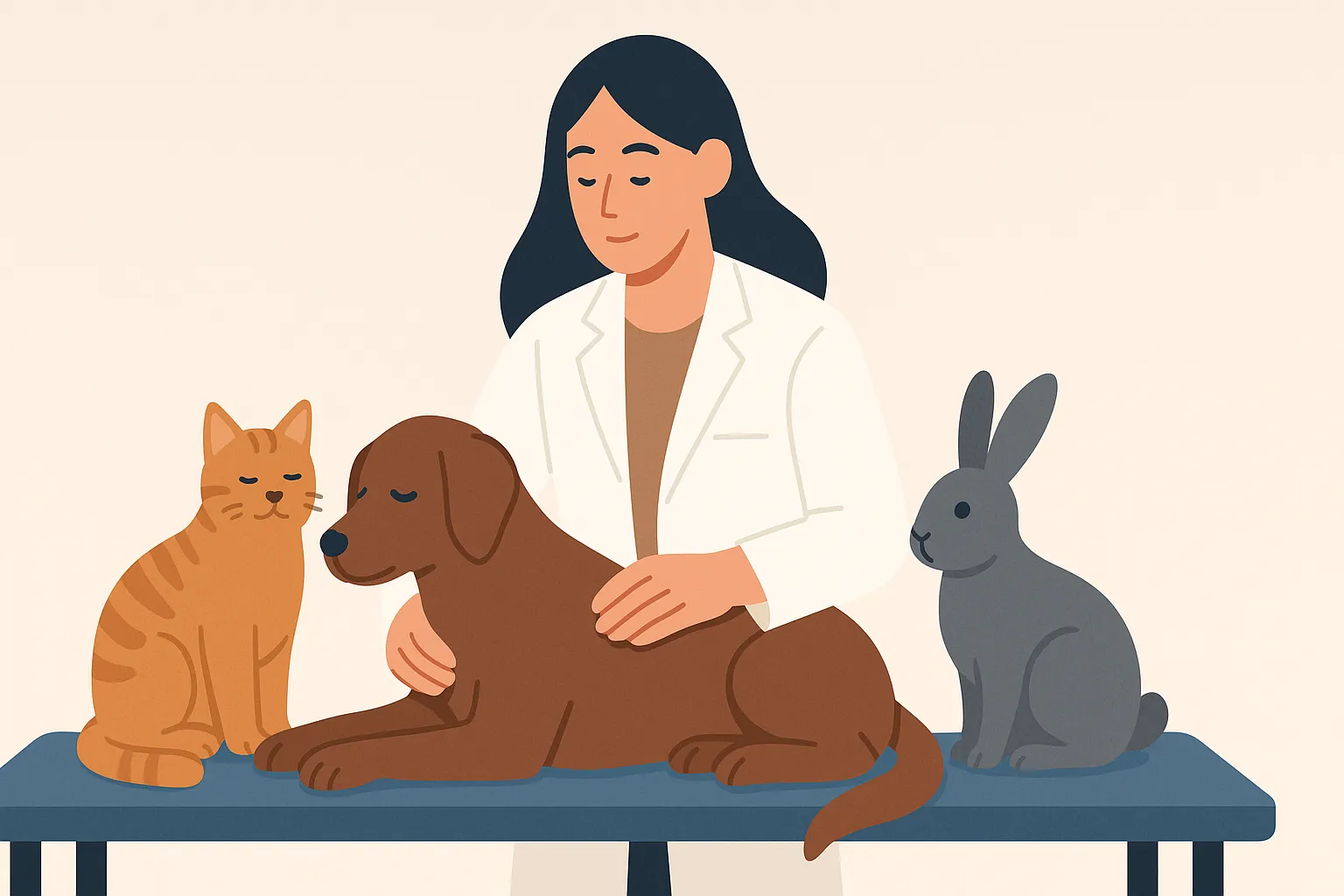
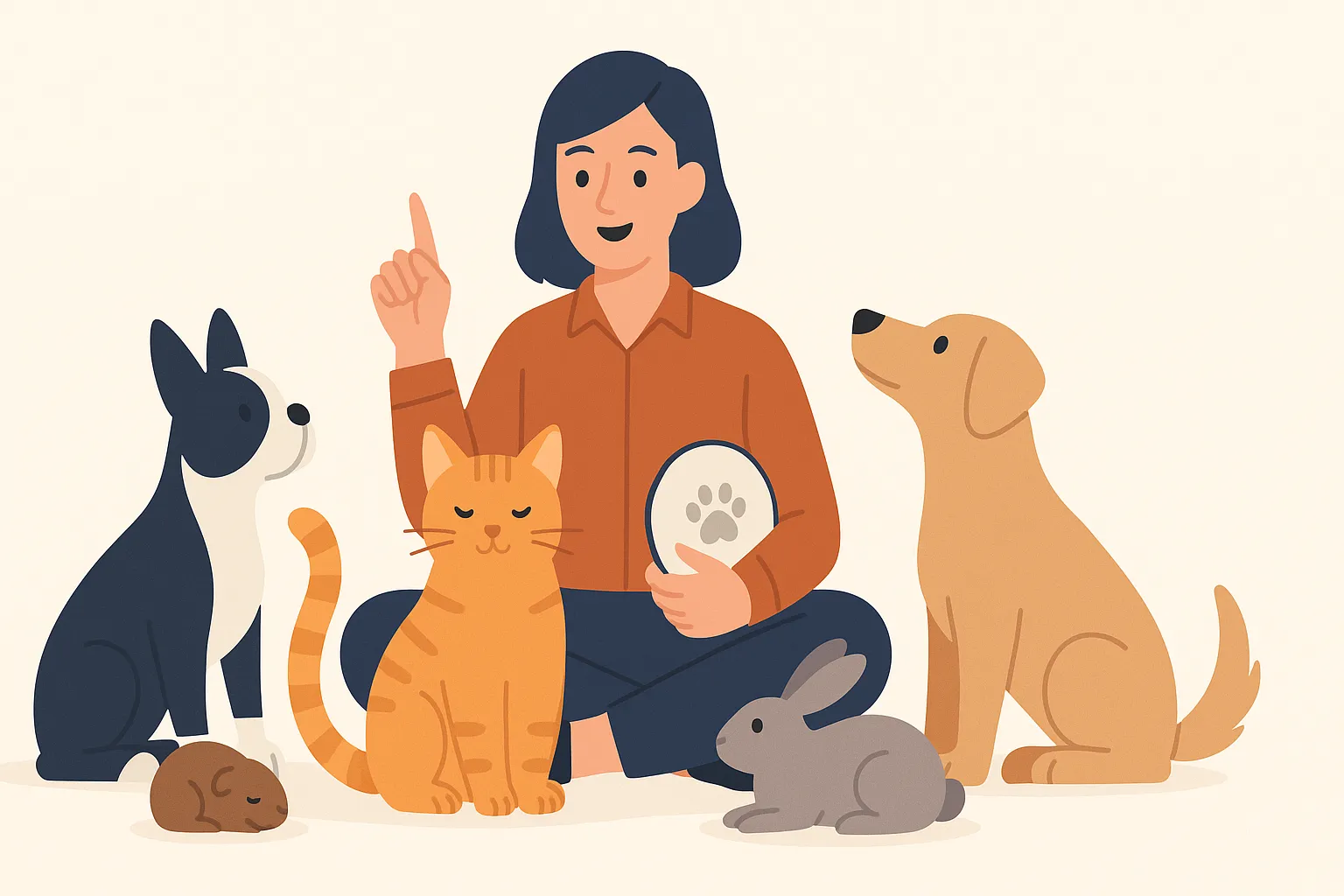
Pet therapy piques the curiosity of many parents, teachers, psychologists, healthcare workers, and managers of facilities for older adults. It’s natural to wonder:
- What pet therapy really is — and what it is not?
- How does it differ from the “animal-assisted activities” people often talk about?
- When can it be useful for children, older adults, vulnerable people, or at school?
- How can you tell whether a nearby project is trustworthy and run by qualified professionals?
In this article, we clear things up in a practical way: no miracle promises, just concrete information to help you understand, assess the real benefits, and take the first steps safely — also thanks to digital tools and pet communities like PawsPet.
What pet therapy really is
In Italy, when people search for “what pet therapy is,” they often group many different activities with dogs, cats, or other animals under this label.
In reality:
- “Pet therapy” is a generic, popular term, not a technical one.
- The official term is Animal-Assisted Interventions (AAI).
- AAI includes several types of interventions, each with specific goals and methods.
The 3 main categories of animal-assisted interventions
According to national guidelines (Ministry of Health, State-Regions Agreement):
-
AAA – Animal-Assisted Activities
- Goal: well-being and social interaction.
- They do not have structured therapeutic or rehabilitation aims.
- Examples:
- regular visits with dogs at a care home to keep older adults company;
- reading with a dog in a library to encourage the joy of reading;
- a dog-handler team visiting a school to talk about respecting animals.
-
EAA – Animal-Assisted Education
- Goal: educational and relational.
- Often used with children and teenagers.
- Examples:
- school projects to work on empathy, responsibility, and respect for rules;
- workshops for children with relational difficulties to learn to listen and cooperate.
-
TAA – Animal-Assisted Therapy
- Goal: healthcare or social-healthcare, included in a therapeutic plan.
- Requires the involvement of doctors, psychologists, therapists.
- Examples:
- support for patients with autism spectrum disorders (within a multidisciplinary pathway);
- support for people in motor or cognitive rehabilitation;
- projects in hospitals or mental health centers, authorized and structured.
How an animal-assisted intervention works
A well-designed intervention is not just “let’s play a bit with the dog and see what happens.” Even for simple animal-assisted activities, a basic plan is needed.
The people involved: not just the animal
In an AAI pathway, the following figures are involved:
-
Project coordinator / person responsible for goals
This is often a doctor, psychologist, educator, or therapist. They define:- goals (therapeutic, educational, recreational);
- assessment tools;
- duration and format of sessions.
-
Animal handler / co-worker with the animal
This is the person who works with the animal (dog, cat, etc.):- knows the animal’s language and stress signals;
- manages interactions with participants;
- protects the animal’s well-being.
-
The animal (dog, cat, rabbit, horse...)
- It is not a “tool,” but a work partner.
- It must have specific traits of temperament, sociability, and emotional stability.
- It undergoes regular veterinary checks and a selection/training path tailored to the type of activity.
-
Any additional professionals
- professional educators;
- teachers;
- physiotherapists or speech therapists;
- trained volunteers.
The phases of a pet therapy project
-
Initial assessment
- Analysis of the person or group (children, older adults, patients).
- Identification of needs, limits, and possible contraindications (allergies, intense fears, immunodeficiencies, etc.).
-
Design of the intervention
- Clear objectives (e.g. “encourage socialization,” “reduce anxiety in protected settings”).
- Number of meetings, frequency, and duration.
- Choice of the animal and activities (petting, brushing, walking on a leash, problem-solving games, reading aloud near the dog, etc.).
-
Session delivery
- Controlled and safe environment.
- Activities guided by the team, always respecting the animal’s signals.
- Presence of a professional able to monitor the person/group.
-
Monitoring and evaluation
- Observation of changes in behavior, mood, and social skills.
- Any adjustments to the path based on the participant’s responses.
-
Closure and feedback
- Final evaluation.
- Sharing the results with the family, the school, or the healthcare team.
Which animals are used in pet therapy?
When we think of animal-assisted activities, dogs and cats are the first animals that come to mind. In reality, AAI can involve:
-
Dogs
- The most commonly used: sociable, versatile, comfortable with contact.
- They can work in hospitals, schools, care homes, and day centers.
-
Cats
- Suitable for calmer settings and individual situations or small groups.
- They can encourage relaxation and stimulate contact and caregiving (petting, brushing, play).
-
Horses (hippotherapy, therapeutic riding)
- Used mainly for rehabilitation, psychomotor, and educational interventions.
- Require specific facilities and expertise.
-
Rabbits, small rodents, other animals
- Less common, but used in special projects (e.g. very young children, educational settings).
Possible benefits: what research says without miracle claims
The presence of an animal can provide several psychosocial benefits, even though it does not replace medical or psychological treatment in any way.
Studies suggest that, in structured settings, animal-assisted interventions may:
-
Reduce feelings of loneliness
Especially in older adults, institutionalized people, and hospitalized children. -
Encourage social interaction
The animal becomes a “bridge” to build bonds, talk, and cooperate. -
Increase motivation and participation
In rehabilitation, many patients are more motivated to do exercises when the dog is involved too. -
Promote relaxation and emotional regulation
Physical contact, the animal’s breathing rhythm, and the repetitive act of petting can support calm and concentration in some people. -
Stimulate cognitive and motor functions
Problem-solving games, caring for the animal, and small exercises with the dog can work on attention, memory, and coordination.
However:
- effects vary widely from person to person;
- they depend on the quality of the project, the team, and proper integration into the care or educational network;
- there are no guarantees: pet therapy is not a “magic cure.”
For any health or psychological issue, it is essential to rely on qualified professionals (doctors, psychologists, therapists) and consider AAI as a complementary support, not a replacement.
Pet therapy for children: when it can help
Many parents look for information about “pet therapy for children and older adults,” especially about possible support for:
- social or emotional difficulties;
- pronounced shyness;
- neurodevelopmental disorders (such as autism);
- hospitalization or chronic illness.
Areas where AAI with children is often used
-
Emotional support in hospitals
- Dog visits in pediatric wards (AAA);
- they help ease anxiety and provide moments of play and normality.
-
Educational projects at school (EAA)
- Workshops on respecting animals, care, and responsibility;
- paths focused on empathy, emotion management, and cooperation in the classroom.
-
Individual or small-group pathways
- Included in programs followed by psychologists, child psychiatrists, or therapists;
- they can support specific goals (improving eye contact, communication, tolerance for frustration).
What parents can do in practice
- Talk to the pediatrician or specialist who follows the child.
- Find out about centers or associations that offer AAI (see the “how to find qualified projects” section).
- Assess the child’s actual comfort level with animals (fears, allergies).
Mini checklist for parents
- Does my child enjoy or show curiosity toward dogs/cats?
- Have I spoken with the pediatrician/specialist about the idea of an animal-based program?
- Have I checked that there are no significant allergies?
- Have I confirmed that the project includes qualified healthcare/educational staff?
- Have I read the information agreement (purpose, duration, methods, costs)?
Pet therapy for older adults: companionship, stimulation, memory
In recent years, many care homes, day centers, and facilities for older adults have introduced animal-assisted activities with dogs and cats.
Most common goals with older people
-
Reducing loneliness and isolation
- the animal “breaks the ice” and encourages communication;
- it stimulates smiles, memories, and life stories.
-
Encouraging gentle movement
- moving closer to the dog, petting it, brushing it;
- small exercises (stretching arms, tossing a ball).
-
Stimulating memory and cognitive functions
- remembering the animal’s name;
- repeating simple rules or sequences of actions (first I take the brush, then...).
-
Giving an active role
- the older adult is not a passive observer, but participates by caring, giving commands, and suggesting games.
Some important considerations
-
Preventive medical evaluation:
- immune issues, allergies, risk of falls, phobias.
-
Animal selection:
- calm dog, used to mobility aids (walkers, wheelchairs);
- tolerant of sometimes less-than-gentle contact.
-
Duration and frequency:
- sessions not too long to avoid fatigue;
- preferably small groups.
Practical tips for families and facilities
- Ask whether animal activities are included in the Individual Care Plan (PAI).
- Make sure there is a health and hygiene protocol (vaccinations, veterinary checks).
- Check that animals do not live in the facility unless conditions of proper welfare are ensured.
Pet therapy at school: educational projects with dogs and cats
Schools (preschool, primary, secondary) can activate animal-assisted education (EAA) projects for:
- civic and environmental education;
- inclusion of students with special educational needs;
- bullying prevention and promotion of empathy.
How an EAA project can help at school
-
Improves classroom climate
The animal is a neutral and positive element that encourages:- cooperation;
- respect for shared rules;
- non-violent communication.
-
Development of transversal skills
- responsibility (turns for activities with the dog);
- patience and waiting for one’s turn;
- emotion management (learning to calm down so as not to frighten the animal).
-
Education in respecting animals
- proper handling of the dog or cat;
- prevention of risky behaviors (pulling the tail, disturbing it while eating).
What a good pet therapy project at school should include
- An agreement between the school and the organization carrying out the intervention.
- Qualified professionals: animal handlers, educators, and possibly a psychologist.
- Insurance and compliance with hygiene and health regulations.
- Informed consent from families.
- Risk assessment (allergies, strong fears, particular medical conditions).
How to recognize serious projects and qualified professionals
When you search for “how to find pet therapy projects near me,” it’s important to know how to judge who you are relying on.
Key requirements of a serious intervention
-
Clear objectives
- recreational/social (AAA);
- educational (EAA);
- therapeutic (TAA, with a healthcare professional).
-
Multidisciplinary team (especially for EAA and TAA)
- doctor / psychologist / therapist;
- educator;
- animal handler;
- reference veterinarian.
-
Specific AAI training
Team members should have completed recognized courses in animal-assisted interventions, not just generic dog-training classes. -
Animal welfare protection
- maximum working hours per day;
- rest periods;
- the possibility for the animal to “opt out” if stressed.
-
Documentation and informed consent
- information form with duration, costs, methods, and possible risks;
- consent collected from parents/guardians or the person involved when possible.
Practical questions to ask before joining
- Who is the healthcare/educational lead of the project?
- What training do the team members have in AAI?
- What kind of insurance is in place?
- How is the animal’s well-being assessed?
- Is there an initial interview to see whether the path is suitable for my situation?
How to find pet therapy projects near you
To find animal-assisted activities, educational projects, or therapeutic pathways in your area, you can:
-
Ask the professionals already following you
- pediatrician, general practitioner, psychologist, child psychiatrist;
- educators, special education teachers, physiotherapists.
-
Contact local facilities
- rehabilitation centers;
- associations and social cooperatives;
- dog training centers that also state they work in AAI.
-
Check official regional lists where available
- some regions publish lists of authorized organizations or projects.
-
Use digital tools and pet communities
- pet-focused apps and platforms can help you:
- find specialized professionals and services;
- read reviews and experiences from other families;
- contact centers directly.
- pet-focused apps and platforms can help you:
How PawsPet can help you
PawsPet was created as a pet app and community to connect pet owners, professionals, and animal services. In many cities, you can:
- search for professional pet services (trainers, dog centers, veterinarians, pet sitters);
- find out whether they also offer AAI/pet therapy projects or work with organizations that do;
- read real reviews from other users;
- save the most reliable contacts to your favorites.
In addition, PawsPet lets you:
- manage your dog’s or cat’s profile and health records (vaccinations, visits, documents);
- receive reminders for veterinary checkups and preventive treatments;
- stay connected to a pet community focused on animal well-being.
Is living with a dog or cat pet therapy?
Having a dog or cat in the family often brings:
- daily companionship;
- routine (walks, meals, care);
- moments of play and affection.
All of this can have positive effects on well-being, mood, and relationships, but it should not be confused with pet therapy as a structured intervention.
Key differences
-
Everyday relationship with your own pet
- spontaneous, unplanned, with no formal clinical goals;
- centered on mutual affection, care, and play.
-
Animal-Assisted Interventions
- designed, with professionals and clear goals;
- with initial and final evaluation.
This does not mean your dog or cat is “less valuable” than an AAI dog: it simply plays a different role.
Still, you can:
- care for your pet to improve your lifestyle (leaving the house, moving more, structuring your day);
- involve them in activities that strengthen your bond (gentle training, games, safe walks).
Here too, tools like PawsPet can help you track your animal’s health and habits, reminding you of vet visits, vaccinations, and preventive treatments, so you can support their well-being over time.
Practical tips: how to tell whether pet therapy is right for your situation
Here is a thoughtful checklist to help you orient yourself:
1. Define your need
- Do you want companionship and social interaction for an older adult?
- Are you looking for an educational path for your child and the class?
- Do you have a specialist recommendation for support in a more complex clinical situation?
➡ Based on this, decide whether you need AAA, EAA, or TAA.
2. Assess the person who will take part
- Are there allergies to animals?
- Any strong fears that could turn the experience into something stressful?
- Are there important physical limitations that require special attention?
3. Talk to the doctor/specialist in charge
- Explain why you think an animal-based project could help.
- Ask whether there are any specific contraindications.
- Ask whether they know any qualified organizations in the area.
4. Evaluate the facility or professional carefully
- Check their resume and specific AAI training.
- Ask whether the animals receive regular veterinary checks.
- Find out how the path’s effectiveness is assessed (especially in TAA).
5. Listen to the person involved
- A child or an older adult should be involved respectfully.
- If they show clear refusal or strong discomfort, forcing the situation is counterproductive.
Conclusion: pet therapy as an opportunity, not a miracle
Pet therapy — or more accurately, animal-assisted interventions — can be a valuable resource for:
- children in educational and therapeutic settings;
- lonely older adults or those in care facilities;
- people going through treatment or rehabilitation.
They work best when:
- they are part of a multidisciplinary framework, alongside other therapies or educational interventions;
- they are managed by serious professionals with specific training;
- they always respect the well-being of the animal involved.
If you are considering this kind of path:
- speak with the professionals already following you;
- take your time to learn about projects in your area;
- make sure you are not dealing with “miracle” solutions, but with realistic and transparent proposals.
To find trustworthy organizations and stay connected to a pet community that is attentive and responsible, you can use the PawsPet app:
- discover qualified pet services in your city;
- read experiences from other users;
- manage your animal’s health and documents in a simple way.
That way, you’ll make more informed choices, while respecting the ones you love: the people and animals by your side.
FAQ about pet therapy
Is pet therapy suitable for everyone?
No. Even though many people benefit from contact with animals, there are possible contraindications:
- severe allergies to fur or saliva;
- significant immunodeficiencies;
- severe fear of dogs/cats;
- impulse-control difficulties that could put the animal at risk.
Before starting, always check with your primary doctor or specialist.
How long does a pet therapy program last?
It depends on:
- type of intervention (AAA, EAA, TAA);
- goals (recreational, educational, therapeutic);
- setting (school, care home, private practice, hospital).
It can range from a few sessions (e.g. a school workshop of 4–6 meetings) to longer pathways, included in long-term therapeutic plans. Always ask for an indicative schedule and how results will be assessed.
Can I do pet therapy with my own dog?
In general, no in the clinical/structured sense of the term.
To take part in AAI projects, the dog must:
- be selected for temperament and physical characteristics;
- follow a specific training path;
- be handled by a trained animal co-worker/handler.
You can certainly strengthen your bond with your dog and benefit from their presence in your life, but that is not the same as a formal pet therapy intervention.
How much does a pet therapy project cost?
Costs vary widely depending on:
- length and intensity of the program;
- number of professionals involved;
- setting (private, school, public or partnered facility).
Some projects are funded by organizations or associations and may be free or reduced-cost for users. It is always important to ask for:
- a clear estimate;
- what is included (initial evaluation, sessions, final report);
- any extra costs (preliminary visits, materials).