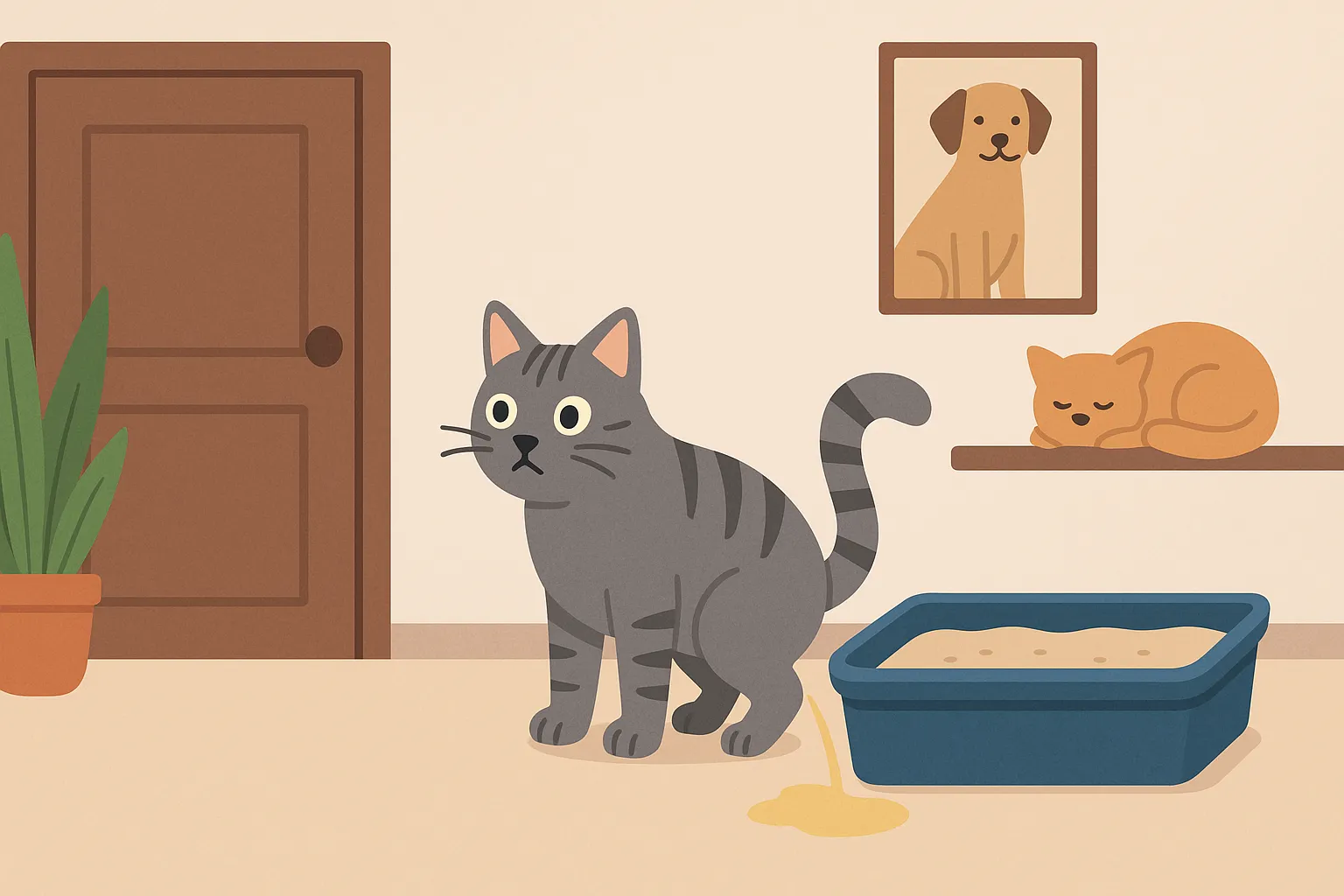
Living with a cat is not always all kibble and purrs. It can happen that your kitty starts peeing outside the litter box, hissing for no apparent reason, scratching people or other animals, meowing insistently at night, or that living with multiple cats in the same home turns into a nightmare.
In these cases, many owners wonder:
- “Do I need a feline trainer or a cat behaviorist?”
- “Am I overreacting, or is it time to ask for help?”
- “How can I tell whether a cat behaviorist is truly competent?”
- “How much does it cost, and how does a consultation work?”
In this article, we’ll look at it in practical terms:
- what the difference is between a feline trainer and a cat behaviorist
- when you really need a feline behavior professional
- which cat behavior problems require outside help
- how to choose the right professional (even one “near me”)
- what the average costs are and what to expect from a consultation
- how to use digital tools, such as the PawsPet app, to follow the process with your cat
Feline trainer and cat behaviorist: what’s the difference?
In everyday language, “feline trainer” and “cat behaviorist” are often used as synonyms, but they do not always refer to the same professional.
Who is the feline trainer?
A feline trainer is a professional who:
- focuses mainly on daily management and prevention
- helps you set up the environment properly (scratching posts, litter boxes, enrichment, toys)
- teaches you how to read your cat’s signals (posture, vocalizations, facial expressions)
- supports you in multi-cat households or in homes with both cats and dogs
- guides you through the introduction of a new cat into the family
In many cases, they also help with existing problems, as long as they are not too severe or deeply rooted.
Who is the cat behaviorist?
A cat behaviorist (often a veterinarian or an ethologist) deals especially with:
- actual behavioral disorders (anxiety, phobias, marked aggression, compulsive behaviors)
- issues that may have both behavioral and medical causes
- a 360° assessment of the cat: health, environment, routine, and past history
- personalized behavior modification plans, sometimes in collaboration with the attending veterinarian
Some behaviorists are veterinary behavior specialists: this means they can also prescribe medication, if needed, in addition to behavior modification work.
The roles can overlap
In practice:
- some feline trainers have very advanced training and work on complex cases
- some feline behaviorists also offer services typically associated with training (pre-adoption advice, prevention, etc.)
For you as an owner, the key question is:
Let’s see how to tell.
When do you need a feline trainer?
A feline trainer can be the right choice in these situations:
1. A new cat in the house, or your very first cat
- you’ve adopted your first kitty and don’t really know where to start
- you want to avoid mistakes in initial management (litter boxes, food, play, routine)
- you want to set up a peaceful household right away with children or other animals
A trainer helps you prevent future problems, which often arise precisely in the first few months.
2. Difficult coexistence between cats, but without serious aggression
Typical situations:
- the cats hiss and avoid each other, but don’t seriously scratch one another
- one of them guards the food or blocks access to resources
- there is tension and chasing, but no cat gets hurt
The feline trainer can:
- assess the home setup
- suggest environmental improvements (number of litter boxes, bowl placement, hiding spots, scratching posts)
- propose a gradual reintroduction / socialization protocol
3. Bored cat, little play, and destruction
Examples:
- scratches on furniture, little or no use of the scratching post
- persistent meowing because the cat wants stimulation
- a cat that “acts out” when left alone
In these cases, the trainer works on:
- environmental enrichment (toys, vertical pathways, simulated hunting)
- a daily routine of play and interaction with you
- strategies to reduce boredom and frustration
4. Minor litter box or management issues
If your cat:
- occasionally pees near the litter box or on mats (but you’ve already ruled out medical causes with the vet)
- rejects a new litter box or a certain type of litter
- needs to relearn the litter box after moving or a change in environment
A trainer can help you rebuild a positive association with the litter box and sort out logistics and setup.
When you really need a cat behaviorist
There are situations in which it is highly recommended to contact a cat behaviorist (preferably a veterinary behavior specialist). In these cases, acting alone or waiting too long can make the problem worse.
1. Aggression toward people or other animals
Warning signs:
- deep bites, bloody scratches, sudden attacks
- a cat that lunges from hiding toward legs, hands, or people
- violent chasing of other cats/dogs in the home
- aggression during minor handling (putting the cat in a carrier, cleaning the eyes, etc.)
Aggression can have many causes (pain, fear, frustration, trauma, poor management). A cat behaviorist:
- reviews the cat’s medical history and recent history
- identifies triggers and context
- sets up a safe behavior modification protocol
2. Urinating and defecating outside the litter box on a regular basis
If your cat:
- urinates frequently outside the litter box (not just an occasional accident)
- marks territory with vertical sprays on walls, sofas, or doors
- defecates in unusual places
First mandatory step: a veterinary visit to rule out:
- cystitis, stones, urinary tract infections
- joint or spinal pain that makes it hard to get into the litter box
- other physical problems
If the vet finds no medical cause, or if the problem continues, it’s time for a cat behaviorist. Often the issue involves:
- chronic stress
- hidden conflict between cats
- insecurity about territory
- trauma or bad experiences linked to the litter box
3. Very anxious, phobic, or withdrawn cat
Typical behaviors:
- a cat that hides all the time, coming out only at night
- strong fear of noises, guests, or changes in the environment
- excessive attachment to one person, with howling and vocalizing when they are out
- hyper-vigilance, jumping at the slightest stimulus
Feline anxiety must be handled carefully: a behaviorist can build a tailored plan, possibly in collaboration with the attending veterinarian.
4. Repetitive or compulsive behaviors
Examples:
- excessive licking leading to bald patches
- constant tail chasing
- repeated meowing seemingly “for no reason” for many hours
- stereotypies (repetitive, purposeless movements)
These behaviors may stem from:
- internal conflict
- chronic stress
- medical issues that have not yet been diagnosed
A veterinary check-up is always needed first, then a cat behaviorist can design appropriate therapy.
5. Sudden regression in behavior
If your cat:
- was always calm and affectionate and suddenly becomes shy, aggressive, or messy
- abruptly changes eating, sleeping, or social habits
there may be physical discomfort or an important emotional shift. Here too:
- first the vet
- then, if needed, a feline behaviorist to work on emotional and environmental factors
How a consultation with a cat behaviorist works
Every professional has their own method, but a process usually follows fairly similar stages.
1. Information gathering (anamnesis)
You’ll be asked for details about:
- the cat’s history: origin, age, any trauma, past illnesses
- the living environment: type of home, available space, presence of other animals
- the daily routine: schedules, play time, feeding
- a precise description of the problems: when they started, in what situations, how often
You are often asked to fill out a questionnaire and send videos of the problematic behaviors.
2. Home visit or online consultation
- A home visit allows the professional to observe the cat in its own environment: it is often preferable for complex problems.
- An online consultation (video call) may be suitable for:
- preliminary assessments
- simpler management issues
- follow-up on progress
3. Integrated assessment with the veterinarian
For many behavior problems, the behaviorist works with your trusted veterinarian to:
- rule out or confirm medical causes
- arrange any necessary tests (bloodwork, urine tests, ultrasounds)
- assess whether medication or supplements could help
4. Personalized intervention plan
The cat behaviorist will propose a tailor-made protocol, which may include:
- changes to the home environment (litter boxes, scratching posts, resting areas, vertical enrichment)
- routine changes (meal times, play, how you interact)
- gradual exercises to desensitize the cat to certain stimuli (e.g. noises, hands, the carrier)
- strategies to reduce conflict between cats, with controlled reintroduction protocols
- possible medication support or supplements, if recommended by the veterinarian
5. Follow-up and monitoring
A serious process does not end with a single visit. Usually there are:
- periodic check-ins (in person or online)
- adjustments to the plan based on the cat’s response
- support by email/phone for questions and small tweaks
This is where digital tools like the PawsPet app can help:
- record episodes of problematic behavior (date, time, context)
- keep track of care, visits, and therapies agreed with the professional
- share a clear timeline of your cat’s progress with the behaviorist
How much does a cat behaviorist cost?
The question “how much does a cat behaviorist cost?” is among the most searched. Prices vary a lot depending on:
- city / geographic area
- the professional’s training and experience
- whether it’s a first home visit, an online consultation, or a follow-up
Below are some indicative ranges (these are estimates and may vary):
- First behavioral consultation at home:
€80–€150 per session (1–2 hours), sometimes more in large cities - First online consultation (video):
€50–€100 for 60–90 minutes - Follow-up visits / check-ins:
€40–€90 per session, depending on length and format - Structured programs (packages of 3–5 sessions):
often with discounted rates compared with single sessions
Remember: timely intervention can prevent damage (destroyed furniture, impossible cohabitation, giving up the cat) and improve the quality of life of both your cat and your family.
How to find a feline trainer or behaviorist “near me”
When you search online for “feline trainer near me” or “cat behaviorist + [your city]”, many results appear, but not all professionals have the same level of expertise.
Here are some criteria to help you choose carefully.
1. Check the training
Look on the professional’s website or profile for:
- educational background (e.g. veterinary medicine, ethology, specific feline behavior courses)
- courses taken, master’s degrees, specializations
- attendance at conferences, seminars, continuing education
For complex problems, it is advisable to contact a veterinary behavior specialist or at least a professional with a strong scientific background.
2. Specific experience with cats
Not every professional who is experienced with dogs is equally skilled with cats. Check that:
- the website explicitly discusses cat behavior
- there are examples of feline cases
- the wording matches cats’ needs (not “training” in the classic sense)
3. Respectful, welfare-based approach
Be wary of anyone who:
- talks about “dominance” at all costs
- suggests punitive or coercive methods
- downplays signs of your cat’s discomfort
Look for someone who:
- talks about emotional well-being, stress management, and understanding the cat’s needs
- uses terms like environmental enrichment, “resource management,” and “respecting the cat’s pace”
4. Reviews and word of mouth
Read:
- online reviews (Google, social media, forums)
- any testimonials on the professional’s website
Also ask:
- your trusted veterinarian
- other cat owners
- local shelters or rescue organizations
5. Clear pricing and methods
Before booking, make sure you understand:
- the cost of the first visit and follow-ups
- what is included (questionnaire, written report, support between visits)
- any travel fees for home visits
How to prepare for the first consultation
To get the most out of a consultation with a feline trainer or cat behaviorist, you can prepare like this.
1. Gather information about your cat
Prepare a small profile with:
- age, sex, reproductive status (intact/neutered)
- history (adoption, stray background, from a breeder, etc.)
- major life events (moves, family members arriving/leaving, recent illnesses)
With the PawsPet app, you can create a complete profile of your cat, including:
- basic information
- veterinary visits
- treatments and medications already given
This helps you avoid forgetting important details to share with the professional.
2. Keep a log of problematic behaviors
For 7–14 days, note:
- when the behavior happens (time, day)
- where it happens in the home
- who is present (people, other animals)
- what happened immediately before and immediately after
In PawsPet, you can record these episodes as chronological notes, adding photos or videos when possible.
3. Take videos, without putting anyone at risk
If you can, record short videos showing:
- interactions with other cats or people
- the context in which the cat pees outside the litter box
- play or conflict situations
Never force the cat to relive stressful situations just to make a video: it’s better to capture episodes that happen naturally.
4. Prepare your questions
Write down the things you absolutely want to clarify, for example:
- “Why does my cat meow so much at night?”
- “Is it better not to let him sleep in the bedroom?”
- “How many litter boxes do two cats need?”
- “Can I let them meet freely, or do we need a protocol?”
This way, you make the most of your consultation time.
What you can start doing today to improve your cat’s behavior
While waiting to see a feline trainer or cat behaviorist, there are some general best practices that almost always help.
1. Respect feline nature
Cats need:
- vertical spaces (shelves, tower scratching posts, accessible bookcases)
- safe spots where they can hide and sleep peacefully
- toys that simulate hunting (wand toys, little mice, lightweight balls)
2. Structured daily play
Spend 10–15 minutes, 2–3 times a day, on active play:
- use a wand toy with a string to mimic prey
- make realistic movements (bursts, hiding, pauses)
- at the end, offer a small food reward: hunt → catch → eat → rest
3. Proper management of litter boxes, food, and water
Some basic rules:
- minimum number of litter boxes: number of cats + 1
- litter boxes in quiet areas, away from noisy appliances or busy pathways
- food and water bowls far from the litter boxes
- more water stations in the house, ideally wide bowls or fountains
4. Avoid punishment and yelling
Never:
- spray water at the cat
- yell at them
- shut them in the dark as “punishment”
These behaviors increase anxiety and mistrust and often make problems worse.
How PawsPet can help you along the way
If you’re dealing with cat behavior problems and have decided to get help from a feline trainer or behaviorist, the PawsPet app can make everything easier.
With PawsPet, you can:
- create a complete profile for your cat (details, health, behavior notes)
- keep a daily log of problematic episodes, with date, time, and notes
- save videos and photos to show the professional during the consultation
- set reminders for:
- medication or supplement administration
- daily structured play sessions
- exercises suggested by the behaviorist
That way, you always have the progress of the process under control and can share clear, well-organized information with the person supporting your cat.
Conclusion: asking for help is not failure, it’s an act of love
There is no such thing as a “bad” or “spiteful” cat by nature. Behind:
- aggression
- peeing outside the litter box
- persistent meowing
- difficult cohabitation
there is almost always discomfort, fear, stress, or management that needs to be reviewed.
Turning to a feline trainer or a cat behaviorist does not mean admitting you “did something wrong”; it means choosing to:
- better understand your cat’s language and needs
- offer a more suitable, calmer environment
- improve life together in the family
If you recognize your own situation in the problems described in this article, consider asking for professional help and, in the meantime, start recording your cat’s habits and behaviors in an organized way.
You can use the PawsPet app to:
- create your cat’s profile
- log visits, symptoms, and behavioral episodes
- arrive at the consultation already prepared, with a clear “story” to share
FAQ on feline trainers and cat behaviorists
How do I know if I need a cat behaviorist?
If your cat shows serious aggression, pees outside the litter box frequently and over a long period, is always very anxious or hiding, or has suddenly changed behavior, it is advisable to contact a cat behaviorist, after a veterinary check-up. For milder or management-related problems, a well-trained feline trainer may be enough.
Is a feline trainer or a veterinary behavior specialist better?
It depends on the issue. For prevention, daily management, and introducing new cats, a well-trained feline trainer may be sufficient. For complex disorders (aggression, marked anxiety, compulsive behaviors), a veterinary behavior specialist is better, or at least a professional with a strong scientific background who works with your veterinarian.
How long does a cat behaviorist program last?
Duration varies widely: in some cases, 2–3 sessions can lead to clear improvements; in others, it takes months of work with periodic follow-ups. It depends on the severity of the problem, the cat’s age, how long the behavior has been present, and how well the family can follow the recommendations.
Can I solve my cat’s behavior problems on my own by following articles or videos online?
High-quality material can help you better understand your cat and introduce good practices (play, enrichment, litter box management). However, with severe or long-lasting problems, articles and videos are not enough: you need an individual assessment and a personalized plan. If you notice signs of distress, always contact a veterinarian and, if indicated, a cat behaviorist.