Physiotherapy for dogs and massage therapy for dogs are no longer “luxury pampering”, but essential tools for our pets’ well-being and rehabilitation. If your dog has had surgery, is limping, has arthritis, is elderly, or plays sports, it’s natural to wonder:
- Should I consider a post-operative dog rehabilitation plan?
- Can massage therapy really help my dog feel less pain?
- How do I choose a truly qualified dog physiotherapist near me?
- Is it better to start early or wait until the problem gets worse?
In this article, we’ll clearly look at when massage therapy and physiotherapy for dogs are needed, what to expect from a rehabilitation program, and how to choose the right professional, with practical tips and actionable checklists.
What physiotherapy for dogs is (and what it is NOT)
Simple definition
Physiotherapy for dogs is the set of physical techniques and therapies used to:
- Restore function after injuries or surgery
- Reduce pain and inflammation
- Improve mobility, balance, and muscle strength
- Support senior dogs or dogs with chronic conditions (arthritis, hip dysplasia, neurological problems)
It’s an extension of veterinary medicine, not a replacement for it. The physiotherapist always works in collaboration with the attending veterinarian.
What it is not
Physiotherapy for dogs is not:
- An alternative to veterinary diagnosis or treatment
- Just “water exercise” or treadmill training
- A generic wellness or beauty service
Every serious physiotherapy plan starts with:
- Veterinary diagnosis
- Functional and postural assessment
- Clear goals (e.g. walking again without limping, reducing pain, improving independence)
What massage therapy for dogs is
Massage therapy for dogs is a hands-on technique that uses targeted massage movements on the dog’s muscles, tendons, and soft tissues, with the following goals:
- Relaxation: reduce muscle tension, stress, and stiffness
- Release of contractures: ease tightness caused by postural compensation, trauma, or sports exertion
- Circulatory support: promote venous and lymphatic return
- Rehabilitation support: prepare muscles for exercise and improve flexibility
It’s often part of a physiotherapy plan, but it can also be offered to:
- Stiff, less mobile senior dogs
- Sports dogs (agility, canicross, disc dog, mantrailing, etc.)
- Particularly tense, anxious dogs, or dogs that have experienced trauma
When physiotherapy for dogs is needed: the most common cases
Let’s look at the situations where it’s worth seriously considering a physiotherapy appointment for your dog.
1. Post-operative dog rehabilitation
This is one of the most important areas.
Typical procedures that require post-operative dog rehabilitation include:
- Cruciate ligament rupture (TPLO, TTA, other surgeries)
- Patellar luxation
- Limb fractures
- Spinal surgery (disc herniation, spinal stabilization)
- Hip surgery (dysplasia, replacement)
Why it’s essential:
- It reduces the risk of stiffness and muscle loss
- It helps the dog use the operated limb correctly (avoiding chronic limping)
- It speeds up functional recovery, while respecting physiological healing times
- It improves quality of life and daily independence
When should you start?
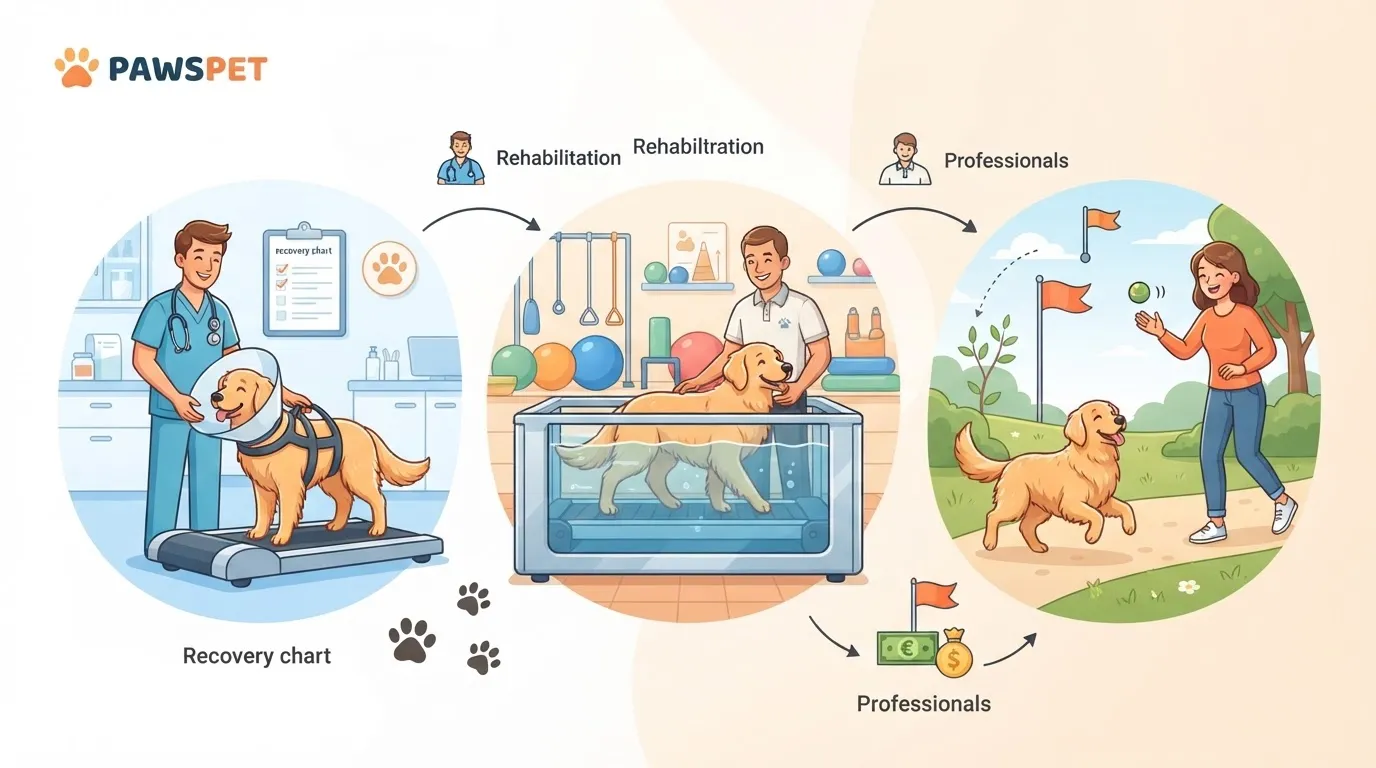
Usually as soon as the surgeon gives the green light. Many centers begin with:
- Gentle pain-relief therapies (laser, TENS, cryotherapy)
- Passive mobilizations
- Very gradual proprioception and weight-bearing exercises
2. Arthritis, dysplasia, and chronic joint problems
If your dog:
- Struggles to get up
- Has trouble climbing stairs or jumps into the car less willingly
- Seems stiff or limps after resting
- Has been diagnosed with arthritis or hip/elbow dysplasia
physiotherapy can help:
- Maintain joint mobility
- Strengthen supporting muscles
- Manage pain together with drug therapy
- Reduce compensations that overload other parts of the body
In these cases, the goal is not to “cure” the disease, but to keep the dog as active and comfortable as possible over time.
3. Neurological conditions
For example:
- Disc herniation
- Myelopathies
- Spinal cord injuries
- Partial or complete paresis/paralysis
Physiotherapy in neurological cases aims to:
- Stimulate motor control
- Maintain muscle tone and trophism
- Prevent pressure sores in dogs that move very little
- Teach, where possible, new movement strategies
These are often long-term programs that require constant cooperation between the family, physiotherapist, and veterinarian.
4. Sport and working dogs
Dogs involved in:
- Agility, flyball, disc dog
- Canicross, bikejoring, sled dog sports
- Scent work, mantrailing, utility and protection work
- Rescue dogs, working dogs, hunting dogs
can benefit from physiotherapy and massage therapy to:
- Prevent injuries
- Improve performance
- Manage heavy workloads
- Shorten recovery time after competitions or intense training
In these cases, work often focuses on:
- Biomechanical assessment of the sporting movement
- Planning targeted strength and proprioception exercises
- Pre- and post-competition massage sessions
5. Senior dogs
With age, many dogs develop:
- Arthritis
- Muscle stiffness
- Reduced balance
- Lower exercise tolerance
A gentle physiotherapy program can help:
- Maintain independence (getting up, walking, going to the toilet)
- Reduce the risk of falls
- Improve sleep and overall comfort
- Strengthen the dog–owner bond with exercises you can do together
When massage therapy for dogs is needed
Dog massage therapy can be:
- A component of a physiotherapy program
- A specific support in certain conditions
Signs your dog may benefit
Watch whether your dog:
- Stiffens when you touch certain areas (back, thighs, shoulders)
- Shows sudden flinches or turns their head toward the area when being petted
- Is recovering from an injury or surgery and compensates by using one side more
- After an active day or sports session, looks tight and moves less fluidly
- Is especially anxious, on edge, or sleeps poorly
Targeted massage therapy can:
- Release muscle tension
- Help the dog become more aware of their body
- Promote overall relaxation and recovery
Physiotherapy vs massage therapy for dogs: what’s the practical difference?
We can sum it up like this:
-
Physiotherapy for dogs
- Broader, more structured approach
- Includes functional assessment, an exercise plan, equipment use, and physical therapies (e.g. laser, electrotherapy, hydrotherapy)
- Ideal for rehabilitation, joint and neurological conditions, sports programs
-
Massage therapy for dogs
- Manual focus on muscles and soft tissues
- Often an integral part of physiotherapy, but it can also be a dedicated service
- Ideal for muscle tension, post-exertion recovery, relaxation, and basic wellness support
In practice, many centers offer both services in an integrated way, adapting the mix to each dog’s needs.
What a physiotherapy session for dogs looks like
Every facility has its own routine, but generally a first visit includes:
1. Medical history review
- Clinical history (diagnosis, tests, current treatments)
- History of the problem (when it started, how it has progressed)
- Lifestyle (walks, sports, home environment)
- Owner’s goals (e.g. longer walks, less limping, better stair climbing)
Always bring with you:
- Veterinary reports
- X-rays / CT / MRI
- Current medications
2. Functional assessment
The physiotherapist evaluates:
- Static and moving posture
- Limb support, limping, asymmetries
- Range of motion in joints
- Muscle tone and mass
- Any pain response to palpation
3. Definition of the treatment plan
Based on the findings, they may propose:
- Session frequency (e.g. 1–2 times per week at the start)
- Types of treatment (exercises, hydrotherapy, physical therapies, massage therapy)
- Home exercises to do at home
4. What a typical session includes
A physiotherapy session may include:
- Warm-up and/or preparatory massage
- Passive mobilizations and gentle stretching
- Active exercises (e.g. walking over different surfaces, low poles, balance work on unstable cushions)
- Water-based work (hydrokinesis or underwater treadmill)
- Physical therapies (laser, ultrasound, TENS, magnetic therapy, etc.)
- Cool-down and, often, a short final massage
Duration: usually 30 to 60 minutes, depending on the dog and the type of work.
What you can do at home: the owner’s role
The success of physiotherapy and massage therapy for dogs depends a lot on consistency at home.
Practical home checklist
In agreement with the professional, you might:
- Do small daily exercises:
- controlled leash walks
- sit–down–sit exercises
- slow steps over small obstacles
- Take care of the home environment:
- non-slip rugs on smooth floors
- avoid steep stairs or jumping off sofas/cars
- provide low, comfortable beds
- Manage body weight and diet:
- prevent excess weight, which overloads joints
- Respect rest periods:
- alternate activity and recovery, avoid sudden exertion
To avoid forgetting exercises, medications, and follow-up checks, you can use an app like PawsPet to:
- Record the recommended physiotherapy plan
- Set reminders for daily exercises and therapies
- Keep reports and professional notes in one place
How to choose a physiotherapist or massage therapist for dogs
Finding a truly competent dog physiotherapist near me isn’t just a Google search: it takes a few extra checks.
1. Check training and qualifications
Always ask:
- What kind of training have they completed? (university master’s programs, recognized courses, specialist schools)
- Are they a veterinarian specialized in physiatrics/rehabilitation or a physiotherapist certified for the veterinary field?
- Are they part of recognized professional associations in the sector?
A serious professional will be happy to show you their degrees, certificates, and training path.
2. Collaboration with the veterinarian
A good physiotherapy center:
- Requires the diagnosis from the attending veterinarian
- Is willing to coordinate with the surgeon/orthopedist/neurologist
- Does not offer “miracle” therapies as a replacement for necessary medical care
Be wary of anyone who:
- Downplays the diagnosis (“don’t worry, physiotherapy will fix everything”)
- Discourages discussion with your veterinarian
- Doesn’t ask to see reports, tests, or diagnostic images
3. Clarity on the treatment plan
During the first appointment, you should get:
- A clear explanation of your dog’s functional condition
- Realistic goals and approximate timelines
- A proposal for the number and frequency of sessions
- Guidance on what you’ll need to do at home
A good professional:
- Speaks clearly, without unnecessary jargon
- Involves you in the process
- Updates you on progress and changes the plan if needed
4. Environment and dog handling
Observe:
- Is the dog respected in their own time?
(No excessive forcing, breaks if they’re stressed) - Is the environment clean, safe, and equipped properly?
- Does the professional handle anxious or wary dogs well?
A session should never become a source of intense stress for the dog. Emotional well-being is an integral part of the rehabilitation process.
5. Transparency on costs and duration
Always ask:
- Cost of the first visit
- Cost of individual sessions and any packages
- Possible changes over time (e.g. intensive phase followed by maintenance)
Here too, PawsPet can help you, by noting:
- Session costs
- Future appointments
- Center contact details, so they’re always at hand
Questions to ask before starting physiotherapy or massage therapy
You can use this mini-checklist when contacting a new center:
- What is your specific training in dog physiotherapy or veterinary massage therapy?
- Do you work in collaboration with orthopedic/neurological veterinarians?
- Is a veterinary diagnosis required before starting?
- What kind of techniques do you use? (hydrokinesis, laser, TENS, massage therapy, etc.)
- On average, how long does a treatment program last for my dog’s issue?
- Do you provide a home exercise program?
- How do you handle anxious dogs or dogs not used to being handled?
Writing down the answers will help you compare professionals and choose more confidently.
Common mistakes to avoid
1. Waiting for it to “go away on its own”
In cases of:
- Persistent limping
- Difficulty walking in the morning
- Noticeable drop in mobility
delaying often means:
- Risking compensations and overload on other joints
- Reaching the physiotherapist when the situation is more complex to manage
2. Doing “DIY physiotherapy” without guidance
Online videos and generic advice can:
- Suggest exercises that are not suitable for your dog’s condition
- Worsen pain or inflammation
- Lead to incorrect movements that are then hard to correct
Always do exercises recommended and shown by a professional.
3. Changing professionals too often
Jumping from one center to another without giving the program time to work:
- Makes it hard to assess real progress
- Increases stress and confusion for the dog
- Prevents the treatment plan from being gradually refined
If you have doubts, ask the professional for an open discussion or a second opinion, but try to maintain continuity.
How to find a dog physiotherapist near you
To find a dog physiotherapist near me:
- Ask your trusted veterinarian: they often know reputable centers they work with.
- Check with:
- orthopedic or neurological veterinary clinics
- serious breeders or sports trainers
- Look at professional websites and pages, checking:
- declared training
- cases treated
- work approach
Platforms like PawsPet will increasingly help you to:
- Discover pet services in your area (clinics, physiotherapists, rehabilitation centers)
- Read descriptions of the services offered
- Keep track of the professionals who have a “medical history” with your dog (visits, therapies, appointments)
Practical box: what to bring to the first physiotherapy visit
Quick checklist to tick off:
- Veterinary reports (diagnosis, previous visits)
- Diagnostic tests (X-rays, CT, MRI, preferably on a USB stick or link)
- List of current medications (name, dosage, times)
- Therapy plans already received (if any)
- Photos or videos of your dog:
- while walking
- while climbing stairs or jumping (if they do)
- in situations where the problem is most visible
- Food or treats your dog loves to help motivate them during exercises
- Standard leash (not retractable) and, if needed, a harness
Save this checklist in PawsPet notes for your dog, so it’s always handy when you book new services.
Conclusion: caring for movement means caring for a dog’s life
Physiotherapy and massage therapy for dogs are practical tools to:
- Improve recovery after surgery and trauma
- Better manage pain and stiffness in senior dogs or dogs with arthritis
- Support performance and prevention in sport dogs
- Restore quality of life to dogs with neurological issues
They don’t replace veterinary medicine, but work alongside it, with one shared goal: to help your dog live as active, independent, and peaceful a life as possible.
If you think your dog could benefit from a post-operative dog rehabilitation program, maintenance physiotherapy, or targeted massage therapy, the first step is to talk to your veterinarian and look for a qualified professional.
To keep everything organized with less stress, you can use the PawsPet app to:
- Keep medical records and reports in order
- Track medications, therapies, and check-ups
- Set reminders for exercises and appointments
- Save the contact details of the professionals and centers caring for your dog
That way, you can focus your energy on what really matters: feeling good together with your dog, day after day.
FAQ on physiotherapy and massage therapy for dogs
Does physiotherapy for dogs really work?
Physiotherapy is not a “miracle cure”, but a serious, clinically supported tool that, when applied correctly:
- Helps recovery after surgery and trauma
- Improves mobility and quality of life in many chronic conditions
- Supports sports and physical activity safely
Results depend on: correct diagnosis, timely intervention, consistency in sessions, and the owner’s cooperation.
At what age can a dog start physiotherapy or massage therapy?
There is no fixed minimum age: it depends on the reason.
It can be used:
- On puppies with congenital orthopedic problems, following gentle protocols
- On adult sport dogs for prevention and performance
- On senior dogs for maintenance and support
The professional will adapt techniques and intensity based on age, physical condition, and diagnosis.
How many physiotherapy sessions are usually needed?
It depends a lot on the issue:
- Post-operative: often an intensive cycle in the first weeks/months, then maintenance
- Arthritis or chronic conditions: a long-term program, with spaced sessions and steady work at home
- Sports: regular sessions based on the competition and training schedule
During the first visit, the physiotherapist should give you an indicative estimate, to be reviewed based on how the dog responds.
Can physiotherapy replace pain medication?
No. Physiotherapy does not replace medication when it is needed.
In many cases:
- It works in synergy with drug therapy
- Under veterinary supervision, it may help optimize dosages over time
Any changes to medication must always be decided by the veterinarian, not by the physiotherapist or the owner.