In a pet emergency, quickly finding an emergency vet or veterinary ER can make a real difference. The priority is to recognize urgent signs, stay calm, and contact a facility that can receive your pet before setting off.
When to Go to a Veterinary Emergency Room
Not every change in behavior requires an immediate visit to a clinic, but some symptoms should not wait for a routine appointment. If you are unsure, call a vet open now and clearly describe what you are seeing: the professional can advise you on the level of urgency.
Contact a veterinary emergency room immediately if your pet has:
- difficulty breathing, very labored breathing, or unusual coloring of the tongue or gums;
- loss of consciousness, collapse, seizures, or sudden severe weakness;
- significant bleeding or deep wounds;
- trauma, being hit by a vehicle, a fall, or a suspected fracture;
- possible or confirmed ingestion of substances, medications, objects, or potentially dangerous foods;
- a very swollen abdomen, severe pain, or repeated attempts to vomit without producing anything;
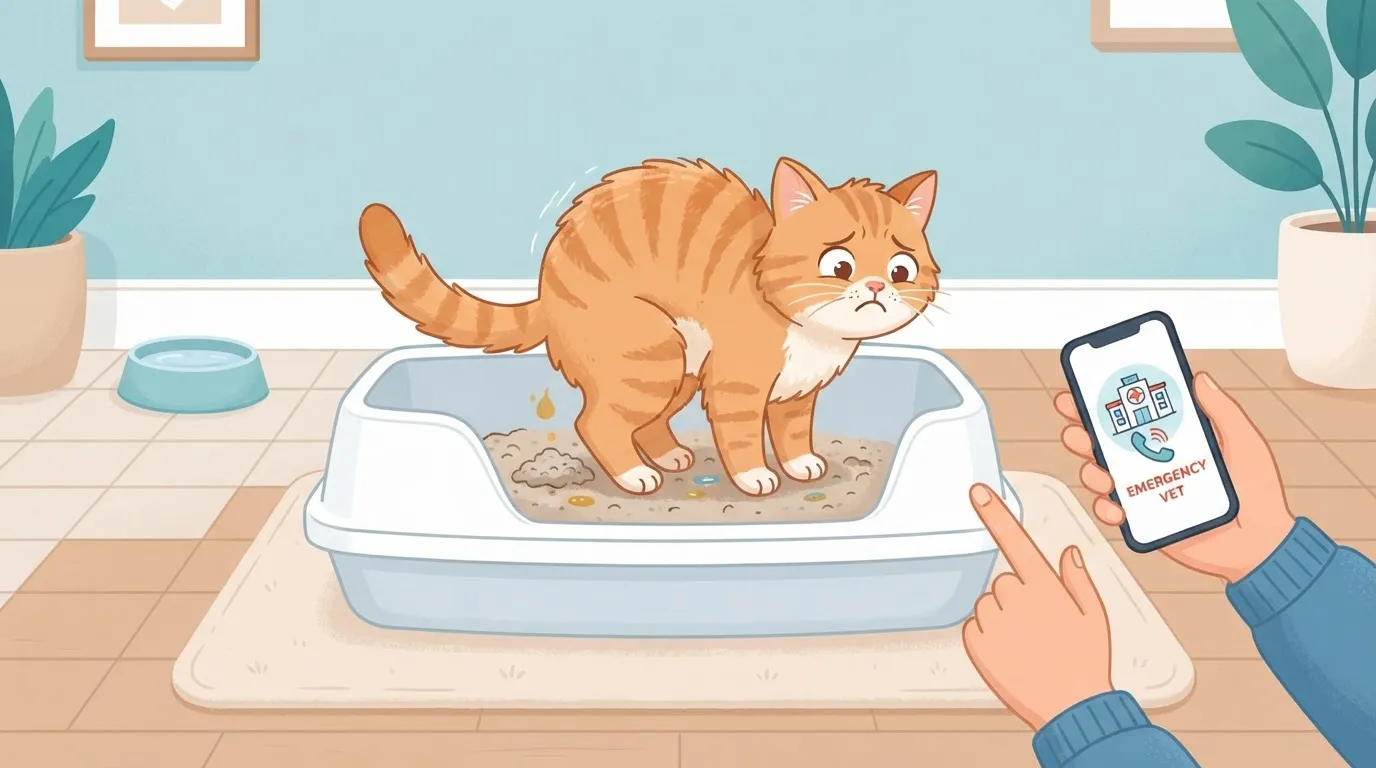
- marked difficulty urinating, especially if the animal appears to be in pain;
- difficulty during labor or critical conditions in newborn animals.
Even when the signs are less obvious, rapid deterioration, extreme lethargy, or persistent pain warrant a prompt phone consultation with a veterinary clinic.
How to Find an Emergency Vet Open Now
The availability of overnight, holiday, or round-the-clock services varies by location. Some veterinary practices organize on-call rotations, while other areas have facilities dedicated to emergencies. Avoid arriving without first checking that the service is operating and equipped to handle your pet’s situation.
Follow these steps:
- Call your regular veterinarian. The voicemail or out-of-hours message may provide the contact details for the designated emergency vet.
- Search for a veterinary clinic in your area. Use the up-to-date information on the facility’s official channels, and always verify opening hours and access procedures by phone.
- Contact more than one facility if necessary. Especially at night, on holidays, or during busy periods, one veterinary ER may direct you to an available center.
- Ask for practical instructions. Find out whether you should come immediately, whether you need to wait outside, where to park, and whether you should bring medical records or previously prescribed medications.
If you are traveling with your pet, prepare a short list of veterinary contacts at your destination in advance. This is particularly useful for older animals, pets with known medical conditions, or those receiving treatment.
What to Tell the Vet by Phone and What to Bring
A clear phone call helps the veterinary team prepare and give you appropriate instructions. Do not minimize or interpret the symptoms: simply describe what you observed, when it began, and how it has changed.
Have this information ready:
- species, approximate age, weight, and sex;
- main symptoms and when they started;
- any trauma, fall, bite, or possible ingestion;
- known medical conditions, allergies, and current treatments;
- the name of the product, medication, or substance involved, with the packaging if available;
- any useful photos or videos, without delaying the call to create them.
For transport, use a secure carrier for cats and small animals. For an injured or painful dog, avoid sudden movements and ask the veterinary team how to move the animal safely. Do not give human medications, induce vomiting, or offer food or water unless a veterinarian recommends it.
During Transport: Safety First
A frightened or suffering animal may react unpredictably, even if it is normally gentle. Keep the environment calm, limit noise and movement, and, if possible, have another person accompany you: one person can drive while the other monitors the animal.
Bring a clean towel or blanket, any available medical records, and a fully charged phone. If poisoning is suspected, keep any residue or packaging, but do not handle dangerous substances with bare hands.
When you arrive, immediately tell the staff that this is a veterinary emergency and repeat the information already provided by phone. Follow the facility’s instructions: cases are generally assessed according to clinical severity, not arrival order.
Prepare an Emergency Plan Before You Need It
Knowing where the nearest veterinary emergency room is can reduce lost time during a critical situation. Save the contact details for your regular veterinarian and reachable emergency facilities in your phone, and note the fastest route as well.
With PawsPet, you can keep your pet’s identification details, health information, and useful reminders organized. Having records and treatments stored in one place can make it easier to retrieve important details when you need to act quickly.
FAQ
How can I tell whether an emergency vet is really open?
Do not rely only on opening hours found online. Always call the facility before leaving, confirm that the service is available, and briefly explain the emergency.
Can I give my dog or cat a human painkiller while waiting for the veterinarian?
No, unless a veterinarian has given you explicit instructions. Some common human medications can be dangerous for animals and complicate emergency care.
Should I wait for my regular veterinarian if my pet becomes ill at night?
If your pet shows signs of a possible veterinary emergency, contact an emergency vet or veterinary ER immediately. Do not wait for your regular clinic to open without professional guidance.