If a dog licks its paws occasionally, perhaps after a wet or dirty walk, it may simply be normal grooming. However, when the behavior is persistent, happens every day, or causes redness and hair loss, it is worth observing closely: dog paw licking can be a sign of itching, discomfort, pain, or stress.
Acting early can help prevent further skin irritation and provide the veterinarian with useful information for an accurate assessment.
Why is my dog licking its paws?
There can be several causes, and they are not always obvious at first glance. A dog may focus on one paw, the front paws, or all four: this detail is also important.
Common causes include:
- Residue and external irritation: Mud, salt, pollen, sand, detergents, or substances found on sidewalks and grass can irritate the paw pads and the spaces between the toes.
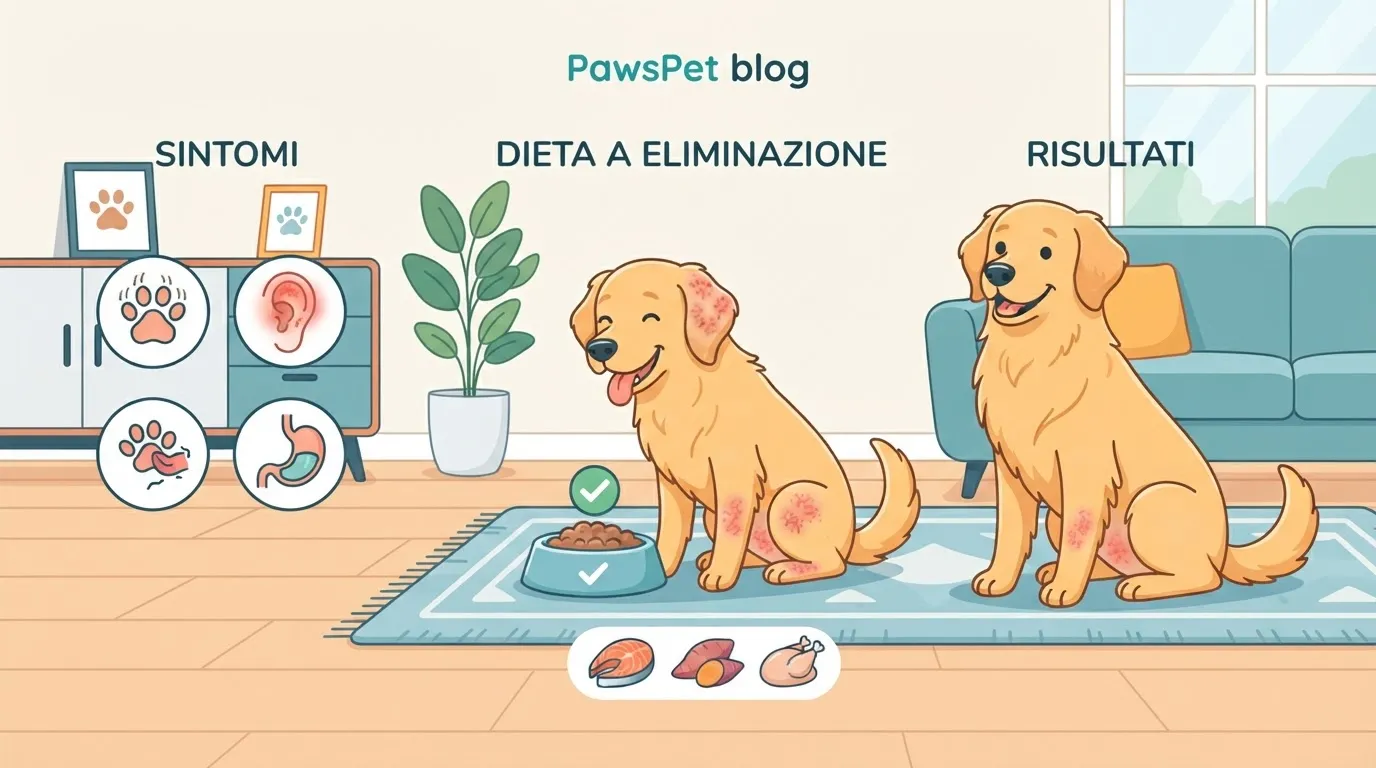
- Itching and skin problems: Dog paw dermatitis may be linked to environmental sensitivities, parasites, infections, or reactions to substances the animal comes into contact with.
- Foreign objects or minor injuries: Grass awns, splinters, cuts, stings, or a damaged nail can cause localized discomfort.
- Joint or muscle pain: If the dog always licks the same area, the behavior may sometimes be associated with a painful spot rather than a skin problem.
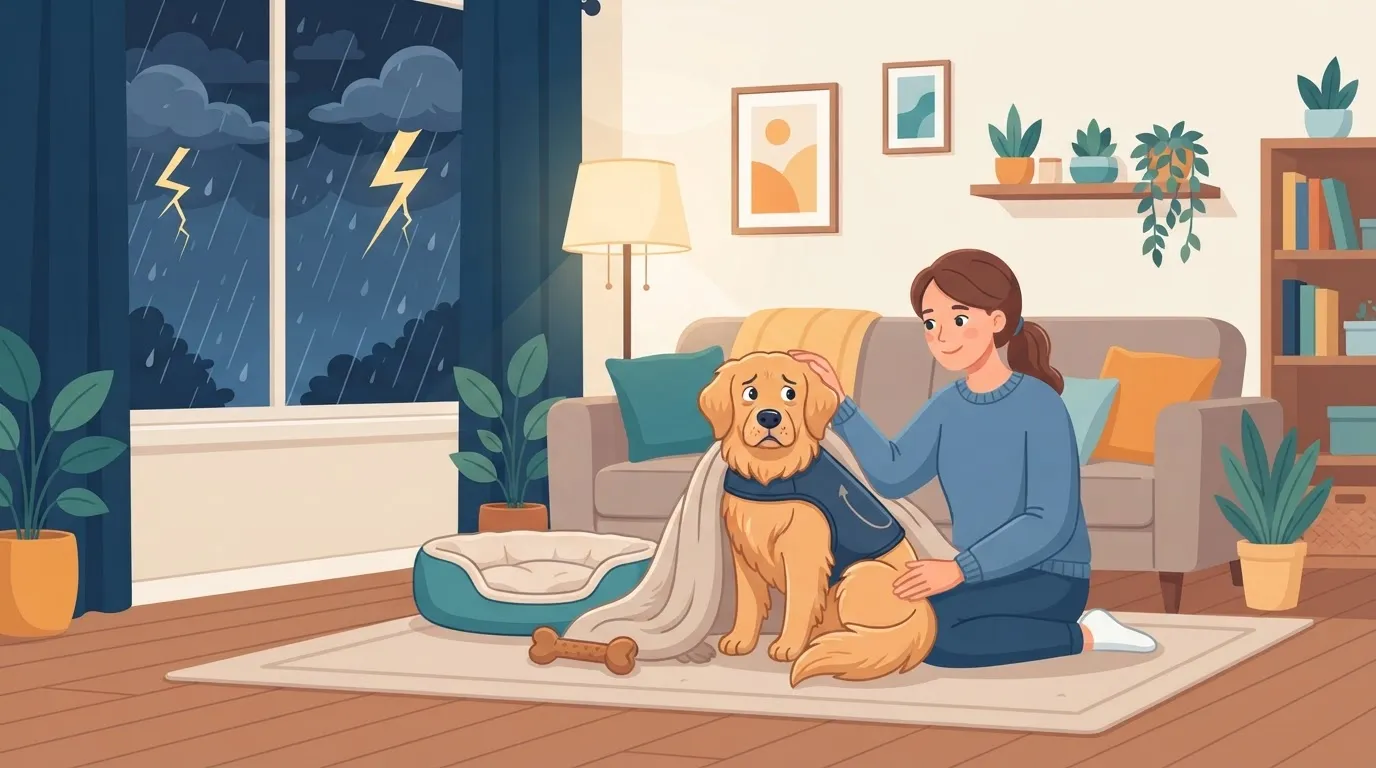
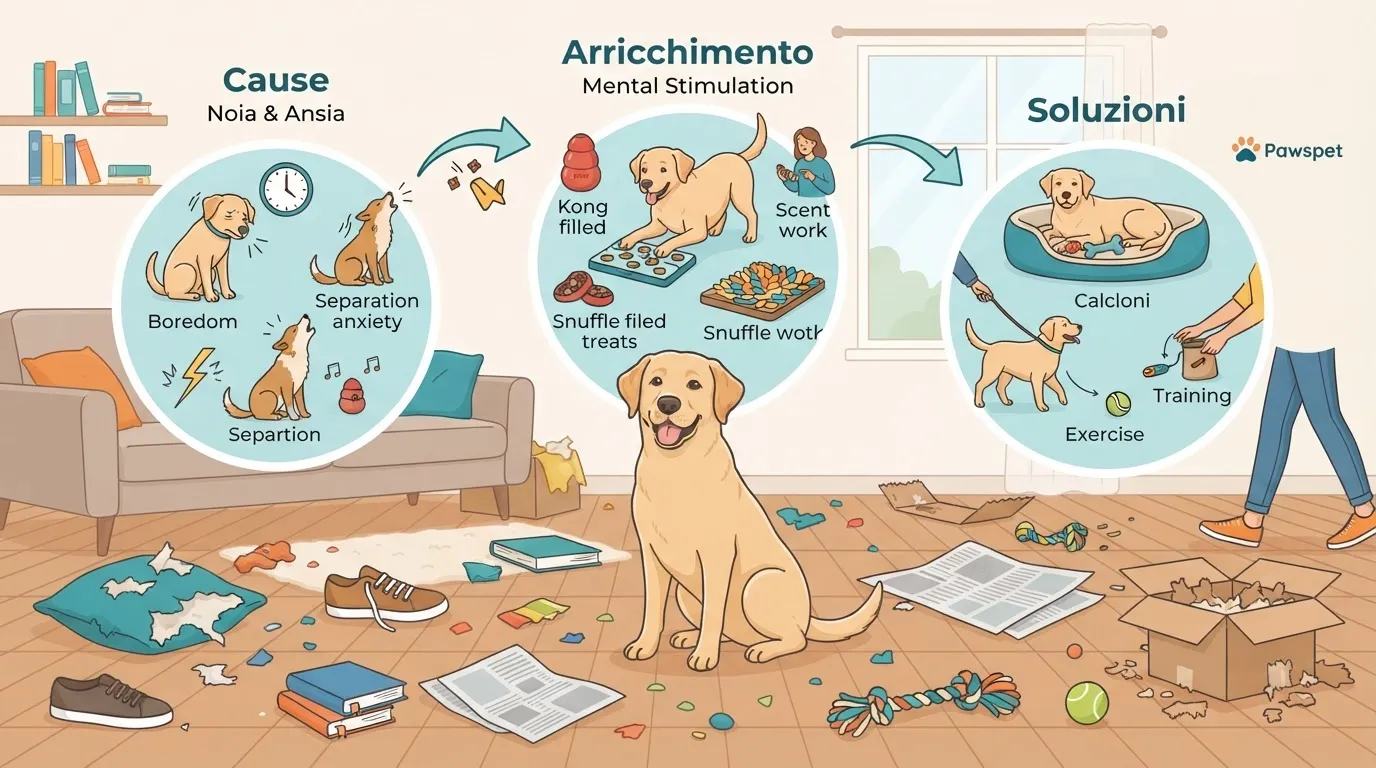
- Boredom, frustration, or stress: Some dogs repeat licking as a self-soothing behavior, especially when they are alone, experiencing change, or getting too little activity.
Trying to diagnose the problem based only on the behavior is not useful. A paw that looks normal can still be uncomfortable, while mild irritation can worsen quickly if the dog keeps licking it.
How to recognize dog paw itching that needs attention
A brief daily check can make a difference. Examine the paws in good light, without forcing the dog if it shows pain or discomfort.
Look out for these signs:
- redness between the toes or on the paw pads;
- moist, thickened skin or a bad odor;
- fur discolored by saliva, especially on light-colored paws;
- swelling, scabs, cracks, or small wounds;
- limping, difficulty putting weight on the paw, or sudden reluctance to walk;
- nighttime licking, compulsive licking, or behavior that is difficult to interrupt;
- frequent paw shaking or biting at the area.
If your dog licks its paws after every outing, note where it walked, whether the ground was wet or treated, and how long the behavior lasts. If the licking mainly appears when the dog is alone or in new situations, also consider its emotional context and daily routine.
What to do safely at home right away
While you are trying to understand the cause, you can take a few simple, cautious steps. The goal is not to replace a veterinary visit, but to reduce possible irritation and gather useful information.
- Rinse and dry the paws thoroughly after walks, especially between the toes. Use lukewarm water and a clean cloth; avoid scented products or anything not designed for animals.
- Gently check the paw pads, nails, and spaces between the toes. If you notice an embedded object, blood, marked swelling, or pain, do not persist in trying to remove it.
- Temporarily reduce exposure to irritating surfaces, such as areas with very tall grass, mud, or recently treated pavement.
- Offer alternative activities, such as appropriate walks, scent games, and calm play, if you suspect the behavior is linked to boredom or tension.
- Avoid home remedies, human creams, and medications without veterinary guidance. Some products may be irritating or dangerous if swallowed.
A diary with photos of the paws, the frequency of licking, and changes in diet or routine can be very useful during the veterinary visit.
When to contact the veterinarian
It is advisable to request a veterinary assessment if the licking lasts more than a few days, becomes more intense, or returns frequently. Contact the veterinarian more urgently if the dog will not put weight on the paw, shows obvious pain, bleeding, significant swelling, discharge, lethargy, or a sudden injury.
The veterinarian can assess the skin and nails, check for parasites and possible infections, and investigate other potential causes. If a behavioral component is identified, they may recommend support from a trainer or qualified professional, while ensuring that physical causes have first been considered.
Keeping health information up to date and setting reminders for checkups or treatments in PawsPet can help you monitor episodes of itching and changes in the paws over time.
FAQ about paw licking in dogs
Does a dog that licks its paws always have an allergy?
No. Allergies are one possible cause, but licking may also result from irritation, foreign objects, pain, parasites, or stress. A veterinary assessment is needed to identify the underlying cause.
Can I put cream on an irritated paw?
It is best not to use creams or products intended for people without veterinary advice. The dog may lick and swallow them, or the formulation could make the irritation worse.
How can I stop my dog from licking its paws?
First, it is important to understand why the dog is doing it. Distracting the dog or temporarily limiting the licking may help as a supportive measure, but it does not resolve the underlying cause.