Changing your dog’s kibble may seem simple, but switching too quickly can upset digestion and make it difficult to tell whether the new food is well tolerated. A gradual dog food transition gives the digestive system time to adapt and lets you monitor appetite, stools, and energy more carefully.
Every dog has different habits, sensitivities, and needs. If you are changing your dog’s food because of a health issue, a veterinary diet, or recurring symptoms, ask your veterinarian for guidance first.
When it makes sense to change your dog’s kibble
There can be many reasons to switch to a new kibble: a change in age or lifestyle, a different activity level, difficulty finding the usual product, or the need to follow a feeding plan recommended by a veterinarian.
Before you begin, check a few practical details:
- that the new food is suitable for your dog’s species, age, and individual characteristics;
- the manufacturer’s guidance on daily portions;
- the ingredients and any components your dog may not tolerate;
- any existing treatments, health conditions, or known allergies;
- the expiration date and proper storage instructions.
It is not always necessary to change food simply to “add variety.” If your dog is doing well, maintaining an appropriate weight, and eating regularly, changes should be based on a specific need rather than on boredom perceived by the owner.
How to plan a gradual dog food transition
Switching to new kibble works best when the old and new foods are mixed in progressively different proportions. This gives the digestive system time to adjust to the new formula.
A cautious approach may look like this:
- First days: mostly the usual kibble with a small amount of the new food.
- Middle phase: gradually increase the amount of new kibble while keeping both formulas in the bowl.
- Final days: use mostly the new food, with a small portion of the previous one.
- Complete switch: offer only the new kibble once your dog shows good tolerance.
The exact duration depends on the individual animal. A sensitive or older dog, or one with a delicate digestive system or a history of gastrointestinal issues, may benefit from a slower transition. Avoid changing treats, rewards, and wet food during the same period: too many new elements can make it harder to identify the cause of any discomfort.
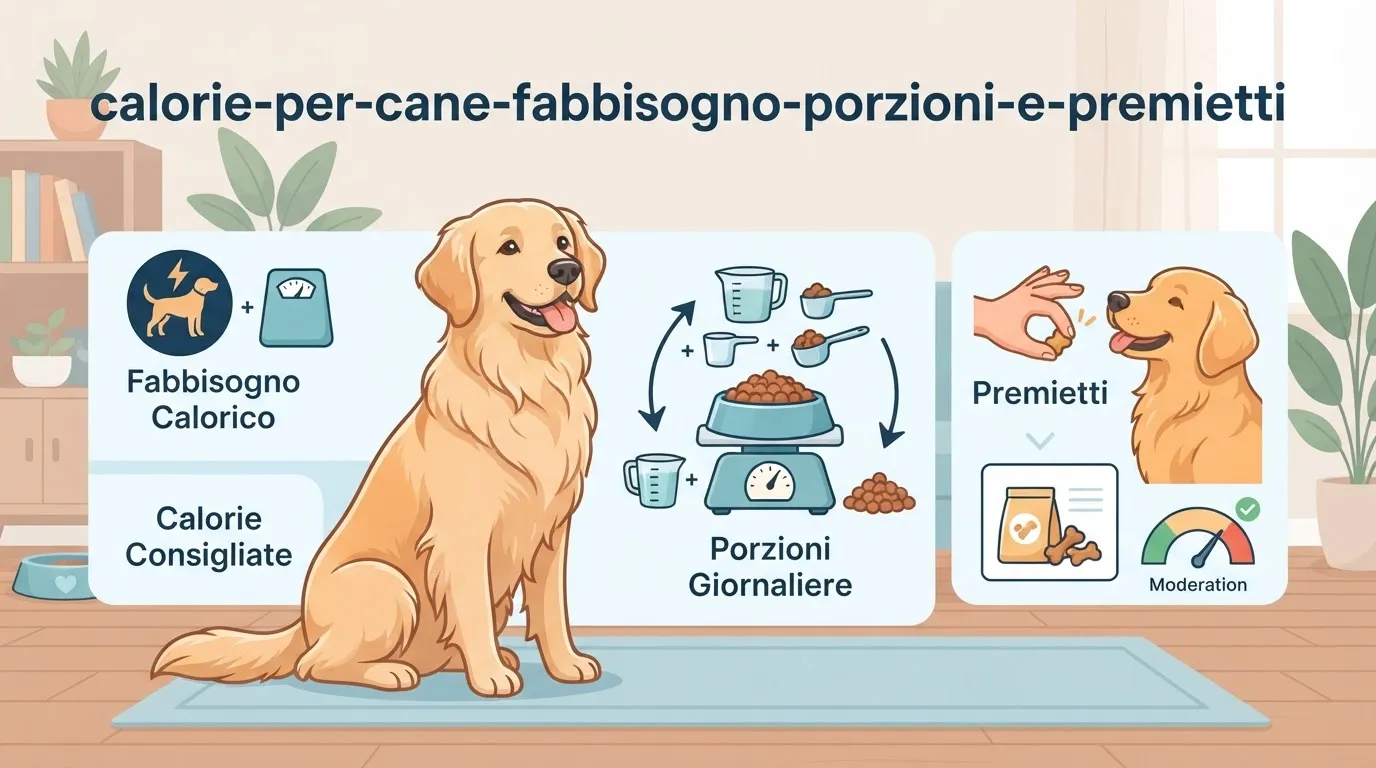
Keep feeding times regular, provide fresh water at all times, and use portions that match your dog’s needs. Measuring the ration with a measuring cup or kitchen scale can help prevent overfeeding, especially if the new kibble has a different energy density.
What to monitor when changing your dog’s food
During the transition, observing your dog every day is more useful than relying on a single sign. A slight initial change may occur, but it should remain limited and not become worse.
Pay attention to:
- the consistency, frequency, and color of stools;
- appetite and interest in the bowl;
- vomiting, flatulence, or unusual intestinal noises;
- itching, redness, or frequent licking of the skin;
- changes in energy levels or behavior;
- weight gain or loss over time.
Recording these details for a few days can help you give the veterinarian clearer information if needed. In the PawsPet health area, you can record the new food, note any reactions, and set a reminder to reassess tolerance after the switch.
Mistakes to avoid and when to contact your veterinarian
The most common mistake is replacing all the kibble overnight, perhaps because the previous bag has run out. To avoid this, purchase the new product in advance and keep enough of the usual food for the mixing phase.
Also avoid:
- insisting on the new food if your dog consistently refuses the bowl;
- compensating for refusal with many treats or table scraps;
- changing several foods at the same time;
- dismissing persistent symptoms as a simple matter of “getting used to it”;
- using specific or therapeutic diets without professional guidance.
Contact your veterinarian if repeated vomiting, significant or persistent diarrhea, lethargy, obvious pain, refusal to eat, or any other concerning signs appear. If your dog has known health conditions, takes medication, or needs a therapeutic diet, plan the change with the professional who is caring for them.
FAQ about switching to new kibble
How long should changing dog kibble take?
There is no identical schedule for every dog. In general, it is best to proceed gradually and slow down if your dog develops loose stools, reduced appetite, or other signs of sensitivity.
Can I mix old and new kibble in the same bowl?
Yes. This is the most practical method for a gradual dog food transition. Mix the two formulas according to the planned proportions and gradually change the ratio over time.
What should I do if my dog gets diarrhea after eating the new kibble?
Stop increasing the amount of new food and contact your veterinarian, especially if the problem is severe, lasts over time, or is accompanied by vomiting, lethargy, or refusal to eat. Do not give medication without professional advice.
An organized transition, measured portions, and consistent monitoring can make changing your dog’s kibble easier. With PawsPet, you can keep feeding details, digestion notes, and useful reminders organized so you can follow every change more consistently.