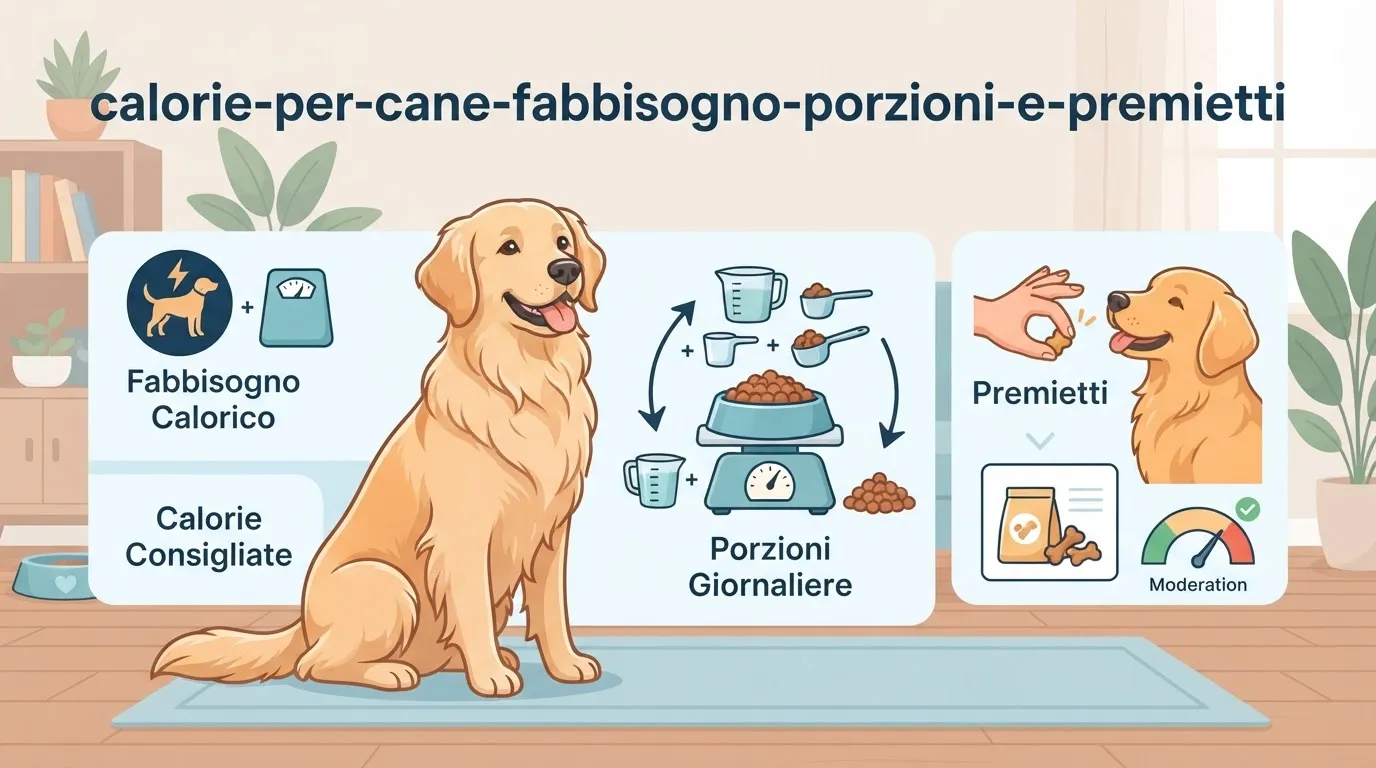
Understanding how many daily calories dogs really need can help prevent two common problems: serving oversized portions without realizing it and imposing excessive restrictions that fail to meet the dog’s needs. Calorie requirements depend on more than weight: age, activity level, health status, neutering, and body condition all affect how a dog uses energy.
The amount listed on the package is a starting point, not a prescription that applies to every dog. To establish an appropriate and safe diet, especially if your dog needs to lose weight or has a medical condition, consult your veterinarian.
What determines a dog’s calorie needs
Dog calorie needs refer to the energy an animal receives throughout the day from meals, treats, and other foods. Two dogs of the same weight may have very different requirements.
The main factors to consider are:
- Age: a growing puppy needs a specific diet, while a senior dog may move less and have different energy expenditure.
- Daily activity: relaxed walks, work, canine sports, and a sedentary lifestyle do not have the same impact.
- Size and build: weight alone does not tell the whole story; physical structure and healthy dog weight should also be assessed.
- Neutering and individual metabolism: these can affect the balance between energy intake and energy use.
- Health status: certain medical conditions, treatments, or veterinary diets require personalized guidance.
Your veterinarian can assess the Body Condition Score, a scale that considers the dog’s outline, ribs, waist, and fat deposits. This is more useful than looking at the number on the scale alone: a muscular dog and a dog carrying excess body fat may weigh the same but have different needs.
How to determine dog food portions without guessing
When asking how much a dog should eat, start with the food your dog actually receives, checking both the type and its calorie density. Dry food, wet food, homemade diets, and mixed feeding can provide very different amounts of energy for the same number of grams.
Use this practical method:
- Read the label on the food and note the recommended serving based on your dog’s weight.
- Weigh the portion with a kitchen scale instead of relying on approximate scoops or cups.
- Divide the daily total between the agreed meals, keeping the schedule as regular as possible.
- Record extras, including treats, chews, table scraps, and foods used to administer medication.
- Track changes over time: weight, appetite, stools, energy, and body condition are all useful signs to discuss with your veterinarian.
Do not drastically reduce dog food portions in pursuit of rapid weight loss. A nutritional plan must protect the intake of essential nutrients, not simply reduce the number of grams in the bowl.
Dog treats: how to use them without unbalancing the diet
Dog treats can be useful for training, recall, and building positive associations. Problems arise when they are given automatically without considering them part of the daily ration.
For balanced treat management:
- choose small pieces that are easy to swallow and suitable for your dog;
- break larger treats into very small pieces;
- set aside part of the daily dry food for simple training exercises;
- use non-food rewards when possible, such as play, sniffing opportunities, attention, or freedom to explore;
- make sure the whole family knows the rules so that no one adds “invisible” snacks.
Table scraps also require attention: some common ingredients may be unsuitable or potentially dangerous for dogs. Avoid offering foods that have not been checked and ask your veterinarian which options are compatible with your dog’s diet.
Monitoring healthy weight, activity, and changes
Managing dog calories works best when it is consistent but also flexible. A period of reduced activity, a change of season, recovery after a physical problem, or advancing age may make it necessary to review portions.
Every few weeks, try to:
- weigh your dog under the same conditions;
- check whether the ribs can be felt without being overly visible;
- look from above for a proportionate waist;
- record changes in appetite, thirst, stools, or behavior;
- review the plan with your veterinarian if your dog’s weight changes without a clear reason.
If you notice rapid weight loss or gain, persistent loss of appetite, vomiting, diarrhea, or other symptoms, do not respond only by changing the food: contact a veterinarian.
PawsPet can help you keep your dog’s weight, diet, appointments, and reminders organized, giving you clearer information to share with the professional caring for your dog.
FAQ about dog calories and portions
Are the feeding guidelines on the package enough to know how much a dog should eat?
They are a useful starting guide, but they need to be adjusted for age, activity, body condition, treats, and health status. Your veterinarian can help turn them into an individual plan.
Should I reduce dry food if I use many treats during training?
In general, it is appropriate to include treats in the daily ration. You can use part of your dog’s meal as a reward or ask your veterinarian how to rebalance the portions.
Can I change the portion if my dog always seems hungry?
Perceived hunger is not the only reliable indicator. Check portions, treats, meal frequency, and body condition with your veterinarian before increasing or reducing the amount of food.