Grooming can be a pleasant experience, but for many dogs it can also be a bit stressful. If you're wondering whether a dog can eat before grooming, the answer depends mainly on the dog's individual sensitivity, the length of the session, and how anxious the animal is. In this guide, you'll find practical tips to help you organize the appointment as calmly as possible.
Can a dog eat before grooming?
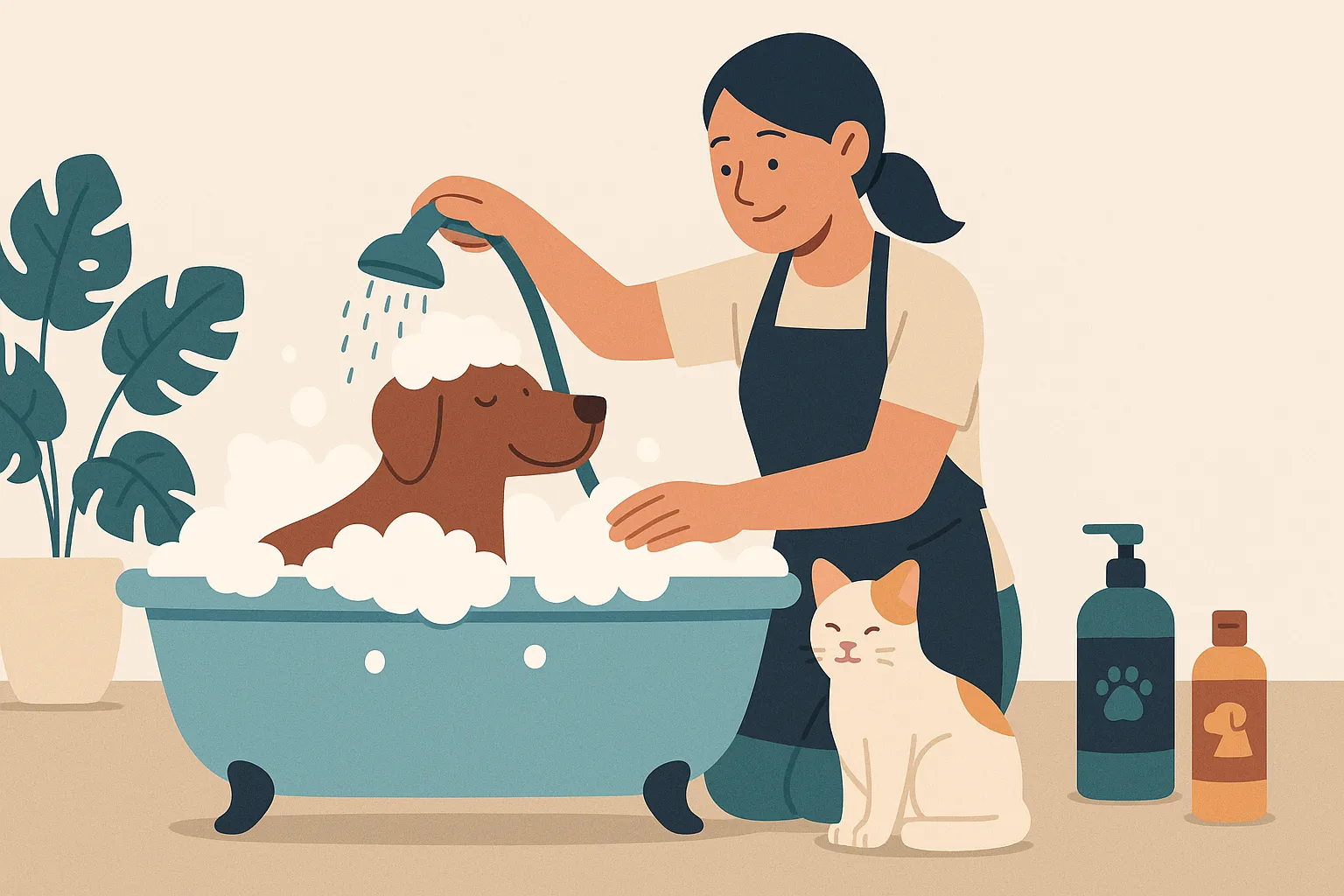
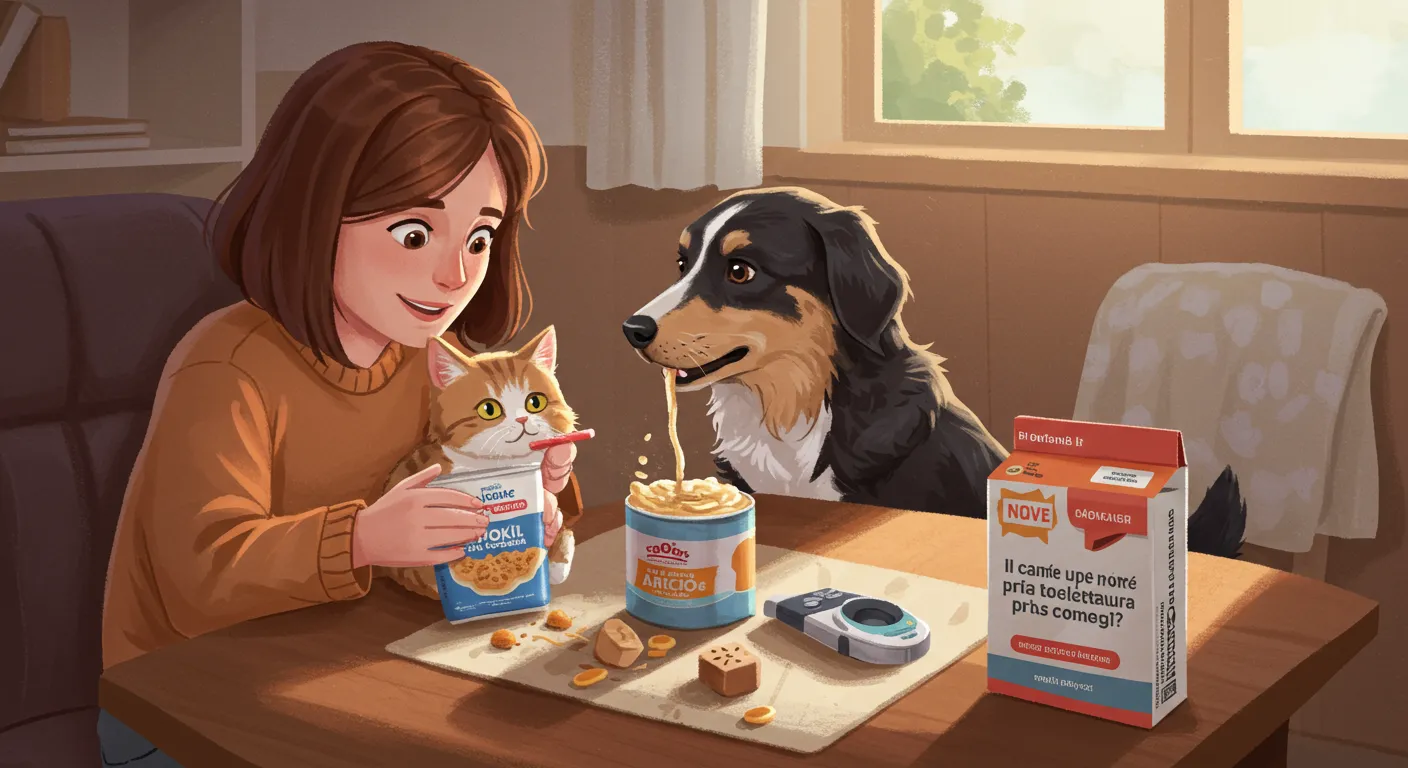
In general, it's best to avoid giving your dog a large meal right before grooming. A dog that eats shortly beforehand may feel more uncomfortable, especially if the appointment includes blow-drying, handling, intensive brushing, or long periods on the grooming table.
There isn't a one-size-fits-all rule, but a good guideline is:
- the main meal at least 2-3 hours before;
- a light snack only if your dog tolerates it well;
- water always available, unless the professional advises otherwise.
If your dog is very anxious, prone to nausea, or tends to regurgitate when excited, it's better to go to grooming with an empty-ish stomach. If you have any specific concerns, ask your veterinarian or a trusted groomer for advice.
The most common risks if your dog eats beforehand
This isn't just about an "upset stomach." A dog that eats before grooming may be more likely to experience discomfort or stress during the appointment.
Among the most common risks:
-
Nausea or regurgitation
Some dogs may gag or vomit if they are agitated or handled after eating. -
Discomfort during handling
A full belly and pressure on the body can make certain steps, such as bathing or drying, less comfortable. -
Greater restlessness
A dog that is full but nervous may move around more, making the groomer's job harder. -
A negative association with grooming
If the experience feels unpleasant, your dog may become more tense about future appointments.
That's why, when it comes to dog hygiene and dog care, preparation before the appointment is just as important as grooming itself.
What to do before the appointment
To best manage the dog eats before grooming situation, it's worth sticking to a simple, predictable routine. Here's what often works:
-
Schedule grooming away from main meal times
Choose a time slot when your dog has already digested. -
Take a walk beforehand
A short outing helps release tension and makes your dog calmer. -
Avoid new foods or heavy snacks
Don't introduce unusual foods before an important appointment. -
Bring your dog in a calm state
No frantic running or overly exciting play right before. -
Communicate any sensitivities
If your dog struggles with travel, the noise of the dryer, or waiting, let the groomer know.
If you use an app to organize routines, PawsPet reminders can help you keep track of meal times, grooming appointments, and useful check-ups, reducing unexpected issues.
How to tell if your dog is more sensitive
Every dog reacts differently. Some eat before grooming with no problem, while others show clear signs of discomfort. Watch for these behaviors:
- frequent yawning or lip licking;
- unusual drooling;
- restlessness or difficulty staying still;
- dislike of the carrier or car;
- vomiting or regurgitation after stress or movement.
If you notice these signs, try leaving more time between the meal and the appointment. For more sensitive dogs, even small adjustments can make a difference. For dogs with recurring digestive issues, it's always better to consult a qualified professional.
Practical tips for a calmer grooming experience
Good dog grooming doesn't happen by accident. Preparation matters a lot, including food, timing, and emotional management.
Here's a practical checklist:
- plan the meal at least 2-3 hours in advance;
- keep water available until you leave;
- bring a light treat, if your dog enjoys it;
- choose a salon that works calmly and gently;
- book during less busy times if your dog is shy;
- check the skin, mats, and ears before the appointment;
- after grooming, watch your dog for any signs of stress.
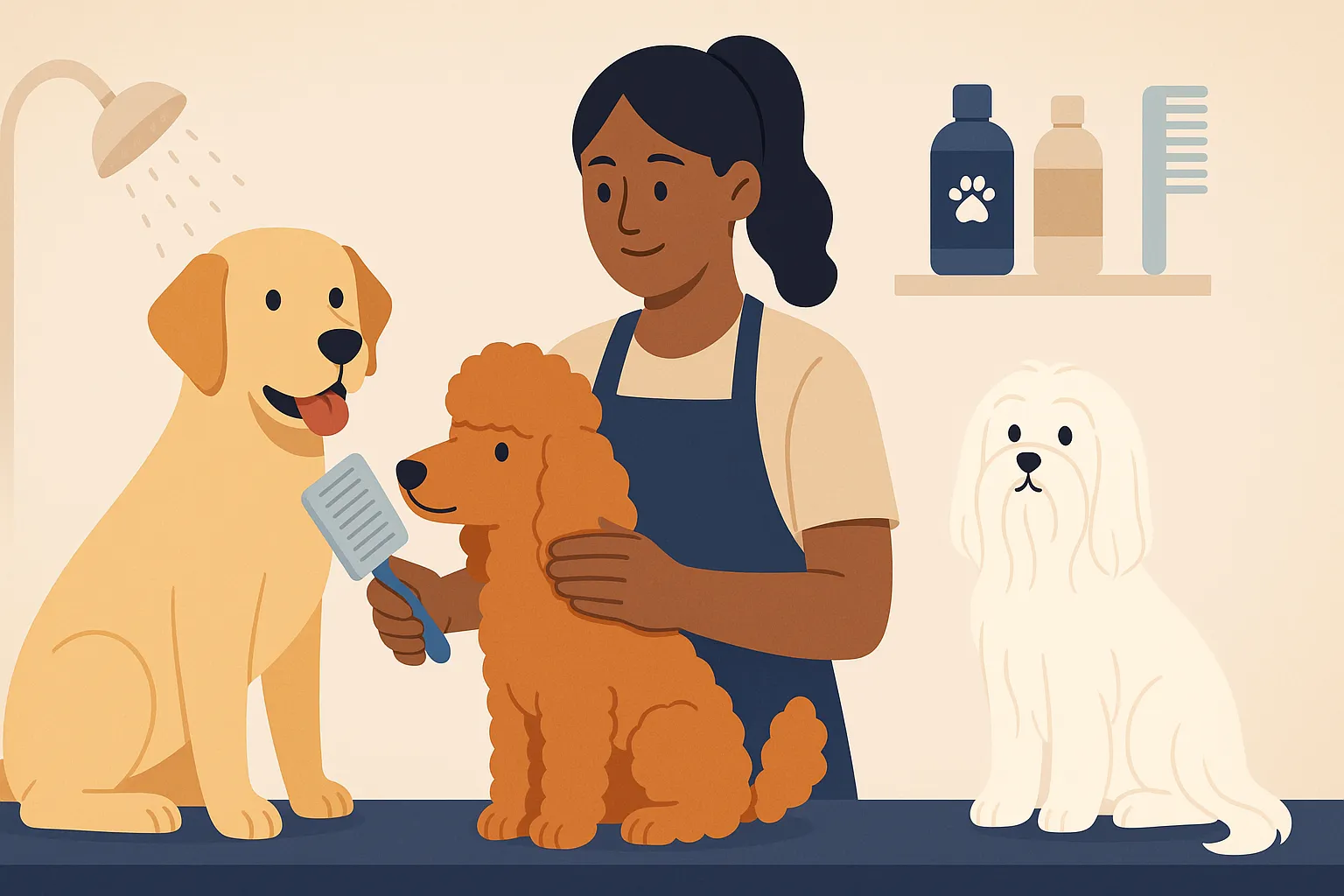
If your dog needs ongoing care, a clear organization saves time and helps prevent forgotten tasks. A marketplace dedicated to dog hygiene accessories can also be useful for finding brushes, shampoos, and tools suited to your dog's coat.
Conclusion
So, can a dog eat before grooming? Yes, but with care: it's best to avoid a large meal close to the appointment and leave enough time to reduce nausea and stress. With a good routine, grooming becomes a calmer moment for both you and your dog. If you want to manage appointments, health, and reminders more effectively, PawsPet can help you keep everything under control easily.
FAQ
Does my dog need to be fasted before grooming?
Not necessarily. In general, fasting isn't required, but it's better to avoid large meals in the 2-3 hours before.
Can I give a snack before grooming?
Yes, if your dog tolerates it well and the snack is light. If your dog tends to be anxious or nauseous, it's better to skip it.
If my dog vomits often, what should I do?
Talk to your veterinarian before the appointment and let the groomer know as well, so they can handle your dog with extra care.